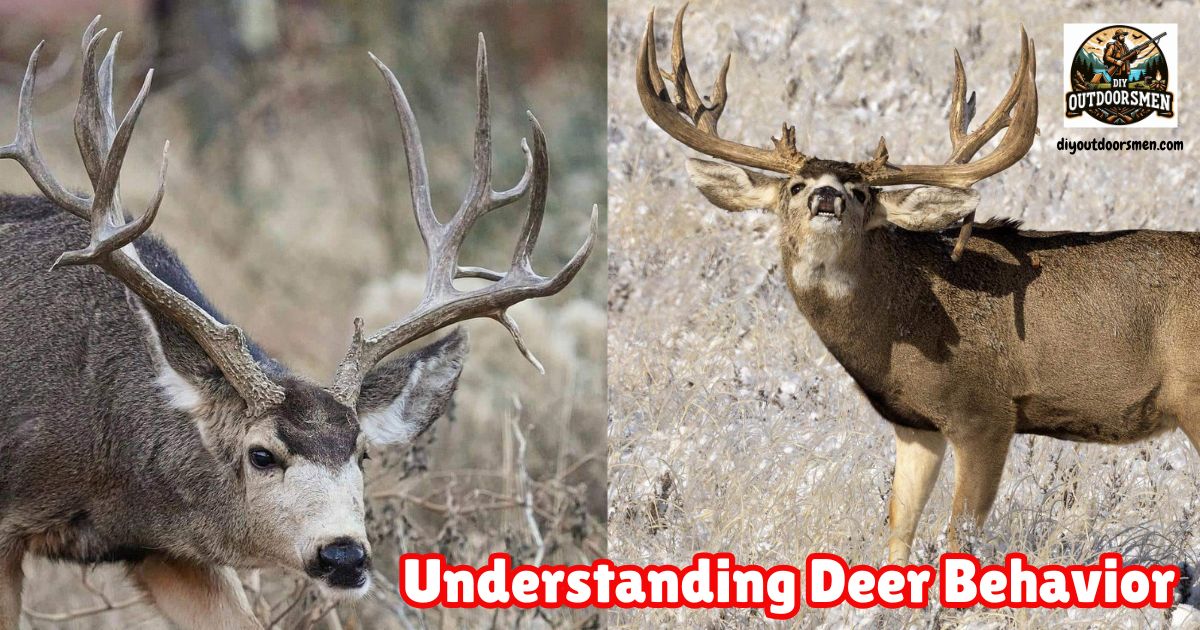
Improving my hunting results often comes down to how well I can read and understand deer behavior. Every season brings a new set of patterns to watch for, and by paying close attention to the habits of deer, I increase my odds of success. I’ll be sharing what I’ve learned about reading deer behavior, the factors influencing their daily and seasonal movements, and how to adjust my strategy for better outcomes.
QUICK LOOK: Tips for Reading Deer Behavior and Body Language
- Relaxed posture: Head down, ears moving slowly, and the tail sometimes gently swishing means a deer is calm and unaware of my presence. I find this is the best time to move or prepare for a shot.
- Ears forward, head up: This means they’ve picked up on something. I immediately freeze and keep all movements to a minimum to avoid giving myself away.
- Footstomp or snort: A deer stomps the ground or loudly snorts to check for danger. If this happens, I avoid making noise or quick movements, as the deer is likely seconds away from running.
- Tail wag/swish: A gentle side-to-side wag usually means the deer is at ease or shooing away insects, which tells me the area still feels safe to them.
- Flagged tail: When a deer’s tail stands straight up, showing the white underside, it’s about to bolt. My chance is usually gone at this point.
Core Behaviors That Shape Deer Movement
Knowing when and where deer are most active guides almost every decision I make in the woods. White-tailed deer, for example, follow certain daily routines. They are crepuscular, meaning they’re most active at dawn and dusk. I plan my hunts around these times and try to set up between where they sleep (bedding areas) and where they eat (feeding sites).
Bedding areas are usually thick cover, such as brush piles, logging cuts, or swamps. These places provide deer with a sense of security, allowing them to rest and ruminate. I look for droppings, flattened grass, and beds—oval indents in the leaves or grass—to figure out where they spend their days.
Feeding spots can include established food plots, oak flats covered in acorns, or nearby agricultural fields. The trails connecting these locations are often prime spots to set up, since deer travel routes are fairly regular when undisturbed.
Deer rely mostly on three powerful senses: smell, hearing, and vision. Their sense of smell far exceeds mine. If my scent blows toward them, they won’t hesitate to avoid my position or leave the area. To reduce detection, I hunt with the wind in my favor, use scent-eliminating sprays, and store my hunting clothes in a scent-free container.
Every movement and sound matters, so I use quiet clothing and make slow, deliberate movements while on stand. I also keep my gear in good condition for silent operation and avoid jingling metal or plastic.
How Seasonal Switches Influence Deer Behavior
Deer aren’t stuck in set habits. As the year goes on, their behavior switches up in response to food, weather, and—most of all—breeding season. Getting a feel for these changes makes a huge difference in my planning. During the early season, deer stick to summer feeding patterns with a focus on high-protein food sources.
Alfalfa, soybeans, and other lush plants often attract bucks and does alike. As summer fades, bucks might still hang together in small groups, making their travel more predictable. Food plot maintenance and late summer scouting let me track down which fields are hot at dawn and dusk.
The rut, or breeding season, totally mixes things up. Bucks become more active during daylight, searching for does. In the pre-rut, they start rubbing trees (making rubs) and pawing at the ground (creating scrapes) to mark their presence.
I focus my stand placements near fresh rub lines and scrapes when I spot these signs growing. It pays to double-check rub/scrape locations, as deer often revisit the same signs year after year. Once does come into heat, the wild days of peak rut hit, and buck activity gets next-level cool, as males roam widely chasing receptive females.
I target corridors that link feeding and bedding grounds, and I’ve had good luck hunting near thicker cover where does might hide. Calls like doe bleats or grunt tubes can also bring in curious bucks during this period. After the rut winds down, post-rut bucks are worn out and return to a more consistent routine, especially where good food is available.
Come winter and the late season, food once more controls deer movement. I concentrate around remaining mast crops, cornfields, or browse lines. With cold weather setting in, deer want to save energy, so they usually stick to shorter windows of activity and move even less during harsh conditions, making dusk and dawn the best bets.
Reading Deer Body Language and Communication
Understanding deer body language has helped me make better decisions in the field. Their subtle cues, if picked up in time, can mean the difference between a successful hunt and a missed opportunity.
- Relaxed posture: Head down, ears moving slowly, and the tail sometimes gently swishing means a deer is calm and unaware of my presence. I find this is the best time to move or prepare for a shot.
- Ears forward, head up: This means they’ve picked up on something. I immediately freeze and keep all movements to a minimum to avoid giving myself away.
- Footstomp or snort: A deer stomps the ground or loudly snorts to check for danger. If this happens, I avoid making noise or quick movements, as the deer is likely seconds away from running.
- Tail wag/swish: A gentle side-to-side wag usually means the deer is at ease or shooing away insects, which tells me the area still feels safe to them.
- Flagged tail: When a deer’s tail stands straight up, showing the white underside, it’s about to bolt. My chance is usually gone at this point.
Deer also communicate through scent and visible markings, such as rubs and scrapes. By figuring out which signals mean comfort and which signal distress, I adjust my approach to stretch encounters and avoid spooking my quarry.
Smart Techniques for Hunters Who Want Results
After I learned the basics, I started looking for ways to really “think like a deer.” This led to smarter strategies, scouting, and better tactics in the woods.
- Trail cameras: Cameras help me monitor deer travel without scaring them away. I leave cameras in place for weeks on trails, rub lines, and along the edges of feeding or bedding areas. Looking over these photos gives me insights into what animals are using the area and when.
- Handling hunting pressure: Deer avoid spots with frequent human activity. To outsmart them, I rotate stands, keep trips to a minimum, and use quiet exit and entry routes. Thick cover or loud creeks can cover my sound, letting me slip in undetected.
- Using weather and moon phases: Cooler temps and overcast or drizzly days usually prompt more movement. I adjust my hunts for times when the odds favor daytime deer activity and try to avoid high-wind days when possible.
- Putting terrain to work: Funnels, ridgelines, creek crossings, or saddles often force deer through certain areas. I prioritize these natural constriction points for better shot opportunities.
What I Always Keep in Mind for Every Hunt
Success means staying sharp and keeping plans flexible. Here are a few key reminders for every trip:
- Scent control: Deer will bust me if I’m careless. I use scent-free soap, laundry detergent, and storage, plus rubber boots and scent-killing sprays.
- Concealment: Camouflage is just the start. I use natural cover, brush in blinds, or climb higher in trees to stay above a deer’s line of sight. Face masks and gloves help close the gaps.
- Weather matters: Wind direction guides stand choice, and changing weather means plans need to change too. Bowhunters, in particular, need to watch for approaching cold fronts that could get deer on their feet.
- Follow the rules: Legal regulations differ in every state. I always check in on hunting dates, weapon rules, and baiting laws, so I don’t risk a fine or worse.
Learning From Every Adventure
Each outing is another chance to stumble upon something new. I keep a log of deer sightings, observations, behavior, and which tactics paid off. Over the seasons, these notes let me connect the dots and improve my game plan for the future. Even failed hunts teach important lessons about patience and woodsmanship.
Frequently Asked Questions about Deer Behavior and Hunting Success
Here are a few common questions I hear or have asked myself over the years:
Why is wind direction so important when hunting deer?
Deer rely heavily on their sense of smell. If the wind blows my scent toward them, they’ll pick up on me before I ever see them. That’s why each hunt starts with a look at the wind forecast and choosing stand spots that keep my scent away from target areas.
What’s the best way to find a deer’s bedding and feeding areas?
I search for flattened grass, recent droppings, and well-used trails for bedding zones, while feeding sign, like chewed plants or tracks, shows where they eat. Using trail cameras can help double-check which deer use which area.
How do deer react to heavy hunting pressure?
Pressured deer get more cautious and move later—often after dark. They also avoid openings. That’s why rotating stands and keeping quiet is key.
Real World Examples of Deer Behavior and Hunting
Using everything I’ve observed, with regard to deer behavior, has led to both freezer-stocking harvests and great memories. For example, setting up next to a creek crossing inside a known funnel area scored me a dawn meeting with a big buck I’d tracked for weeks. Reading deer body language let me hold off until a doe was truly at ease, making for a clean and ethical shot.
- Track sign: Following fresh tracks in new snow makes recent deer routes obvious—and easy to follow.
- Adapt location: On warmer days, I focus on hunting shaded or north-facing slopes where deer rest to stay cool.
- Team up: When hunting with friends, spreading out on likely escape routes or travel paths helps everyone get a shot at success.
By being observant, patient, and willing to mix things up, I keep learning and getting better each season. Watching for fresh sign, thinking like a deer, and keeping flexible plans are the keys to making every hunt both worthwhile and memorable.
Most Recent Articles:
- Off-road Vehicle Recovery Techniques
- Electric Vs. Manual Game Calls and Which Works Better?
- Comparing All-Terrain UTV Winches For Remote Hunting Access
- How To Create Wildlife Bait From Kitchen Scraps
- Reliable Trail Camera Rigs For Hunters On A Tight Budget
- Suburban Bowhunting Tips
As always, stay safe, enjoy the journey, and please try to leave it cleaner than you found it. If you have any comments, questions, ideas, or suggestions, please leave them in the comment section below, and I’ll get back to you ASAP. You can follow us on YouTube: Man Art Creations for videos of our DIY Adventures.
P.S. Thanks so much for checking out our blog; we really appreciate it. Just so you know, we may receive a commission if you click on some of the links that appear on our site. This helps us keep our content free and up-to-date for everyone. We appreciate your support!