
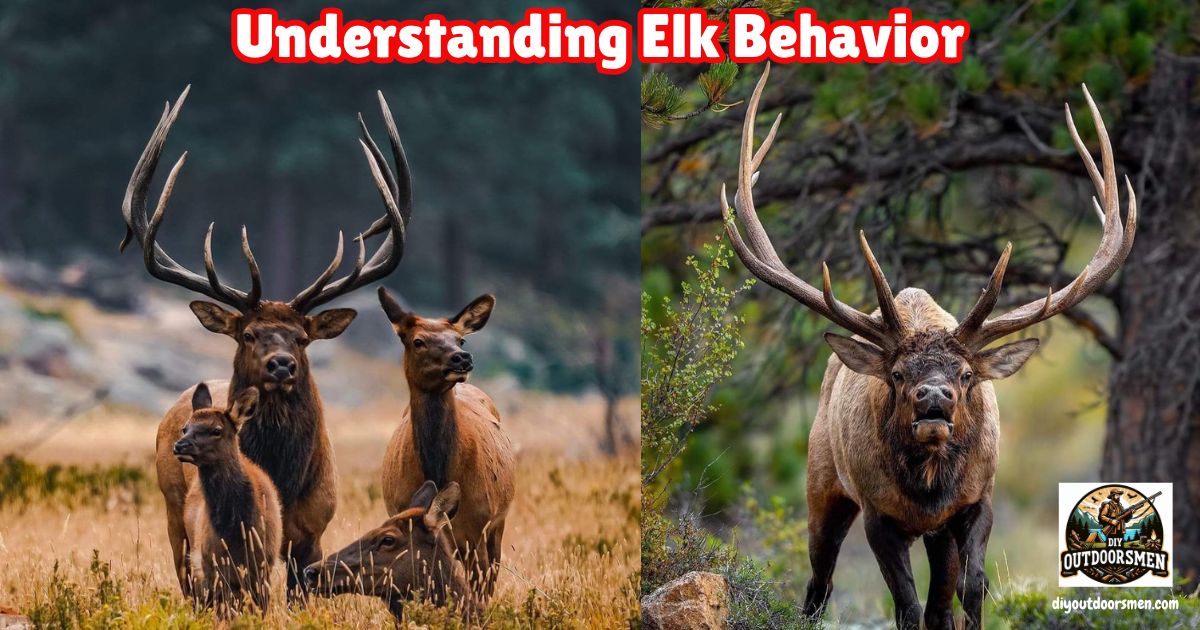
Hunting elk involves more than good gear or luck. After years out in the field, I’ve found that real success comes from digging into elk behavior, what sparks their routines, and being quick to adjust.
QUICK LOOK: 6 Tips for Predicting Elk Behavior
- Scout Before Season: I use online maps and preseason hikes to look for fresh sign, bedding spots, and feeding areas, while keeping track of escape routes too.
- Stay Mobile: A light pack lets me move fast and stay flexible if elk show up in unexpected places. Adaptability means more success.
- Blend In: Earthtone clothing helps, but I also focus on moving quietly and never letting myself stand out along a skyline or open trail.
- Know When to Call: During rut, bugling can pull bulls in close. In heavy pressure, silence is golden. Matching natural elk sounds and only calling at the right moment is more important than making noise.
- Watch the Weather: Elk shift habits with the weather—heat drives them into shade, while snow or rain pulls them toward open, easier feeding. I use these changes to predict next moves.
- Use Good Optics: Quality binoculars or a spotting scope lets me pick out elk across far hills and track several animals without closing the distance.
Elk care most about staying safe, finding food, and getting water, while their daily patterns pivot with the seasons, the weather, and hunting pressure. Knowing what makes elk tick lets me shape my hunt for better odds.
Core Elk Behaviors Every Hunter Should Know
Elk are big and always on alert. Over the years, I’ve realized their senses give them an edge. Watching how they sense and react in their habitat changes everything. Here’s what I keep in mind:
- Senses: Elk trust their nose more than anything else. Their hearing is sharp, and their eyesight is solid, though not as good as their other senses. I always track the wind and never put too much faith in scent-control products. Playing the wind right is the line between getting close or hiking home empty-handed.
- Daily Patterns: Elk are most active at dawn and dusk, a pattern called crepuscular behavior. Come morning, they move from open nighttime feeding spots to safety in bedding areas on north-facing slopes or deep in dense timber. By midday, they usually bed down, picking spots that offer wind protection and escape options. As daylight fades, they wander back out to feed, often along well-beaten trails.
- Habitat Choices: I search for spots where food, water, and shelter come close together. Scouting with onX Hunt or Google Earth helps me notice where cover meets open spaces and where terrain edges or elevation changes line up. Finding those juxtapositions often reveals where elk feed, rest, or roam.
- Herd Structure: Cow elk (the matriarchs) typically lead the group, not the bulls. Bulls stick with other bulls except when it’s breeding season. If I can figure out which way the lead cow moves, I usually stumble upon the rest of the herd. Bulls become more obvious and join bigger herds once the rut starts.
Making Sense of the Seasons: Adjusting Strategies as Elk Behavior Changes
Elk don’t stick to one routine all year; as the seasons change, so do their patterns. Understanding this makes it easier to mix things up and hunt smarter. Here’s my take:
- Early Season (Late August to Early September): Bulls stay together in small groups, eating as much as possible to prep for the rut. Calling is subtle now, and my focus is on ambushing elk near food or water.
- Pre-Rut and Peak Rut (Mid-September to Early October): In this phase, elk activity jumps. Bulls bugle, challenge each other, and chase cows. Calling gets more effective—I use bugles to challenge or soft cow calls to attract satellite bulls. Quick movement is crucial if a bull responds.
- Post-Rut (Mid-October to Early November): Bulls get tired and sneak back to remote, safe places. Elk stay quieter, eating more, and resting. I lean on quiet stalking, glassing far-off hideouts, and inching through thick cover slowly.
- Late Season (Mid-November and Later): By late fall, elk group in bigger herds, heading to lower ground to find food and conserve energy. After snow, I look for fresh tracks, but caution matters even more—spook them now, and elk will hide out for hours or more.
Reading Elk Sign and Habitat
Tracking elk means knowing what to look for—beds, droppings, rubs, wallows, and worn trails. Big, oval, matted-down spots mean bedding. Fresh droppings and urine patches tell me elk aren’t far. Scrapes on young trees, especially around the rut, are visual proof that bulls have been there. Muddy, churned-up wallows are classic rut hangouts.
Learning how elk use the landscape takes time outside. I scan shady, steep slopes during warm spells since elk seek out cool bedding areas in the heat. Snow or frigid weather pushes elk to sunlit, south-facing hills where feeding is easier. Once hunting pressure rises, elk don’t hesitate to hide in deep, tangled woods, rocky basins, or country that’s tough to hike into.
Elk Behavior in Response to Hunting Pressure
On public land, competition is real, especially during rifle hunts. Elk have a knack for picking up on human activity. When a crowd shows up, I venture deeper, searching off-trail pockets that get overlooked. Sometimes, I stumble upon herds in thick cedar tangles or wide sage flats away from main paths because other hunters stick close to the easy routes.
I slow my pace, keep quiet, and constantly check the wind. When hunters get impatient—moving fast or calling too much—elk simply bed down and wait for the pressure to pass. In these situations, calling is my last resort. A silent stalk often beats the loudest bugle.
Real-World Challenges I’ve Faced While Hunting Elk
- Expect Long Days: Elk hunting is physically demanding. I hike steep hills and sometimes crash through tangled timber in unpredictable weather. Prepping gear ahead and carrying enough water, food, and warmer clothes is a must.
- Wind Changes Fast: A sudden switch in wind direction has cost me more encounters than anything else. Lightweight wind indicators come in handy to help me notice changing conditions quickly.
- Spotting Elk: Some days, I glass open hills and still come up empty-handed. Staying patient and sticking to a routine pays off; glassing wide areas at dawn and dusk, then creeping through timber midday, works best for me.
- Bumping the Herd: If elk catch me off guard, they don’t stop until they feel safe. Instead of chasing, I back out slowly and scout likely escape or secondary bedding areas. Elk often slip back once the coast is clear.
Practical Tips for Adapting to Elk Behavior
Years of trial and error have taught me go-to strategies now baked into my hunts:
- Scout Before Season: I use online maps and preseason hikes to look for fresh sign, bedding spots, and feeding areas, while keeping track of escape routes too.
- Stay Mobile: A light pack lets me move fast and stay flexible if elk show up in unexpected places. Adaptability means more success.
- Blend In: Earthtone clothing helps, but I also focus on moving quietly and never letting myself stand out along a skyline or open trail.
- Know When to Call: During rut, bugling can pull bulls in close. In heavy pressure, silence is golden. Matching natural elk sounds and only calling at the right moment is more important than making noise.
- Watch the Weather: Elk shift habits with the weather—heat drives them into shade, while snow or rain pulls them toward open, easier feeding. I use these changes to predict next moves.
- Use Good Optics: Quality binoculars or a spotting scope lets me pick out elk across far hills and track several animals without closing the distance.
Common Questions From Elk Hunters
I field a lot of questions from folks new to elk hunting. Here are a few I hear the most, with the no-nonsense answers I always give:
How do I avoid getting scented by elk?
The wind is everything. Move so your scent never blows toward where elk bed or eat. I let shifting winds tell me where to go, and I trust this far more than any store-bought scent blocker.
Where do elk go when they get pressured?
Elk push into the thickest, steepest, or loneliest places around when human pressure gets strong. Search the hardest-to-reach terrain, farthest from roads or foot trails—you’ll often find herds that others miss, even if it means extra miles on foot.
What’s the best time of day to hunt elk?
Early morning and late evening win out every time. Elk move between feed and bed, then, offering the best shot at intercepting them or tracking fresh sign.
Getting the Most Out of Your Elk Hunt by Reading Elk Behavior
Successful elk hunting is about mapping things out, showing patience, and learning from elk. Tracking the wind, watching seasonal movements, and adapting to pressure keeps me in the game. Every outing brings new lessons, and using what I learn is how I get better year by year.
Chasing elk means focusing on what they need—food, water, cover, safety. Remaining observant and ready to switch things up turns tough days into learning experiences and, sometimes, into stories worth telling back at camp. Wrapping up, it’s never one lucky break or piece of gear that decides an elk hunt; it’s your ability to read the animals, roll with the conditions, and keep learning that pays off in the end.
Most Recent Articles:
- Off-road Vehicle Recovery Techniques
- Electric Vs. Manual Game Calls and Which Works Better?
- Comparing All-Terrain UTV Winches For Remote Hunting Access
- How To Create Wildlife Bait From Kitchen Scraps

- Reliable Trail Camera Rigs For Hunters On A Tight Budget
- Suburban Bowhunting Tips
As always, stay safe, enjoy the journey, and please try to leave it cleaner than you found it. If you have any comments, questions, ideas, or suggestions, please leave them in the comment section below, and I’ll get back to you ASAP. You can follow us on YouTube: Man Art Creations for videos of our DIY Adventures.
P.S. Thanks so much for checking out our blog; we really appreciate it. Just so you know, we may receive a commission if you click on some of the links that appear on our site. This helps us keep our content free and up-to-date for everyone. We appreciate your support!