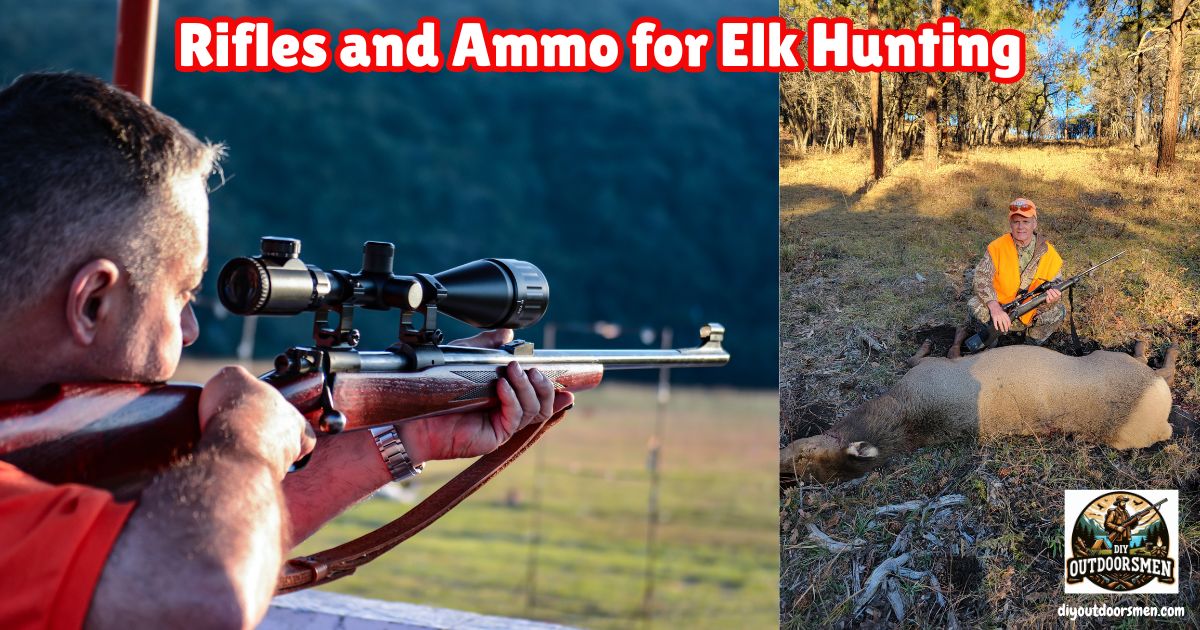
Preparing for an elk hunt calls for more thought than just grabbing any rifle and a handful of bullets off the shelf. My experience has shown me that the right combination of rifle and ammunition can make or break your hunt. Elk are large, tough animals, and making ethical, effective shots is a responsibility every hunter should take seriously.
QUICK LOOK: Popular Rifle Calibers for Elk Hunting
- .30-06 Springfield: This is what I consider the classic elk caliber. It has enough power, reasonable recoil, and works with a wide range of bullet weights. I’ve seen more elk taken with this cartridge than almost any other. If you’re new to elk hunting, this cartridge gives you confidence that you’re not undergunned.
- .300 Winchester Magnum: For those comfortable with more recoil, the .300 Win Mag offers an extra boost in range and stopping power. It comes in handy in open country, especially when shots could stretch to 400 yards or beyond. You’ll find this cartridge to be very popular among western hunters chasing herds on wide open ridges.
- 7mm Remington Magnum: This one balances strong energy with a flatter trajectory, making it a favorite in western states. Recoil sits between the .30-06 and .300 Win Mag, which a lot of hunters find manageable. The flat shooting nature lets you worry less about drop at longer ranges, which is useful in open meadows or above timberline.
- .270 Winchester and .308 Winchester: Both of these work best inside 350 yards, especially with higher quality, heavier bullets. If you’re a newer shooter or recoil is a challenge, these can be good options as long as you know your range limits and choose quality ammunition.
- .338 Winchester Magnum: The .338 is a real powerhouse. If you expect thick timber, short-range shots, or the chance of a big bull at an odd angle, the extra penetration can come in handy. Be realistic about managing the significant recoil and weight of rifles chambered for this round.
Picking equipment that fits your abilities and the terrain pays off every time you step into the field. With all the variables in elk country, putting in some considered preparation can set you up for success even in challenging situations.
Choosing the Best Rifle Caliber for Elk Hunting
Figuring out which rifle caliber suits elk hunting starts with looking at your comfort level and the typical distances you expect to shoot. The rifle should deliver enough power to ensure a humane harvest, but it also has to be something you can shoot accurately, especially after a steep hike or in rough weather.
Finding that balance often means trying out different rifles to see what fits you best. Before settling on anything, think about the terrain you’ll be hunting in, your own physique, and your level of shooting experience. Getting honest about your comfort shooting certain calibers will help you make a better choice in the long run.
Several calibers have built strong reputations with elk hunters. Here are a few that I find work well in most situations:
- .30-06 Springfield: This is what I consider the classic elk caliber. It has enough power, reasonable recoil, and works with a wide range of bullet weights. I’ve seen more elk taken with this cartridge than almost any other. If you’re new to elk hunting, this cartridge gives you confidence that you’re not undergunned.
- .300 Winchester Magnum: For those comfortable with more recoil, the .300 Win Mag offers an extra boost in range and stopping power. It comes in handy in open country, especially when shots could stretch to 400 yards or beyond. You’ll find this cartridge to be very popular among western hunters chasing herds on wide open ridges.
- 7mm Remington Magnum: This one balances strong energy with a flatter trajectory, making it a favorite in western states. Recoil sits between the .30-06 and .300 Win Mag, which a lot of hunters find manageable. The flat shooting nature lets you worry less about drop at longer ranges, which is useful in open meadows or above timberline.
- .270 Winchester and .308 Winchester: Both of these work best inside 350 yards, especially with higher quality, heavier bullets. If you’re a newer shooter or recoil is a challenge, these can be good options as long as you know your range limits and choose quality ammunition.
- .338 Winchester Magnum: The .338 is a real powerhouse. If you expect thick timber, short-range shots, or the chance of a big bull at an odd angle, the extra penetration can come in handy. Be realistic about managing the significant recoil and weight of rifles chambered for this round.
Any of these calibers can work great, provided you select tough, heavy for caliber bullets and spend plenty of time practicing. Shot placement is even more important than raw power when hunting hardy animals like elk. Regular practice with your chosen caliber builds both skills and confidence, giving you the best shot at an ethical harvest.
How Rifle Features Matter in the Field
After picking a caliber, looking at rifle features can help you make a better match for elk hunting. Through my trips in the mountains, these are the things that have mattered most:
- Weight: There’s a balance between lightweight rifles, which are easy to carry, and heavier rifles, which soak up recoil and help with steady shooting. I find that a rifle between 7 and 8 pounds, including the scope, works well for most terrain without beating up my shoulder on long hike-ins.
- Fit: A rifle that fits your body helps with natural aiming and makes recoil easier to handle. I recommend having your rifle fitted or tested at a local shop before finalizing your choice, as the right fit makes fast target acquisition and follow-up shots second nature.
- Quality Optics: Good optics make a huge difference. I bring a variable scope, usually in the 3-9x or 2.5-10x range. This gives me flexibility for thick forests or long shots across open terrain, and quality glass provides clear sight pictures at last light, when bulls are most active.
- Recoil Management: Recoil pads, well-designed stocks, and even features like muzzle brakes can help. I tend to practice more with a comfortable rifle, and that’s what really builds shooting confidence. Don’t overlook comfort—even the most eye-catching rifle doesn’t help if you flinch from the first shot.
Having these features set up just right gives you peace of mind and keeps your focus on the hunt rather than fighting your equipment in the field.
Picking the Right Ammunition for Elk
Bigger game, like elk, need more from a bullet than just speed or expansion. It’s all about deep penetration and reliable weight retention, especially if the shot has to go through a shoulder or bone. Over the years, I’ve tried a lot of brands and bullet types, and I’ve come to trust a select few for tough shots on elk. Here are the types of bullets that I trust:
- Monolithic, All-Copper Bullets: I’ve had great luck with Barnes TTSX and Nosler E-Tip bullets. These expand well and rarely lose weight after hitting the animal, so penetration is excellent even on tough, quartering shots.
- Bonded Core Bullets: Bullets such as the Nosler AccuBond or Swift A-Frame have their lead core chemically bonded to the jacket. This design resists fragmentation and keeps the bullet together for optimal expansion and deep wound channels. They hold up when hitting bone and make clean, ethical kills possible from multiple angles.
- Partitioned Bullets: The classic Nosler Partition has a front section that expands and a rear core that holds together for straight line penetration. I find these especially useful if I anticipate challenging shot angles on big bulls in dense cover.
In terms of bullet weight, I always aim for medium to heavy for the caliber. For example:
- .270 Winchester: 140-150 grain
- .308 Winchester: 165-180 grain
- .30-06 Springfield: 180 grain
- 7mm Magnums: 160-175 grain
- .300 Win Mag: 180-200 grain
Premium ammunition costs more, but the confidence and results are worth it. Always run a few boxes of your chosen hunting rounds at the range before heading out, so you feel comfortable with how they group and where they hit at various ranges. Double-checking your impact point at multiple distances can save you from missed opportunities in the field.
Steps to Prepare for Elk Hunting with Your Rifle and Ammo
Getting ready for an elk hunt involves more than just buying a popular caliber and premium ammunition. Here’s a process I follow to stack the odds in my favor:
- Test Multiple Ammunition Brands: Even top rifles can perform better or worse with certain ammunition. I try a few premium options from different companies, looking for the tightest group and best reliability in my specific rifle.
- Verify Ballistics: I like to spend time at both the 100-yard line and the longer ranges I might see in the field, up to 400 yards if possible. Understanding bullet drop and wind drift builds confidence when a shot finally presents itself.
- Practice Realistic Shooting Positions: Elk rarely stand broadside. I practice off shooting sticks, using backpacks, or even kneeling at awkward angles, because field conditions are rarely perfect. Practicing in your hunting boots with your pack on simulates real scenarios and gets you truly prepared.
- Check Zero Before Each Hunt: Rifles can get bumped, and temperature or altitude changes can affect the point of impact. I always double-check my zero before each hunt, adjusting as needed. Make this part of your pre-hunt ritual to avoid surprises after a long hike.
This step-by-step approach is what gives me the highest possible chance of success each season.
Practical Considerations for Elk Hunters
Taking on elk country means preparing for the physical demands and unexpected conditions that come with mountain hunting. The right rifle and ammo are only pieces of the puzzle. Here are common hurdles and how I deal with them:
- Weight and Carrying Comfort: The ideal rifle is as light as I can handle while still being shootable. Slings, harnesses, or even detachable bipods can help make long hikes more comfortable. Don’t underestimate saving a couple of pounds over several miles.
- Weather and Durability: Elk season often brings tough weather. I choose rifles with rust-resistant parts, and I keep everything well-oiled and protected with covers or cases until I’m ready to shoot. Wiping down your gear at camp every evening prevents small issues from turning into hunt-ending problems.
- Long Range Ethics: Long shots are common, but I try to limit myself to distances where I can place shots confidently. Rangefinders and practicing with my exact setup help set these personal limits. Making a responsible call sometimes means passing on a bull rather than risking a poor hit.
- Local Laws and Regulations: States often have specific regulations on minimum caliber or magazine capacity. I always check the most up-to-date rules before heading out to avoid trouble. Penalties for breaking the rules can be steep, so it pays to review them every year.
Navigating these details successfully makes your time in elk country smoother and keeps your focus where it should be: the hunt itself.
Common Elk Rifle and Ammo Questions
Do I need a magnum caliber to hunt elk?
In my experience, magnums provide extra range and stopping power, but they aren’t strictly necessary. Proper shot placement with a .270, .308, or .30-06 using quality bullets is more than enough for most elk.
How much does recoil matter?
Recoil affects accuracy, especially under hunting pressure. I prefer a rifle that doesn’t make me flinch or hesitate during practice. That means I might lean toward a lighter caliber or use features like a recoil pad or brake to make things easier during long sessions.
Is factory ammo good enough, or should I use handloads?
Many premium factory loads are excellent today, especially from top brands like Federal, Hornady, Nosler, and Barnes. I use both, but if you don’t handload, premium factory options are reliable and consistent. Focus on what shoots best in your rifle, regardless of whether you load it yourself or buy off the shelf.
Advanced Tips to Make the Most of Your Elk Setup
After finding a rifle and ammo that fit you well, these strategies have helped me get the most out of each hunt:
Choose Ammo for the Hunt, Not Just the Rifle: Changing terrain or hunting thicker brush might mean using a tougher, heavier bullet than you’d pick for open-country hunting. I always bring ammo suited for the specific kinds of shots and cover I expect to see, and sometimes it’s worth carrying a few of each just in case conditions change.
Practice with Purpose: I try to simulate hunting scenarios, whether it means rapid follow-up shots or shots at steep angles. It’s not just about tight groups at the bench; it’s about making ethical shots in real hunts, even when you’re winded from climbing, or your rest isn’t perfect.
Keep Gear Organized: Spare ammo, cleaning kits, and tools should always be in your pack. I’ve seen hunts sidelined by a loose scope or dirty chamber, so I keep basics handy to avoid those problems in the field. Creating a good system for organizing your gear also means you spend less time fumbling around and more time hunting.
Getting the right rifle and ammunition for elk hunting means taking the time to know your options and practice with your chosen setup. Confidence comes from real-world experience and smart preparation. Wrapping up, being thorough in your choices and honest about your skillset will help you tackle elk country with confidence year after year.
Most Recent Articles:
- Off-road Vehicle Recovery Techniques
- Electric Vs. Manual Game Calls and Which Works Better?
- Comparing All-Terrain UTV Winches For Remote Hunting Access
- How To Create Wildlife Bait From Kitchen Scraps

- Reliable Trail Camera Rigs For Hunters On A Tight Budget
- Suburban Bowhunting Tips

As always, stay safe, enjoy the journey, and please try to leave it cleaner than you found it. If you have any comments, questions, ideas, or suggestions, please leave them in the comment section below, and I’ll get back to you ASAP. You can follow us on YouTube: Man Art Creations for videos of our DIY Adventures.
P.S. Thanks so much for checking out our blog; we really appreciate it. Just so you know, we may receive a commission if you click on some of the links that appear on our site. This helps us keep our content free and up-to-date for everyone. We appreciate your support!