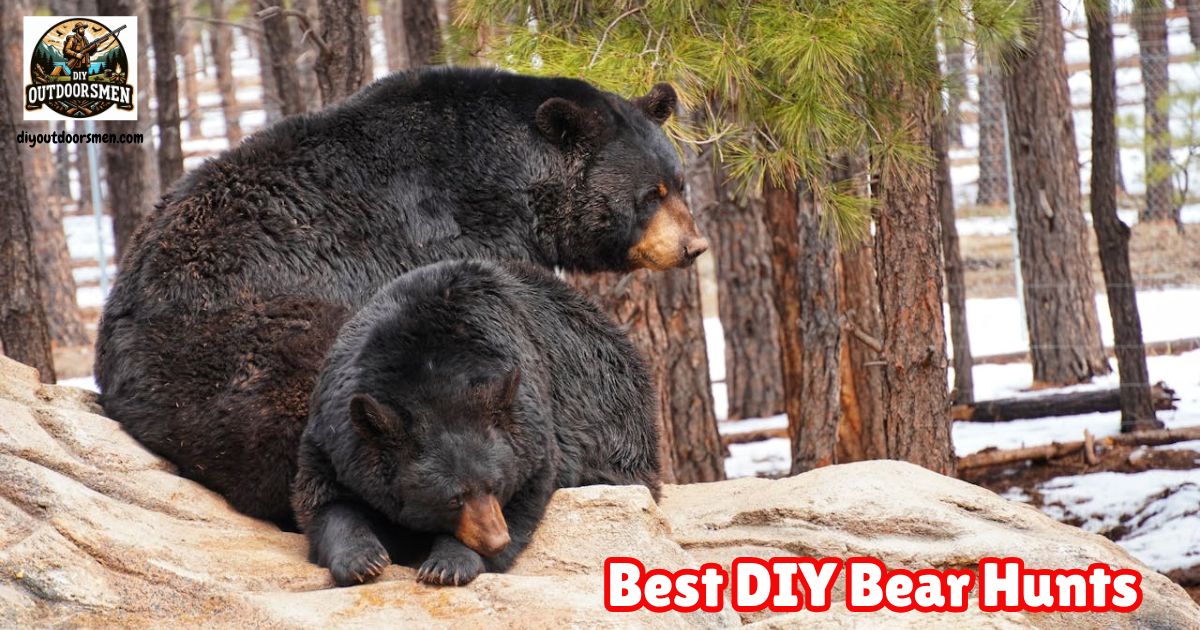
Planning a do-it-yourself bear hunt is one of my favorite ways to get outside, test my skills, and work toward bringing home some wild meat. Bear hunting is not just about tracking a tough animal; it’s also about understanding the land, doing careful scouting, and following the rules for each area.
QUICK LOOK: Top States for DIY Bear Hunting
- Idaho: This state tops my list because you can get an over-the-counter tag, hunt in both spring and fall, and use multiple methods. Public lands are plentiful, and many units allow baiting or even hound hunting (if that interests you). Check the Idaho Fish and Game website for unit-specific rules before you go.
- Montana: Known for classic spot-and-stalk hunts, especially in the rugged western part of the state. Bear numbers are high, and Montana recently brought back hound hunting as well.
- Alaska: Black bear hunting in Alaska is a different world. Most areas have generous bag limits and a chance at big, healthy bears. I usually look at coastal hunts by boat, where you can glass beaches for feeding bears.
- Maine: While big timberland companies own much of the land, many let DIY hunters access their property for a small fee or permit. Early planning and bait site preparation are important in this part of the country.
- Washington: Fall spot and stalk or berry patch hunting is my main interest in northeast Washington. Stevens and Ferry counties are especially known for strong bear populations. Hunters target clearcuts and berry fields when bears are feeding heavily.
For those who enjoy a challenge, DIY bear hunts offer chances to work through wild country on your own terms with a real sense of satisfaction when things come together. Here, I break down the main approaches, places, and gear that can help you set up a successful and legal hunt, even if you’re just getting started or want to try something new.
Key Approaches for DIY Bear Hunting
The two main ways I’ve found to hunt bears successfully on your own are spot and stalk and baiting. Your options depend on the state regulations, the season you’re hunting, and where you want to go. Both strategies rely on scouting, reading sign, and understanding what bears want to eat during that time of year.
Spring Bear Hunts
Spring bear hunting is my go-to choice for a DIY trip in states like Idaho or Montana. Bears come out of hibernation looking for fresh food, and you can focus on two main strategies:
- Spot and Stalk: I look for south-facing slopes or clearcuts where the snow melts early, and new green grasses or flowers grow. These spots attract bears hungry for an easy meal. I use optics to glass open hillsides from a distance, watching for black shapes moving or feeding. The country is often steep and thick, so be ready for difficult hiking.
- Baiting: Where legal, baiting can pull bears in close. I set up bait stations using sweet and fatty foods like pastries, dog food, or even old fryer grease, blending in scents like anise or peppermint to draw their attention. Locking my trail camera deep in the woods helps me keep tabs on what’s visiting while I stay away. Bait should be placed securely and checked regularly to stay within legal limits and leave no mess behind.
Regardless of the method, spring hunts are all about finding that green-up zone where bears go after a long winter nap. Don’t ignore remote meadows that warm up faster than timbered slopes, or the lower edges of avalanche chutes where the first wildflowers and grasses appear in patches. In the mountains, I also keep an eye on old burns, since bears will dig for squirrels and eat new growth there.
Fall Bear Hunts
When autumn rolls around, bears in most regions switch up their habits to focus on packing on calories before winter. I usually head for low-country areas with thick cover or places near food like berries and acorns.
- Berry Patches and Oak Groves: I scout fields of huckleberries, wild plums, or serviceberries. A bear’s fresh scat loaded with purple seeds or tracks in the soft dirt lets me know they’re close. If you find a patch with fresh bear sign just before dusk, that’s a good bet for intercepting one coming in for an evening feed.
- Other Food Sources: Areas near wild apple trees or abandoned orchards can be prime spots. Bears also spend time near springs or creek bottoms for a quick drink and snack, especially if it’s hot early in the fall.
- Baiting in Fall: Some locations allow baiting into the autumn months. As always, sticking to the rules, keeping a clean site, and using natural cover will improve your odds without disturbing local wildlife.
As days get shorter, bears become more active during daylight hours. Their need to put on weight drives them to travel farther, so glassing clearcuts and walking logging roads late in the evening can produce good results. In dry years, I focus closer on water sources, since food and hydration are linked for bear movement.
Essential Tips to Boost Success
A successful DIY bear hunt is rarely just about picking the right spot. Here are some lessons I learned that can save you frustration and increase your odds:
- Scent Control: Bears have a super sense of smell. I wash my clothes in scent-free detergent and always hunt downwind. A whiff of human scent will usually send them the other way.
- Scouting: Checking for fresh tracks, scat, hair on rubbed trees, and claw marks is a big part of my pre-hunt routine. Old logging roads, recent burns, or the edges of food plots all get a look from me.
- Trail Cameras: These little cameras catch what moves when I’m not there. I mount my cameras high to avoid theft or damage and check their memory cards every few days if possible.
- Flexibility: Weather, access, and animal movement change fast. I try not to get stuck on one spot or plan. A good backup or two is really important.
Also, learning to spot bear sign quickly can make or break a hunt. For example, overturned rocks, ripped up logs, or freshly clawed trees signal that a bear has been feeding nearby. Tiny bear prints, especially around water, can also tell you whether sows with cubs are using the area (in which case I move elsewhere).
Top States for a DIY Black Bear Hunt
Some places make it a lot easier for do-it-yourself hunters. I focus on states with solid bear numbers, over-the-counter tags, and lots of accessible public land. Here are a few options based on my experience and public feedback:
- Idaho: This state tops my list because you can get an over-the-counter tag, hunt in both spring and fall, and use multiple methods. Public lands are plentiful, and many units allow baiting or even hound hunting (if that interests you). Check the Idaho Fish and Game website for unit-specific rules before you go.
- Montana: Known for classic spot-and-stalk hunts, especially in the rugged western part of the state. Bear numbers are high, and Montana recently brought back hound hunting as well. I spend a lot of time glassing open country or the edges of timber where bears come out to feed.
- Alaska: Black bear hunting in Alaska is a different world. Most areas have generous bag limits and a chance at big, healthy bears. I usually look at coastal hunts by boat, where you can glass beaches for feeding bears. You need a guide for brown or grizzly bears if you’re not a resident, but black bear hunts are fully accessible for DIYers willing to make the trip. Always double-check tag availability and the latest regulations for your area of interest.
- Maine: If I want an East Coast adventure, Maine gives me lots of opportunities with good numbers. While big timberland companies own much of the land, many let DIY hunters access their property for a small fee or permit. Early planning and bait site preparation are important in this part of the country.
- Washington: Fall spot and stalk or berry patch hunting is my main interest in northeast Washington. Stevens and Ferry counties are especially known for strong bear populations. Hunters target clearcuts and berry fields when bears are feeding heavily.
Don’t overlook Colorado or Oregon as rising stars for bear hunting. Both have increasing populations and, in some places, over-the-counter tags. Regulations can change yearly, so always double-check before starting your plans.
Gear and Planning Basics for DIY Bear Hunts
Getting my gear right matters a lot on a bear hunt. Here’s what I always pack, and why each item helps keep me safe, comfortable, and effective in the field:
- Rifle or Bow: I stick to calibers like .30-06 or .308 for black bears, but a .243 can work with good shot placement. Bowhunters should use broadheads designed for penetration on tough animals.
- Optics: A reliable set of binoculars and, sometimes, a spotting scope helps me spot bears at long distances.
- Trail Cameras and Bait Supplies: These make bait hunts or off-season scouting possible, letting me know which times are most active.
- Scent Control Gear: Scent-free soaps and sprays are important for not tipping off bears before I can even see them.
- Packs, Rope, and Meat Care: After a successful hunt, I always have rope for hanging meat, a sharp knife, heavy-duty game bags, and a basic first aid kit. Some simple gear, like a Thermacell, can also help keep bugs under control, especially in the spring.
- Proper Clothing: The weather shifts fast in bear country. I bring layers, rain gear, boots with ankle support, and a wide-brim hat.
- Communication Devices: In remote areas, I make sure to carry a satellite communicator or, at the very least, a charged cell phone and backup power bank. This is crucial for safety, navigation, and emergencies.
- Mapping Tools: GPS units and offline maps, especially digital apps, keep me on the right property and out of trouble. Paper maps are a backup in case batteries die. Having a small notepad for marking movement or sign found while hiking is handy.
Downsizing my gear for pack-in trips or loading up the truck for a backcountry drive depends on the hunt. Planning for meat care and keeping everything dry pays off later. I also add personal touches like a lightweight tarp for sudden storms or field repairs, and plenty of high-calorie snacks for long hikes.
Crucial Rules and Conservation
Following all hunting regulations is something I take seriously. Every state has its own licensing, tagging, and hunting season rules. Some allow baiting, others ban it outright. Most states post clear guidelines on what is legal, what isn’t, and how to check bears at a local station if you’re successful.
These rules also protect bear populations for future generations, making sure the hunt stays fair and responsible. I always check state wildlife agencies like Idaho Fish and Game or Montana FWP before any trip. For bear hunting, I also do my best to avoid hunting sows with cubs.
If I spot small tracks with an adult, or see cubs trailing a larger bear, I pick up my pack and relocate. This helps avoid accidental orphaning, which is tough for bear populations and reflects poorly on hunters. Clean up your camp thoroughly and follow Leave No Trace principles to keep access open for everyone.
Quick Answers: Frequently Asked Questions About DIY Bear Hunts
People often ask me the same questions before heading out. Here are a few that come up most often:

What’s the best time of year for DIY bear hunting?
I get the most consistent success in spring during green up, but fall hunts around berry patches or acorn groves can also be excellent if you prefer cooler weather or have trouble getting time off earlier.
How do I find good bear habitat without local experience?
I use digital mapping apps like onX Hunt to check land boundaries, access roads, and food sources. Looking for south-facing slopes, recent burns, and areas with plenty of food keeps my scouting efficient.
Can I hunt bears on public land?
Most western states have big chunks of public land open to bear hunting, but boundaries and rules can change. I always double-check land access before setting up a hunt.
What’s the best caliber for black bear hunting?
For black bears, I find that medium calibers like .308 or .30-06 provide reliable knockdown power while offering manageable recoil. Shot placement is crucial, especially with lighter rounds like .243. Bowhunters should use heavy, sharp broadheads meant for deep penetration.
How can I stay safe from other predators or hazards while bear hunting?
I always stay alert to my surroundings, make some noise when moving through thick cover, and keep bear spray or a sidearm handy, especially in grizzly country. Packing a first aid kit, letting someone know my plans, and regularly checking in via text or satellite message keeps things safer, too.
Why I Think DIY Bear Hunts Are Worth the Effort
Hunting black bears on a DIY adventure brings real excitement, hard work, and memories that last. Each trip challenges me to learn new areas, adjust strategies, and become more self-reliant. The freedom to choose my own campsites, scout the wild, and see sign firsthand is what keeps me coming back.
With good research, fresh batteries for my trail cams, and flexible plans for each adventure, I keep finding new reasons to go back every season. Bottom line: if you want to dig into wild country and hunt an impressive animal on your own terms, taking up DIY bear hunting will step up your outdoor skills and leave you with stories you’ll be proud to share for years to come.
Most Recent Articles:
- Off-road Vehicle Recovery Techniques
- Electric Vs. Manual Game Calls and Which Works Better?
- Comparing All-Terrain UTV Winches For Remote Hunting Access
- How To Create Wildlife Bait From Kitchen Scraps

- Reliable Trail Camera Rigs For Hunters On A Tight Budget
- Suburban Bowhunting Tips
As always, stay safe, enjoy the journey, and please try to leave it cleaner than you found it. If you have any comments, questions, ideas, or suggestions, please leave them in the comment section below, and I’ll get back to you ASAP. You can follow us on YouTube: Man Art Creations for videos of our DIY Adventures.
P.S. Thanks so much for checking out our blog; we really appreciate it. Just so you know, we may receive a commission if you click on some of the links that appear on our site. This helps us keep our content free and up-to-date for everyone. We appreciate your support!