
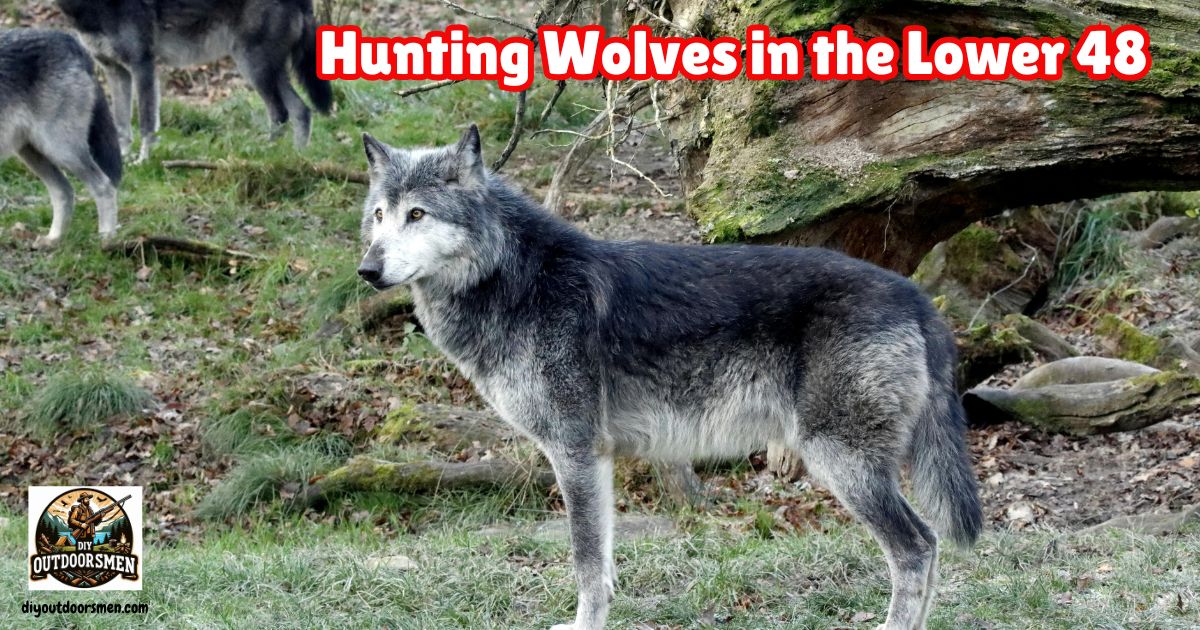
Wolf hunting in the lower 48 states of the United States draws plenty of attention and debate. For those interested in the experience, clear information is really important. Across the region, wolf management and hunting vary by state, with Idaho, Montana, and Wyoming rising as the main destinations for legal hunting opportunities. I want to help you understand where and how to pursue wolves ethically and within state rules.
QUICK LOOK: Tips for Wolf Hunting Success
- Scout with trail cameras or talk to local hunters. Wolves travel at night and are hard to spot during the day, but tracks and camera images can help pinpoint activity. Checking in with local trappers or outfitters for up-to-date sign or patterns is a valuable resource.
- Be ready for long hikes, snowshoeing, or time in the cold. Good cardiovascular shape, proper winter clothing, and perseverance really pay off in wolf country. Study the terrain with mapping apps or public land overlays before heading in, so you can move efficiently without getting lost.
- Know your calling skills. Practice using predator calls or hand howls to sound convincing to wary wolves. Learning the timing—wolves answer calls best in low light or during breeding season—improves your odds.
- Bring the right optics. Spotting scopes make a difference in open country, while binoculars help you sort out wolves from coyotes at a distance. Quality glass is crucial when covering big landscapes.
- Keep an open mind and flexible schedule. Wolves are unpredictable, so giving yourself extra days and the ability to move camp or switch methods midhunt can be the key to success.
Top States for Wolf Hunting in the Lower 48
Wolf populations have bounced back in parts of the lower 48, leading some states to open up regulated hunting. The most established options today are in Idaho, Montana, and Wyoming. Each state has different rules, seasons, and management approaches. I’ll break down what to expect in each place so you can choose the one that matches your plan.
- Idaho: Idaho leads in wolf hunting access. Hunting seasons often run from late summer through early summer on public land; private land offers year-round opportunities. Wolf populations are strong, and the state encourages hunters to help with management through liberal bag limits and the option to trap as well as hunt.
- Montana: Montana offers hunting from mid-September to mid-March, including specific periods for archery. Quotas can be high, and the northwest part of the state offers guided hunts with good success rates. I see Montana as a solid pick for combination hunts with other species like elk or mountain lion.
- Wyoming: Wolves are managed differently across Wyoming. In some areas, they are “trophy game,” meaning they can be hunted during a strict season (October to February) with a tag. In the rest of the state, they’re classified as “predatory animals,” and hunters can take them anytime without a license. Always check maps and current regulations, since the boundaries change and rules update every year.
Key Factors to Know Before Planning a Wolf Hunt
I always remind anyone interested in wolf hunting in these states to check regulations each year, as management plans and legal rulings switch up often. States set different rules for bag limits, equipment, tag fees, and where hunting is legal.
- Regulations and Licensing: State Fish & Game departments update wolf hunting rules as populations change or court decisions come in. These updates might affect license costs, quotas, and seasons, so checking each state’s agency website before you plan is smart.
- Hunting Units: Management units or hunt districts organize the land by population numbers and goals. Limits and open dates can be different in each area. Careful research helps buyers make informed decisions on what tags to buy and when to plan a trip.
- Trapping vs. Hunting: In Idaho and Montana, both hunting and trapping are allowed, but you need proper education courses or permits for trapping. Many successful wolf removals actually happen by trapping rather than hunting, especially in winter.
- Predator vs. Trophy Game: How a wolf is classified by the state affects what kind of license you need, bag limits, and seasons. Wyoming is famous for dividing the state, so checking current maps is really important.
Popular Wolf Hunting Methods
Wolf hunting calls for a mix of patience, skill, and sometimes luck. Wolves are wary and tough to spot, making successful hunts truly memorable. A few hunting strategies stand out as most effective in the Northern Rockies:
- Calling: Using howls or prey distress sounds to mimic wolf pack activity or an animal in distress. Wolves often respond during the breeding season or when packs are defending territory. I’ve found this works best in winter, when wolves are more vocal.
- Sitting Over Bait: Legal in some areas. Guides sometimes use bait during winter, which can bring wolves within range after lots of waiting.
- Combination Hunts: Many hunters add a wolf tag to a bear, elk, or mountain lion hunt. Sometimes, hunters run into wolves while pursuing other animals, giving them a chance at a bonus trophy.
- Trapping: Especially popular in Idaho and Montana, where traps are effective from December through February. Trapping calls for extra skill and gear, but you don’t have to sit and watch the set, making it a practical option for many trappers.
Why the Northern Rockies Offer the Best Opportunities
Idaho, Montana, and Wyoming have the most accessible and robust wolf populations in America outside Alaska. Much of that comes from careful recovery efforts and ongoing management that balances livestock protection, ecosystem health, and public opportunity.
These states also offer big wild places and strong outdoor traditions. Places like the Frank Church Wilderness in Idaho or the Absaroka Beartooth in Montana are famous for feeling truly wild. Wolves tend to roam areas with little human presence, so hunters should be ready for remote hikes and variable weather.
Because these regions hold both agricultural and vast public lands, management approaches stay flexible, sometimes changing as needed to fit livestock pressures and local politics. It’s worth noting that the relatively low hunting pressure in parts of these states compared to other big game species helps keep wolf populations resilient.
This means hunters need determination and solid woodsmanship skills to succeed, but it also creates chances for those seeking a true wilderness adventure. Be prepared to encounter spectacular landscapes and possibly other wildlife species like mountain goats, bighorn sheep, or grizzly bears during your hunt—just another factor that makes hunting in these areas special.
Challenges and Rewards of Hunting Wolves
Wolf hunting is physically and mentally demanding. Wolves travel long distances and live in places many other hunters avoid. Their wariness means you often cover a lot of ground to even spot fresh sign.
- Weather and Terrain: Wolf country stretches from open valleys to steep, snowy mountains. Deep snow, cold, and frozen rivers can make travel slow and difficult in winter. Good boots, solid navigation gear, and planning are key to a safe hunt.
- Population Uncertainty: Wolves move a lot, and packs can switch territories with little warning. Today’s hotspot might be empty by the time you arrive. Trail cameras and local scouting reports can improve your odds.
- Legal and Public Opinion: Because wolf management is so controversial, staying up to date on laws and being discreet is something I always recommend. Some areas see protests or changes in access with little notice, and learning about local attitudes can help plan your hunt if you want to avoid conflict or find likely wolf locations.
On the upside, taking part in wolf management supports the balance between big game herds, predators, and local landowners. For many, the reward of even seeing a wild wolf—let alone harvesting one legally—feels like a huge accomplishment. The sense of accomplishment comes not just from the harvest but from meeting the challenge head-on in rugged landscapes and tough weather.
What Wolf Hunting Costs in the Lower 48 (2026)
Costs for hunting wolves vary based on where you go and if you use an outfitter. Many hunters find that tags are low-cost add-ons to other hunts, but dedicated wolf hunts with guides are also available. Here’s what I’m seeing currently:
- Idaho: Non-resident tags run roughly $31.75, with season-long opportunities available. Guided hunts can cost $4,000–$5,500 for a week, with options to add wolf tags to elk or bear trips for $1,000–$1,500 extra. Check Idaho Fish & Game for details.
- Montana: Non-residents can add a wolf license for about $25–$50 when buying another big game tag. Dedicated wolf hunts with outfitters often fall in the $3,500–$5,000 range and focus on remote northern areas. Up-to-date info is on the Montana FWP hunting page.
- Wyoming: Trophy game zones use draw systems, and tags are more limited. Non-resident tags cost more than $180, while predatory zones don’t require tags but may have land access costs. Outfitters operating near Yellowstone and the Wind River offer full-service hunts with variable pricing. Licensing updates and maps are at Wyoming Game and Fish.
Remember that these prices can change quickly with new legislation or changes in wolf populations, so it’s important to check the latest details. Also, while outfitted hunts can seem pricey, you’re often paying for specialized knowledge, transportation, and a higher chance at a successful hunt, especially if you’re not local.
Tips and Best Practices for Success
Getting ready for a wolf hunt calls for research, determination, and respect for the resource. Here are some practical steps that help improve your hunt:
- Scout with trail cameras or talk to local hunters. Wolves travel at night and are hard to spot during the day, but tracks and camera images can help pinpoint activity. Checking in with local trappers or outfitters for up-to-date sign or patterns is a valuable resource.
- Be ready for long hikes, snowshoeing, or time in the cold. Good cardiovascular shape, proper winter clothing, and perseverance really pay off in wolf country. Study the terrain with mapping apps or public land overlays before heading in, so you can move efficiently without getting lost.
- Know your calling skills. Practice using predator calls or hand howls to sound convincing to wary wolves. Learning the timing—wolves answer calls best in low light or during breeding season—improves your odds.
- Bring the right optics. Spotting scopes make a difference in open country, while binoculars help you sort out wolves from coyotes at a distance. Quality glass is crucial when covering big landscapes.
- Keep an open mind and flexible schedule. Wolves are unpredictable, so giving yourself extra days and the ability to move camp or switch methods midhunt can be the key to success.
Frequently Asked Questions
I get asked a lot about wolf hunting by beginners and experienced hunters alike. Here are some of the most common questions with clear, simple answers.
Can anyone hunt wolves in Idaho, Montana, and Wyoming?
Residents and non-residents can hunt wolves, but you need to buy the right license and follow all state hunter education requirements. Some areas have quotas that close fast, so always check before traveling.
Do I need special training to trap wolves?
Yes, most states require a wolf trapping course and sometimes a test before you can buy a trapping permit. Details are found on each game agency’s website.
Are wolves dangerous to hunt?
Wolves usually avoid humans, but always treat wild animals with caution. The real risk comes from the harsh environment and cold conditions. Good planning goes a long way toward keeping hunts safe.
Final Thoughts on Wolf Hunting in the Lower 48
Wolf hunting is quite an adventure, loaded with both reward and challenge. Whether you aim to tag a wolf as a bonus on your elk trip or plan a dedicated hunt, Idaho, Montana, and Wyoming offer options found nowhere else in the lower 48. Careful planning, a good understanding of state rules, and a deep respect for this wild predator can make for a hunt you’ll remember for years.
If you decide to take on this hunt, double-check the latest updates from each state, consider talking with an outfitter, and prepare for some serious time outdoors in beautiful, rugged country. Good luck in your search for one of North America’s most elusive animals!
Most Recent Articles:
- Off-road Vehicle Recovery Techniques

- Electric Vs. Manual Game Calls and Which Works Better?

- Comparing All-Terrain UTV Winches For Remote Hunting Access

- How To Create Wildlife Bait From Kitchen Scraps

- Reliable Trail Camera Rigs For Hunters On A Tight Budget
- Suburban Bowhunting Tips

As always, stay safe, enjoy the journey, and please try to leave it cleaner than you found it. If you have any comments, questions, ideas, or suggestions, please leave them in the comment section below, and I’ll get back to you ASAP. You can follow us on YouTube: Man Art Creations for videos of our DIY Adventures.
P.S. Thanks so much for checking out our blog; we really appreciate it. Just so you know, we may receive a commission if you click on some of the links that appear on our site. This helps us keep our content free and up-to-date for everyone. We appreciate your support!