
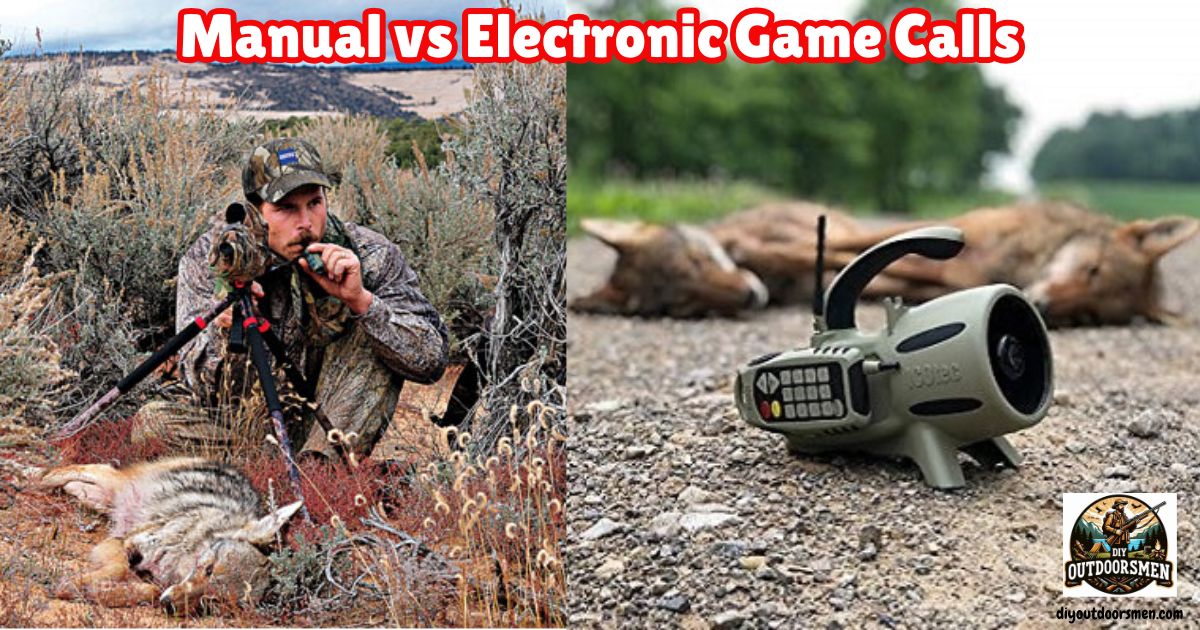
When I’m out hunting, picking the right game call, electric or manual, can make a big difference in how successful my day turns out. Game calls are devices hunters use to mimic animal sounds to attract specific species.
While electric (often called ecallers) and manual (mouth or hand calls) both have loyal fans, I’ve learned that the best approach often comes down to the game I’m after, the terrain, and my own skill level. In this article, I’ll break down what you need to know about both types, what makes each one work well, and how combining them can help you hit more targets.
Choosing Between Electric and Manual Game Calls
The choice between electric and manual game calls depends on a few key factors. These include the game you’re hunting, how much experience you have, and the types of places you hunt. Electric game calls work really well for predator hunting, especially if you want to keep animals looking away from you by projecting sounds up to 50 yards from your position.
I find this super helpful when coyotes or foxes are in open areas and tend to circle downwind. On windy days when I need more volume, I can count on my electric caller to carry sounds farther than I ever could by hand or mouth. Manual calls, on the other hand, really shine when you need a more lifelike sound.
Because I’m able to add subtle changes in pitch, emotion, or rhythm, manual calls are my go-to when animals have become cautious after hearing too many electronic sounds. Experienced hunters often use them for those final touches that convince a wary animal to close the distance.
Combining Calls and Why the “Tag-Team” Approach Works
Many experienced hunters I know use both electric and manual calls together to give themselves a boost. For example, I’ll often use an electric caller with a loud distress sound to pull animals out of thick cover or from long distances.
Once the animal is close, I switch to a mouth call for softer, more realistic sounds to get that final response or stop them for a shot. This method keeps things flexible and lets me respond quickly to changing situations, especially if I need to make quick adjustments without fumbling with a remote control.
Before buying or using an electric caller, it’s really important to check your local hunting rules. Some states don’t allow electronics for certain animals, like deer or turkey. Knowing the regulations avoids problems and fines down the road. The main takeaway I’ve found is that neither type is always “better.” Each one works really well in some situations and less so in others. Using both fills in the gaps, giving me more ways to keep animals guessing.
How Effectiveness Changes by Situation
The most effective type of game call depends on several things:
- Species: Predators, like coyotes or foxes, respond well to electric calls, while deer and turkeys might require a softer approach.
- Terrain: In open areas, electric calls are tough to beat for their range. In brush or woods, manual calls can be more useful.
- Game Pressure: Animals that have heard lots of calls before (often called “educated” or “call-shy”) may respond more to manual calls with unique, less repetitive sounds.
- Your Skill: If you’re experienced with manual calls, you can add inflection and emotion, fooling even the most cautious game. But electric calls can make life easier for newer hunters.
- Movement Limits: Some setups require you to stay totally still. Manual calls can give you away with hand or mouth movement, but electric calls can be operated remotely.
Most pros I’ve talked with agree that mixing both electric and manual calls increases your odds of success, because you get the volume, reach, and flexibility of an ecaller with the fine control and realism of manual calls.
Electric Game Calls: What Works Well and Where They Fall Short
Electric game calls use prerecorded sounds, and typically, you can switch noises with a remote. Here’s where they work for me and where they can let me down:
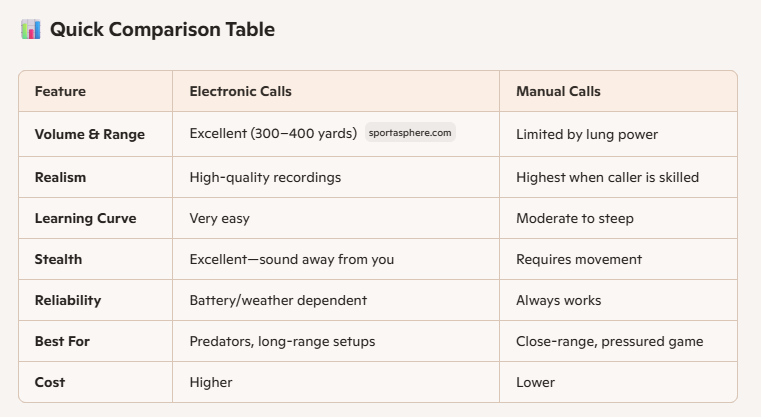
- Range: My electric calls can reach 300 to 400 yards in open country, letting me reach distant, hidden animals.
- Hands Free: Placing the caller away from where I sit means the animal’s focus on the sound and not on me.
- Consistency: Each push of the button gives me the same high-quality distress or predator call every time, which is great when I need to repeat a certain sound.
- Sound Library: I’ve collected dozens of sounds for almost any animal I’m after, from jackrabbit distress to gobbler yelps.
Electric calls are perfect for beginners who may not have the skill or confidence with mouth calls yet. But they come with some tradeoffs:
- If my batteries die (especially in cold or wet weather), the device is useless.
- Some game animals start to recognize overused digital sounds and avoid them.
- I can’t add the same nuance, “emotion,” or quick changes as I can with a manual call.
- Electric callers are a bit heavier and bulkier to carry.
One extra tip: keep your electronic calls protected from moisture and debris, especially when crossing creeks or in rainy weather. Even the best ecallers can short out if water gets inside, so storing them in a waterproof pouch can save you frustration in the field and make sure your gear lasts longer.
The Strengths and Limits of Manual Calls
Manual game calls include mouth calls, hand calls, diaphragm calls, or other types you blow into or operate by hand. Here are some things I really like about them:
- I have total control over volume, pitch, and rhythm, which lets me sound very lifelike in the field.
- Manual calls are small, light, and don’t need batteries or electronics.
- I can switch between sounds quickly, even layering several types if I want to make my calling more realistic.
- Manual calls always work, even in freezing cold or heavy rain.
But manual calls can be tricky if you’re just starting out:
- They take practice to master; using a diaphragm call, for example, isn’t instinctive for most people.
- Any movement with your hands or face might catch the eye of a wary animal.
- Making long, loud calling sequences can be tiring.
- You’re limited by your own lung power and skill when you need more volume.
If you’re keen to improve with manual calls, spend time listening to wild animals and try to copy their real-life sounds. Practicing with friends can help you spot bad habits and get a sense of realism, which will pay off big-time in the woods.
Best Strategy to Get the Most Out of Both Types of Calls
I get the best results blending both electric and manual calls in my setups. For example, during a coyote hunt, I might run my ecaller 40 yards away with a loud rabbit distress. Once a coyote shows up, I switch to my mouth call to add a few soft whimpers or barks.
This gives the illusion of multiple animals or a natural situation, which has helped me get more committed responses from predators, pressured turkeys, or even deer during the rut. This approach also helps keep things fresh for animals that have become cautious due to heavy local hunting pressure. Over time, this method has made my hunting adventures more versatile and helped me adapt to whatever the day throws at me.
Texas and Similar Conditions: What Works in Thick Brush and Wind
I hunt in a mix of brush, senderos, and coastal flats, and I deal with a lot of wind. Here’s what’s worked for me:
- Electric Calls: Perfect for predators like coyotes in open spaces. The volume cuts through wind, and I can control the call remotely. They also work well if I’m hunting alone and want to keep the sound away from me to avoid detection.
- Manual Calls: Ideal in thick brush or wooded areas where animals might pop out at close range with little notice. They are also super useful as “finishing” calls or for game that might already recognize popular electric sounds.
- Turkey Hunts: Turkeys often need a soft touch, and those subtle manual yelps or clucks can convince a gobbler that’s hung up just out of range.
If you’re hunting in places with lots of brush or unpredictable wind, adaptability is key. Carrying both types of calls ensures I always have the right tool for fast-changing conditions, especially during peak hunting seasons when game animals are on high alert.
Frequently Asked Questions
Are electric game calls legal everywhere?
Some states or regions ban electric calls for certain species, especially big game or turkeys. Always check your state’s hunting regulations before using one. Calling your local wildlife office if you’re not sure is never a bad idea.
Which type is better for beginners?
Electric calls can be easier for new hunters because you just press a button for a realistic sound. However, learning manual calls gives you more flexibility and control as you build experience. Practicing manual calls also connects you more directly with the natural world and helps build your skills for many kinds of hunting.
What’s the main reason to use both together?
Using both electric and manual calls covers more ground. The electric call brings animals in, and the manual call lets you seal the deal with lifelike, nuanced sounds at the final moment. This method can catch even call-shy animals off guard, giving you more chances when it matters most.
Wrapping Up on Manual vs. Electronic Game Calls
The smartest approach I’ve found isn’t picking just one call; it’s learning the strengths of both and using them together. Electric calls can lure game from a distance, especially in loud or open country. Manual calls add those tiny details that fool wary animals close up.
Careful use of both makes my hunts smoother, more interesting, and often more successful. If you take the time to practice, keep your gear ready, and mix up your calling tools, you’ll find more success in the field and enjoy the adventure even more.
Most Recent Articles:
- Off-road Vehicle Recovery Techniques

- Electric Vs. Manual Game Calls and Which Works Better?
- Comparing All-Terrain UTV Winches For Remote Hunting Access
- How To Create Wildlife Bait From Kitchen Scraps

- Reliable Trail Camera Rigs For Hunters On A Tight Budget

- Suburban Bowhunting Tips

As always, stay safe, enjoy the journey, and please try to leave it cleaner than you found it. If you have any comments, questions, ideas, or suggestions, please leave them in the comment section below, and I’ll get back to you ASAP. You can follow us on YouTube: Man Art Creations for videos of our DIY Adventures.
P.S. Thanks so much for checking out our blog; we really appreciate it. Just so you know, we may receive a commission if you click on some of the links that appear on our site. This helps us keep our content free and up-to-date for everyone. We appreciate your support!