
Contents
- 1 Best Predator Calls for Beginners
- 2 How to Choose a Beginner Predator Call
- 3 Getting Started: My First Sessions in the Field
- 4 Top Electronic Calls for Beginners
- 5 Top Hand and Mouth Calls for Beginners
- 6 What to Look For in Predator Calls
- 7 Beginner Tips for Successful Predator Calling
- 8 Common Beginner Questions Answered
- 9 Where Beginner Predator Calls Fit Into the Outdoors Experience
Calling predators is a fun way to get started in hunting, and for a beginner, finding the right predator call can make all the difference. When I started, facing all the choices felt overwhelming, but I quickly learned that simple, reliable calls help you get results with less frustration. So, here I’m breaking down my top picks and giving you what I wish I knew on day one.
Best Predator Calls for Beginners
Getting into predator calling means picking between electronic calls and mouth (hand) calls. Each has strengths, but for someone new, the goal is to choose calls that make it easy to create realistic animal distress sounds without much trial and error. The following calls are perfect for first-timers:
QUICK LOOK:
- Primos Dogg Catcher 2 (Electronic): This compact call is extremely straightforward, has preloaded sounds, and lets you play two sounds at once. It’s light, so I take it just about everywhere. It covers the basics without overcomplicating things and is a favorite among newcomers who want an electronic call that works right out of the box.
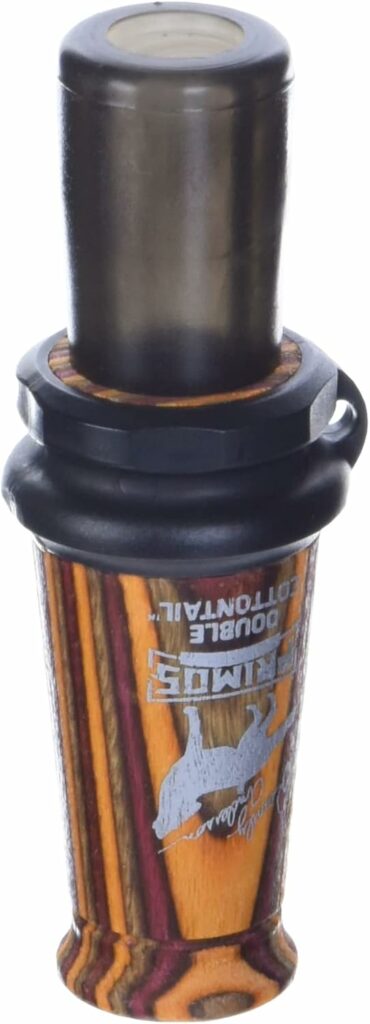
- Primos Double Cottontail (Hand): This closed-reed call imitates a distressed rabbit, which is a go-to for attracting coyotes and foxes. The ease of blowing this call means you get effective sound with almost no learning curve.
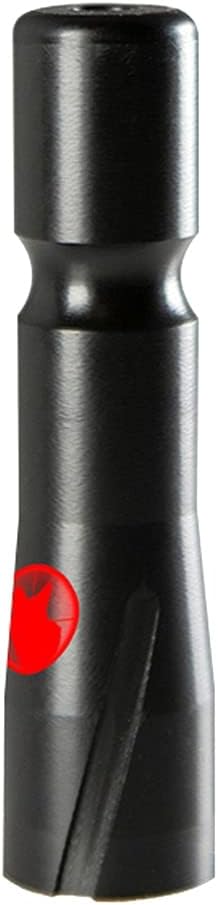
- Predator Tactics Hare Horn (Hand): Also a closed-reed call, it is simple to use and gives a raspy rabbit distress that works well for a range of predators. If you don’t want to worry about fussing with reeds, this call has you covered.
- Rocky Mountain Calls Dawg Gone (Hand): This one stands out because of its lip positioner, which helps you get your mouth in the right spot for good sound. It offers the versatility to mimic rabbit and even young deer distress, broadening your appeal to coyotes and bobcats.
How to Choose a Beginner Predator Call
The main things I look for in a beginner call are ease of use and realistic sounds. For electronic calls, I want a straightforward design and buttons you can figure out fast. For mouth calls, I look for those that don’t take too much practice to sound convincing.
- User-friendly, tried-and-true Design: Big, clearly marked buttons and simple on/off for electronics, or a reed and barrel that don’t take a perfect technique on mouth calls.
- Essential Distress Sounds: The top calls come loaded with, or can easily produce, tried-and-true rabbit, mouse, and bird distress calls; these are effective for most common predators.
- Versatility: A good starter call can cover multiple animals without needing a whole pouch of calls. Something that works for coyotes, foxes, or bobcats keeps things simple.
- Electronic Advantages: Electronic calls play prerecorded sounds at varying volumes, and let you set the source of the sound away from you to focus on aiming or observation.
Getting Started: My First Sessions in the Field
When I kicked off predator calling, I made the mistake of trying to do too much at once. I recommend starting with one or two calls and working on making your sounds as convincing as possible. I began with a closed-reed hand call and a basic electronic call. I quickly found that simpler was better. If you’re heading out for your first few sessions, here’s what I wish someone had told me from the start:
- Start with Distress Calls: A rabbit in distress will get the attention of coyotes, foxes, and bobcats. I start every session with this because it works across most situations, and even seasoned hunters use rabbit-in-distress as their opening move.
- Low to Medium Volume: I used to blast my calls; now I begin at a low volume and only increase if nothing responds. Sounding natural keeps predators from getting spooked or suspicious.
- Practice Makes a Difference: Spending even five minutes at home making calls helped me sound more realistic outside. Consistency matters more than complicated runs or switching up calls too often. Recording and listening back to yourself is another great way to improve quickly.
Top Electronic Calls for Beginners
If you want the easiest introduction, go electronic. I recommend the Primos Dogg Catcher 2 because it’s not loaded with more features than you need. You press one button to start and another to change the call. You can set it 20 to 30 yards out. This helps steer those sharp-eyed coyotes away from your position.
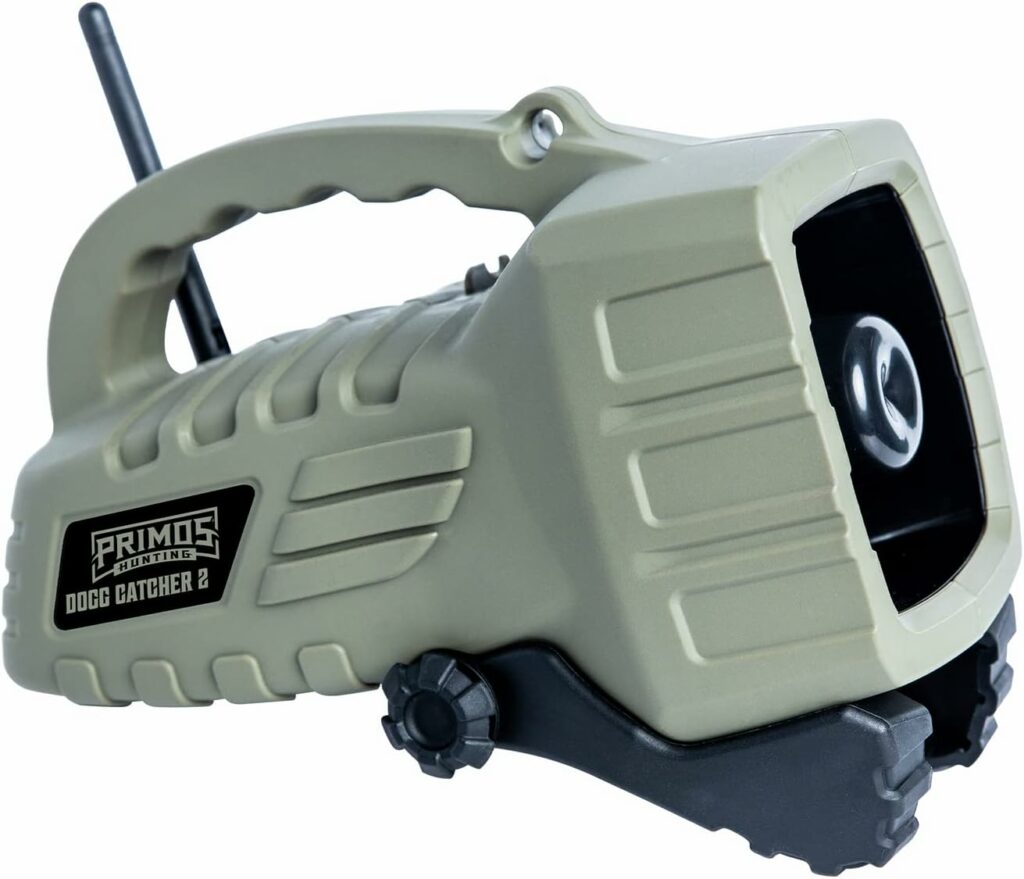
My early trips using this model built a lot of confidence because I didn’t spend time fiddling with settings. I just pressed and called. The compact build and clear sound quality meant I could focus on reading the terrain instead of reading an instruction manual.
This let me really enjoy those quiet moments in the field without feeling overwhelmed by gear. Most entry-level electronic calls will cover you with 10 to 12 sounds.
That is more than enough for learning and keeps your focus on placement and patience instead of scrolling through hundreds of sounds. As you gain more experience, you might want extra features like remote controls or custom sound libraries, but for most beginners, simple is best.
Top Hand and Mouth Calls for Beginners
Mouth calls are portable and never need batteries. I started with a simple closed-reed call and found it handy for quick setups. A pair like the Primos Double Cottontail and the Predator Tactics Hare Horn gives you great coverage for little money.
These calls are super reliable, easy to clean, and, since they’re so small, you can keep a backup in your pocket. Practicing mouth calls at home is also a great way to hone your skills in your downtime, especially if you want to get a feel for different pitches and cadences that might suit different situations.
Openreed calls like the Rocky Mountain Dawg Gone offer more control but take some getting used to. The lip positioner made it much easier for me to learn, and I enjoyed experimenting with different sounds as I improved.
If you eventually want to get into calling coyotes with howls or mimicking multiple species, an open-reed call is a great next step. Until you’re ready to switch things up, the closedreed options will be more forgiving when you’re learning.
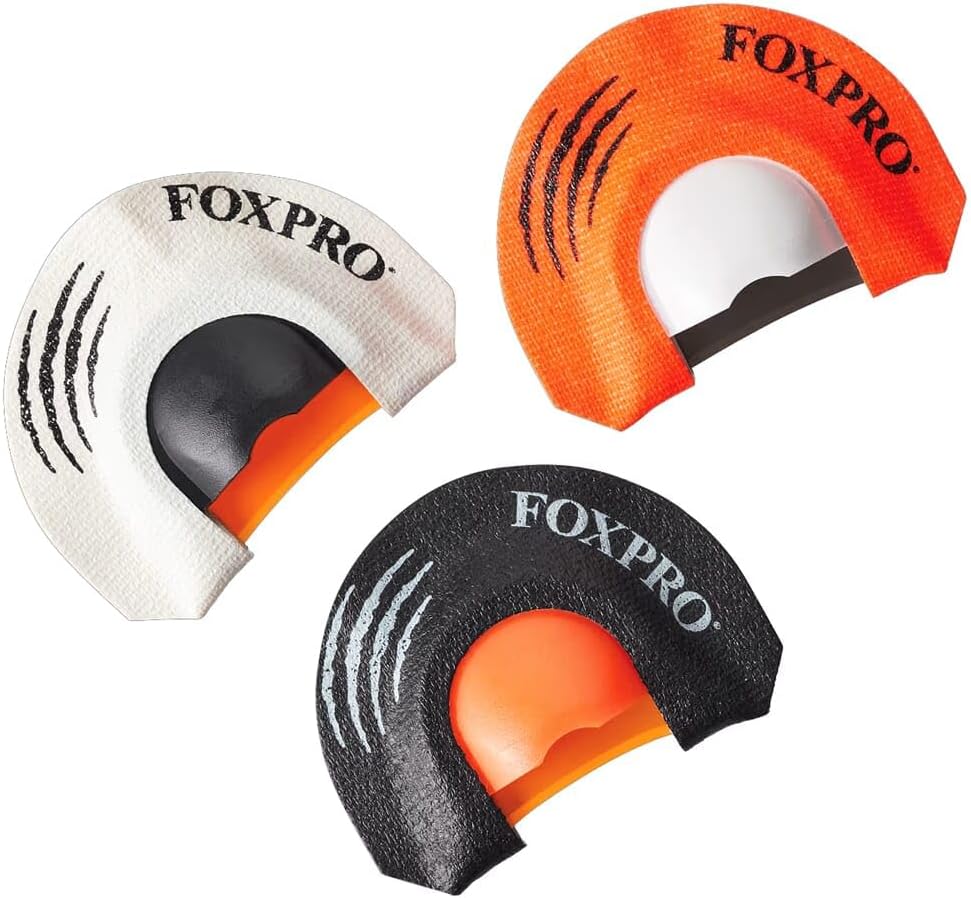
Diaphragm calls are the next step once you’re comfortable. The FOXPRO Young Gun Howler is softer and easier to blow compared to many others. It’s a nice intro to coyote vocalizations without straining your voice or getting frustrated by reeds sticking.
Once you get a feel for diaphragm calls, you’ll unlock a whole new range of sounds and wildlife responses in the field. Don’t rush it—let your confidence with hand calls guide your move to the diaphragm style.
What to Look For in Predator Calls
- Sound Quality: A call with natural, raspy distress tones will stand out more than something tinny or too harsh. I’ve found this to play a big role in getting predators to come in rather than hang up at a distance. In side-by-side tests, the calls with lively, realistic sounds consistently performed better than dull or mechanical ones.
- Durability: Calls get tossed in packs, left in pockets, and sometimes dropped. My first Primos call lasted years because the case and reed were solid, and I think that’s really important to avoid surprises in the field. Choose designs made with quality materials, so you’re not dealing with broken calls at the worst times.
- Affordability: You don’t need to spend a lot to be successful. My best results as a beginner came with calls under $80, and sometimes under $20. Try one or two before building a collection. As you learn what fits your needs, you can slowly add more specialized calls to your setup.
- Instructions and Resources: Many modern calls come with video tutorials or QR codes for how-to guides. Take a look at these. My calling improved a lot by following along with these short instructions from the manufacturer or watching quick demonstration videos online. It’s an easy way to boost your confidence and speed up the learning curve from home.
Beginner Tips for Successful Predator Calling
- Start with Low Volume: I almost always start quietly, giving any nearby predators a chance to respond before making things louder. Playing it safe at lower volumes first helps avoid spooking game hiding just out of sight—something that happens more often than you’d think.
- Add Movement: Pairing a decoy (like a spring-loaded tail wiggler) with your call can really help trick predators into coming closer. Even the cheapest moving decoys add some realism to your setup, increasing your odds of pulling a wary predator all the way in for a shot or a photo.
- Hunt at Dawn or Dusk: Most predators are most active early and late. My best days have always been within a couple of hours after sunrise or before dark. Consider planning your trips around those times, especially when learning, so you maximize your chances right from the beginning.
- Get Up Off the Ground: Placing your electronic caller on a log or rock, or even using a small tripod, helps boost sound range and keeps the call clear. Elevating your calls means fewer obstacles for the sound to travel through and less splashback that might alert approaching animals to your exact spot.
Common Beginner Questions Answered
How many calls do I really need?
Start with one electronic or one hand call. If you want to add options, I’d get a closedreed rabbit distress, and maybe a coyote pup call later. Fewer calls means less confusion in the moment and lets you perfect the basics before adding variety.
Will hand calls scare animals if I sound bad?
Not usually. Just keep your sounds short and sharp. Focus on being consistent,t and the more you practice at home, the more natural you’ll sound in the field. Even novice calls are often more realistic than you think, so don’t get discouraged by early mistakes.
Are expensive calls worth it for a beginner?
For starters, go affordable. The difference is negligible for early success. I only recommend upgrading once you outgrow your first call and want specific features. Your focus should be on field craft, learning patterns, and understanding animal reactions—not on having the flashiest gear from day one.
What if nothing comes in?
Try changing your location, using cover, and making less noise as you approach. Sometimes, it just means there weren’t animals nearby. I’ve had dry sits and great runs; keep going out and adjusting your tactics. It often takes several tries to get consistent action, so treat each outing as a learning experience—even if you don’t see any animals.
Where Beginner Predator Calls Fit Into the Outdoors Experience
Choosing the right beginner predator call can open up a whole new dimension to hunting or wildlife watching. Using a straightforward call helps you focus on learning wind, movement, and animal behavior instead of fiddling with complicated gadgets.
For me, a reliable beginner call gave me the confidence I needed to get comfortable outdoors. Over time, I added more calls and experimented with new techniques. But those first days with a simple distress call taught me the basics I still rely on.
If you want to get into predator hunting or observe wildlife more closely, starting with simple, forgiving calls lets you focus on what really matters—enjoying the experience and learning from nature each time you’re out in the field.
Most Recent Articles:
- Communication In Remote Hunting Areas With No Cell Service
- Eberlestock Backpacks: Customizing Your DIY Hunting Loadout
- DIY Weekend Warrior Hunting Trips

- Leupold’s Precision Scopes: Elevating DIY Hunting Accuracy
- Without a GPS Signal How do You Navigate Backcountry Trails?

- Vortex Optics Essentials: Hunting Scope Guide For The Serious Outdoorsman
As always, stay safe, enjoy the journey, and please try to leave it cleaner than you found it. If you have any comments, questions, ideas, or suggestions, please leave them in the comment section below, and I’ll get back to you ASAP. You can follow us on YouTube: Man Art Creations for videos of our DIY Adventures.
P.S. Thanks so much for checking out our blog; we really appreciate it. Just so you know, we may receive a commission if you click on some of the links that appear on our site. This helps us keep our content free and up-to-date for everyone. We appreciate your support!