Contents
- 1 Understanding Rooftop Tent Types
- 2 Top Rooftop Tents by Category for 2026
- 3 What I Look For in a Rooftop Tent
- 4 New and Interesting RTTs for 2026
- 5 Best Hard Shell Rooftop Tents for Overlanders
- 6 Best Soft Shell and Hybrid Rooftop Tents
- 7 Frequently Asked Questions
- 8 Key Challenges and How I Handle Them
- 9 How Rooftop Tents Improve My Overlanding Travel
- 10 Getting Started with Your First RTT
Choosing the best rooftop tent for overlanding makes my trips smoother, safer, and more comfortable. Whether I’m heading deep into the backcountry or setting up at a trailhead overnight, a reliable rooftop tent (RTT) has changed how I camp.
QUICK LOOK: Features to Consider When Choosing a RTT
- Setup Speed: If I plan to move camp each day, quick setup and takedown save me a lot of time. Hard shells are particularly efficient here, with some models ready in under a minute, which really matters if the weather changes suddenly.
- Weather Protection: I need my tent to keep me dry and comfortable even if the weather turns fast. UV-resistant shells, waterproof fabrics, and tight seals give a boost to interior comfort. Look for models with rainfly vents and storm flaps for extra security in unpredictable weather.
- Weight and Compatibility: Checking my vehicle’s dynamic (driving) and static (parked) weight limits is super important. I compare RTT weights and recommend lightweight options for smaller crossovers or sedans. Don’t forget to include the weight of ladders and mounting brackets in your sums.
- Interior Comfort: A thick mattress and good ventilation make a huge difference, especially on multi-day trips. Some RTTs now include upgraded foam mattresses and built-in USB lights for next-level cool comfort and convenience.
- Durability: Heavy-duty hinges, rust-resistant hardware, and strong support poles stand up better to frequent use. Mold-resistant fabric also means the tent lasts longer in all seasons. Tents designed for rougher offroading usually have more robust frames and thicker bases, which add to overall resilience.
With so many new designs for 2026, deciding between a hard shell or soft shell, compact or spacious models, can get overwhelming. So, I’m sharing my experience and research to highlight the tents that make overland adventures better, no matter the vehicle or weather.
Understanding Rooftop Tent Types
When I compare RTTs, I see two main types: hard shell and soft shell. Each has its own advantages, and knowing what fits my camping style is really important.
- Hard Shell RTTs: These have a rigid exterior, usually made from aluminum or fiberglass. I find them quick to set up. Many open in under a minute. They’re also quieter in the wind and last longer in consistent rain or sun. The aerodynamic profile is better, improving fuel economy on road trips, especially when you cover hundreds of miles between camp spots.
- Soft Shell RTTs: These use fabric sides and a foldout design. I like soft shells when I need more sleeping space on a budget. They’re lighter than hard shells and often come with awnings or annex rooms for extra coverage, making family or group camping easier. Many offer larger floor plans at a lower price point, which appeals to those just getting into overlanding or campers seeking flexibility.
Choosing between the two often comes down to setup time, weight, and price. When packing for the next trip, making sure my roof rack supports the tent’s weight—both when parked and when driving—helps avoid issues or damage to my vehicle. It’s also useful to check that the tent doesn’t overhang too much, especially if you drive narrow or off-camber forest roads where branches can snag lower-hanging gear.
Top Rooftop Tents by Category for 2026
I’ve tried and researched dozens of RTTs for different vehicles and conditions. Here’s how I rank the best by what matters most to me.
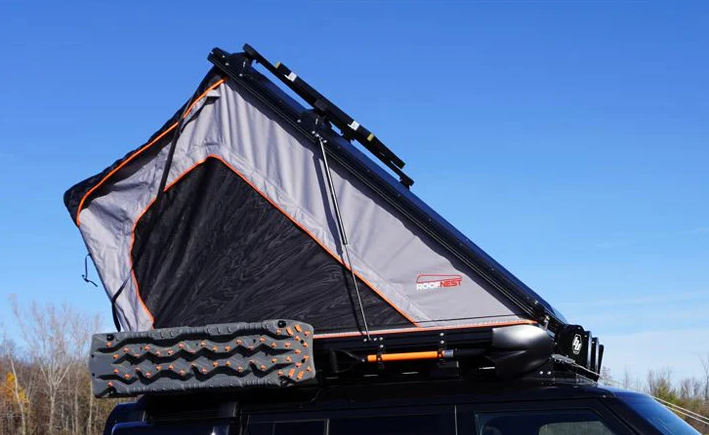
Best Overall Hard Shell:
Roofnest Falcon 3 EVO
Combines fast setup, rugged build, and enough space for two adults and gear. The low profile makes it quieter on the highway, and the built-in mattress is both thick and comfortable after a long day behind the wheel.
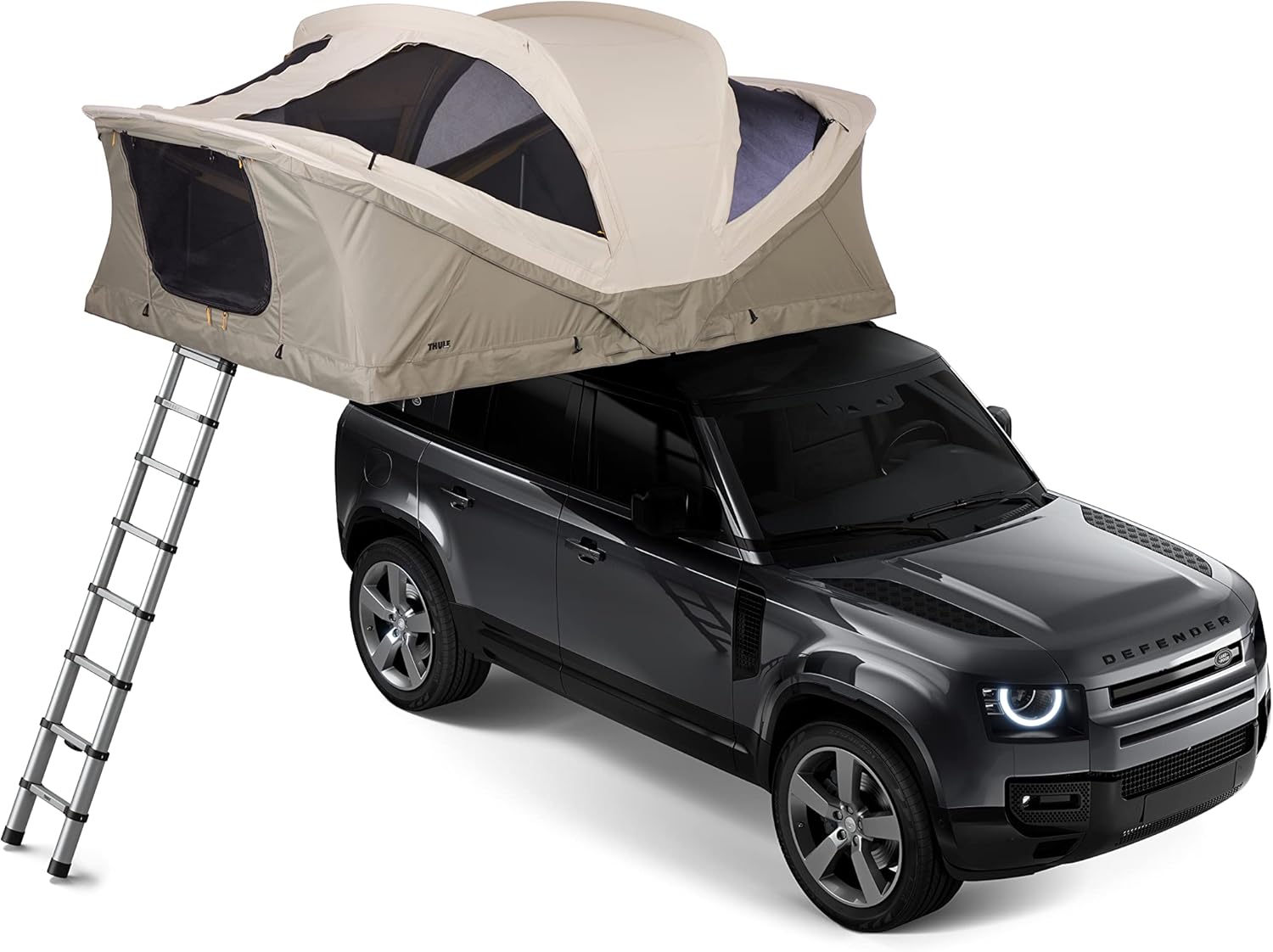
Best Overall Soft Shell:
Thule Approach M
Offers modern design, weather-ready fabric, and easy setup, making it the best balance of comfort and value. It’s well-suited for a wide range of vehicles and adapts well to varying climates, from humid forests to dry mesas.
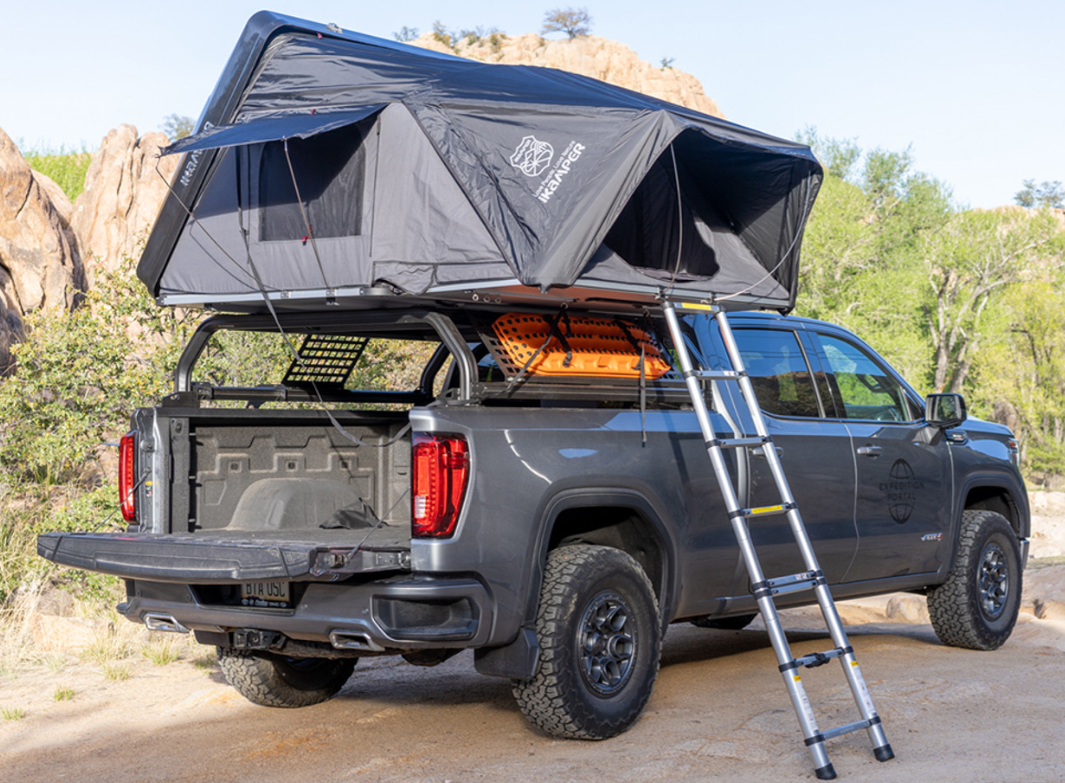
Best Compact Hard Shell:
iKamper Skycamp 3.0 Mini
Fits smaller cars while still providing a cozy, insulated sleeping area. Its innovative footprint lets it work with crossovers and wagons, not just trucks or SUVs.
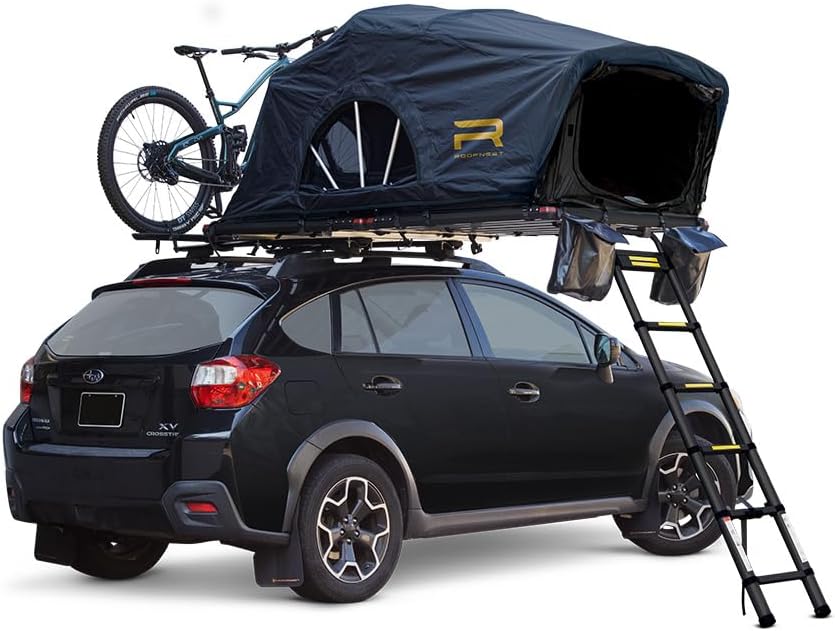
Best Budget Friendly:
Roofnest Meadowlark
Lightweight and affordable, solid for solo overlanders or couples on a tight budget. Despite its lower price, it doesn’t skimp on the features that matter most: sleep comfort and ease of setup.
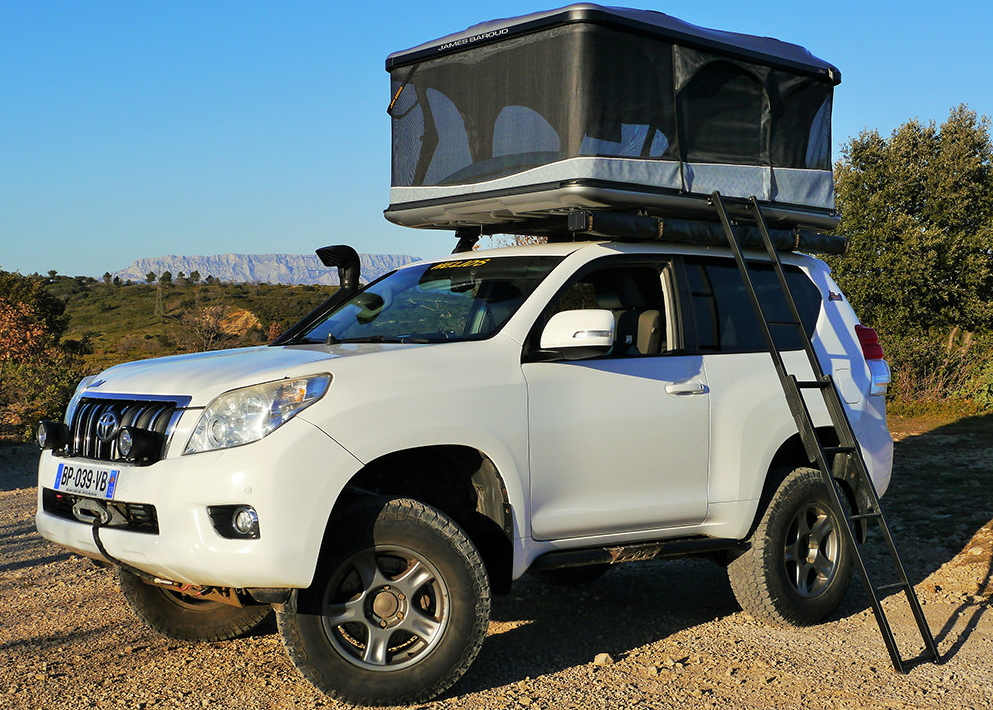
Most Durable and Premium:
James Baroud Odyssey
Built for extreme environments with high-end construction and solid insulation. Ideal for those who camp year-round or in unpredictable weather, thanks to premium materials that step up performance and longevity.
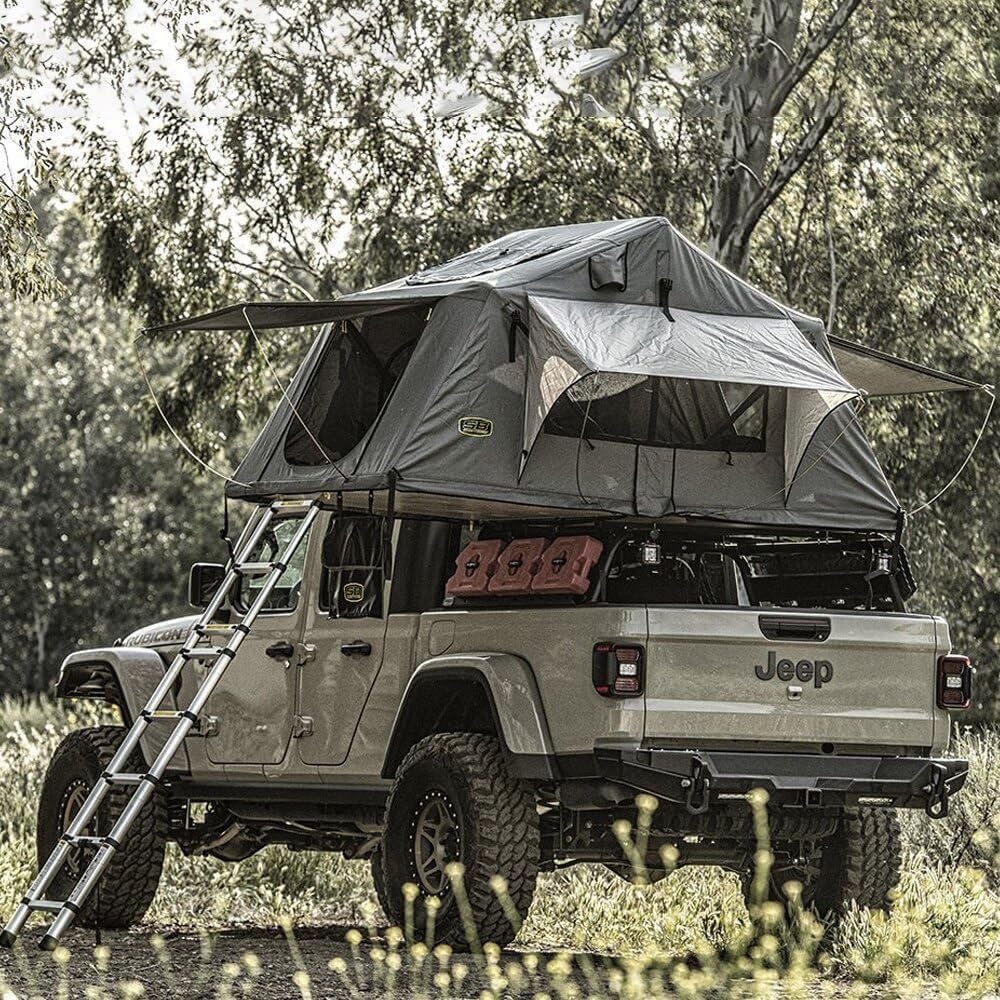
Best Value Alternative:
Smittybilt Gen2 Overlander
Great starter tent for new overlanders and works well in most three-season conditions. Its simplicity makes it reliable, especially if you’re learning the ropes or upgrading from ground camping.
What I Look For in a Rooftop Tent
Picking the right RTT goes beyond price or brand. Here’s what I always consider before making a purchase:
- Setup Speed: If I plan to move camp each day, quick setup and takedown save me a lot of time. Hard shells are particularly efficient here, with some models ready in under a minute, which really matters if the weather changes suddenly.
- Weather Protection: I need my tent to keep me dry and comfortable even if the weather turns fast. UV-resistant shells, waterproof fabrics, and tight seals give a boost to interior comfort. Look for models with rainfly vents and storm flaps for extra security in unpredictable weather.
- Weight and Compatibility: Checking my vehicle’s dynamic (driving) and static (parked) weight limits is super important. I compare RTT weights and recommend lightweight options for smaller crossovers or sedans. Don’t forget to include the weight of ladders and mounting brackets in your sums.
- Interior Comfort: A thick mattress and good ventilation make a huge difference, especially on multi-day trips. Some RTTs now include upgraded foam mattresses and built-in USB lights for next-level cool comfort and convenience.
- Durability: Heavy-duty hinges, rust-resistant hardware, and strong support poles stand up better to frequent use. Mold-resistant fabric also means the tent lasts longer in all seasons. Tents designed for rougher offroading usually have more robust frames and thicker bases, which add to overall resilience.
New and Interesting RTTs for 2026
Manufacturers keep coming up with clever features each year. Here are a few models that caught my attention lately:
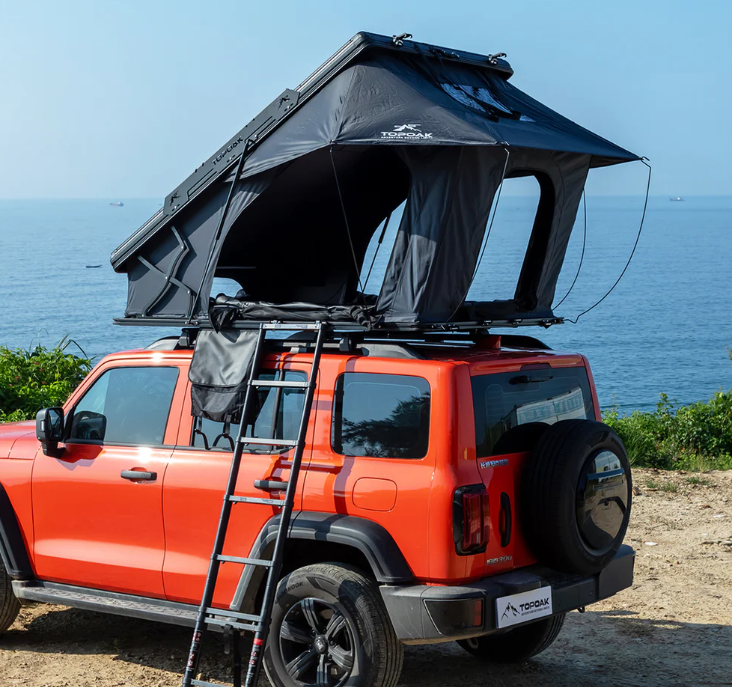
Top Oak Nebula: This oversized tent features a unique extended foot area, giving me comfort and room to stretch out when I need a little extra after a long hike.
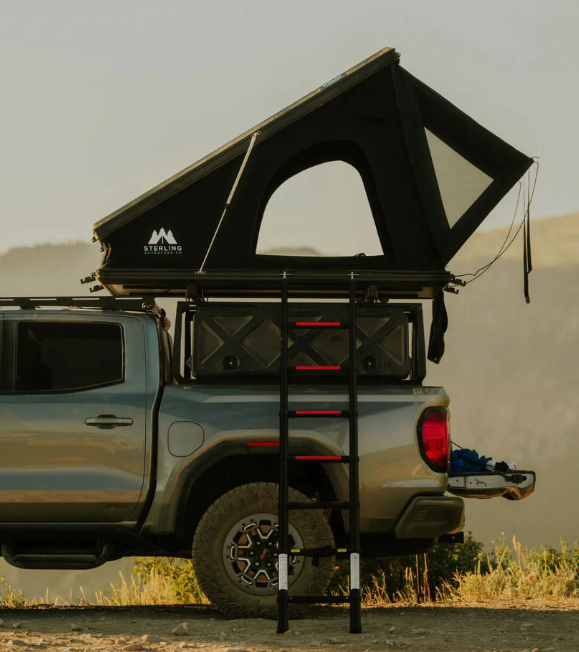
Sterling Adventure Co Aluminum: At under 100 pounds, it’s impressively light, making it great for smaller or older vehicles that might not be able to carry heavier models. The reduced weight also makes mounting and unmounting much easier for solo travelers.
New designs step up insulation, offer larger panoramic windows, and improve ladder systems. Small features like built-in LED lighting and better rainflies show that year after year, RTTs get easier and more practical to use—perfect for both first-timers and seasoned overlanders looking to mix things up.
Best Hard Shell Rooftop Tents for Overlanders
I rely on hard shell tents when setup speed, durability, and solid weather resistance matter most. These three are my top picks:
iKamper Skycamp 3.0:
I appreciate the king-size sleeping area and the quality of materials. The honeycomb aluminum shell deals with rain and wind better than most, and setup time is about a minute. Its low profile cuts down on wind drag while driving, which is great for longer highway stretches.
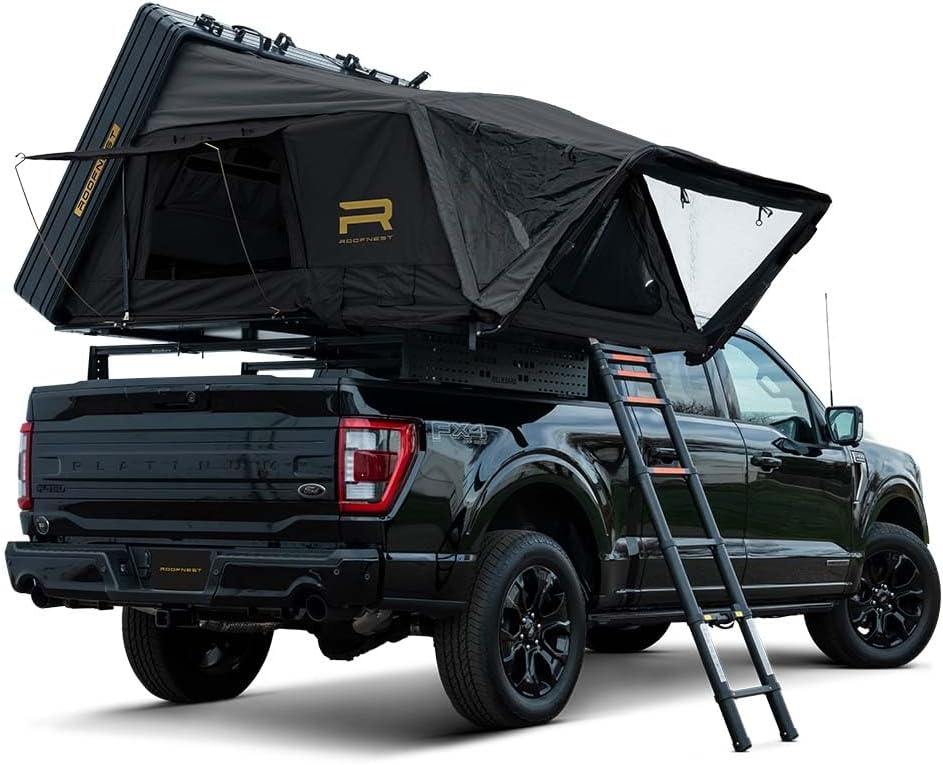
Roofnest Condor Overland 2 XL Air:
Large enough for families and lets me keep bedding inside when packed away. It keeps me dry during mountain storms thanks to thicker seals and weatherproofing, plus the built-in awning adds a covered entry in wet weather.
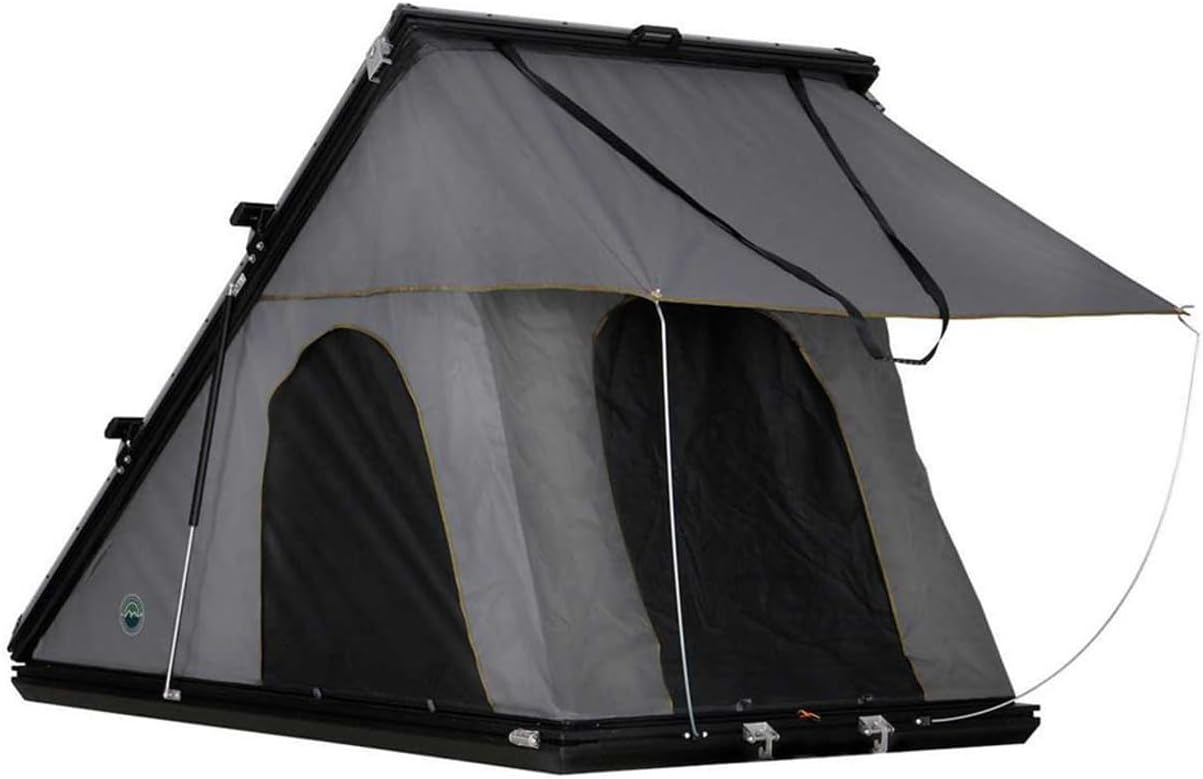
Overland Vehicle Systems Mamba 3:
Designed for heavier off-road use, including rough trails where cheaper RTTs might loosen up or leak. I like its insulated base for cold trips and the heavy weather seals that keep out mud, dust, and rain alike.
Best Soft Shell and Hybrid Rooftop Tents
Soft shell and hybrid tents give me flexibility, especially when traveling with friends or family. I turn to these models for more space and a lower price compared to hard shells. The ease of adding accessories, like annex rooms or extra shade panels, makes these a favorite for group outings:
Smittybilt Overlander Gen2 Standard:
When I want something affordable and reliable, I go with this tent. The full-size mattress and waterproof exterior have held up on several trips in varied weather. It’s simple to pack up and easy to repair, which saves me headaches in the long run.
Thule Approach M:
My top choice for style and comfort. Big windows, lots of airflow, and a clean look keep this tent at the top of my list. Setup is fast, even solo, and Thule’s support gives peace of mind that I’ll get backup if something goes wrong.
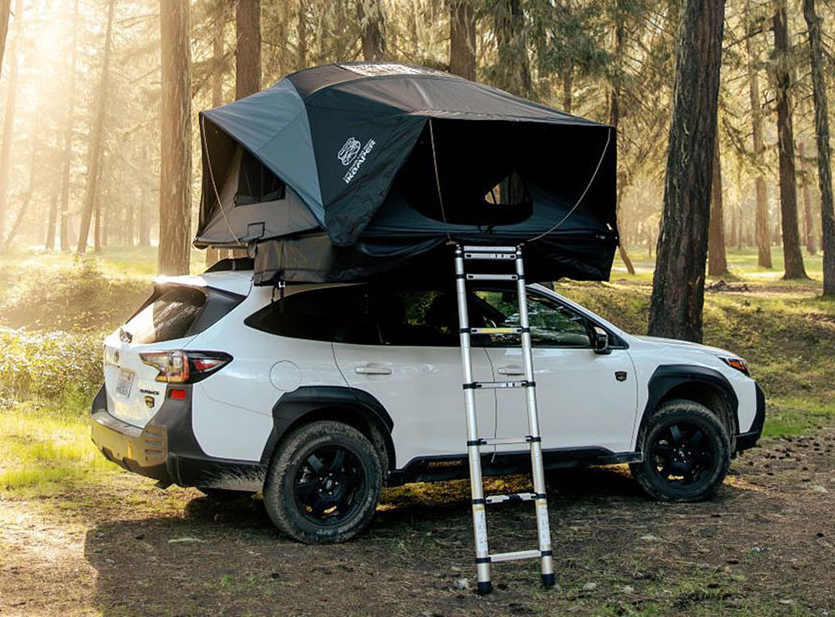
iKamper XCover 3.0
This innovative hybrid lets me store gear on top with built-in crossbars while providing a roomy sleeping area thanks to its foldout floor. It’s great for hauling bikes or kayaks as well as sleeping comfortably above the ground—an ideal multitasker for activity-heavy adventures.
Frequently Asked Questions
Here are a few questions I hear often about rooftop tents for overlanding:
Can I install a rooftop tent on any vehicle?
Most vehicles can handle a rooftop tent, but always check your manufacturer’s recommended roof load. Compact models are perfect for smaller cars and crossovers, while the larger models work best on trucks and SUVs with sturdier racks.
How do I maintain my RTT for a longer life?
Simple steps like cleaning the fabric regularly, keeping hinges and bolts tightened, and storing it dry will help your tent last for years. Consider applying UV protectant to the fabric if you store your vehicle outside long-term.
Are rooftop tents safe in high winds?
Hard shell models are best at standing up to wind. For soft shell tents, be sure to secure all guy lines tightly and, when possible, park with the tent’s narrowest side facing into the wind for stability.
Key Challenges and How I Handle Them
Even with the best equipment, overlanding brings a few challenges. From my experience, here are the problems every overlander needs to solve:
- Set up, in Stormy Weather: Fast-closing tents like hard shells keep sudden storms from wrecking my night. I always carry extra guy lines and frequently inspect my rainfly for wear, making setup quick and durable in rough weather.
- Condensation: Good airflow is essential. I crack vents or tiny windows, even in heavy rains, and keep a microfiber towel handy to wipe up damp spots inside. Adding a small, battery-powered fan sometimes helps in muggy climates, too.
- Finding Level Ground: Not every site is flat, so I stash leveling blocks and don’t hesitate to move my vehicle for the best sleep. Sleeping even a few degrees off-kilter gets uncomfortable quickly, so I take a few minutes to get it right every time.
Dealing With Cold Nights
Rooftop tents don’t always keep out the cold as well as ground tents. I use an insulated mattress topper and a four-season sleeping bag when expecting freezing conditions. Some models, like the James Baroud Odyssey, have built-in insulation that really helps for winter camping. Additionally, using thermal liners or a space blanket under the mattress can add a few extra degrees of warmth.
Caring for Your RTT
Taking my tent down while wet and airing it out later prevents mold and bad smells. Regularly checking for loose bolts, sealing seams, and cleaning off dust from hinges or moving parts will add years to your tent’s life. I keep a small tool kit and a tube of seam sealer in my rig just in case.
How Rooftop Tents Improve My Overlanding Travel
For me, RTTs offer several standout benefits:
- Mobility: Quick camp setup makes it easy to explore more spots in less time, especially if you like changing campsites frequently or covering lots of ground.
- Safety: Sleeping higher up means fewer close encounters with ground critters, giving me peace of mind in forests, deserts, or backcountry areas known for a lot of wildlife activity.
- Versatility: Whether at a trailhead, by a lake, or stuck on a windswept ridge, I always have a solid bed ready to go in just minutes.
RTTs also help with family trips, keeping everyone together and giving kids a sense of adventure. The storage space under the tent, once set up, lets me keep bulky gear out of the cab and organized for easy access.
Getting Started with Your First RTT
Before picking up any RTT, taking the time to research pays off. I always recommend borrowing or renting one to get a feel for setup and takedown. Trying the mounting system, ladder, and mattress in person shows if the tent fits your expectations.
Good dealers will answer all your questions and offer support well after the purchase. If you’re new to overlanding, joining a local group or asking fellow campers can lead you to even more tips on maximizing RTT comfort and performance.
Overland camping keeps getting easier with smarter RTT designs. Since I took the leap and installed one, my camping trips are more flexible, comfortable, and memorable. Reliable gear makes every adventure off the beaten path that much more worth it, creating lasting memories under the stars.
Most Recent Articles:
- Best Rooftop Tents For Overlanding
- Overlanding The Infamous Black Bear Pass In Colorado

- How To Pack A Lightweight Backpack For DIY Backpack Hunting Trips
- Navigating The Hunt Application Process In The US

- Kodiak Canvas Cabin Lodge Tent
- Safety Tips For Hiking In Bear Country

As always, stay safe, enjoy the journey, and please try to leave it cleaner than you found it. If you have any comments, questions, ideas, or suggestions, please leave them in the comment section below, and I’ll get back to you ASAP. You can follow us on YouTube: Man Art Creations for videos of our DIY Adventures.
P.S. Thanks so much for checking out our blog; we really appreciate it. Just so you know, we may receive a commission if you click on some of the links that appear on our site. This helps us keep our content free and up-to-date for everyone. We appreciate your support!