Contents
- 1 Bow vs Crossbow Hunting: Core Differences Explained
- 2 Getting Started: What to Expect with Each Choice
- 3 Choosing the Right Tool: Key Factors to Consider
- 4 Legal and Ethical Aspects: What Every Hunter Should Know
- 5 Practical Tips for First-timers
- 6 Common Challenges and How to Overcome Them
- 7 Advanced Techniques to Sharpen Your Edge
- 8 Applications: When Each Weapon Shines
- 9 Frequently Asked Questions
- 10 Bow vs Crossbow Bottom Line
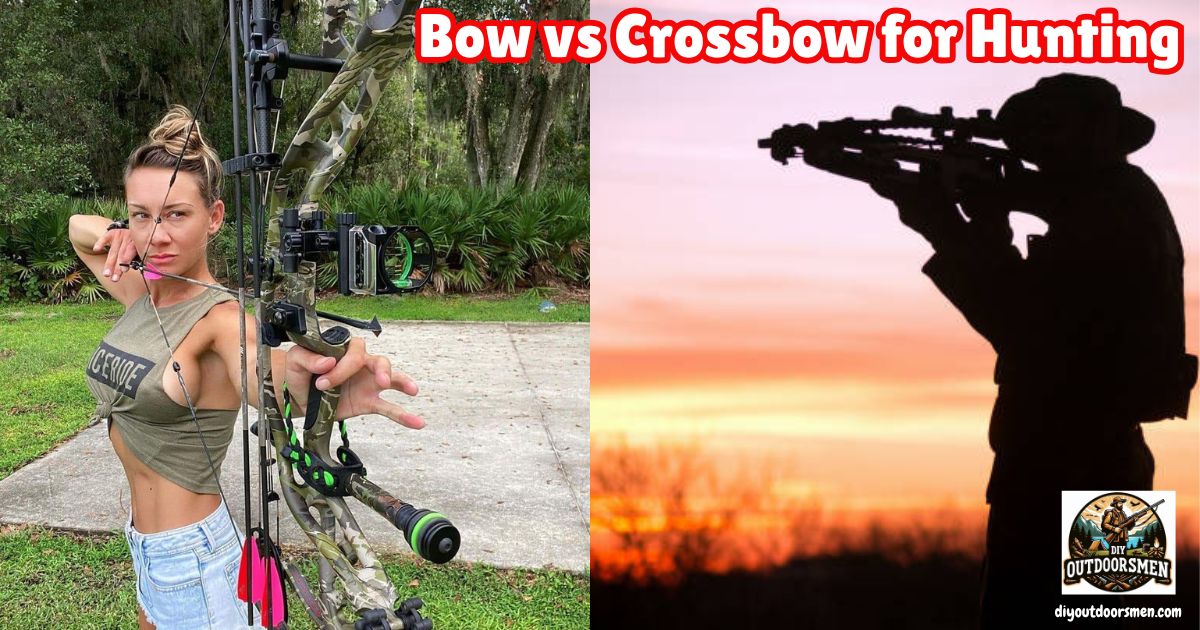
Choosing between bow vs crossbow hunting comes down to a mix of personal preference, skill level, and state regulations. I’ve had experience using both, and I know that for many hunters, this decision shapes not just how they hunt, but how much they enjoy the whole process. Both tools have their own advantages and learning curves, so understanding what works best for you is really important before heading out into the woods.
QUICK LOOK: Bow vs Crossbow Hunting: Key Factors to Consider
- Physical Requirements: If holding a bow at full draw is tough, or you have neck, shoulder, or back issues, a crossbow offers a more comfortable alternative.
- Challenge Level: For those who appreciate a traditional challenge, vertical bows provide a more physically and mentally demanding hunt. Crossbows make it easier to get started, but can still offer a satisfying experience.
- Hunting Location: Dense woods or brush favor lighter and shorter vertical bows. Open fields where you might set up a rest can be better suited to crossbows.
- Age and Accessibility: Many young hunters or those with reduced upper-body strength prefer crossbows for their simplicity and lower strength requirement.
Bow vs Crossbow Hunting: Core Differences Explained
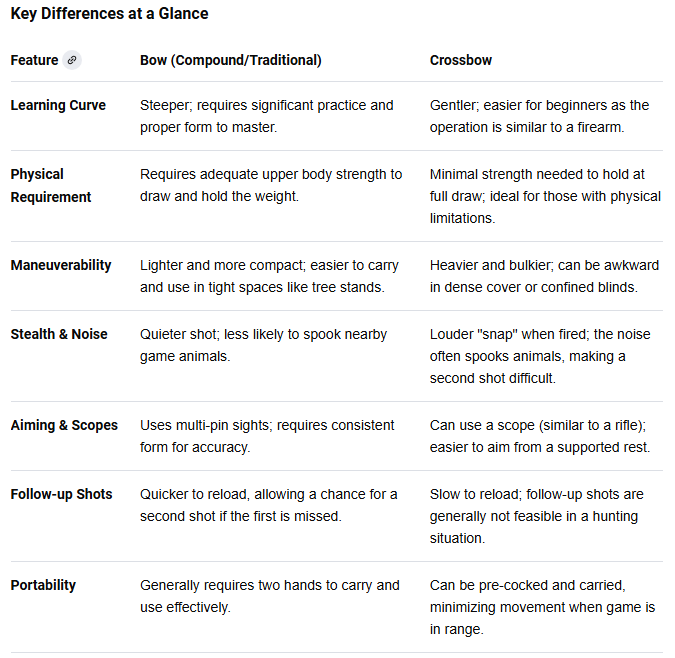
Both bows and crossbows work by launching an arrow or bolt using stored energy, but the way they operate in the field is pretty different. I’ve found that the hands-on experience matters a lot if you want to really understand the pros and cons of each. Bowhunters rely on physical strength and practiced technique, while crossbow hunters operate their gear almost like a firearm—these differences shape each hunt in unique ways.
Getting Started: What to Expect with Each Choice
Jumping into bow hunting usually comes with a pretty steep learning curve. During my first season, I remember spending hours practicing my draw, aiming, and release to build up strength and muscle memory. Mastering a vertical bow means understanding your anchor point and proper form, which affects accuracy and responsible shot placement.
The tradition, skill, and craft of bow hunting can be really rewarding. Many bowhunters form a strong bond with their gear as they learn subtle adjustments that make them a better hunter over time. On the other hand, crossbow hunting can feel more approachable if you’re new to archery or if pulling a heavy draw isn’t practical.
Loading a crossbow is straightforward, and taking a shot is similar to squeezing the trigger on a rifle. I’ve noticed that my friends who come from a rifle hunting background often find crossbows more familiar and easy to use. Some hunters with shoulder injuries or limited mobility begin with a crossbow and stick with it for years, especially if it means they can keep enjoying hunting adventures longer.
- Vertical Bows: Longbows and recurve bows offer simplicity and tradition but demand the most practice. Compound bows use cams and pulleys for a smoother draw, but still require skill.
- Crossbows: Mechanically cocked before the hunt; remain locked and ready to fire until the trigger is pulled.
Choosing the Right Tool: Key Factors to Consider
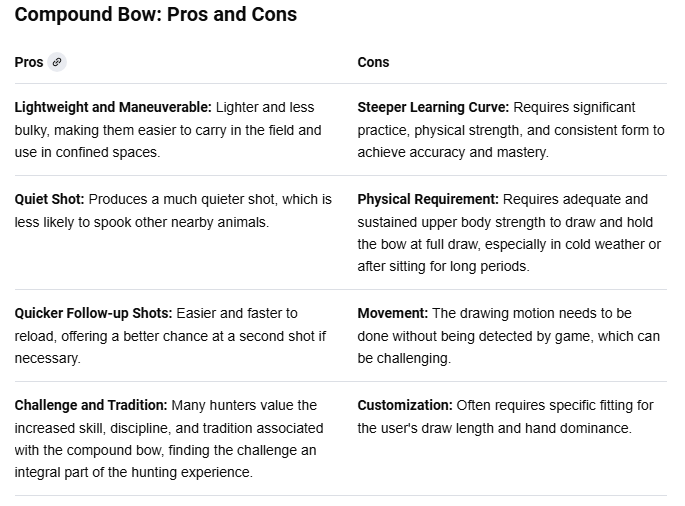
When I’m helping someone decide between a bow and a crossbow, I focus on a few central questions. Your physical ability, interest in tradition, and even the type of terrain you plan to hunt in all matter. Picking the right equipment tailors the hunt to your strengths so you can enjoy the outdoors and increase your chance of success.
- Physical Requirements: If holding a bow at full draw is tough, or you have neck, shoulder, or back issues, a crossbow offers a more comfortable alternative.
- Challenge Level: For those who appreciate a traditional challenge, vertical bows provide a more physically and mentally demanding hunt. Crossbows make it easier to get started, but can still offer a satisfying experience.
- Hunting Location: Dense woods or brush favor lighter and shorter vertical bows. Open fields where you might set up a rest can be better suited to crossbows.
- Age and Accessibility: Many young hunters or those with reduced upper-body strength prefer crossbows for their simplicity and lower strength requirement.
Additionally, it can help to try both types at a local range before committing. I’ve found that putting a few arrows downrange with each style quickly clarifies which feels better for the individual, especially if they’re unsure or just starting.
Legal and Ethical Aspects: What Every Hunter Should Know
State and provincial laws can play a big part in what’s available to you. I always double-check current regulations before each season, as crossbow laws change often and can vary by season, species, or local permit. Knowing the rules in your state ensures you stay legal and avoid unnecessary fines or wasted trips.
- Regulations: Some states allow crossbows only during specific gun seasons. Others include them in the archery season. Disability permits may also allow for exceptions. Refer to your state’s wildlife agency or National Wildlife Federation website for clear guidelines.
- Ethical Hunting: Hunter responsibility doesn’t change with your weapon. Whether I use my compound bow or a crossbow, I focus on practicing enough to be sure my shot will deliver a quick, humane end.
- Distance: Crossbows often shoot more accurately at longer ranges, but responsible hunting stays within comfortable limits. I set my personal range at about 35 yards for traditional bows and 40–50 yards for crossbows, based on my practice.
Also, some states require hunter education or archery safety training for new hunters. Take the time to complete those courses—they make a real difference both in the field and in understanding your state’s expectations.
Practical Tips for First-timers
Getting started with bow or crossbow hunting requires patience and practice. Here’s how I approach it each season and what helps friends who are new:
- Pick Your Platform: Choose the bow or crossbow that matches your physical abilities and interest level. Renting or borrowing before buying can help you make up your mind.
- Spend Time at the Range: Consistent practice is key. I like to practice weekly in the months leading up to hunting season, focusing on accuracy at different distances.
- Learn Field Scenarios: Practice in different scenarios: standing, sitting, awkward angles. Since real hunts rarely go exactly as planned, being comfortable with various positions boosts your confidence.
- Stay Safe: Crossbows, especially, should be handled carefully when cocked. Always follow safety protocols, use a harness in a tree stand, and never point your weapon at anything you don’t intend to shoot. Keeping fingers below the rail when shooting crossbows is essential to avoid injury.
Many first-timers benefit by joining archery clubs or local hunting groups, where they can find mentors, get hands-on tips, and watch others demonstrate good form and safety steps. Learning from others adds a social aspect and accelerates progress.
Common Challenges and How to Overcome Them
Both hunting styles come with their own challenges. I’ve faced some myself and seen how others manage them out in the field. Overcoming these challenges is all about preparation, smart practice, and using the right gear for your needs. Here are some practical insights to help:
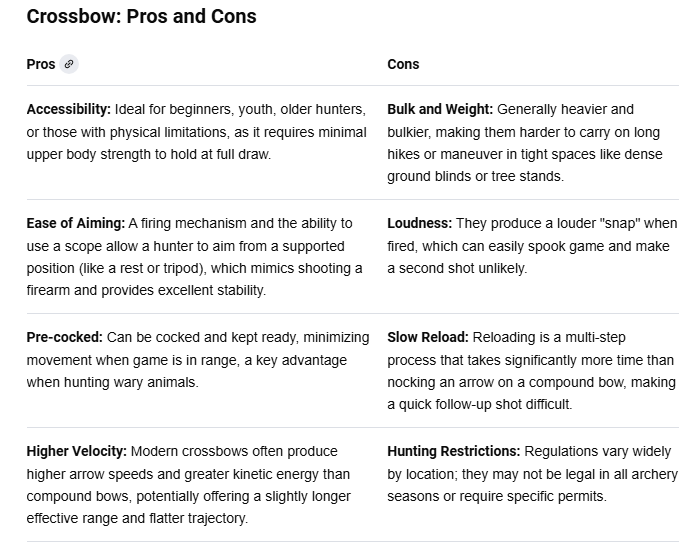
- Bow Fatigue: Long days in the stand can lead to arm and shoulder fatigue with a traditional or compound bow. Practicing with your full hunting gear on helps build real-world strength. Some hunters address this by starting with lighter draw weights and working up over time.
- Crossbow Bulk: Extra weight means crossbows are tiring to carry all day. A good sling or padded backpack helps. Using shooting rests or monopods can support heavier crossbows and make accurate shooting more comfortable, especially during long sits in blinds.
- Noise and Visibility: Practice releasing strings calmly and using string suppressors or limb dampeners. Crossbows are noisier, so setting up hidden blinds or shooting lanes can reduce your chances of being noticed by wary game. Sticking to natural cover, camo clothing, and quiet movements helps as well.
Practical Field Solutions
When I’m in the field, I carry a small repair kit for each weapon. Spare string loops, Allen wrenches, and string wax make quick fixes possible and have saved a hunt more than once. Packing essentials helps avoid unnecessary interruptions. Whether using a bow or crossbow, routine gear care and maintenance will keep your equipment functioning at its best throughout the season.
Also, it’s smart to bring a compact flashlight, field dressing tools, and extra broadheads. Having backup supplies ensures you’re ready for unexpected situations or tough recoveries during a hunt. Over time, you’ll learn which field tools are most important based on the type of terrain and game you pursue.
Advanced Techniques to Sharpen Your Edge
After the basics, advancing your skill can make a big difference. Here’s how I keep improving season after season:
Fine-tune Your Sight System: For bows, getting each pin dialed in for specific ranges adds control. For crossbows, use a scope with clearly marked reticles and learn how your bolts drop at different distances. Upgrading to fiber optic sights or illuminated scopes can improve low-light performance.
Scout and Set Up Efficiently: I always scout my hunting site before the season starts. Knowing animal paths, setting quiet entry points, and placing stands or blinds offer the best shot opportunities for either weapon. Keep notes on animal movement patterns, wind direction, and food sources—these details help you set up smarter.
Understand Arrow and Bolt Performance: Not all arrows or bolts are built the same. Lighter shafts travel faster but penetrate less. Heavier ones can drive deeper, especially needed for larger game. I choose equipment based on my intended target and double-check legality where I’m hunting. Proper fletching, broadhead alignment, and spine matching all play a role in consistent accuracy and clean kills.
Seasoned hunters often experiment with different vane lengths or broadhead designs, tracking performance over time to pick the best setup for conditions or specific hunts. Don’t be afraid to try small tweaks; incremental improvements stack up each year.
Applications: When Each Weapon Shines
I’ve found specific scenarios where each weapon has its own benefits. Your preferred hunting conditions and physical comfort help determine the right option for you:
- Bow Advantages: Quiet operation favors close encounters. Easier to move silently and set up in constricted areas. If you enjoy spot-and-stalk or mobile hunting, bows offer clear benefits.
- Crossbow Advantages: Ideal for physically restricted hunters or youth. Great for those who hunt from fixed blinds where weight and bulk matter less. Crossbows also let you stay ready for longer, which can pay off during long waits.
- Combo Approach: Some hunters switch between weapons as allowed by law, taking advantage of each during specific seasons or when hunting different game species. This flexibility can keep hunting exciting and let you make the most of your local access and tag options.
The choice often comes down to what makes each hunt more enjoyable, doable, and suited to the situation at hand. For many, having both types opens up new possibilities throughout the hunting calendar.
Frequently Asked Questions
Here are a few common questions I get about the differences and practical aspects of bow and crossbow hunting:
Do crossbows shoot farther than compound bows?
Crossbows generally offer higher arrow speeds and better accuracy at longer distances, but hunting shots should still be kept within responsible limits based on your skill and practice.
Is one more effective for deer hunting?
Both are effective if the hunter is skilled and shots are well-placed. Crossbows may offer a slight edge for newcomers due to easier aiming and less movement required.
Can I switch between bow and crossbow during the same hunting season?
This depends on state laws. Some places let you use both, while others have separate seasons. Always check local regulations.
Bow vs Crossbow Bottom Line
Bow and crossbow hunting both offer rewarding experiences with their own learning curves and skill sets. Choosing what fits your abilities and interests best makes for a more enjoyable and successful time in the field.
Always check local laws, practice plenty, and focus on safety and responsible shooting for the best results out there. With the right preparation and a good attitude, either approach can yield amazing memories and successful hunts for years to come.
Most Recent Articles:
- Navigating The Hunt Application Process In The US

- Kodiak Canvas Cabin Lodge Tent
- Safety Tips For Hiking In Bear Country

- Camping And Hiking In The South San Juan Wilderness Of Colorado

- DIY Devils River Kayak Trip

- Camping And Hiking In The Texas Big Bend Ranch State Park

As always, stay safe, enjoy the journey, and please try to leave it cleaner than you found it. If you have any comments, questions, ideas, or suggestions, please leave them in the comment section below, and I’ll get back to you ASAP. You can follow us on YouTube: Man Art Creations for videos of our DIY Adventures.
P.S. Thanks so much for checking out our blog; we really appreciate it. Just so you know, we may receive a commission if you click on some of the links that appear on our site. This helps us keep our content free and up-to-date for everyone. We appreciate your support!