Contents
- 1 Top Tools for Communication in No-Service Hunting Areas
- 2 How Satellite Devices Keep Me Connected (and Safer)
- 3 Radio Options for Keeping Your Group Together
- 4 Planning and Finding Your Way When Communication is Limited
- 5 Frequently Asked Questions
- 6 Things I Watch Out for When Prepping Communication Gear
- 7 Low-Tech Signaling If Electronics Fail
- 8 Why Fine-Tuning Communication Plans Matters
Hunting in remote areas usually means going way off the grid, where there’s no cell signal and regular communication tools just stop working. If you enjoy hunting wilderness locations, having a reliable way to stay in touch becomes even more important.
From my experience, the right equipment and a good plan can make the difference between feeling isolated and being able to get help when something goes wrong. In this article, I’m going to walk you through what I consider the most practical communication options for these off-the-grid hunting trips and what you need to think about before heading out.
Top Tools for Communication in No-Service Hunting Areas
Many of the popular hunting regions have zero cell service for miles. When I get ready for a hunt like this, my priority is making sure I have gear that will work no matter how far out I go. Satellite-based solutions are typically my preferred pick since they don’t rely on any local towers or infrastructure. There are also several good ways to keep in touch with others in your hunting group, especially when you’re all spread out.
It’s useful to have a basic understanding of the main options available. Here’s what I use or suggest:
QUICK LOOK: Recommended Off-Grid Communication Tools
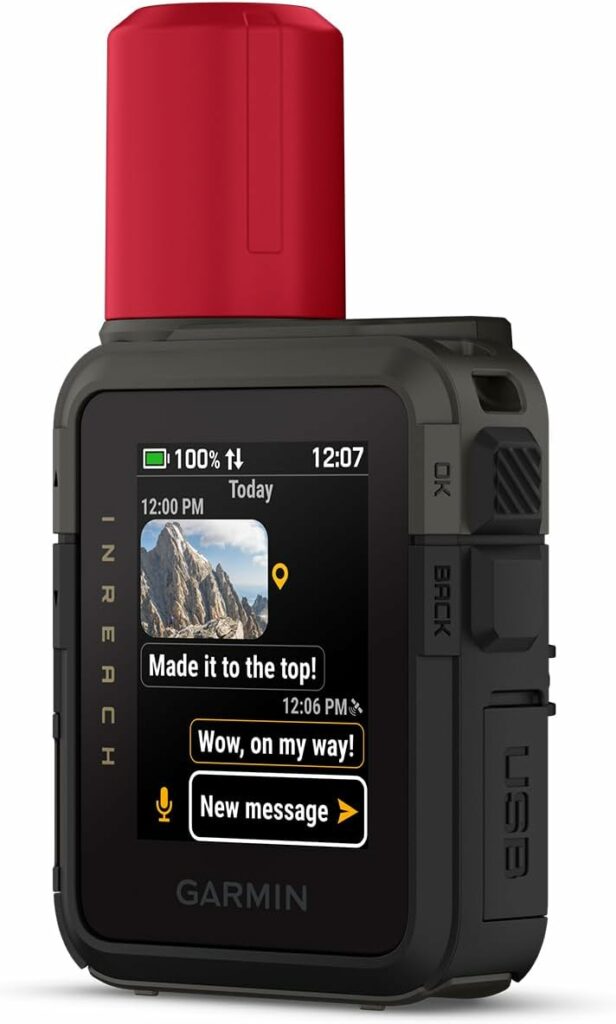
- Satellite Messengers: Devices like Garmin inReach and Zoleo help you send and receive texts through satellites. They also offer GPS tracking and a dedicated SOS button for emergencies.
- Satellite Phones: These let you make actual voice calls from almost anywhere. While they are more expensive and a bit bulkier than messengers, they provide advantages for real-time conversations if needed.
- Two-way radios (FRS/GMRS): Typical walkie-talkie style radios help you talk to group members within a few miles, as long as the landscape doesn’t block the signal too much.
- Personal Locator Beacons (PLBs): These are single-purpose gadgets designed to send emergency alerts and your exact location to rescuers, without messaging capabilities.
How Satellite Devices Keep Me Connected (and Safer)
When I’m miles from the closest cell tower, I trust satellite technology to stay connected to the outside world. My favorite is a satellite messenger like the Garmin inReach because it balances size, texting capabilities, and important safety features.
With this type of device, I can update my family when I arrive at camp, send out GPS locations, or call for help if there’s an emergency. These gadgets link up with satellites orbiting above us, so as long as I’m under open sky, I usually have coverage. Just keep in mind, thick forests or deep canyons can slow things down.
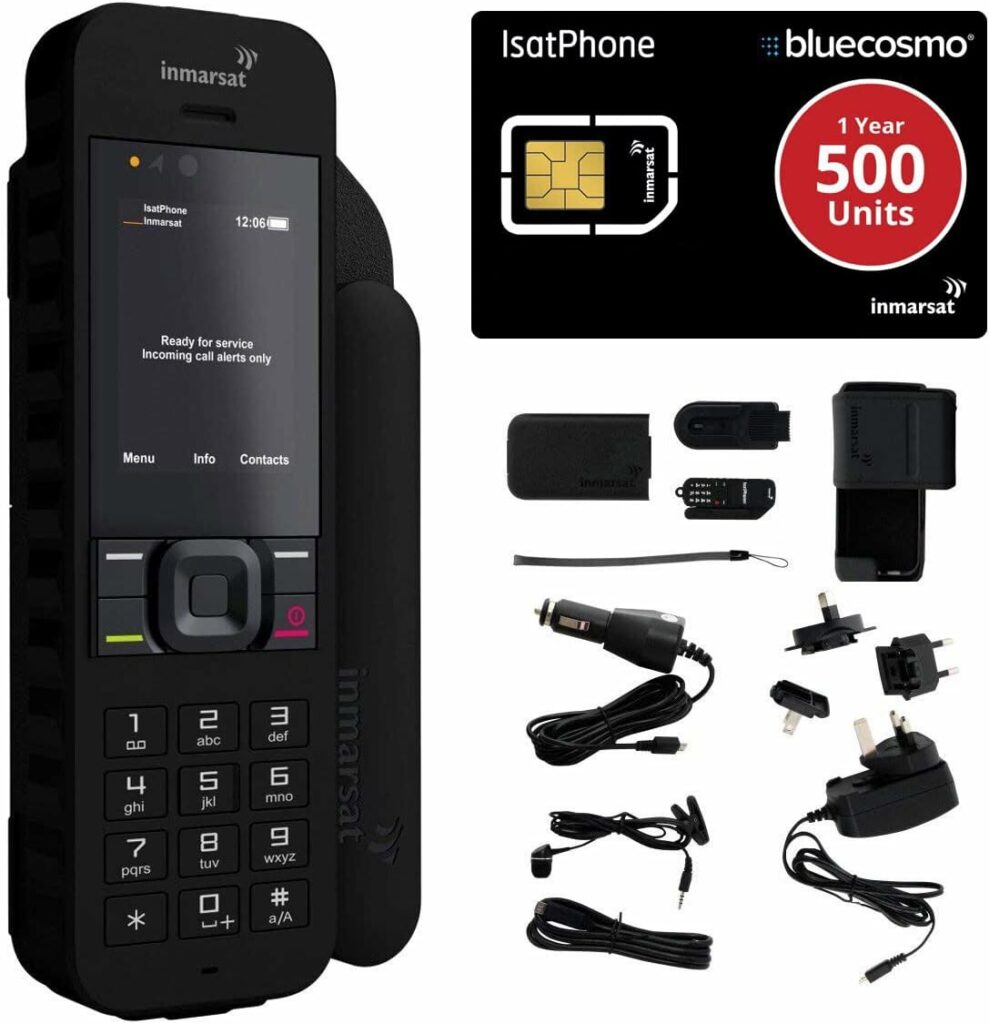
Satellite phones are another step up, letting me have an actual conversation if I need to talk things out in real time. They’re amazing for outfitters or when coordinating a logistically complex backcountry hunt. The price is higher, and the hardware is bulkier, but for hunters wanting total peace of mind or the ability to speak directly, it’s a solid choice.
Some recent smartphones have satellite emergency features now, such as the iPhone 14 or Google Pixel 9 series. These handle basic SOS messages or preset communication and act as a lightweight backup in truly tight spots.
Radio Options for Keeping Your Group Together
Not all communication is about calling the outside world. Keeping in touch with your hunting party is just as important, especially when you’re covering separate areas. I’ve found that handheld two-way radios, such as GMRS or FRS models, are still the simplest answer.
FRS radios are license-free and easy to operate—perfect for short ranges of a mile or two in open ground. GMRS models give a bit more reach and power but require an FCC license in the US. One thing to keep in mind is terrain. Thick timber, hilly areas, or gullies can block or weaken your radio signal, so the ranges advertised on the package aren’t always realistic.
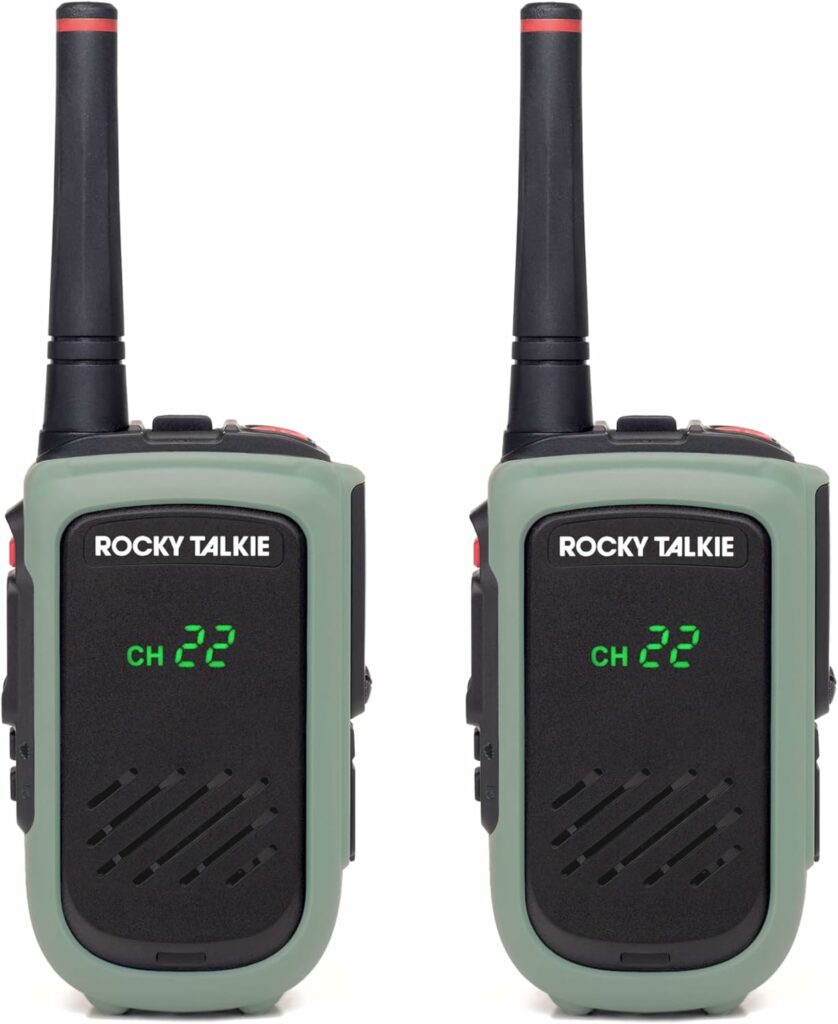
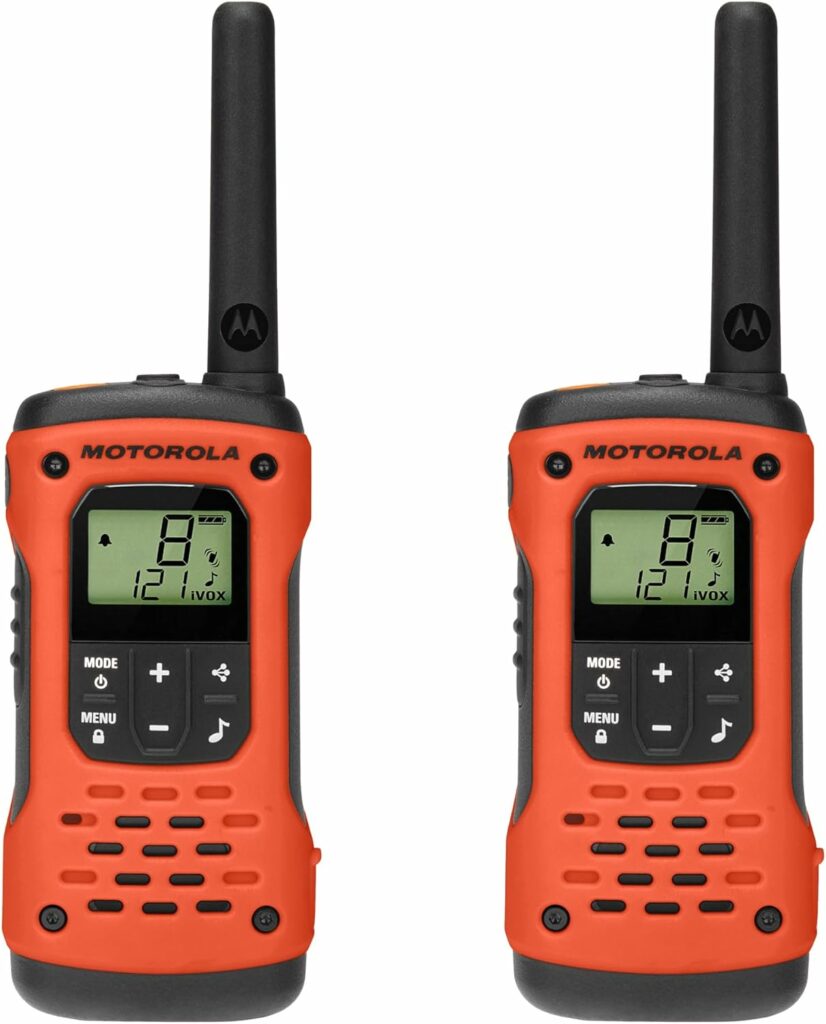
For large groups or more technical users, mesh networking gadgets like goTenna or Meshtastic stretch messaging distances by bouncing texts from device to device. These are great for group texting, though you’ll need a paired satellite or cell connection to reach the outside.
Planning and Finding Your Way When Communication is Limited
Anytime I’m going somewhere truly remote, having a communication plan is essential. Before each trip, I make sure to download offline maps to my phone with a good hunting or mapping app like onX Hunt. Offline maps make sure I always know property boundaries and terrain details, even after I’ve switched my phone to airplane mode to save battery life.
- Download Offline Maps: This lets me steer clear of getting lost and shows private-land boundaries even when totally off grid.
- Set Check-in and Trigger Times: I tell a reliable contact at home when exactly to expect messages from me, and what to do if I miss a check-in.
- Update Voicemail: Right before I lose service, I change my voicemail to include my location and trip details. This way, anyone trying to reach me gets current information.
Having all these details lined up ahead of time means everyone knows what to expect, so if something goes wrong far from others, help arrives much sooner.
Frequently Asked Questions
Hunters new to being off-grid often ask me about the best way to stay connected. Let me list out answers to some of the top questions I get:
What communication device should I take hunting far from cell towers?
I usually go with a satellite messenger like a Garmin inReach for texting and SOS, and bring a set of two-way radios for group talk. If voice calls are needed, a satellite phone is worth looking at, though it does cost more.
How do I keep my electronics charged during long hunting trips?
I always bring extra batteries or a solid power bank. If I’m out for several days or in especially cold weather, I pack a solar charger and keep my devices warm and turned off when not in use.
Before each trip, I tell a trusted person exactly where I’m going, my planned route, my check-in times, and when to call for help if I miss a check-in.
Things I Watch Out for When Prepping Communication Gear
Even the best device won’t help if the battery runs out or if I forget to pay for my subscription. Here are a few key reminders that keep my comms running when I’m way off the beaten track:
- Battery Power: Cold weather drains batteries quickly, so I always toss spare batteries or a small power bank in my bag. For longer trips, a solar panel charger comes with me.
- Active Subscription: Satellite devices need paid service plans to be active, so I double-check my plan’s status before departure. Turning off auto-renew can accidentally leave me with no coverage, so I take an extra minute to check.
- Signal Obstruction: Dense timber, big hills, or biting cold can block or slow down radio and satellite communication. If a message won’t go through, I move into an open area or up high if possible.
Battery Power in the Backcountry
Long days outdoors exhaust device batteries. I carry a resilient solar charger and a backup power bank if I’ll be out more than a couple of days. Conserving power by switching devices off, lowering screen brightness, and keeping gadgets warm in my pocket helps batteries last longer, too.
Subscription Costs
Paying for a communication device is only half the cost—subscriptions can add up fast. I always choose a plan that matches how long I’ll be hunting. Some companies offer month-by-month activation so you only pay for service when you really need it, which helps me save money and prevent lapsed coverage.
Terrain and Other Challenges
The land always has a say. In thick forests or slot canyons, signals may fail. I plan my trip with spots in mind that are open or high up, where I can reach satellites and be seen by rescuers in case I have to signal for help.
Low-Tech Signaling If Electronics Fail
When I go truly off-grid, I never head out without some backup analog tools. I pack a loud whistle, a small signal mirror, and always carry a lighter in my kit. If every gadget dies, the universal SOS signal is three of anything—three whistle blasts, three flashes, or three fires say “help” in any language. These classic methods work even if everything else goes wrong.
- Whistle: Small, reliable, and much louder than yelling.
- Signal Mirror: Use it to flash sunlight toward a plane or across open space if you need rescuers to spot you in daylight.
- Fire: Three spaced-out fires or three in a triangle show rescuers where you are.
These backup methods are always worth carrying—even in today’s world of hi-tech gear, nothing beats a simple, proven signal in an emergency.
Why Fine-Tuning Communication Plans Matters
Heading off-grid can be peaceful and rewarding, but it also brings new challenges that call for careful planning and reliable equipment. Practicing with your gear, checking batteries and subscriptions, and carrying analog backups all add up to making your next hunting adventure safer and more fun.
What works for one trip may not work for another, so I always tailor my setup to fit my destination and crew. By staying connected, even just minimally, I can focus on the hunt and know that help isn’t far away if I really need it. Stay safe and happy hunting!
Most Recent Articles:
- Communication In Remote Hunting Areas With No Cell Service
- Eberlestock Backpacks: Customizing Your DIY Hunting Loadout
- DIY Weekend Warrior Hunting Trips

- Leupold’s Precision Scopes: Elevating DIY Hunting Accuracy
- Without a GPS Signal How do You Navigate Backcountry Trails?
- Vortex Optics Essentials: Hunting Scope Guide For The Serious Outdoorsman

As always, stay safe, enjoy the journey, and please try to leave it cleaner than you found it. If you have any comments, questions, ideas, or suggestions, please leave them in the comment section below, and I’ll get back to you ASAP. You can follow us on YouTube: Man Art Creations for videos of our DIY Adventures.
P.S. Thanks so much for checking out our blog; we really appreciate it. Just so you know, we may receive a commission if you click on some of the links that appear on our site. This helps us keep our content free and up-to-date for everyone. We appreciate your support!