
Contents
- 1 Why Compact Rangefinders Are So Useful for Hunters
- 2 What To Look For When Picking a Compact Rangefinder
- 3 Top Compact Rangefinder Picks For DIY Hunters
- 4 How Ballistics and Angle Compensation Help DIY Hunters
- 5 Personal Picks Based on My Hunting Style
- 6 Other Standout Compact Options Worth Checking Out
- 7 Common Problems and Practical Tips for Rangefinder Use
- 8 Frequently Asked Questions About Compact Rangefinders
- 9 Why Compact Rangefinders Are Worth It for DIY Hunting Success
Compact rangefinders have totally changed the way I approach DIY hunting trips. These lightweight tools help measure distances with reliable accuracy and fit easily in a pocket or pack. When hunting in steep terrain or dense timber, a compact rangefinder makes the experience more efficient and enjoyable.
With so many new models available, determining which features matter most for precision and convenience is critical. In this article, I’m sharing what I’ve learned from testing different compact hunting rangefinders and offering a clear look at the options that stand out for DIY hunters. Whether you’re a new DIY hunter or a veteran chasing efficiency in the field, these tips and picks will help smooth the way for your next adventure.
Why Compact Rangefinders Are So Useful for Hunters
I remember when rangefinders were big, clunky, and not that easy to handle on the go. Today’s compact models offer significant advantages for those who hike long distances, climb hills, or want to stay as light as possible. Most of these newer units weigh under 10 ounces and can fit comfortably in one hand, making them easy to bring along without feeling weighed down.
Even for all-day backcountry trips or archery hunts where mobility matters most, compact rangefinders are a game changer. Beyond just saving weight, the best compact hunting rangefinders use advanced technology like angle compensation, fast laser reading, and clear optics.
Whether I’m bowhunting from a treestand or planning a rifle shot across open fields, getting an accurate distance is now faster and more reliable than just a few years ago. With each new release, rangefinders seem to get even lighter and smarter, letting hunters focus more on the hunt itself rather than fiddling with bulky gear or worrying about accuracy.
What To Look For When Picking a Compact Rangefinder
After using a variety of models in different conditions, I’ve figured out which features really make a difference. Here’s what I check before adding a rangefinder to my hunting kit:
- Size and Weight: I find anything under 8 ounces is very comfortable for long hikes, especially if I’m traveling light. Models like the Leupold RX-1400i TBR/W Gen 2 or Maven CRF.1 strike a good balance between durability and portability.
- Optical Clarity: Crisp, clear glass helps me pick out animals in low light or through branches. High-end options from Maven or Vortex typically offer noticeably better viewing during early morning or late evening hours.
- Angle Compensation: This feature adjusts the range calculation for steep uphill or downhill shots. For mountain hunts and treestand bowhunters, this technology, which Leupold calls “TBR,” helps make ethical and accurate shots. Vortex also offers its own approach with the HCD mode. Without angle compensation, it can be easy to misjudge a shot and miss your mark.
- Ease of Use: Fast readings and simple controls are key when game is moving. Big, easy-to-see buttons or displays that are readable in all lighting conditions give a real edge during fast-paced situations. Some models even allow quick one-handed access, making them more practical for hunters juggling other gear.
- Battery Life: I always prefer models with long-lasting batteries. Some can deliver thousands of readings before needing a replacement, important for longer trips where carrying extra batteries adds weight. Models with auto-shutoff features help save energy, too.
- Durability: Harsh weather, dust, and bumps are part of hunting. I always check if the body is weatherproof and the lens has protective coatings, since you never know when a rainstorm might blow in or if you’ll accidentally drop your gear in mud or rocks. Water-resistant shells and anti-fog coatings make cleaning and upkeep easier all season long.
Top Compact Rangefinder Picks For DIY Hunters
Based on field experience, feedback from other hunters, and expert reviews from sources such as MeatEater and Field & Stream, these models consistently deliver great results:
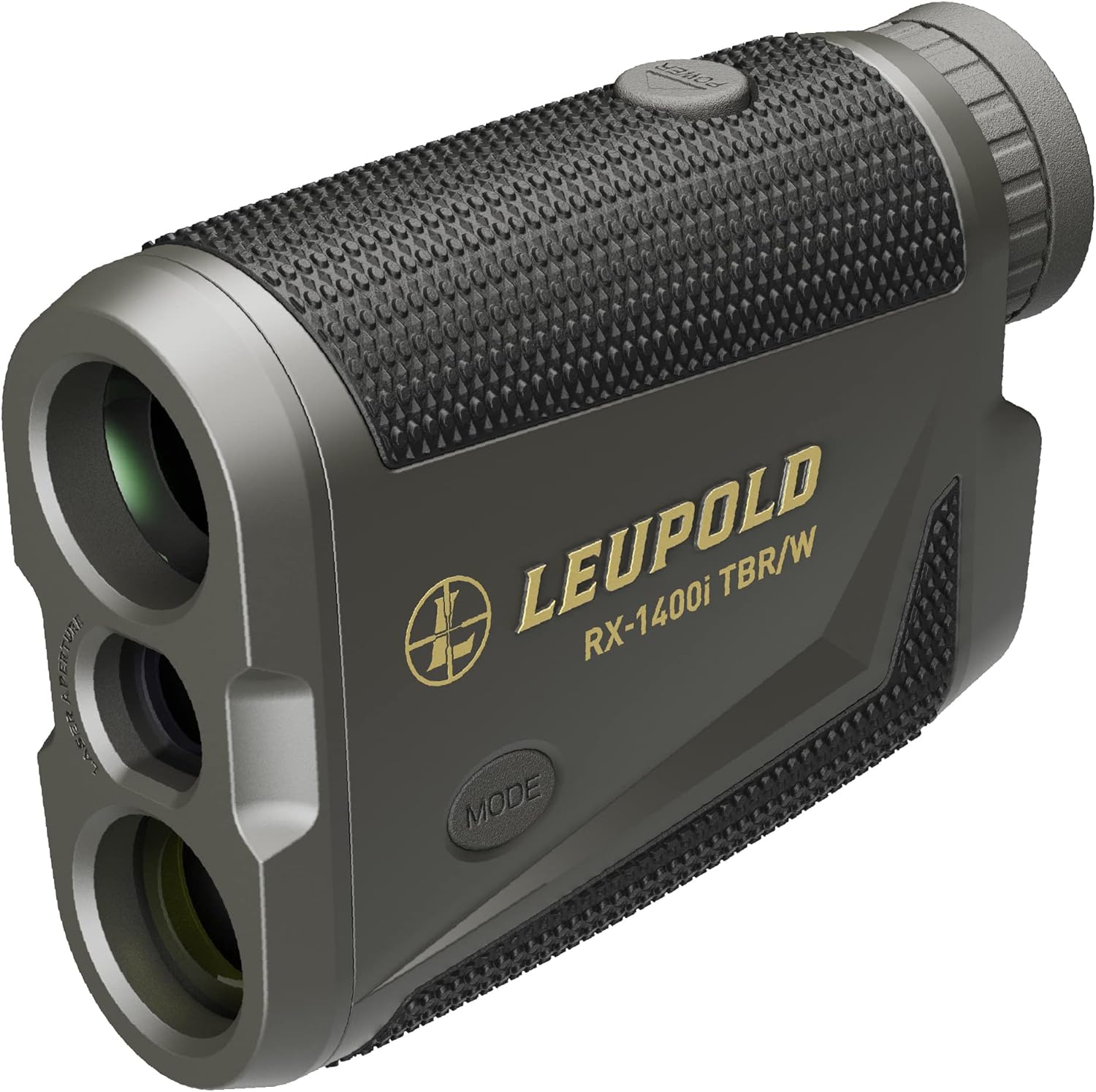
Leupold RX-1400i TBR/W Gen 2:
This is my top choice for value. Weighing just over 5 ounces, it fits easily in my jacket and still provides fast ballistics data. The red display stays readable, even against dark backgrounds. “Flightpath” mode helps bowhunters spot possible arrow obstacles before taking a shot, which can be a real lifesaver in tight situations.
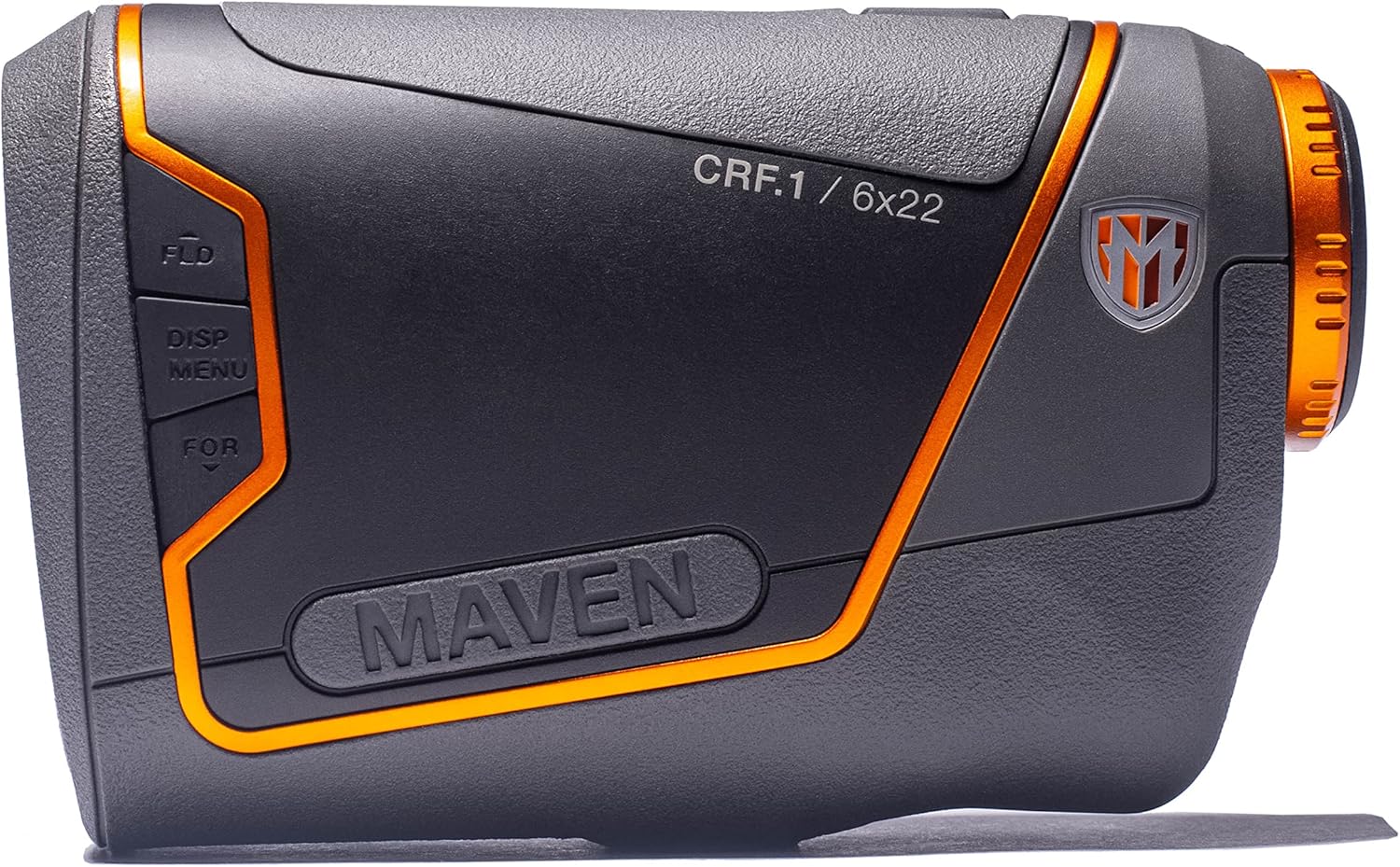
Maven CRF.1:
I like this one for its compact design and sharp optics. The display adjusts automatically for best visibility depending on conditions. It’s ideal for hunters who prioritize glass quality and want a reliable tool for outings at dawn or dusk.
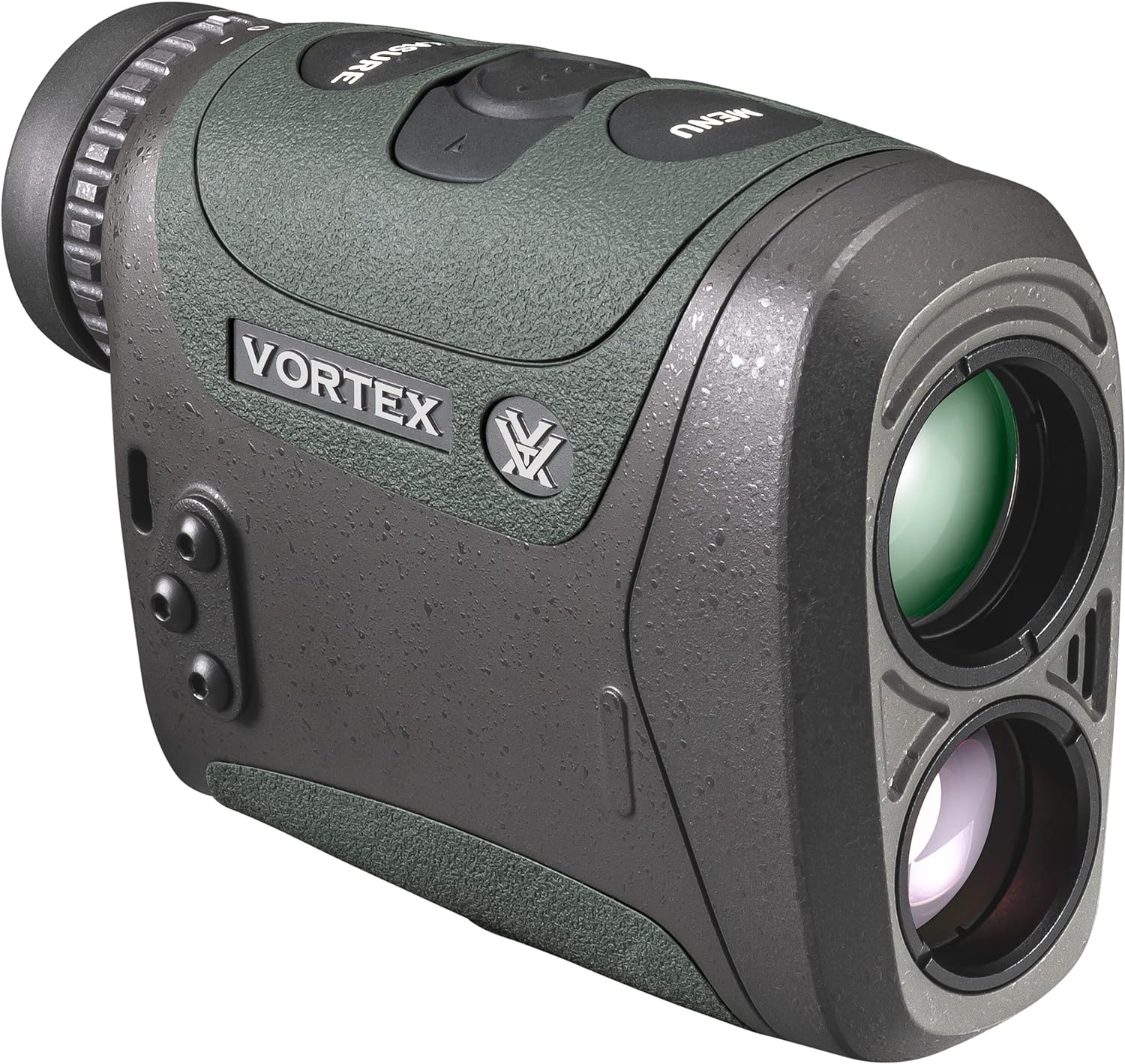
Vortex Razor HD 4000:
If you want top performance in a rugged package, this rangefinder delivers. Its magnesium chassis and Armortek lens coatings stand up to rough trips. I find the ranging speed fast enough for both moving targets and long-range shots at up to 4,000 yards on reflective surfaces.
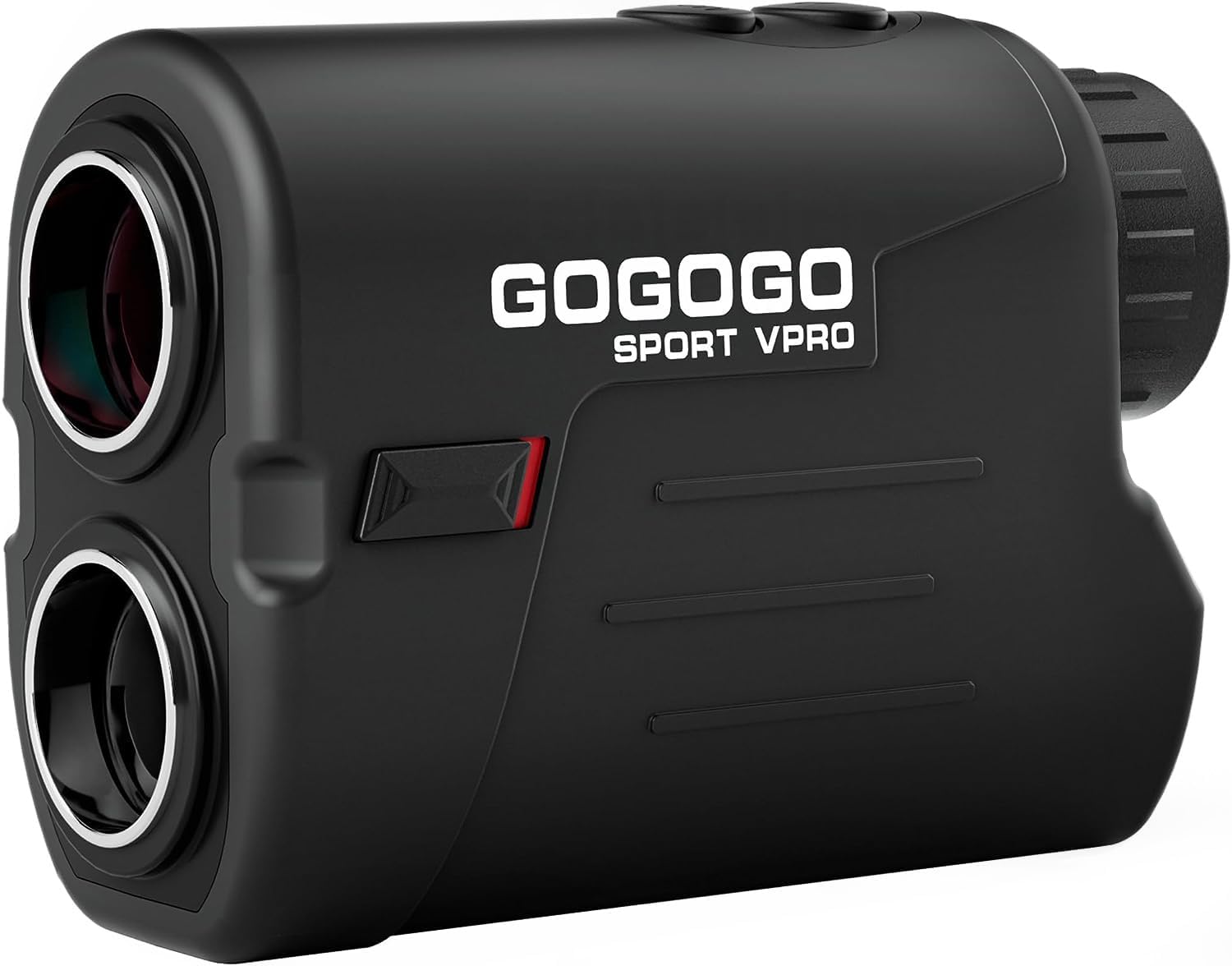
Budget Pick – Gogogo Sport Vpro GS03:
For those just getting started, this model is affordable and covers distances out to 1,200 yards. It includes basic angle compensation. It’s not as compact as some premium models, but it works well for beginners wanting to test the waters before committing to a pricier unit. While not packed with top-tier tech, it’s reliable and perfect for hunters just learning the ropes.
How Ballistics and Angle Compensation Help DIY Hunters
I’ve found that ballistic features and angle compensation become really helpful in hilly country or when shooting from a treestand. For example, Leupold’s TBR/W tech and Vortex’s HCD mode both adjust for true horizontal distance, which can make a difference in hitting your target cleanly.
This is especially meaningful with longer shots, where a misjudged angle can throw off bullet or arrow trajectory. I recall one archery hunt where angle compensation took the guesswork out of a steep downhill shot, helping me make a more ethical and successful harvest.
Most modern compact rangefinders offer these calculations with a tap of a button, saving me the effort of mental math or extra gear. These features aren’t just for long-range shooters either. Even bowhunters benefit, especially when the shot window is tight and accuracy counts. Some models even offer different modes for varying types of hunting, letting you fine-tune your settings depending on your weapon and the terrain.
Personal Picks Based on My Hunting Style
Since I rely on gear that’s reliable and simple to use, I stick with a few trusted brands. Here are the compact rangefinders that fit my needs for 2026:
- Leupold RX-1400i TBR/W Gen 2: This is my go-to for lightweight hunts. Its small size, ranging accuracy, and user-friendly interface have never let me down. For the price, I haven’t found a better mix of features and reliability. Even when hunting solo, this rangefinder gives me confidence that I’ll get the info I need fast.
- Vortex Razor HD 4000: When I expect harsh weather or demanding conditions, I reach for this model. The ruggedness and fast ballistics mode make it a solid partner for multiday hunts. The range is overkill for most situations, but I appreciate its toughness and the peace of mind that comes with carrying it.
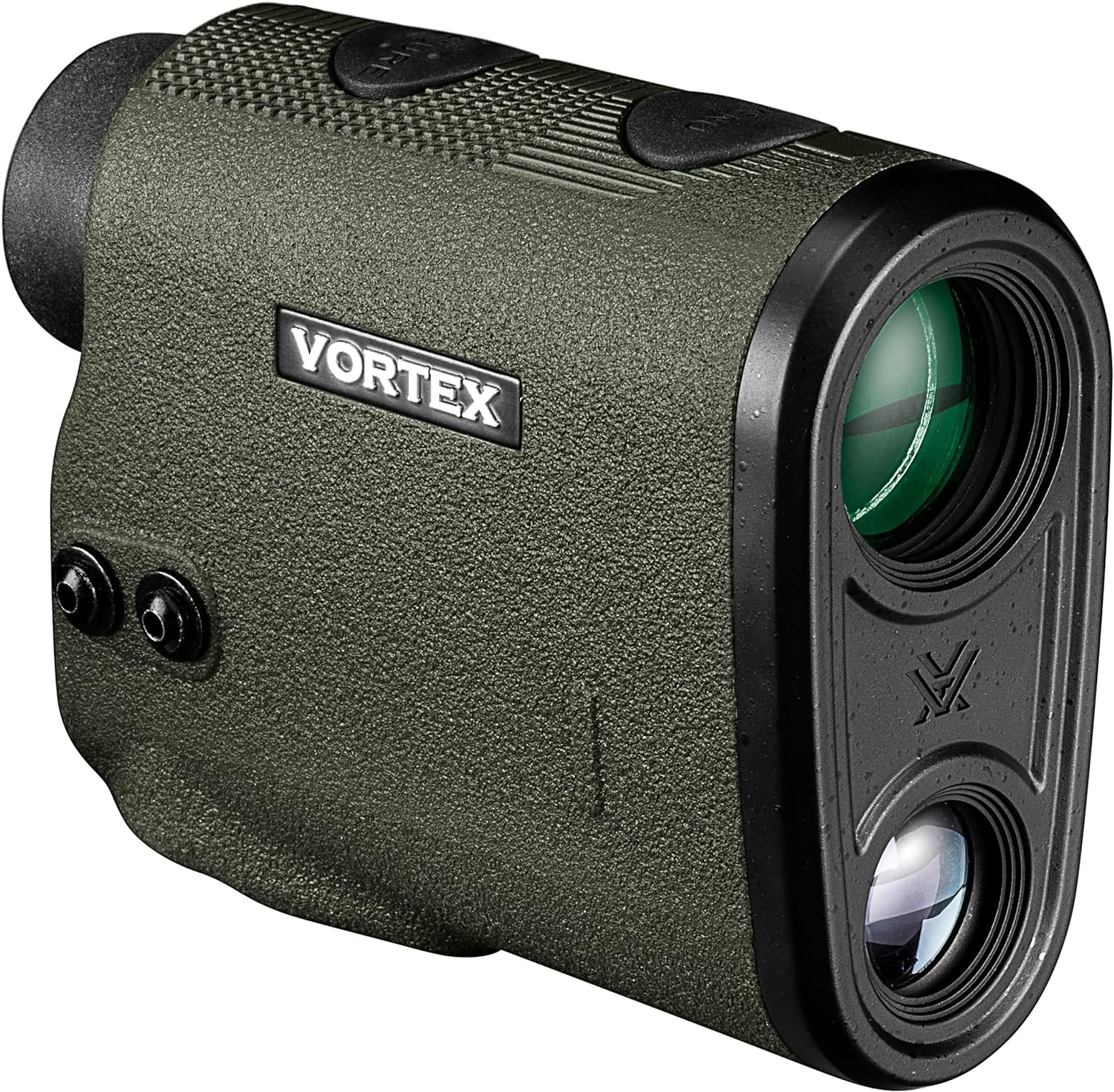
Vortex Diamondback HD 2000:
For simple bowhunting setups or when loaning gear to a friend, this rangefinder wins for simplicity and price. The two-button interface means I can operate it with gloves or in the dark, making last-minute shots easier. Lightweight and durable, it’s a great backup or beginner’s model.
Other Standout Compact Options Worth Checking Out
Some newer or specialist models have started to get more attention for specific reasons. Here are a few more choices for hunters looking for something different or wanting to mix in some variety:
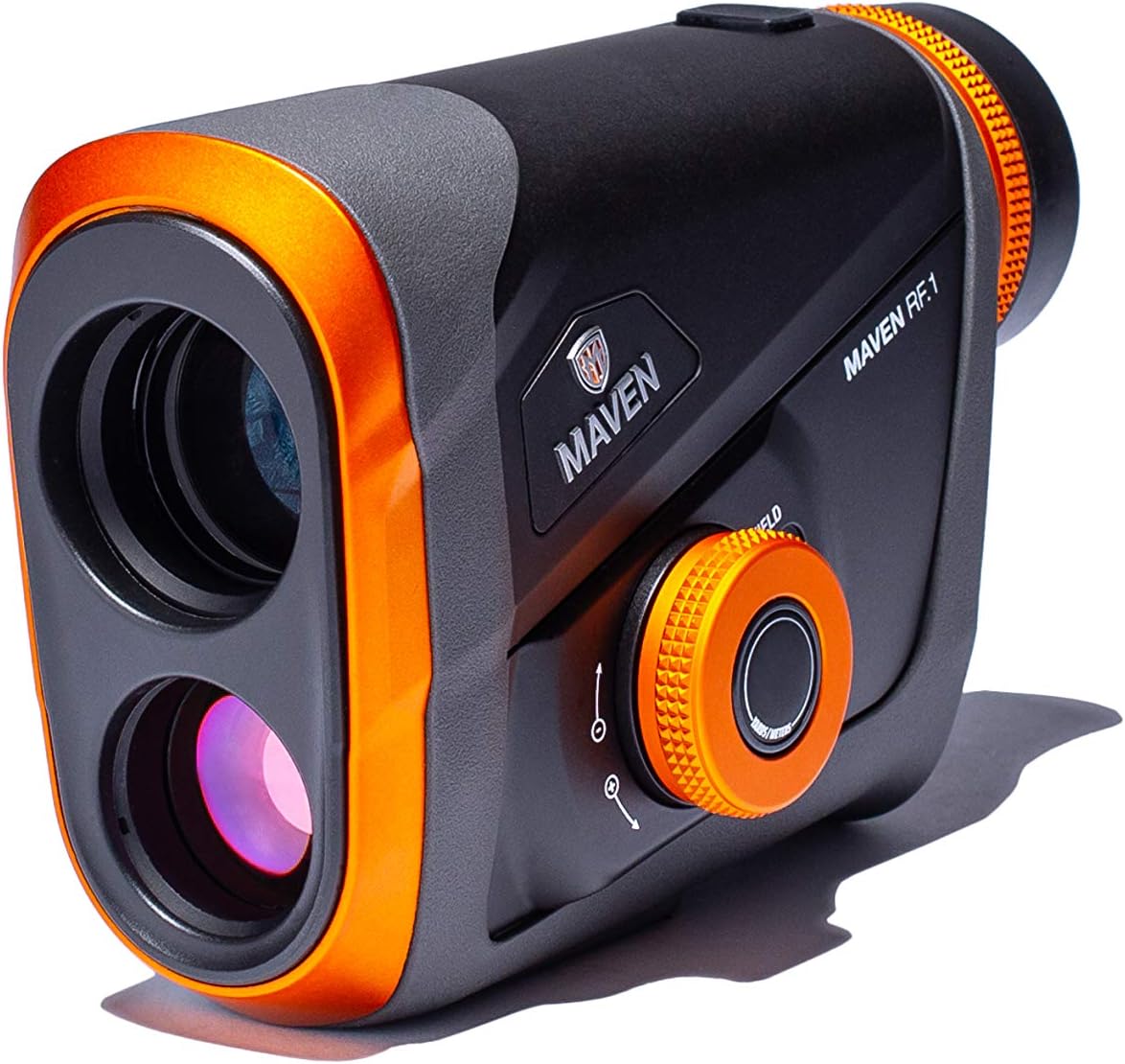
Maven RF.1 7×25:
Its control knob allows very quick adjustments with minimal button pressing. I find it particularly useful when I need to get a reading without fumbling through a menu, especially if I only have one free hand.
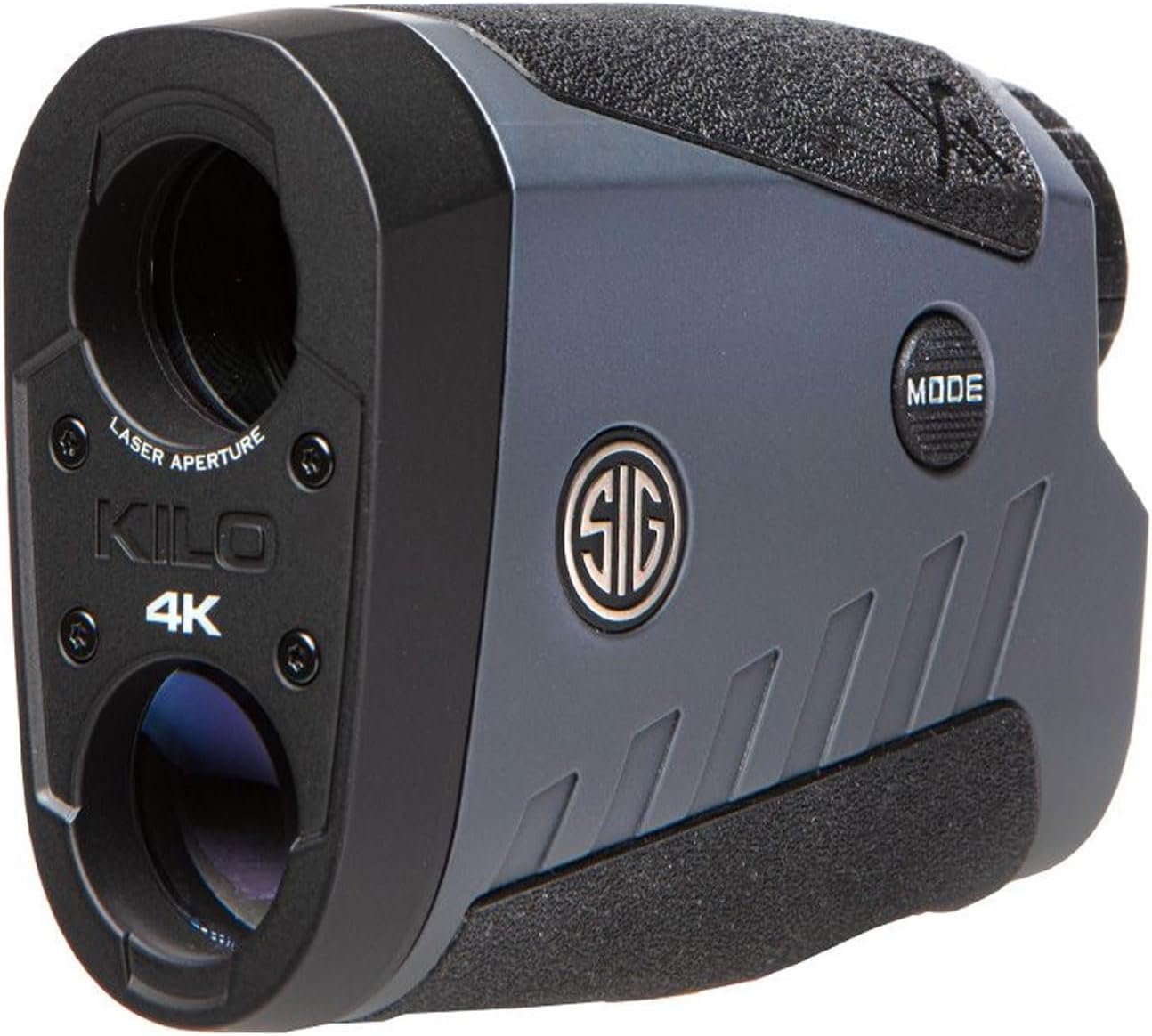
Sig Sauer KILO4K:
The standout feature here is image stabilization, great for anyone with shaky hands, or when I’m out of breath after hiking a steep hill. It also pairs with digital map apps, which is a nice bonus for those who combine tech with scouting or mapping new areas.
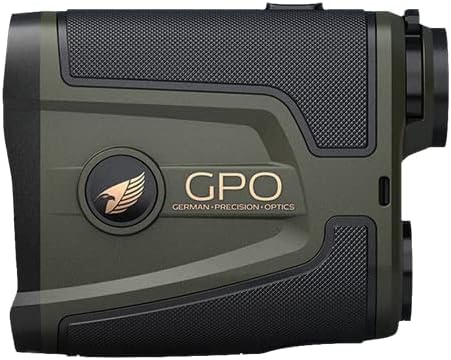
GPO Rangetracker 1800:
For a truly ultralightweight option, this model barely weighs more than my phone. It’s still fast to range, which is great for those quick target opportunities when stalking. Lightweight and simple operation make it a handy companion for the gear minimalist.
Common Problems and Practical Tips for Rangefinder Use
Even with all the right features, using a compact rangefinder in the field comes with its own set of learning points. I’ve run into a few of these issues and found ways to work around them:
- Weather Conditions: Fog, rain, or snow can mess with laser readings. Cleaning the lens and using a weatherproof model really helps keep things working when the weather turns. Some rangefinders even feature waterproofing or sealed battery compartments to cut down on weather issues even further.
- Button Placement: I’ve accidentally changed settings in cold-weather gloves. Models with larger, well-placed buttons are easier to use even in stressful moments. If you have big hands or wear gloves often, button size is a key consideration.
- Display Brightness: Bright orange or red displays work better for me in shadowy conditions. If you mostly hunt at sunrise or sunset, look for models that let you adjust display intensity. Customizable brightness means you won’t be squinting mid-hunt.
- Battery Life: Keeping a spare battery in my pack has saved more than one day, especially if I use the rangefinder often during long sits. A lightweight spare battery adds little weight and a lot of reassurance on longer adventures.
Weather and Durability Tips
Rugged construction is very important for hunters who expect to hunt in changing climates or rough terrain. Rubberized armor and waterproofing give peace of mind if I drop my rangefinder or get caught in an unexpected rainstorm.
Lens coatings that repel water and oil make cleaning easier and keep the view clear, which comes in handy when hunting in thick brush or in rainy, snowy areas. Investing in durability means your rangefinder works just as well on day fifty as on day one.
Settings and Fast Operation
Simple control layouts matter a lot, especially for DIY hunters juggling binoculars, calls, and rifles. I spend time at home before each season reviewing my rangefinder’s menu and practice checking ranges one-handed, so it becomes second nature when a shot presents itself.
If you’re new to using a rangefinder, practice at different targets and ranges; it really gives a boost to your confidence in the field. A little preseason prep goes a long way in making your tool work for you when it counts.
Frequently Asked Questions About Compact Rangefinders
Lots of new users have the same questions I had when I started:
Which rangefinder is best for new DIY hunters?
The Leupold RX-1400i TBR/W Gen 2 delivers a really balanced set of features without being too expensive. It’s also lightweight and easy to use. The controls are intuitive, making it a smart starter choice for those learning the ropes.
How much range do I really need for hunting?
For most hunting situations, a rangefinder that can read out to 1,000 or 1,200 yards is more than enough. Only specialized long-range shooters need 2,000+ yard models. Consistent accuracy at your hunting distances (like 30–400 yards) is far more valuable than extreme distance capability. Don’t be swayed by marketing that touts more range than you’ll ever realistically use.
Do I need angle compensation for bowhunting?
Yes, if you hunt from a treestand or in hilly areas. Angle compensation makes sure the range reading reflects the true horizontal distance, improving your shot placement and upping your odds of a clean, ethical harvest.
Why Compact Rangefinders Are Worth It for DIY Hunting Success
The right compact rangefinder brings both convenience and accuracy to all types of hunting. For me, having a rangefinder I can trust means less guesswork and more confidence when it’s time to take a shot. I value models that combine lightweight, reliable range readings and enough ruggedness to survive tough conditions.
Whether you’re heading out on your first backcountry hunt or looking for a lightweight backup to stash in your pack, investing in a modern compact rangefinder makes a noticeable difference in both comfort and confidence on every hunt. With the right gear, you get to focus on what matters most: being present in the moment and making the most of every hunt.
Most Recent Articles:
- Reviewing Compact Rangefinders For Precision In DIY Hunting

- Common Misconception: DIY Hunting Is Only For Experienced Pros

- How To Choose The Right Handheld GPS Device For Solo Hunting

- Smartphone-integrated GPS Mapping For Hunting And Hiking
- Modular Backpack Tree Stands For Hunting
- Communication In Remote Hunting Areas With No Cell Service

As always, stay safe, enjoy the journey, and please try to leave it cleaner than you found it. If you have any comments, questions, ideas, or suggestions, please leave them in the comment section below, and I’ll get back to you ASAP. You can follow us on YouTube: Man Art Creations for videos of our DIY Adventures.
P.S. Thanks so much for checking out our blog; we really appreciate it. Just so you know, we may receive a commission if you click on some of the links that appear on our site. This helps us keep our content free and up-to-date for everyone. We appreciate your support!