
Contents
- 1 Key Features Hunters Should Look for in a Garmin GPS Device
- 2 Top Garmin Models for DIY Hunting Expeditions
- 3 How Specialized Garmin Features Help on Hunting Trips
- 4 Tips for Using Garmin GPS Devices on Your Hunts
- 5 Frequently Asked Questions
- 6 Challenges You Might Face and How to Handle Them
- 7 How GPS Devices Improve Specific Hunting Scenarios
- 8 Why Investing in a Garmin GPS Device Pays Off for DIY Hunters
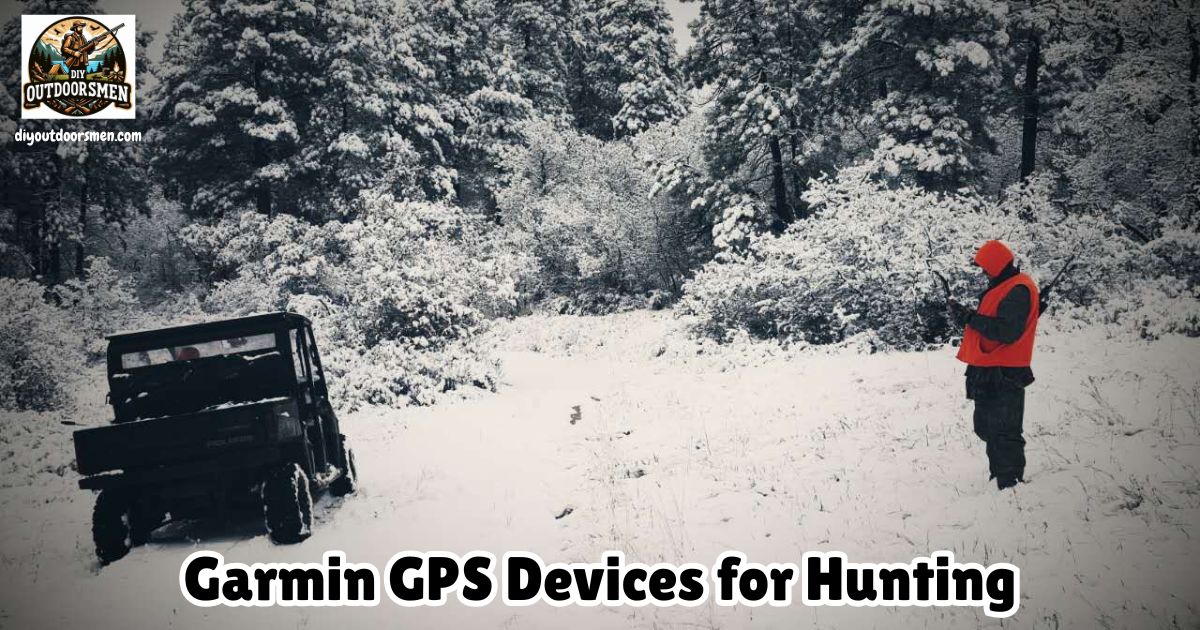
Garmin GPS devices have become my go-to tools for these remote adventures. Planning a DIY hunting trip often means heading far from roads, cell towers, and everyday comforts. For me, getting out there with reliable navigation tools makes the entire experience safer and much more enjoyable. They combine useful mapping, communication features, and rugged durability, making them a practical choice for hunters who handle their own trips.
QUICK LOOK: Garmin GPS Tips for Hunters
- Keep Software Updated: Garmin offers regular firmware and map updates, which add new features and keep the base maps accurate. I always update my device before heading out, so I get the current land ownership layers and trail data. Delaying updates can leave you with outdated information, so it helps to make this part of your pretrip checklist.
- Save Battery Power: Lowering screen brightness and switching to battery-saving or expedition mode extends use. I also turn off nonessential sensors when not in use. Setting my device to sleep mode or powering down when stationary can save hours of battery life, which is helpful during longer stays in camp.
- Carry Extra Power: While the newest devices last a long time, I carry a small battery bank to recharge if needed. On trips over three days, this has saved me from running out of juice. Packing some extra rechargeable batteries can also help if your model needs them.
- Practice Using It Before You Go: I set up my route, review how to mark locations, and get familiar with switching between map screens. Before my first trip, I made a habit of practicing around home to build confidence. Trying out all the menus and setting up a quick test track lets me troubleshoot issues ahead of time.
Key Features Hunters Should Look for in a Garmin GPS Device
Understanding what matters most in a GPS unit really helps when searching for a device that can handle the demands of a hunting expedition. I generally focus on certain features that have made a difference during my trips.
- MultiGNSS Support: Access to several satellite networks (like GPS, GLONASS, and Galileo) improves signal accuracy, especially in thick woods or hilly terrain.
- InReach Satellite Technology: Allows for two-way text messaging and SOS calls even far from cell coverage, making it easier to contact someone in case of emergencies.
- Preloaded TopoActive Maps: These maps show not just trails but also property boundaries, water sources, and game funnels. With accurate mapping, I can avoid wandering onto private land or getting turned around.
- Durability & Waterproofing: IPX7 rating means the unit can withstand rain, splashes, or a quick dunk in a creek. I found this super important when the weather turns, or when gear gets tossed around in a pack.
- Battery Life: Longer battery life means less worrying about your gear dying on a multiday trip. Some Garmin devices can run for days without a recharge, which lets me focus on tracking game, not searching for power options.
Top Garmin Models for DIY Hunting Expeditions
Over the last few years, I’ve put several Garmin models to the test during my own hunts. Here’s a breakdown of popular choices among hunters and what made each one useful in my experience.
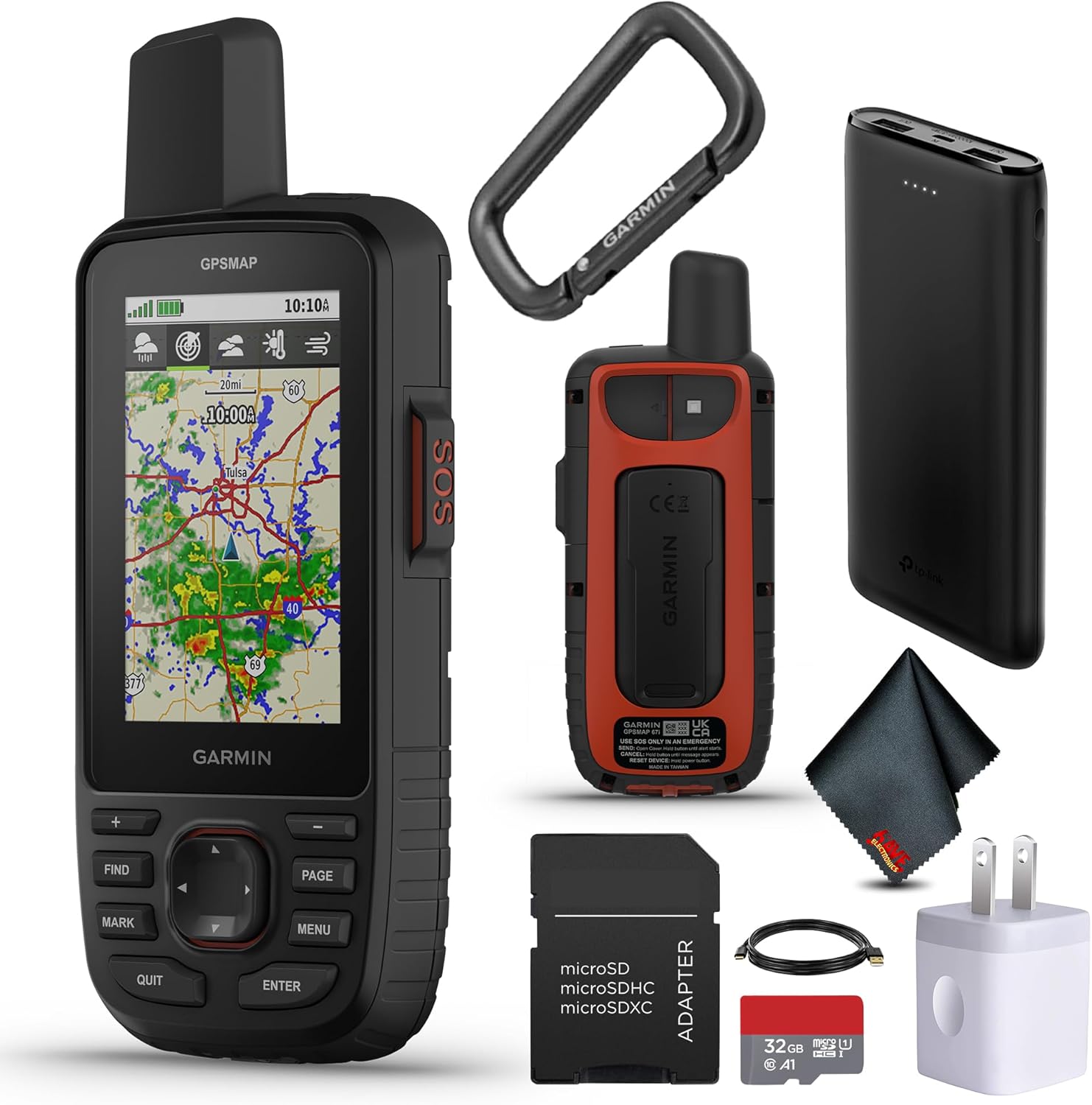
Garmin GPSMAP 67i:
This is widely considered the best all-around option. It comes with preloaded TopoActive maps, multiband GNSS for extra accuracy, and built-in inReach satellite messaging. Being able to share my location and mark stand sites or blood trails directly on the device felt really helpful when out of cell range.
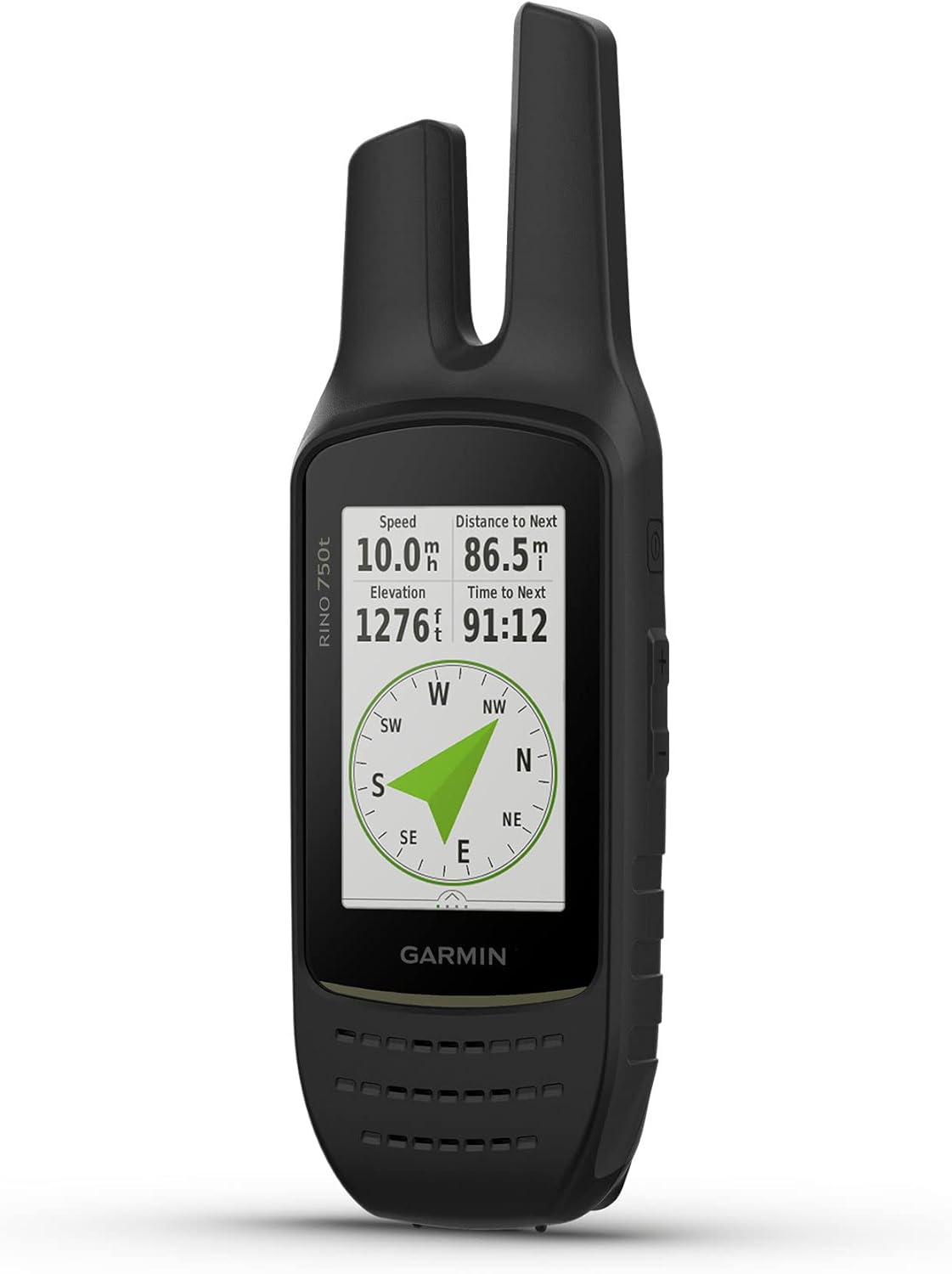
Garmin Rino 750t:
Combines GPS functions with two-way radio communication. As someone who occasionally hunts with a buddy, I found the ability to see each other’s positions on the screen made team tracking much easier. The radio range can reach up to 20 miles in open terrain; this is a huge benefit for larger properties or thick forests.
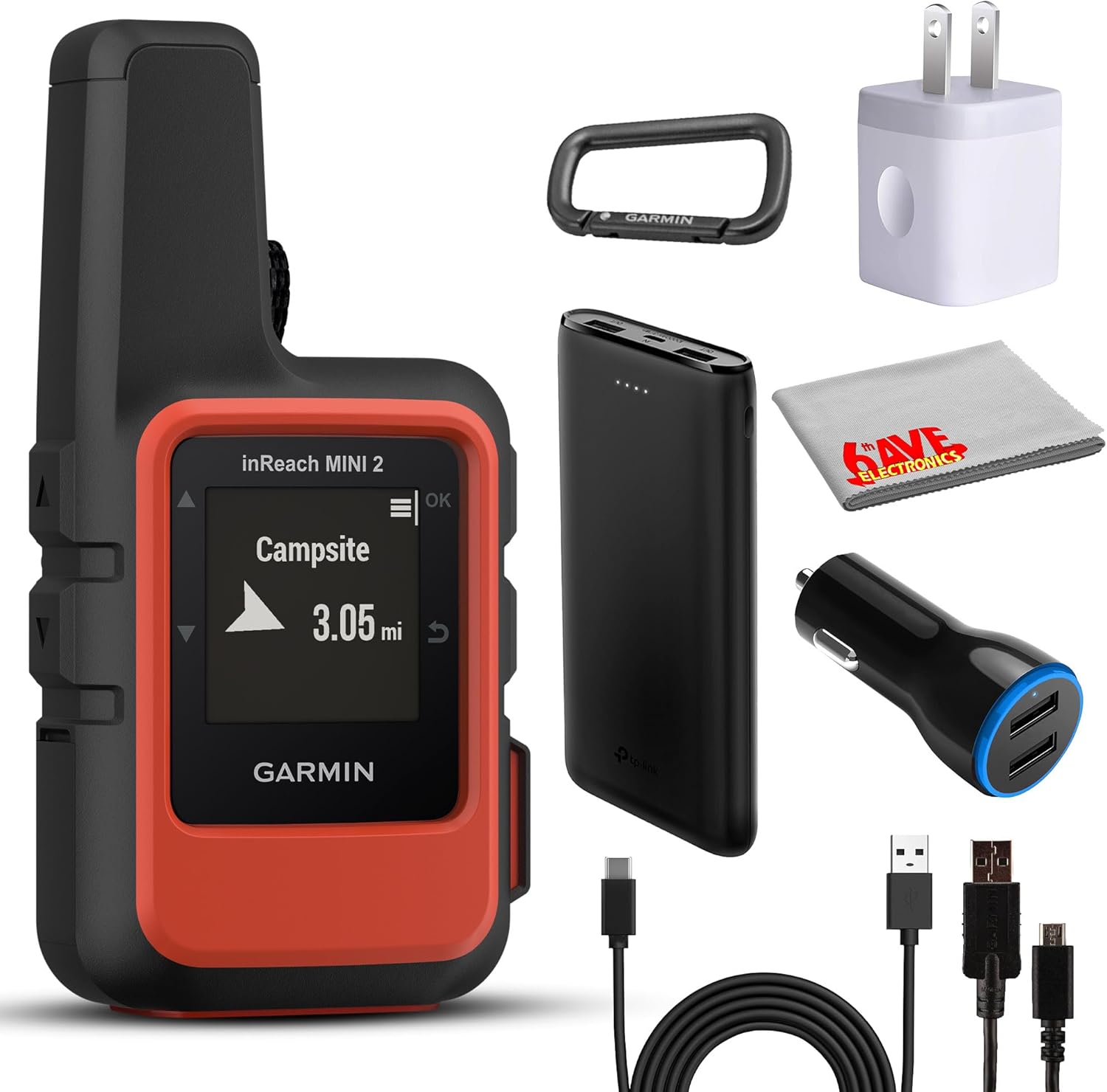
Garmin inReach Mini 2:
This small, lightweight device (just 3.5 oz) is perfect for anyone looking to cut pack weight. It sends satellite texts and also has a TracBack feature to retrace my steps if I lose my way. Connecting it to the Garmin Explore app on my phone gives me a bigger map display, which I find makes for easier planning.
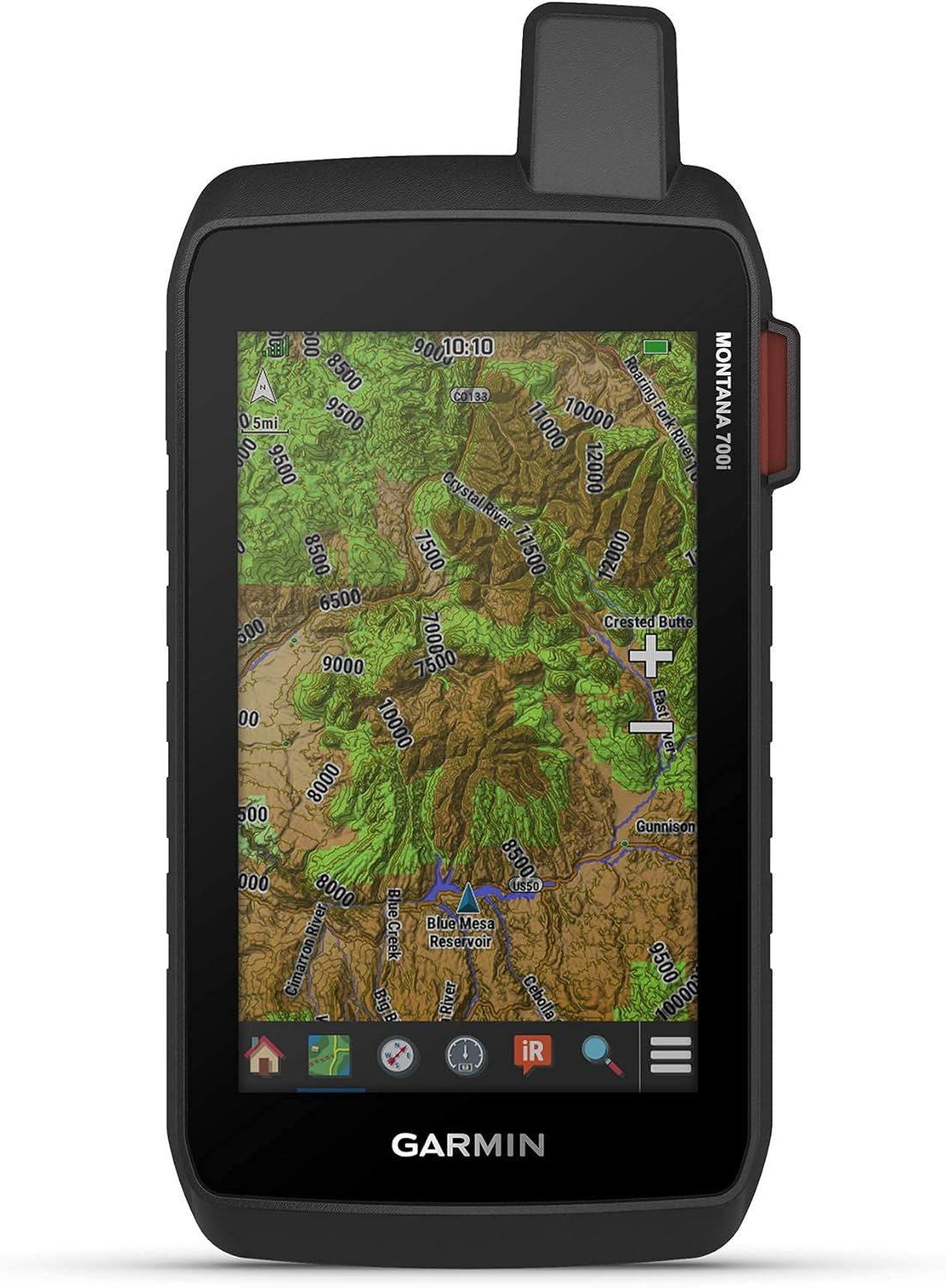
Garmin Montana 700i:
This device has a large 5-inch touchscreen that I can use with gloves on. The screen is easy to read in sunlight and is large enough to get a quick sense of where I am and what’s nearby. The Montana 700i supports inReach satellite messaging, downloadable BirdsEye Satellite Imagery, and offers detailed topographic mapping.
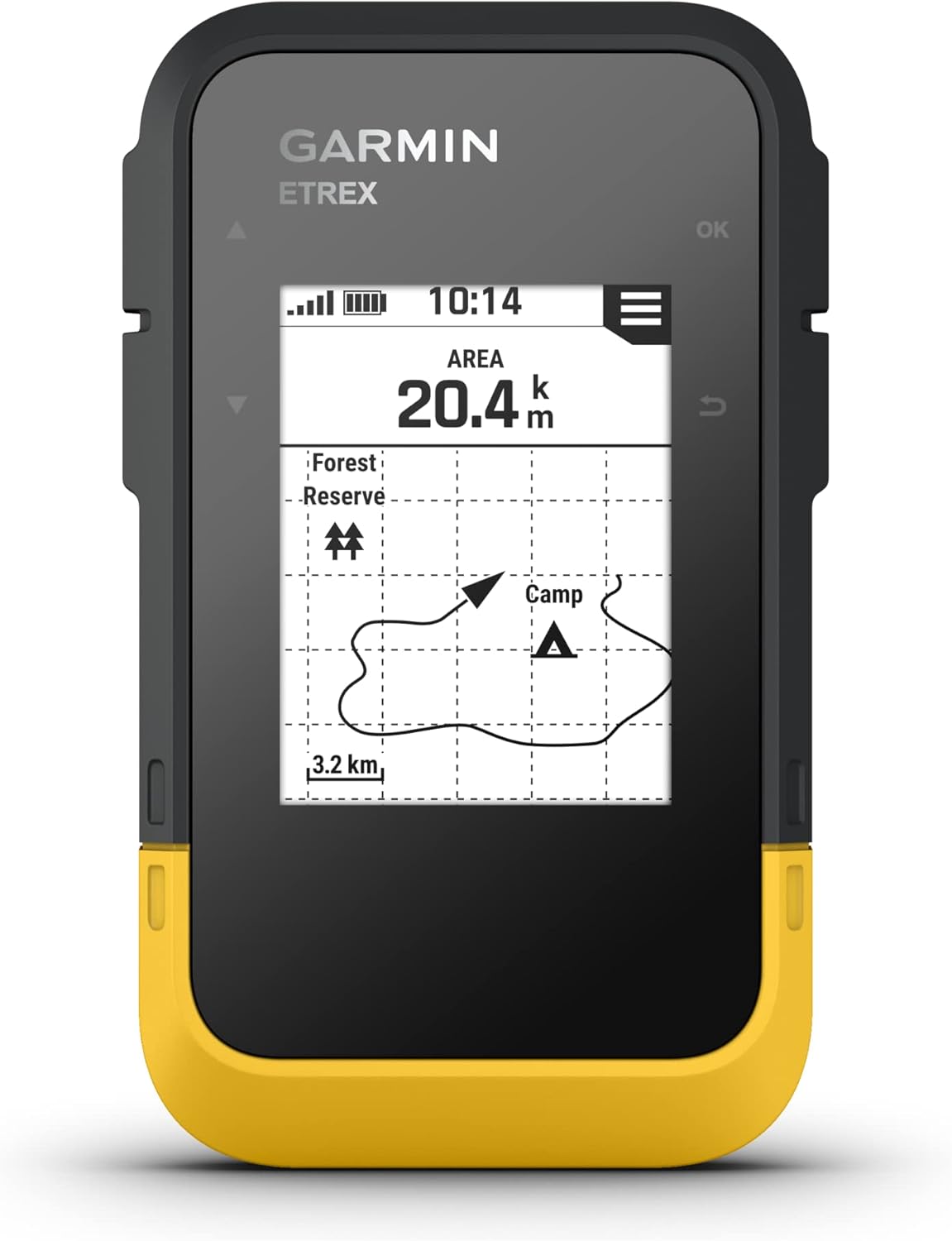
Garmin eTrex SE:
For hunters who want something simple and reliable, the eTrex SE handles basic location tracking, comes with breadcrumb trails, and doesn’t require a steep learning curve. It’s budget-friendly and still tough enough for heavy use.
How Specialized Garmin Features Help on Hunting Trips
Garmin builds several features into these devices with hunters in mind. I have found some of these features really pay off during extended or remote trips.
- onX Hunt Chip Compatibility: Some Garmin models support adding chips or maps like onX Hunt. This allows me to overlay detailed land parcel information, making it easier to stay legal and find public hunting land boundaries.
- Waypoint Marking: I often use waypoints to mark game trails, stands, waterholes, or previously found sign. This helps me revisit hotspots or track trails over time. Looking back over past waypoints, I can spot good routes for future hunts and see trends in how animals move in the area.
- Emergency SOS: With inReach-enabled Garmin units, I have peace of mind knowing that I can trigger an SOS if I get hurt or lost. The SOS connects to GEOS, a 24/7 search and rescue monitoring center. Knowing that help is one button press away is a big deal when miles from the road.
Tips for Using Garmin GPS Devices on Your Hunts
I picked up several habits that make using a Garmin GPS device more effective during DIY hunting trips.
- Keep Software Updated: Garmin offers regular firmware and map updates, which add new features and keep the base maps accurate. I always update my device before heading out, so I get the current land ownership layers and trail data. Delaying updates can leave you with outdated information, so it helps to make this part of your pretrip checklist.
- Save Battery Power: Lowering screen brightness and switching to battery-saving or expedition mode extends use. I also turn off nonessential sensors when not in use. Setting my device to sleep mode or powering down when stationary can save hours of battery life, which is helpful during longer stays in camp.
- Carry Extra Power: While the newest devices last a long time, I carry a small battery bank to recharge if needed. On trips over three days, this has saved me from running out of juice. Packing some extra rechargeable batteries can also help if your model needs them.
- Practice Using It Before You Go: I set up my route, review how to mark locations, and get familiar with switching between map screens. Before my first trip, I made a habit of practicing around home to build confidence. Trying out all the menus and setting up a quick test track lets me troubleshoot issues ahead of time.
Frequently Asked Questions
I often hear these questions from hunters who are considering a Garmin device for the first time:
Do I need both a map chip and the preloaded maps?
You can rely on preloaded TopoActive maps for general navigation, but hunters who want private land boundaries and up-to-date access information find the onX Hunt Chip valuable as an extra layer.
How rugged are Garmin GPS units?
Most Garmin handhelds have an IPX7 rating, so they survive wet, muddy, and cold conditions. I have dropped mine several times, and it still works fine after I dry it off.
Will my Garmin work without cell service?
Yes, GPS and inReach communication work by satellite, not cell towers. This is the main reason I bring one along; my phone quickly loses signal in the backcountry.
Challenges You Might Face and How to Handle Them
No GPS device is perfect, and I’ve run into a few common challenges. Here’s how I usually handle them:
- Losing Signal: Very dense timber or deep canyons can block satellites. When this happens, I either look for open areas or wait a few minutes. MultiGNSS support in new Garmin models really helps minimize these blackouts, but having some patience and scouting for gaps in the canopy can sometimes restore your signal.
- Cold Weather Impacts: Batteries drain faster in the cold. Keeping the device inside my jacket pocket avoids sudden shutdowns. I also store extra batteries close to my body, and sometimes rotate devices to keep them warm.
- Overwhelming Map Layers: Turning on too many map layers made the display cluttered and slowed down my process. I now stick to just the layers I need for each hike. Cleaning up your screen can make it easier to pick up trails and natural features without extra distractions.
InReach Subscription Requirement
InReach satellite communication on Garmin devices requires a paid subscription. I choose the plan based on how many trips I plan for the season. For single trips, Garmin offers flexible short-term options, making it less expensive than an annual subscription. This flexibility helps hunters of all commitment levels tailor the service to their actual time spent in the field, lowering costs when possible.
How GPS Devices Improve Specific Hunting Scenarios
Certain hunting styles or locations benefit more from GPS technology. Here’s what I’ve experienced:
- Backcountry Hunts: When miles from the nearest road, having a device that can mark a blood trail or camp location has made retrieval and navigation much more manageable for me. Last season, I was able to find my way back to a remote elk carcass after a sudden fog rolled in, just by following my track log.
- Big Western Public Lands: Land boundaries can be hard to spot. With property info on my GPS, I avoid trespassing and can scout large landscapes with more confidence. When scouting for new places to hunt, being able to track down open public lots has saved hours of driving and glassing.
- Waterfowl and Small Game: In wetlands or heavy brush, tracking my route in and out means I don’t get turned around at dusk or dawn. The breadcrumb trail lets me find my way out when everything looks the same in dim light.
Why Investing in a Garmin GPS Device Pays Off for DIY Hunters
Good navigation is really important on a hunting trip that takes you off the grid. I’ve found Garmin GPS devices make trips safer, add convenience, and let me focus on the hunt instead of worrying about getting lost. I use the GPSMAP 67i most often, but smaller units like the inReach Mini 2 have a spot in my pack for weekend backpack hunts.
Paired with smart route planning, situational awareness, and a bit of practice, a Garmin GPS unit has become one of my most trusted pieces of gear for any hunting trip. If you’re looking to step up your hunting adventures and spend more time outdoors, tracking down reliable and rugged GPS devices like these will definitely give a boost to your confidence and safety.
Most Recent Articles:
- Garmin GPS Devices: Navigational Must-Haves For DIY Hunting Expeditions
- Best Rooftop Tents For Overlanding

- Overlanding The Infamous Black Bear Pass In Colorado
- How To Pack A Lightweight Backpack For DIY Backpack Hunting Trips
- Navigating The Hunt Application Process In The US

- Kodiak Canvas Cabin Lodge Tent
As always, stay safe, enjoy the journey, and please try to leave it cleaner than you found it. If you have any comments, questions, ideas, or suggestions, please leave them in the comment section below, and I’ll get back to you ASAP. You can follow us on YouTube: Man Art Creations for videos of our DIY Adventures.
P.S. Thanks so much for checking out our blog; we really appreciate it. Just so you know, we may receive a commission if you click on some of the links that appear on our site. This helps us keep our content free and up-to-date for everyone. We appreciate your support!