

Contents
Portable LED headlamps have made a huge difference for anyone who spends time outdoors. I often reach for my trusty headlamp on backpacking trips, early morning runs, or evening hikes. Having bright, hands-free light boosts safety, helps me see the trail, and makes setting up camp or reading a map much easier.
QUICK LOOK: Key Considerations when Choosing a Headlamp
- Battery type and runtime: Rechargeable batteries are more convenient and environmentally friendly, but always check the estimated runtime on your preferred brightness setting. Some headlamps still use AAA batteries, which are easy to swap in the field.
- Comfort and adjustability: I always check for soft headbands, balanced weight distribution, and easy adjustments. Models with a top strap add stability if I’m running or scrambling over rough ground.
- Lockout feature: Headlamps can accidentally turn on when stuffed in a pack, so having a lockout mode prevents surprise dead batteries.
- Charging options: USBC is more common now and charges faster. Being able to use a power bank is helpful during longer adventures.
- Controls and usability: Simple, glove-friendly controls matter to me when I’m outdoors in cold weather or need to switch modes quickly in the dark.
LED technology means I can count on strong performance, low power use, and a lightweight design all in one simple tool. Choosing the right headlamp, though, involves thinking about what you actually need, since the market now offers more choices than ever.
Essential Features of Modern Portable LED Headlamps
I’ve learned that not all portable headlamps are created equal. Some features matter a lot more in outdoor settings than others. For hiking and camping, brightness measured in lumens is usually the first thing I check. Around 300 to 600 lumens is enough for most activities like trail finding or late-night chores around camp. Higher lumens come in handy for running at night or following tricky trails.
Battery life has become much better thanks to lithium-ion rechargeable batteries. I can now go for days with a single charge in low mode, but brighter settings drain batteries faster. Most outdoor headlamps include USB or USBC charging, which I find useful when I want to top off from a power bank.
- Brightness: Choose enough lumens, but avoid picking the brightest model if you want longer battery life.
- Weight: Lightweight options under 100 grams are nicer for long hikes or runs. Heavier models usually offer more battery life but can feel bulky.
- Beam modes: Having both flood (wide) and spot (focused) beams is helpful. Flood beams are great for camp tasks and reading, while spot beams can spotlight a distant trail marker or sign.
- Water resistance: Look for IPX6 or higher, especially if you expect rain. This protects against heavy downpours and the occasional drop in a puddle.
- Red light mode: This is super helpful for preserving night vision and for not waking up others in a campsite. I never buy a headlamp without at least a basic red setting.
- Tilt adjustment: It helps a lot to change the angle of the lamp without moving my whole head.
In addition, checking the headband material and lamp positioning is important. Soft and moisture-wicking bands prevent discomfort after hours of use, and lamps that tilt smoothly avoid strain on your neck.
Top Portable LED Headlamps for the Outdoors
Over the years, I’ve tested and used a range of headlamps for hiking, trail running, camping, and night fishing. My experiences, along with customer reviews and expert recommendations, have helped me track down this list of favorite options for 2026:
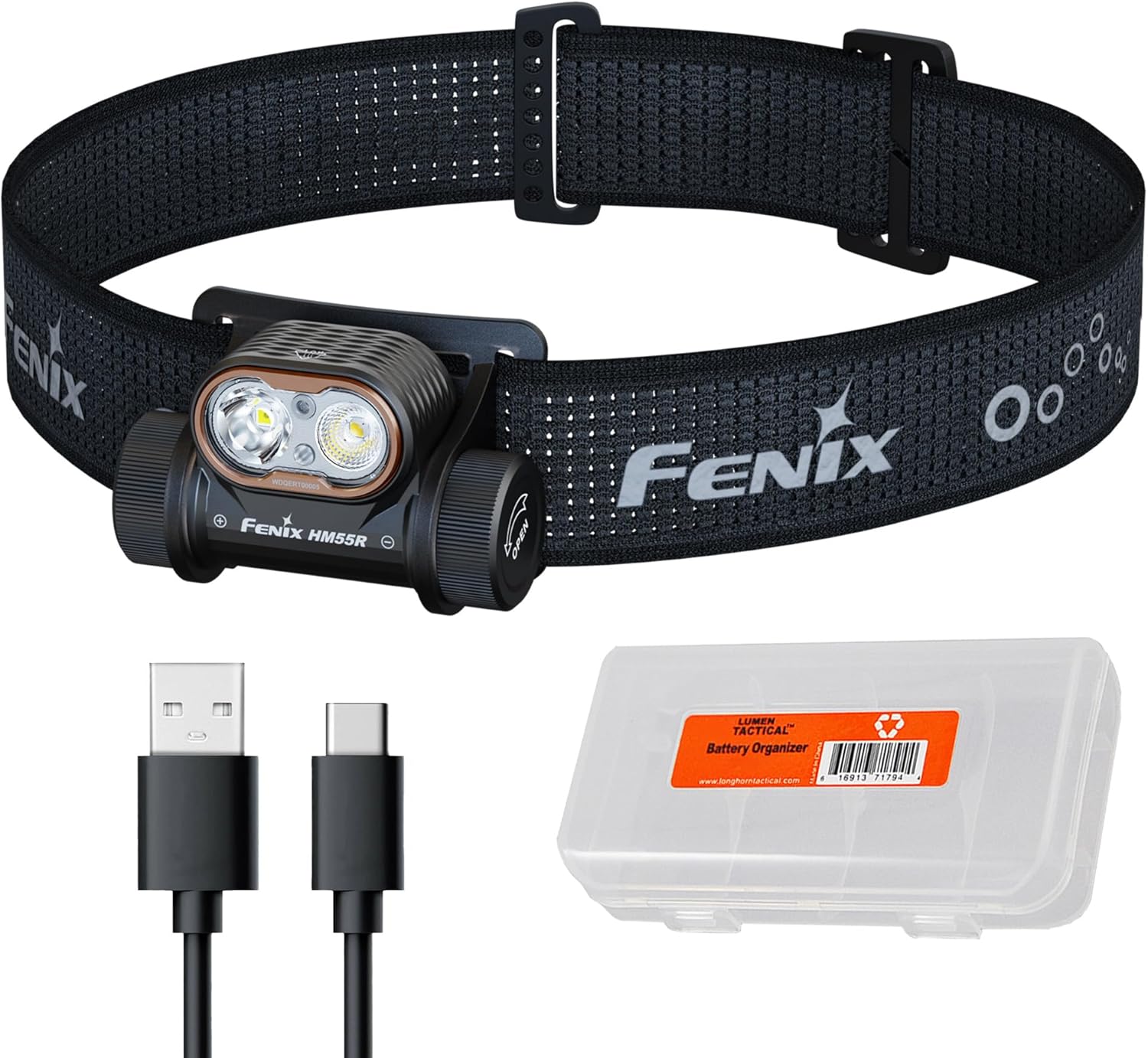
Best Overall: Fenix HM55R Renegade.
Bright, comfortable, and reliable in wet weather. This is my usual pick when I want one lamp to handle anything.
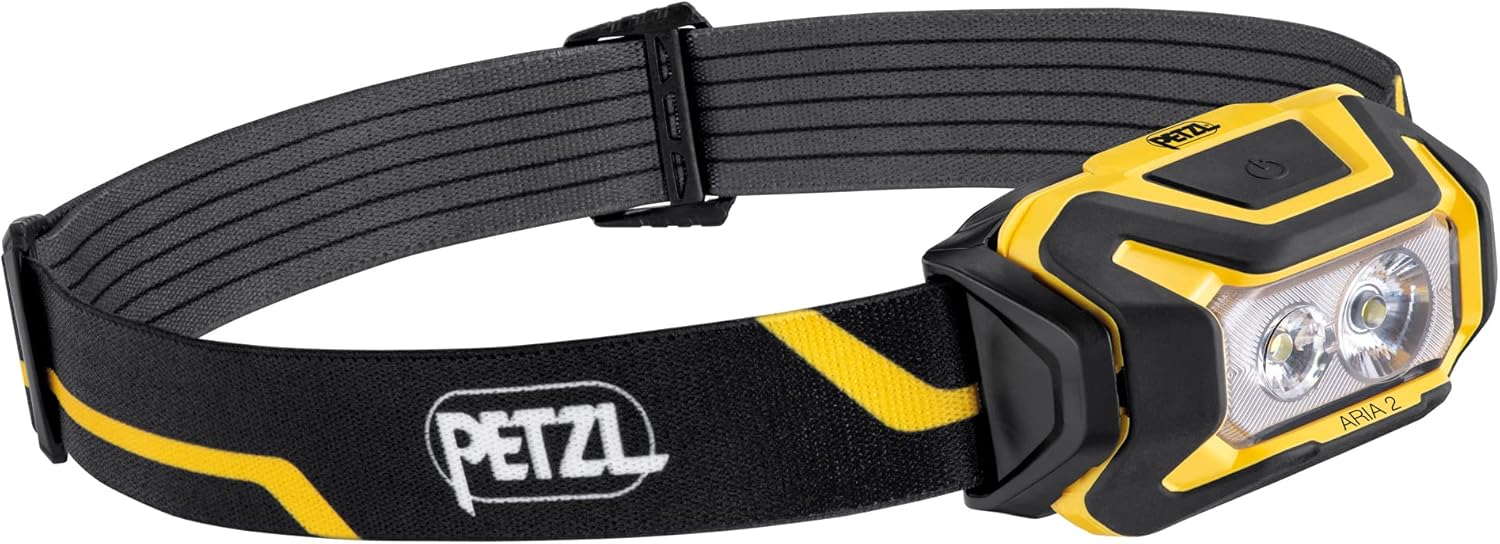
Great for Hiking: Petzl Aria 2.
Lightweight and dependable for regular trail use. It stands up to rough handling and still works after hours in the rain.
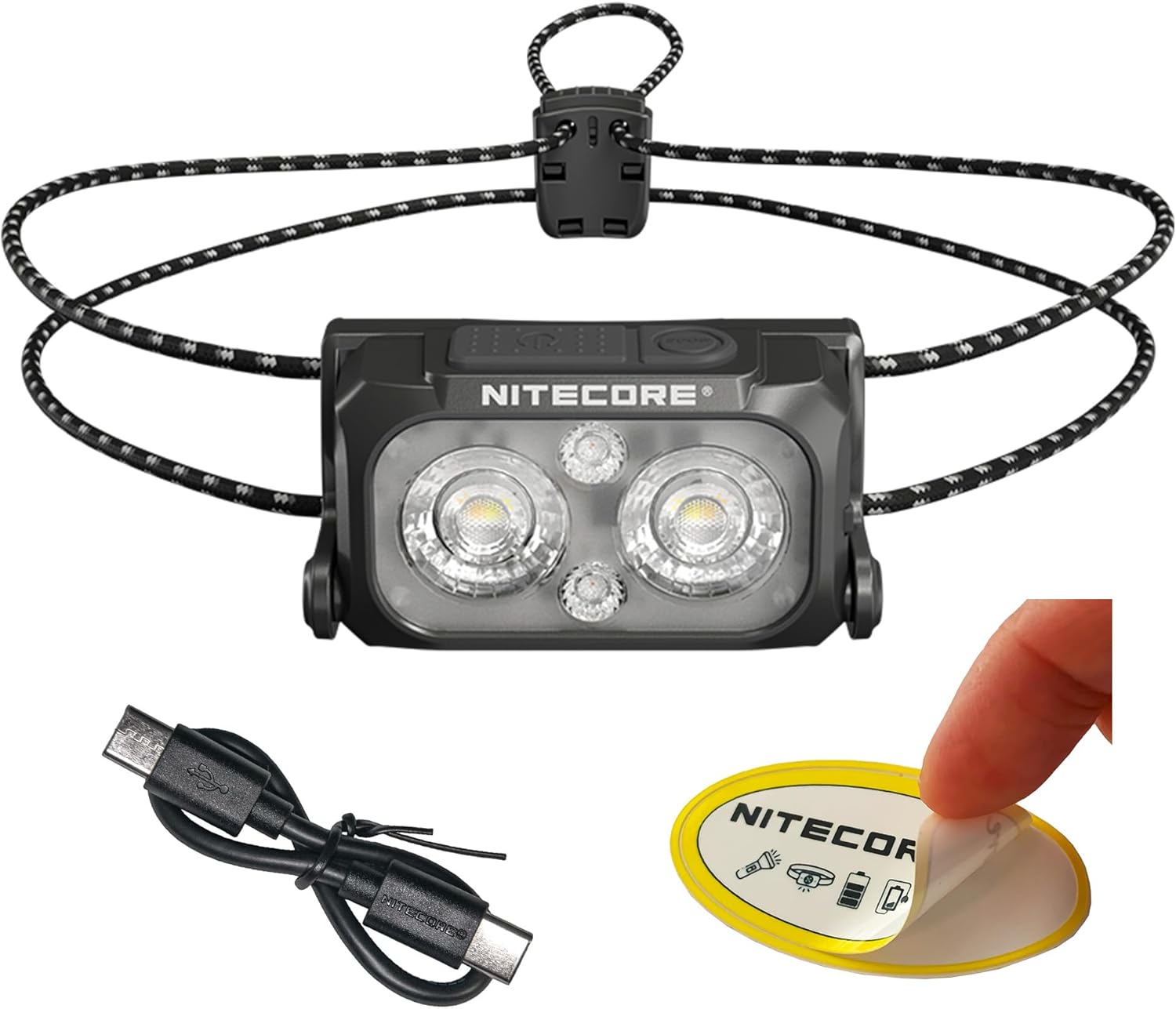
Best for Backpackers: Nitecore NU25 UL
Super light at under 60 grams, fits small backpacks, and meets most overnight needs.
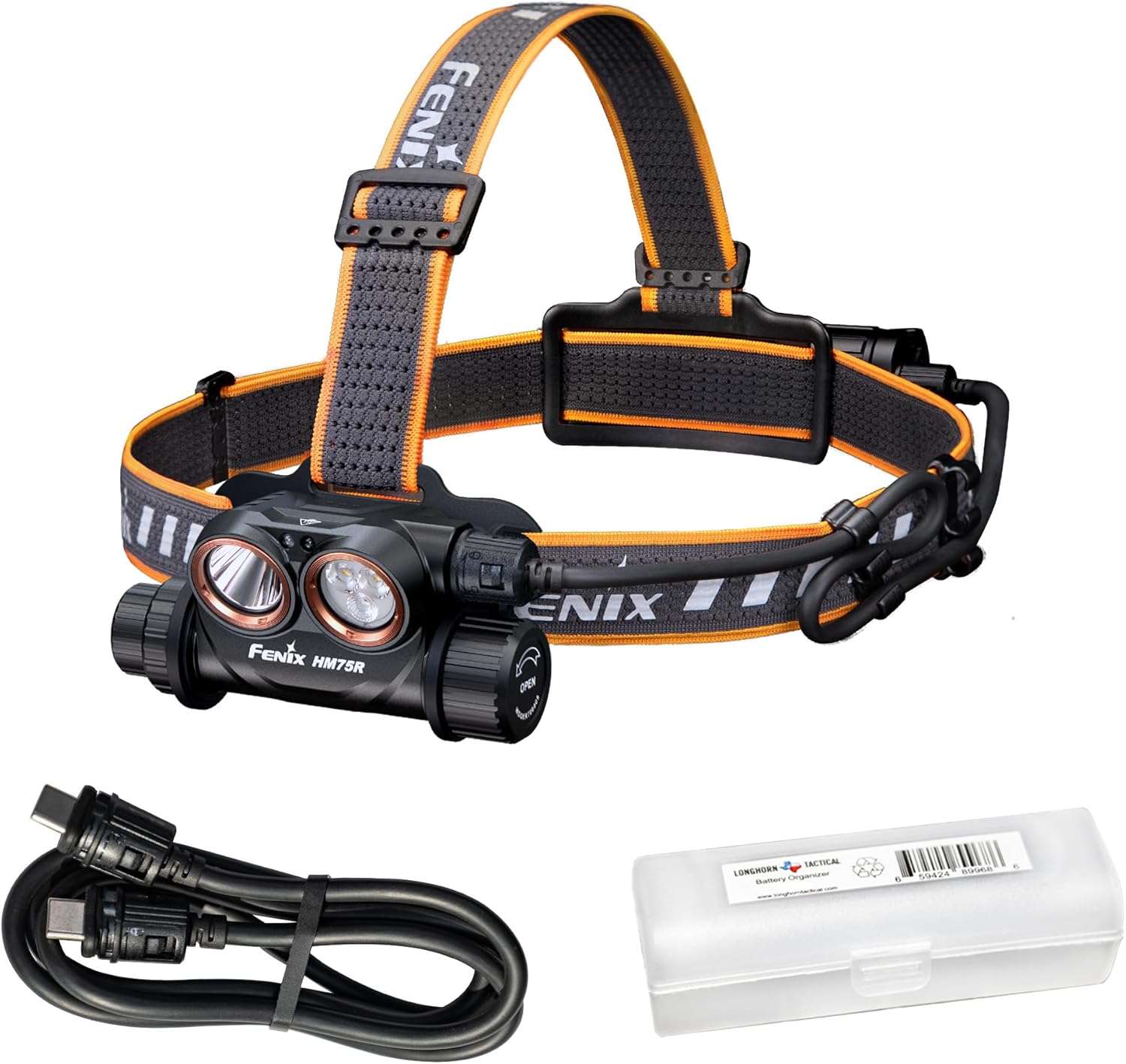
Best for Hunters: Fenix HM75R.
Durable, with extra battery options and high-lumen output for following the game at night.
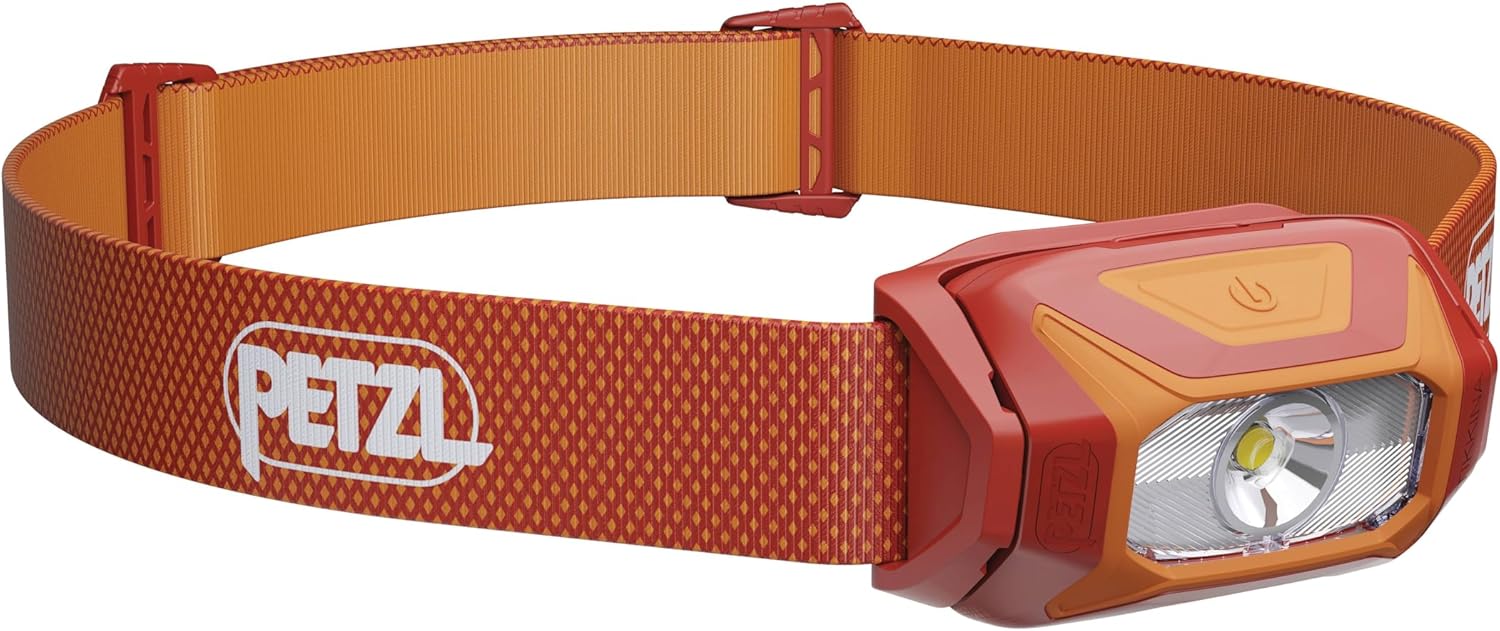
Best Budget Headlamp: Petzl Tikkina.
At about $25, this has enough features and is plenty bright for weekend campers and new hikers.
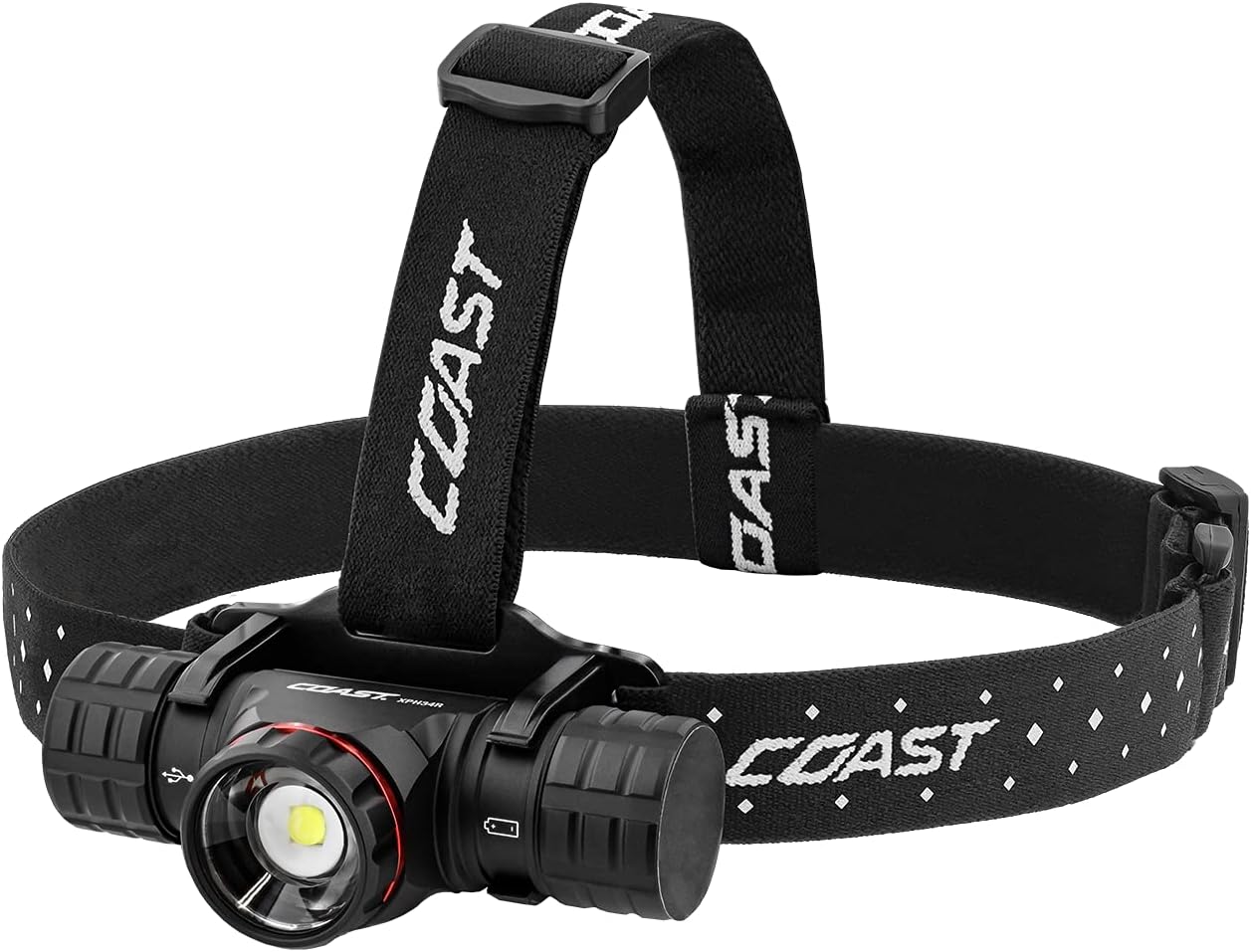
Top Waterproof Model: COAST WPH34R.
With a waterproof rating of IP68, it keeps working when totally submerged and offers up to 2000 lumens.
I’ve relied on these brands when reliability matters most. The specific model I choose usually depends on whether I’m planning a fast backpacking trip, need a stronger light, or want a backup that just works for an evening walk.
Some new models are also using motion sensors for on/off control or adaptive brightness modes that adjust the beam automatically. If you like the idea of smart features, these upgrades can add convenience but also a bit of complexity, so check reviews carefully before making a decision.
Key Things to Think About Before Buying
Headlamps have become more consistent in quality, but there are still a few things that will affect which one is right for you:
- Battery type and runtime: Rechargeable batteries are more convenient and environmentally friendly, but always check the estimated runtime on your preferred brightness setting. Some headlamps still use AAA batteries, which are easy to swap in the field.
- Comfort and adjustability: I always check for soft headbands, balanced weight distribution, and easy adjustments. Models with a top strap add stability if I’m running or scrambling over rough ground.
- Lockout feature: Headlamps can accidentally turn on when stuffed in a pack, so having a lockout mode prevents surprise dead batteries.
- Charging options: USBC is more common now and charges faster. Being able to use a power bank is helpful during longer adventures.
- Controls and usability: Simple, glove-friendly controls matter to me when I’m outdoors in cold weather or need to switch modes quickly in the dark.
I also read product reviews and double-check specs before each purchase, since not all features are present in basic models. Reading honest reviews from real users gives me insight into how each headlamp works in real situations.
Water Resistance and Durability
If you spend a lot of time around water or in unpredictable weather, IPX6 to IPX8 models are best. I have seen cheaper headlamps die after a short shower, so I only trust tested waterproof or water-resistant ratings for outdoor use. Metal or reinforced plastic bodies handle drops better than thin, all-plastic ones. Durability is especially important for mountaineering, caving, and longer multi-week hikes where you rely on your gear for safety.
Special Features for Different Activities
Some outdoor activities need more specialized features. I like red and green light modes for hunting or wildlife spotting, since animals notice white light more. For fishing, a headlamp with a high waterproof rating and variable colors makes visibility better both above and below water.
Certain headlamps now offer UV or blue light options for map reading or gear inspection, especially for anglers or geocachers looking for hidden details. Having the option to switch between flood and spot beams also stands out if I switch between camp chores and night navigation. Dualbeam designs are perfect for changing situations and are easy to operate on the move.
RealWorld Outdoor Applications
I rely on my headlamp for all sorts of activities. On long hikes, being able to see clearly and avoid tripping over roots or rocks gives me confidence. During night fishing trips, waterproofing and beam control help keep fishing lines visible and bait sorted without disturbing the water too much.
For family camping, I often use the red light setting to visit the bathroom without blinding others or attracting too many bugs. On group adventures, making sure everyone has a reliable headlamp prevents mishaps when trails, restrooms, or parking lots get dark.
- Backpacking and hiking: Lightweight with reliable light, rechargeable, and long battery life. Adjustable straps and tilting lamps help fit any adventure, from day hikes to rugged mountain routes.
- Night fishing: Waterproof, multicolor beam for less disrupted visibility. Consider headlamps with longer battery life for multi-hour night sessions.
- Camping: Red or dimmable modes for shared spaces. Portable LED lanterns or headlamps with wider beams make group activities more fun and organized.
- Trail running: Snug fit, very light, simple controls, and bright enough to spot trip hazards. Sweat-resistant bands are worth looking for during summer sprints.
- Hunting: Long-distance beam, independent mode control, and colored lights for stealth. Rugged headlamps also handle rough terrain and persistent wet conditions.
Reliable gear lets me focus on the activity itself rather than troubleshooting lighting problems or fumbling for replacement batteries in the dark. Many find that having a headlamp as a backup in the car or at home is also helpful for power outages or emergency repairs.
Common Questions About Portable LED Headlamps
Here are some of the questions I get asked by friends and fellow hikers just starting out:
How bright should my headlamp be?
For most outdoor use, 300 to 500 lumens are plenty. Only pick 1000-plus lumen models if you’re running or hunting in complete darkness.
Are rechargeable batteries better than disposable batteries?
Rechargeable headlamps save money long-term and are better for the environment. Most offer USB or USBC charging. Disposable batteries are only worth using for long expeditions where recharge options are unavailable.
Why is red light mode useful?
Red light helps keep eyes adjusted to darkness, doesn’t disturb wildlife as much, and is perfect for group camping without blinding everyone else.
What’s the best way to maintain my headlamp?
Store it dry, recharge it regularly, keep the lens and switch clean, and check the O-ring seals if it’s designed for waterproof use. Periodically test all light modes before every trip. It’s also smart to keep instructions in your pack in case you need to troubleshoot on the go.
Advanced Tips for Getting the Most Out of Your Headlamp
I’ve picked up a few tips that make using a portable LED headlamp more effective. Keeping the lens and lamp face clean reduces shadows and gives a boost to clarity. Carrying a lightweight power bank allows me to recharge on the trail for multiday trips. I always bring spare batteries or a backup light just in case, especially on overnight or winter trips.
Mastering the lockout mode avoids accidental turn-ons, and using the correct beam mode for each situation improves both visibility and battery life. For example, I switch to the lowest flood setting when reading or cooking in camp, while the spot mode helps me see trail blazes or route markers in heavy fog or rain.
During cold weather, I tuck the battery pack inside my jacket if the cable is long enough, because batteries last longer when warm. It’s a small trick that helped keep my lamp on for the last hour of a particularly frosty mountain hike. Don’t forget to check connectors and seal points frequently, especially after wet or sandy trips.
Bottom Line
Packing a reliable portable LED headlamp makes any outdoor adventure safer and more enjoyable. From solo hikes to big family camping trips, I rely on features like water resistance, red light modes, and easy recharge to make life easier once the sun goes down.
The latest models are lightweight, powerful, and durable, giving everyone, from new campers to seasoned hikers, a simple way to light up the night. If you’re still undecided, check out local gear shops to test out different models and ask staff for their top picks. Having the right headlamp is a small upgrade that makes a big difference on your next outing.
Most Recent Articles:
- Guide To Portable LED Headlamps For The Outdoors

- Navigating Private Land Permissions For DIY Hunting Adventures

- DIY Hunting Requires Expensive High-end Gear Myth Debunked

- Reviewing Compact Rangefinders For Precision In DIY Hunting

- Common Misconception: DIY Hunting Is Only For Experienced Pros

- How To Choose The Right Handheld GPS Device For Solo Hunting

As always, stay safe, enjoy the journey, and please try to leave it cleaner than you found it. If you have any comments, questions, ideas, or suggestions, please leave them in the comment section below, and I’ll get back to you ASAP. You can follow us on YouTube: Man Art Creations for videos of our DIY Adventures.
P.S. Thanks so much for checking out our blog; we really appreciate it. Just so you know, we may receive a commission if you click on some of the links that appear on our site. This helps us keep our content free and up-to-date for everyone. We appreciate your support!