
Contents
- 1 What Makes Solo Hunting Handheld GPS Choices Different?
- 2 Really Important Handheld GPS Features for Solo Hunters
- 3 Simple Guide: Picking a Handheld GPS for Solo Hunts
- 4 Things Worth Thinking About Before Buying a Handheld GPS
- 5 Top Handheld GPS Picks for Solo Hunters
- 6 FAQs About Handheld GPS Choices for Solo Hunters
- 7 Bringing the Right GPS Into the Field
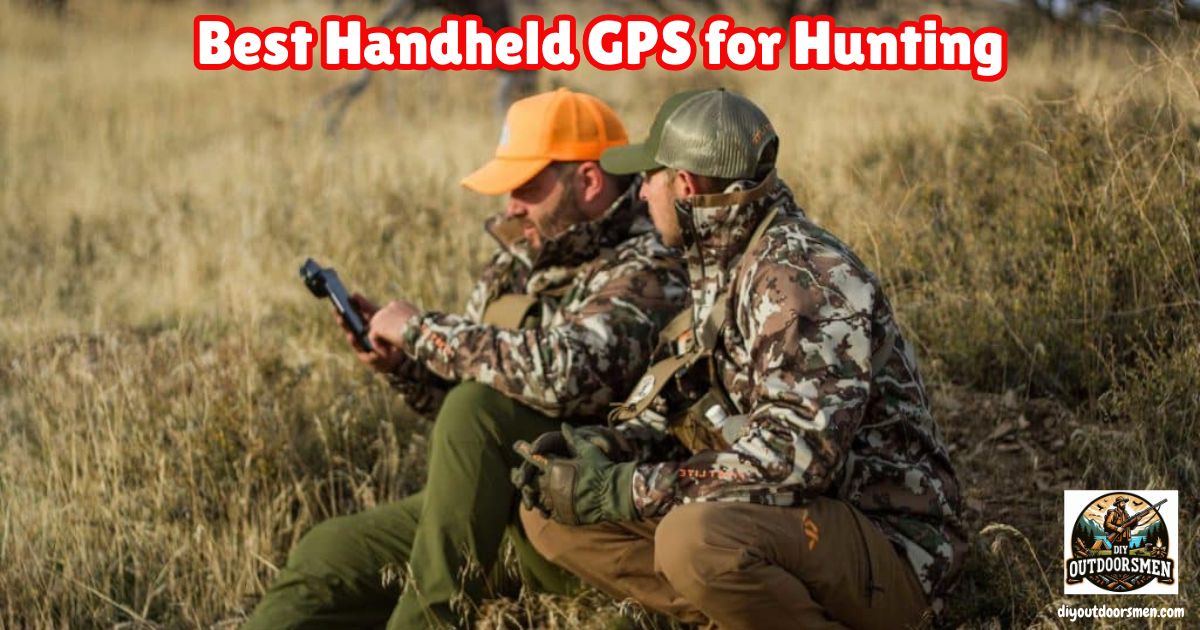
For solo hunters, tracking down a handheld GPS that is accurate, tough, and helpful in emergencies is really important. Solo hunting brings a real sense of freedom and challenge, but it also puts more pressure on my gear, especially my GPS device. Getting lost isn’t an option when there’s no one else around, and navigation mistakes can become serious.
I’ve pulled together what makes for a smart GPS purchase based on my experiences and what other solo hunters value the most. If you’re trying to get a feel for the top choices and need a quick rundown of what to look for, keep reading as I break it down step by step.
What Makes Solo Hunting Handheld GPS Choices Different?
Solo hunting takes me far from anyone else, so I rely more on my gear than if I were with a group. While group hunting lets me lean on others for directions or support, when I’m alone, I need to count on my GPS for navigation, trip planning, weather updates, and even emergency contact.
I look for models that offer more than just a basic map and route—they need to work in the real backcountry where cell service drops out. With each adventure, I have to trust that my device will step up each time I enter unfamiliar ground.
Handheld GPS devices have improved a lot in recent years. Newer units use several satellite systems to give better accuracy, even under heavy forest canopy or in canyons. Long battery life and rugged construction also mean my device keeps working all day, in any weather.
Some models throw in extras like topo maps and satellite messaging, which can really make the trip safer and easier. As technology grows fast, I also see improvements in how fast these devices lock onto my location and how they let me message family or friends from places where a phone turns into a brick.
Really Important Handheld GPS Features for Solo Hunters
I’ve put together a quick list of key features to look for in a GPS made for solo hunting:
- MultiGNSS Support: Includes GPS, GLONASS, Galileo, and sometimes BeiDou. More satellite access means better accuracy, especially in tough terrain.
- DualFrequency/Multiband Support: Helps keep position reliable in canyons, under heavy tree cover, and in steep country.
- Battery Life: I look for 20–40 hours of runtime at a minimum. Units that take AA batteries or let me swap in a power bank are good for multiday trips.
- Water and Shock Resistance: Waterproofing at IPX7 or higher is my standard for rainy or cold hunts.
- Emergency Satellite Messaging: A lifesaver in case of injury, unexpected weather, or getting turned around.
- Preloaded Maps: Topographic and hunting-specific maps can make a big difference for route planning and finding game.
- Usability: Buttons that are easy to press with gloves, a bright screen I can read in sunlight, and simple menus make for a better hunt.
Simple Guide: Picking a Handheld GPS for Solo Hunts
Understanding what makes a handheld GPS reliable means breaking down each feature and matching it to your hunt:
- Choose MultiBand, MultiSatellite Devices: Devices that connect to several satellite networks help me keep my location accurate. I’ve found that this matters most in timber or canyons, where single-signal models often lose coverage. More bands also mean less delay when I need a quick check of my spot.
- Prioritize Battery Choices: Some trips call for rechargeable power, while others need AA batteries that I can swap out in the field. Having both options gives me flexibility if my trip runs long. If heading out for a week, I always tuck extra batteries into my pack for peace of mind.
- Check Weather and Ruggedness Ratings: My GPS sits in my vest or pack, gets wet, is thrown around, and sometimes dropped. I stick to models built to take rough use, rated at least IPX7 for water and drop resistance. Even in snow or heavy rain, I’ve never regretted having a tough shell on my device.
- Look for Emergency Communication: GPS models with built-in inReach or similar satellite messaging change the game. If something goes wrong, I can trigger an SOS or send a message, even far from cell service. This can set your mind at ease on longer solo hunts in remote areas.
- Use Devices with Good Maps: Preloaded mapping makes a big difference. I hunt new places often, so up-to-date topo maps and clear tracking features mean fewer surprises on uneven or brushy ground. Some regions now offer special hunting overlays, which show public/private land boundaries and even migration trails.
- Make Sure It’s Dual-frequency: Freezing weather is part of solo hunting. Touchscreens can be tricky, so sometimes physical buttons are just easier, especially with gloves on or in the rain. I’ve had times where touchscreen units wouldn’t respond until I took my gloves off, which isn’t ideal mid-hunt.
Things Worth Thinking About Before Buying a Handheld GPS
Getting the right tool saves time and trouble while I’m out alone. Here are some concerns that come up in the field, and how I deal with them. This way, you can game plan ahead and avoid common headaches:
- Signal Loss in Dense Cover: Even the best GPS can struggle under heavy canopy. Dual-frequency helps, but keeping my unit high (like on my pack strap) also improves reception. Sometimes it helps to step into a clearing for a moment to regain signal.
- Battery Failures in Cold Weather: Cold cuts battery life fast. I store spare batteries near my body and carry a lightweight power bank for extra charges if I’m out more than a day or two. If temps really drop, switching out batteries is a must every couple of hours to keep everything running smoothly.
- Screen Freeze or Glitching: Rugged screens work better than most phones, but condensation or dirt can stop touchscreens from working sometimes. That’s where models with physical buttons and simple screen menus prove useful. If the screen goes blank, a quick wipe often fixes it, and buttons still respond even if it’s messy outside.
- Map Updates: I check for the latest map downloads just before a trip. Some brands provide more free updates than others, so I look up what comes with the GPS or if there are extra costs. Updated maps often include new roads or land boundaries, so it’s worth setting a reminder to check before leaving home.
- Emergency Prep: I always set up messages and contacts beforehand if my GPS has SOS or texting. Pre-setting these features can shave off precious minutes during an emergency, and some models require activation before you head out. I’ve learned to double-check these details in my pre-hunt checklist.
Battery Life in RealWorld Hunts
I’ve hunted several days straight with single AApowered GPS units and never run out of juice by just carrying a handful of spares. With rechargeable units, I keep a power bank handy. The extra weight is worth avoiding a dead GPS deep in the backcountry.
Cold weather eats through the charge more quickly, so I keep the device inside my jacket during breaks. For long expeditions, I bring batteries with different chemistries, like lithium, since they hold up better in the cold compared to standard ones.
How Satellite Messaging Changes Solo Trips
Devices with inReach, SPOT, or similar satellite messaging have taken a lot of stress out of solo hunts for me. Knowing I can text home or use SOS if needed gives me confidence in distant locations. This is especially good for trips during shoulder seasons when the weather can change fast, or terrain makes quick self-rescue impossible. For family waiting at home, a simple check-in message each night goes a long way for everyone’s peace of mind.
Different Handheld GPS Types: When Touchscreen Makes Sense
Touchscreens offer big, clear maps and are handy for planning at camp. Still, in freezing weather or when it’s raining, models with reliable buttons are easier to use. I pick touchscreen units for open country or early season hunts, and switch to button-only models for cold or brushy terrain. Some newer touchscreen models improve glove compatibility, but nothing beats a tactile button when hands are cold or wet.
Top Handheld GPS Picks for Solo Hunters
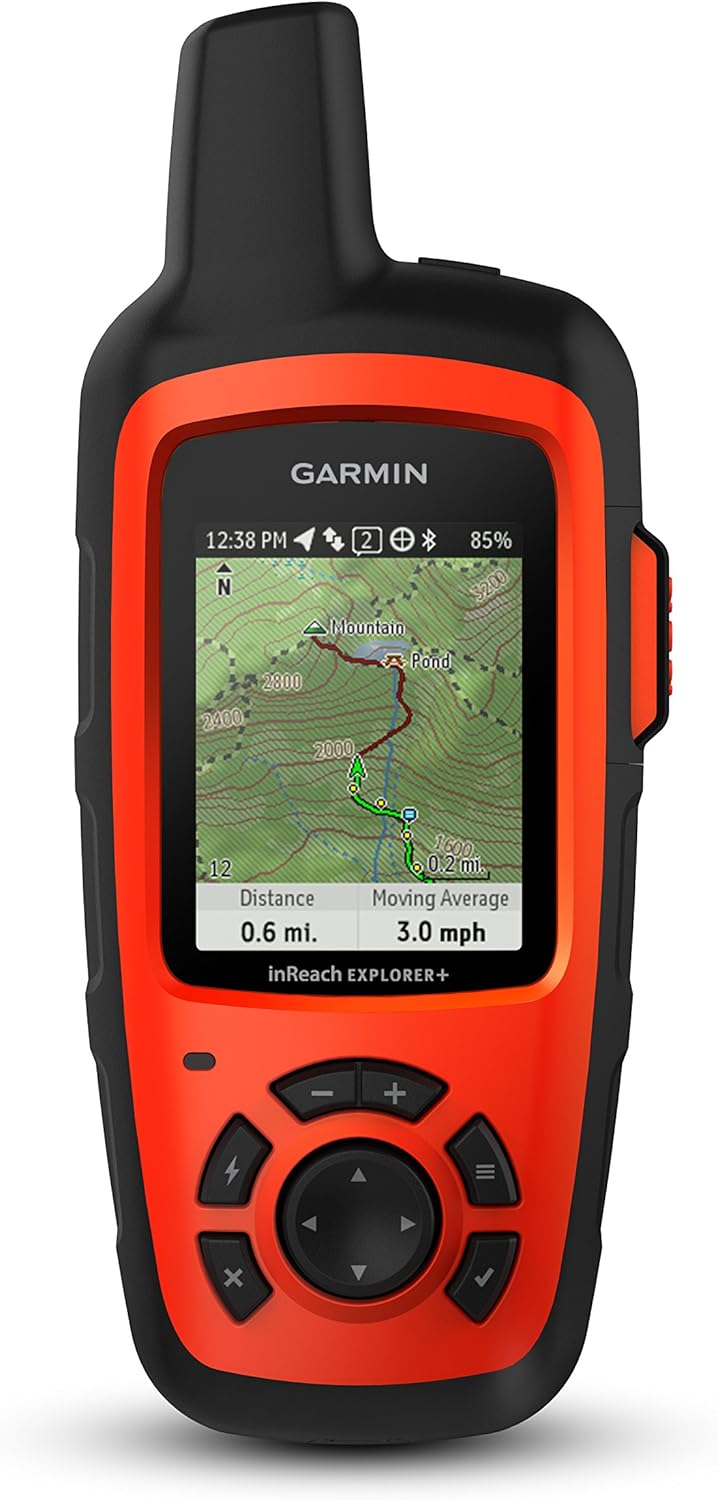
Garmin inReach Explorer+:
This is my top choice for peace of mind. It has two-way satellite messaging, SOS, topo maps, and holds up in tough terrain. I trust this the most for any backcountry solo adventure. The battery holds out well even with messaging turned on, and the screen offers enough brightness for bright mountain days.
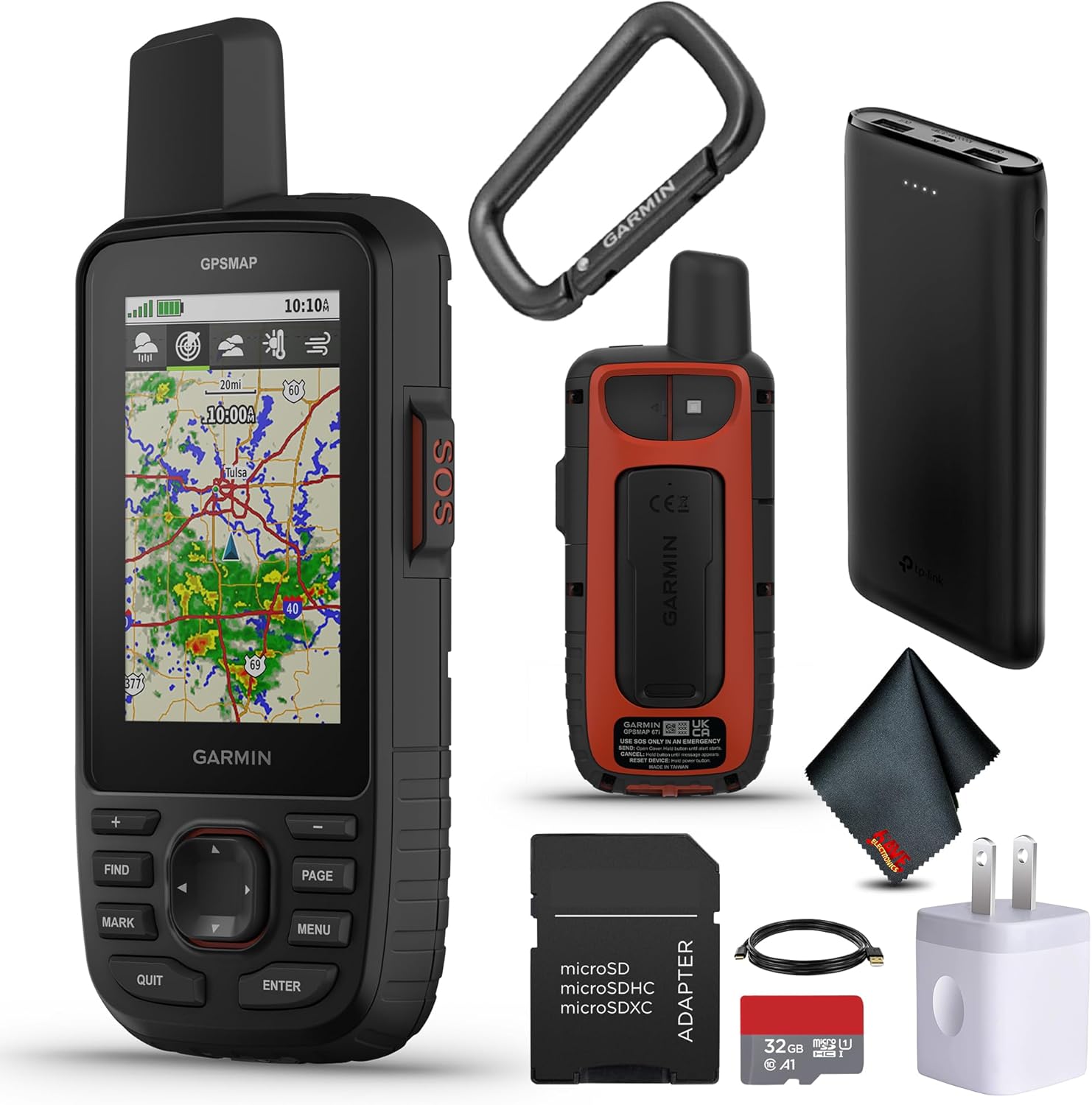
Garmin GPSMAP 67i:
Toptier accuracy, built-in inReach messaging, long battery life, and button controls. It stays reliable deep in brush or canyon country, and the GPS lock holds even when skies are cloudy or trees are thick. This unit is a favorite among many guides I know.
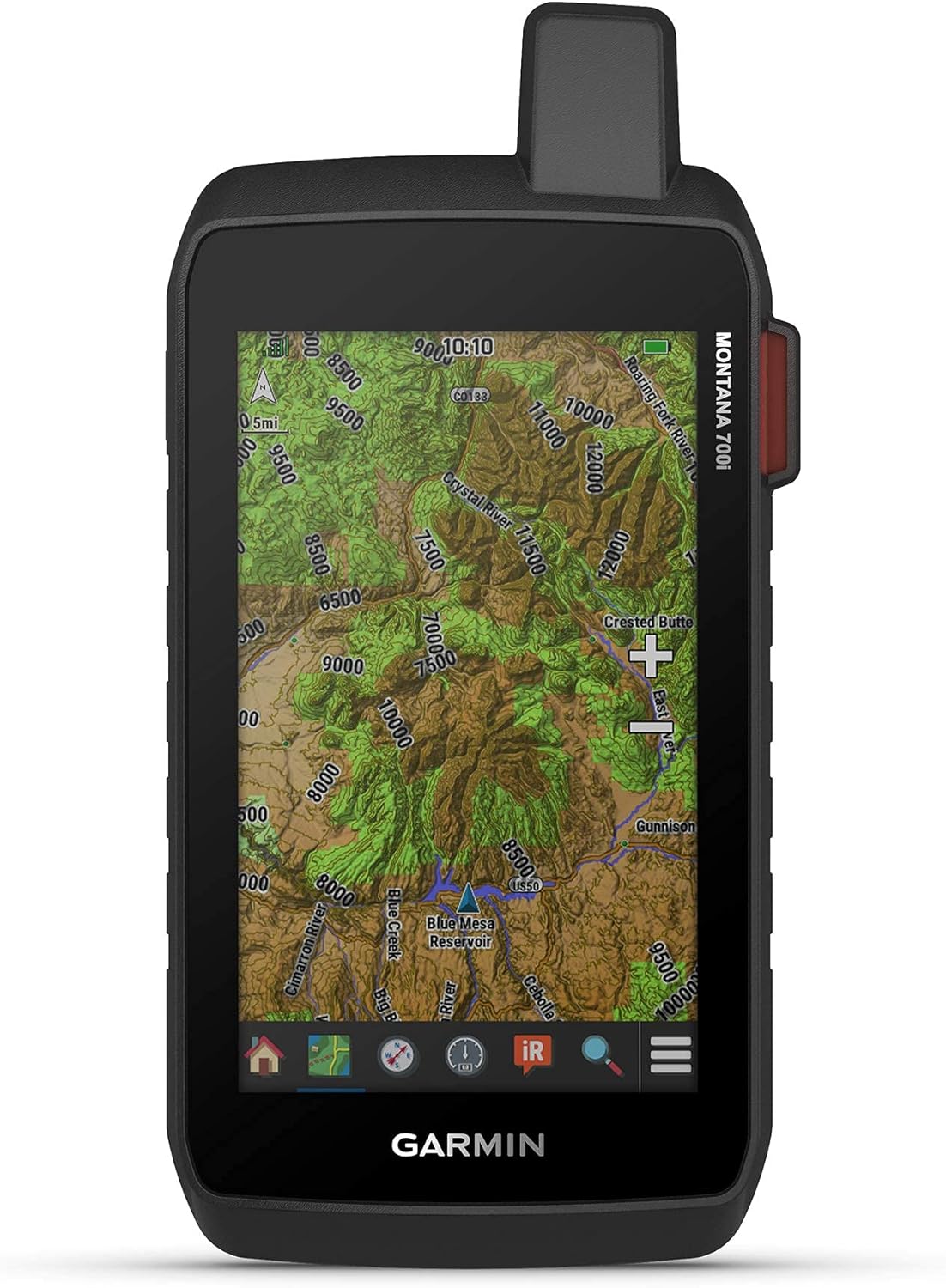
Garmin Montana 700i:
Huge screen makes it easy to read, with inReach for messaging and SOS. Better for hunters who want a big display, great for ATV or UTV trips. If you prefer a big map and do lots of trip planning at night, this should be at the top of your list. It is a bit heavier, but well worth it for visual planners.
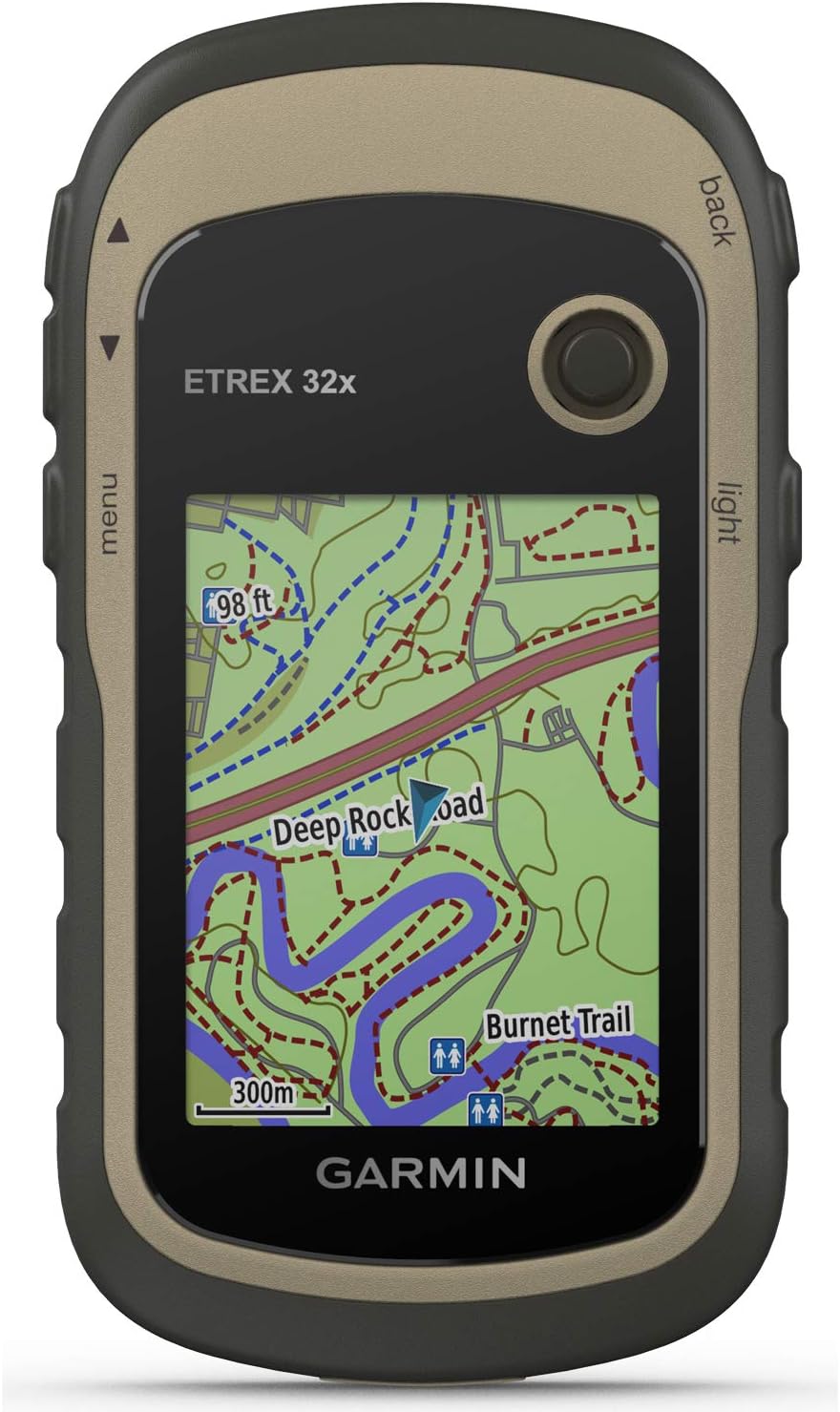
Garmin eTrex 32x:
If I want long runtime and simplicity, this is a good budget pick. It runs days on AA batteries and keeps up with marking features and backtracking in new areas. No satellite messaging, but really dependable if you have cell service as backup or are in less remote zones.
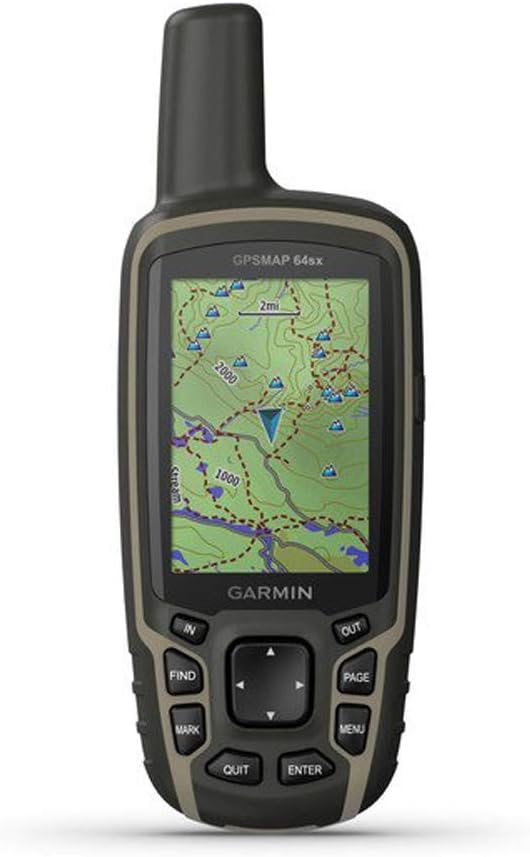
Garmin GPSMAP 64sx:
Nononsense, proven device with strong mapping and satellite reception. Button controls work great with gloves, and the unit is affordable yet reliable. I’ve had mine take a few drops and keep working every time, making it a tried-and-true field companion.
FAQs About Handheld GPS Choices for Solo Hunters
These questions come up a lot from hunters just starting to pick their first handheld GPS. Here are answers based on years in the field and feedback from solo hunting friends:
What matters most: maps, messaging, or accuracy?
For me, emergency messaging comes first, followed closely by signal accuracy. Preloaded maps are easy to supplement if needed, but I want to know I can find my way back or call for help.
Is it worth paying more for inReach or satellite SOS?
If I hunt alone in remote places, it’s absolutely worth it. The price is higher, but it’s peace of mind and real support in an emergency. Also, the ability to message home or friends is invaluable if something changes quickly and plans need to be adjusted on the fly.
Can a phone replace a GPS?
Phones work for short hunts or close to cell towers, but batteries and signal drop out quickly. Rugged GPS units last longer, survive drops, and keep working in cold or wet conditions. I do carry a phone, but never count on it for navigation far from roads or help.
Bringing the Right GPS Into the Field
The GPS I choose makes a big difference in how safe and confident I feel on solo hunts. Accurate navigation, solid build quality, and real emergency support all have a place in my pack. I always match my GPS to my hunting style, trip length, and how far I expect to be from help.
With the right device, I focus more on hunting and less on worrying about getting lost or stuck without a backup plan. Solo hunting is all about self-reliance, and choosing a good GPS lets me dig into the adventure with confidence, knowing my most important tool always has my back.
Most Recent Articles:
- How To Choose The Right Handheld GPS Device For Solo Hunting
- Smartphone-integrated GPS Mapping For Hunting And Hiking
- Modular Backpack Tree Stands For Hunting
- Communication In Remote Hunting Areas With No Cell Service
- Eberlestock Backpacks: Customizing Your DIY Hunting Loadout
- DIY Weekend Warrior Hunting Trips

As always, stay safe, enjoy the journey, and please try to leave it cleaner than you found it. If you have any comments, questions, ideas, or suggestions, please leave them in the comment section below, and I’ll get back to you ASAP. You can follow us on YouTube: Man Art Creations for videos of our DIY Adventures.
P.S. Thanks so much for checking out our blog; we really appreciate it. Just so you know, we may receive a commission if you click on some of the links that appear on our site. This helps us keep our content free and up-to-date for everyone. We appreciate your support!