Contents
- 1 Key Steps to Organizing Your Solo Elk Hunt
- 2 Choosing Your State, Licenses, and Elk Unit
- 3 Building Physical and Mental Readiness for Mountain Hunting
- 4 Planning Your Hunt With E-Scouting and Logistics
- 5 Gear Essentials for Hunting Solo
- 6 Staying Safe and Keeping in Touch
- 7 Common Challenges and Solutions for Solo Elk Hunting
- 8 Frequently Asked Questions
- 9 Final Thoughts on DIY Solo Elk Hunting
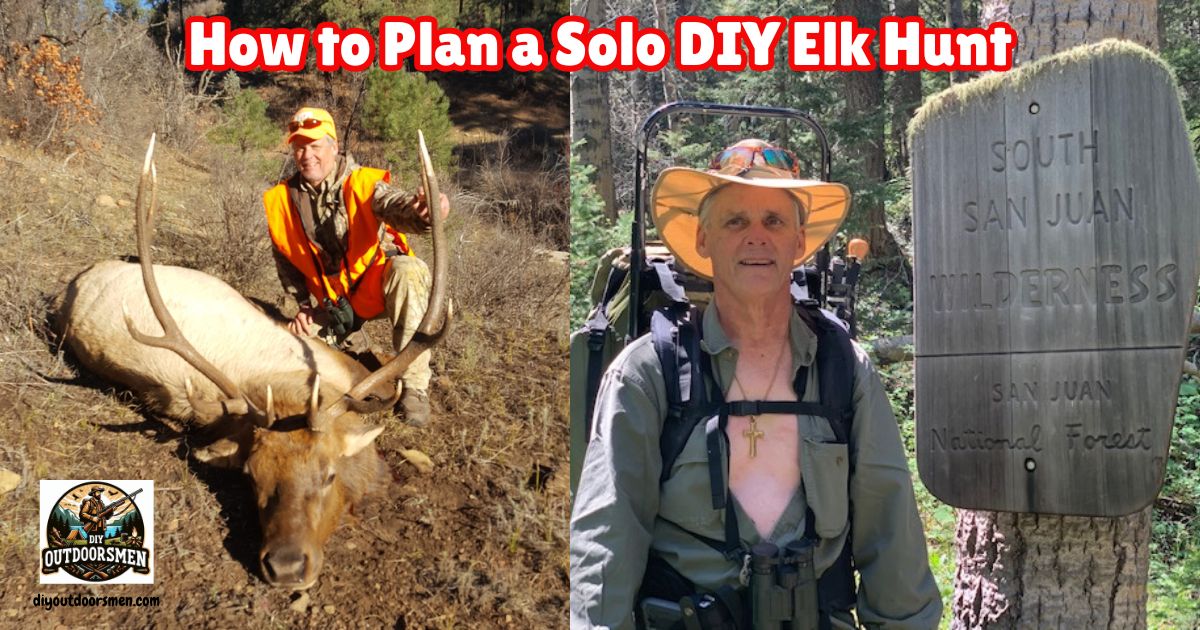
Planning a solo DIY elk hunting adventure in the mountains brings an unmatched sense of freedom and fulfillment. The entire process depends on solid preparation, whether it’s your first hunt or your tenth. From my own adventures and stories shared by other seasoned solo hunters, I’ve put together this step-by-step guide, making sure to lay out the areas you’ll want to focus on for a smooth, successful trip.
QUICK LOOK: 5 Common Challenges to Solo DIY Elk Hunting
- Weather: Mountain weather is unpredictable, so I always pack rain gear and extra insulation.
- Fatigue and Altitude: Rest, hydrate, and pace yourself. Moving too quickly is a common cause of accidents or getting lost.
- Packing Out Elk Meat: Solo packouts are intense. I haul manageable loads, marking my trail clearly with tape.
- Losing Your Way: Double map checks and multiple navigation options keep me on course, no matter how thick the woods or dense the fog.
- Loneliness: Voice memos and plenty of photos give me something to look back on and share—helping keep my spirits up during quiet stretches.
Key Steps to Organizing Your Solo Elk Hunt
Elk hunting alone in rugged mountain country takes both strategy and self-reliance. Every detail needs that personal touch; there’s no partner to lean on for the tough calls or to share the load. Tackling research, scouting, and handling big physical challenges all land on your shoulders, so getting things right ahead of time is vital for success and safety.
Based on what I’ve learned, it pays to break your planning into categories: picking your hunting location and date, building your physical and mental toughness, checking out digital scouting tools, choosing reliable gear, and covering all your safety bases.
Choosing Your State, Licenses, and Elk Unit
The starting point is deciding where you’ll hunt, since every state operates a bit differently. States like Colorado and Idaho have over-the-counter (OTC) licenses, so you can plan almost last minute as long as tags are available. Other places, such as New Mexico or Arizona, use a lottery system. If you’re set on hunting there, plan ahead—sometimes a year out—and cross your fingers for a lucky draw.
Once you’ve narrowed down your state, go right to that state’s wildlife agency website. I always keep these in mind:
- Season Dates: These vary not just by state, but shift from year to year, especially based on elk herd numbers and climate.
- Tag Type: OTC tags are simple to grab, but you may be limited to certain units. Draw tags take patience and planning, sometimes for regions with higher elk densities.
- Unit Selection: I dig up harvest stats, scan terrain maps, and look over public land access details before picking my unit. Data on elk herd sizes can tilt the odds in your favor.
If you’re short on time, snagging an OTC tag in Colorado or Idaho is practical. For places with bigger bulls but less access, start early so you don’t miss your window.
Building Physical and Mental Readiness for Mountain Hunting
Mountain elk country is breathtaking, but also rough on the body. Training is a must, whether you’re packing out heavy game, hiking rugged slopes, or just keeping your stamina up all day. I usually set aside a good few months to get myself in shape.
My prehunt routine looks like this:
- Hiking with a Loaded Pack: I walk with a weighted backpack over uneven trails to mimic the real deal—pushing my muscles and joints so there are no surprises when I’m deep in elk country.
- Strength Training: I focus on squats, lunges, planks, and simple presses to keep legs, core, and upper body all working together.
- Cardio: Running, biking, or grinding out sessions on the stair machine really pays off when tackling climbs at altitude.
- Mental Prep: Hours spent solo in the mountains can be tough mentally. I read up on staying positive, working through setbacks, and keeping calm if things don’t go to plan. Sometimes, I rehearse scenarios in my head, tracking down solutions before I’m faced with them for real.
Many hunters underestimate just how brutal hauling elk quarters by yourself can be. Some simulated packouts and building mental toughness now helps you avoid surprises later.
Planning Your Hunt With E-Scouting and Logistics
Modern technology means you can jump into e-scouting from the couch, making trips to the area before your hunt optional. My go-to tools are Google Earth, onX Hunt, and HuntStand. Here’s how I approach e-scouting:
- Track Down Likely Elk Habitat: I search for food sources like southfacing meadows and slopes, water from creeks and springs, and thick timber for bedding (usually on northfacing slopes).
- Mark Multiple Hunt Zones: Elk and hunters move; so should your plans. I always pick a primary hunt area and a few backup spots.
- Plan Access and Exit Routes: I mark in and out paths, camp locations, and routes for hauling out meat with heavy loads. Gradual slopes and not just the shortest route matter here.
- Research Backup Help: If I end up way back and get a big bull on the ground, having info for local packers gives an extra game plan.
For camping, I choose between a base camp near my truck or a remote spike camp. The base camp is cozier and safer if the weather takes a bad turn, but the spike camp puts me right among the elk. With both, I check the weather and local rules, making sure I stay where camping’s allowed.
Gear Essentials for Hunting Solo
In the mountains, there’s no backup—it’s all you. I run through my whole setup and test everything before heading out. What’s always in my pack?
- Navigation: Waterproof maps, a well-made compass, and my GPS—always loaded with offline maps.
- Shelter: A reliable tent or bivy, a warm sleeping bag (rated at least to 15–20°F), and a comfy pad to keep in body heat and help me recover each night.
- Kill Kit: Razor-sharp knives with backup blades, sturdy elk game bags, a long length of paracord, and a compact bone saw.
- Optics: 10x binoculars for glassing, plus a laser rangefinder for accurate shots.
- Weapon: My bow or rifle, plenty of ammo or arrows, and a folded paper target for checks at camp.
I never forget rain gear, layers for changing temps, a thorough first-aid kit, and quick, high-calorie meals—plus reliable water purification tablets or filters. Going light is smart, but skipping essentials can cut your hunt short fast.
Staying Safe and Keeping in Touch
Safety tops my list every time. Here’s how I cover my bases:
- Communication: A satellite communicator or PLB keeps me in touch and lets family know if I’m okay or in trouble.
- First Aid and Survival: Emergency bandages, a tourniquet, pain meds, water purification, and fire starters are must-brings.
- Wildlife Defense: In bear territory, I pack bear spray ready at my hip and sometimes a sidearm. So far, I haven’t needed either, but it’s peace of mind.
- Emergency Info: I always hand off printed maps, planned routes, and a general hunt schedule to someone I trust before heading out.
- Trekking Poles: These poles help balance, especially when packing out an elk, and take some pressure off legs and knees.
Staying mentally sharp matters as much as physical skill. Going solo means some lonely, anxious moments, even for pros. I push through with breaks, snacks, and a quick look at the game plan whenever needed. Keeping a good attitude helps me stay safe and alert.
Common Challenges and Solutions for Solo Elk Hunting
Going solo has its own set of hurdles. Facing them directly—and planning for them—can turn trouble into manageable moments:
- Weather: Mountain weather is unpredictable, so I always pack rain gear and extra insulation.
- Fatigue and Altitude: Rest, hydrate, and pace yourself. Moving too quickly is a common cause of accidents or getting lost.
- Packing Out Elk Meat: Solo packouts are intense. I haul manageable loads, marking my trail clearly with tape.
- Losing Your Way: Double map checks and multiple navigation options keep me on course, no matter how thick the woods or dense the fog.
- Loneliness: Voice memos and plenty of photos give me something to look back on and share—helping keep my spirits up during quiet stretches.
With the right preparation and the right mindset, a solo elk hunt can go from intimidating to a totally doable, gratifying adventure.
Frequently Asked Questions
Here are answers to some questions I get from friends who want to jump into a solo DIY elk hunt in the mountains:
What’s the safest way to hunt elk alone?
Use a satellite communicator for regular check-ins, always give someone your exact plan ahead of time, and keep up with weather and wildlife safety each day.
How much should my pack weigh for a mountain hunt?
A good target weight is 35 to 45 pounds for a spike camp setup. If you’re using a base camp, you can add a bit more for comfort or food, but lighter is usually better when you’re covering real ground daily.
What’s the best way to learn escouting before the hunt?
Get used to tools like Google Earth and mapping apps at home. Watch tutorial videos specific to your chosen state and hunt style, and ask local hunters online for their insider tips.
Final Thoughts on DIY Solo Elk Hunting
From my own efforts, I’ve found that being prepared is what gives you that edge and comfort in the mountains. Sorting out the details before you set foot on the trail pays off during the hunt itself. With careful planning, dependable gear, and a strong attitude, solo elk hunting will give you stories and memories you’ll be sharing for years to come.
Most Recent Articles:
- How To Pack A Lightweight Backpack For DIY Backpack Hunting Trips
- Navigating The Hunt Application Process In The US

- Kodiak Canvas Cabin Lodge Tent
- Safety Tips For Hiking In Bear Country
- Camping And Hiking In The South San Juan Wilderness Of Colorado
- DIY Devils River Kayak Trip

As always, stay safe, enjoy the journey, and please try to leave it cleaner than you found it. If you have any comments, questions, ideas, or suggestions, please leave them in the comment section below, and I’ll get back to you ASAP. You can follow us on YouTube: Man Art Creations for videos of our DIY Adventures.
P.S. Thanks so much for checking out our blog; we really appreciate it. Just so you know, we may receive a commission if you click on some of the links that appear on our site. This helps us keep our content free and up-to-date for everyone. We appreciate your support!