Contents
- 1 Why Small Game and Predator Hunting Builds Better Hunting Skills
- 2 How Hunting Small Game and Predators Makes Me a Better Hunter
- 3 A Simple Beginner’s Roadmap for Hunting Predators and Small Game
- 4 Things to Consider Before Heading Out for Small Game and Predator Hunting
- 5 More Advanced Tips for Building Hunting Skills
- 6 Q&A: Common Questions About Small Game and Predator Hunting
- 7 Final Thoughts on Using Small Game and Predator Hunting for Skill Building
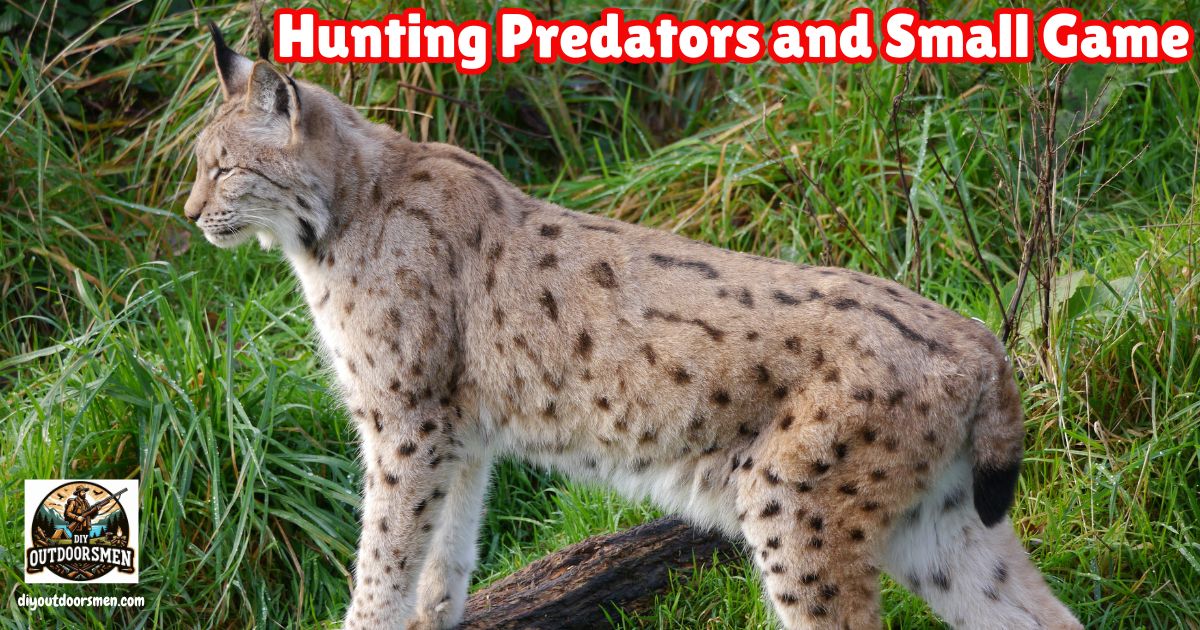
Hunting predators and small game offers a direct and hands-on way to sharpen essential outdoor skills. Starting with species like rabbits, squirrels, and coyotes gives me the real-world practice I need for accurate shooting, quiet movement, and quick decision-making.
QUICK LOOK: Getting Started with Small Game and Predators
- Pick Your Starter Species: Squirrels and rabbits are great entry points. They are widespread, don’t require specialized gear, and seasons are usually long.
- Choose the Right Firearm: A .22LR rifle is affordable, quiet, and accurate for squirrels and rabbits. A .17 HMR gives a bit more reach for smaller targets. For rabbits, shotguns (in 20 or 12 gauge) work well, especially when animals flush from cover unexpectedly. For predators, a centerfire rifle like a .223 Remington is common.
- Build Basic Hunting Techniques: I start by finding a comfortable spot where small game is active, sit quietly, and pay attention to movement in the trees or brush. Stillhunting, moving slowly and stopping regularly, gives animals a chance to reveal themselves without me giving away my position. Using natural shadows and background cover increases my success.
- Start With Simple Predator Setups: For coyotes, I use distress-call sequences, place myself with good visibility downwind from where I think an animal might approach, and stay extra alert for any flash of movement. Raccoons and foxes are sometimes legal, but check local rules first. Basic calling and wind awareness are really important.
- Practice Regularly: I like to set a routine: target practice at the range one day per week, a morning in the woods looking for small game or practicing predator calls, and a day scouting for new spots. Regular reps keep my reflexes sharp and let me experiment with different approaches that work in my area.
These hunts often happen in the same locations where larger game roam, making each trip a real opportunity to build the instincts and abilities that carry over to bigger challenges. Here’s how I use small game and predator hunting to keep my skills sharp and stay connected to the wild.
Why Small Game and Predator Hunting Builds Better Hunting Skills
Going after small game and predators is one of the more practical ways to prepare for hunting larger animals. For me, the fast pace and variety of these hunts give me regular chances to practice core skills that are really important when I’m out for deer, elk, or turkey. Here are some specific areas I focus on:
- Accuracy and Consistent Shooting: Small game are tough targets. Squirrels and rabbits rarely stop moving, and their vital zones are tiny. I need to be steady, control my breath, and squeeze the trigger just right to make a clean hit.
- Stealth and Adaptability: Animals like foxes, coyotes, and even wary squirrels react quickly to noise or movement. Moving quietly, paying attention to how the wind blows my scent, and knowing how to use cover improves my chances for success with all game, big or small.
- Reading the Environment: Spotting these animals in thick brush or tangled woods trains my eyes. I learn to pick out ear twitches or shape changes, which helps a lot when I’m glassing for antlers during deer season.
- Rapid Decision-Making: Predators and small game often give me a split second to take a shot. Deciding quickly and safely is a habit that only gets stronger with repetition.
How Hunting Small Game and Predators Makes Me a Better Hunter
For me, small game and predator hunting goes far beyond just filling the freezer. Each hunt teaches something new, and the skills are transferable to almost every aspect of hunting bigger animals.
Marksmanship and Confidence
Hitting a rabbit or squirrel demands solid shooting habits. I usually hunt with a .22LR for squirrels and rabbits, and sometimes a shotgun for fast-moving targets. These small calibers require me to know the trajectory of my rounds, judge distance, and steady myself even when I’m excited or cold. When I switch to a deer rifle, the basics don’t change; my fundamentals are just as useful, and my confidence carries over.
Stealth and Quiet Movement
Stalking up on small game or setting up for a coyote means I have to keep my noise down. Every broken twig or loud step can ruin a hunt. Over time, I’ve learned how to move quietly and watch for patterns in animal behavior, like the way a squirrel circles a tree or a coyote checks the wind. These habits become second nature, which helps during intense moments in big game seasons.
Observation and Field Awareness
Spotting movement or the glint of an eye helps me locate animals I might otherwise miss. With small game hunting, the targets can be nearly invisible unless I slow down and stay alert. This trains my mind to pick up subtle signs that often reveal deer, elk, or even turkeys trying to blend in with their surroundings.
Predator Specific Skills
Chasing coyotes, bobcats, or foxes adds another layer. I need to be able to use calls properly, set up for a good shot with the wind in mind, and react quickly to surprises. Predators are smart and have sharp senses. Hunting them teaches me patience and sharpens my understanding of how the whole ecosystem connects. Watching how a predator moves helps me make sense of prey habits, too.
Repetition and Consistent Practice
Small game seasons are often longer and more flexible. I get a lot more opportunities to pull the trigger, track animals, and problem-solve in real settings. The more I hunt, the more natural these decisions and movements feel. By the time big game season comes, I’m ready for anything.
A Simple Beginner’s Roadmap for Hunting Predators and Small Game
Starting out can feel overwhelming, but small game hunting is actually one of the best places for beginners to build experience. I recommend taking these steps, based on what I’ve learned and what many seasoned hunters suggest.
- Pick Your Starter Species: Squirrels and rabbits are great entry points. They are widespread, don’t require specialized gear, and seasons are usually long.
- Choose the Right Firearm: A .22LR rifle is affordable, quiet, and accurate for squirrels and rabbits. A .17 HMR gives a bit more reach for smaller targets. For rabbits, shotguns (in 20 or 12 gauge) work well, especially when animals flush from cover unexpectedly. For predators, a centerfire rifle like a .223 Remington is common.
- Build Basic Hunting Techniques: I start by finding a comfortable spot where small game is active, sit quietly, and pay attention to movement in the trees or brush. Stillhunting, moving slowly and stopping regularly, gives animals a chance to reveal themselves without me giving away my position. Using natural shadows and background cover increases my success.
- Start With Simple Predator Setups: For coyotes, I use distress-call sequences, place myself with good visibility downwind from where I think an animal might approach, and stay extra alert for any flash of movement. Raccoons and foxes are sometimes legal, but check local rules first. Basic calling and wind awareness are really important.
- Practice Regularly: I like to set a routine: target practice at the range one day per week, a morning in the woods looking for small game or practicing predator calls, and a day scouting for new spots. Regular reps keep my reflexes sharp and let me experiment with different approaches that work in my area.
Things to Consider Before Heading Out for Small Game and Predator Hunting
While beginner hunts can be pretty straightforward, a few factors make a huge difference in how successful and safe these outings are. Here are the details I make sure to think through:
- Legal Restrictions: Every state and province has different rules on what species I can hunt, when the seasons run, bag limits, and which firearms are legal for which animals. Checking local regulations is really important before I start.
- Safety Considerations: Since small game and predator hunts often take place on public land or near other hunters, knowing what’s behind my target, wearing appropriate blaze orange, and double-checking my surroundings help keep everyone safe.
- Choosing Locations Wisely: Public land can get crowded during peak seasons. If possible, I look for overlooked spots or ask for permission on private land. Early mornings and late afternoons tend to be more productive.
- Weather and Gear: Weather can switch up fast, especially during fall and winter. I layer up, pack extra gloves, and keep my gear organized. Good boots, quiet clothing, and a reliable headlamp make a huge difference when heading out in the dark.
Why Regular Practice Pays Off
Small game and predator hunting give me far more chances to get real hunting reps in the woods. Unlike big game seasons, which might only offer one or two shots per year, these hunts keep my shooting honest and my instincts sharp all year round.
Whether it’s sneaking up on a squirrel in early spring or calling in a coyote on a cold winter morning, every outing puts my skills to the test. This steady exposure to the outdoors also helps me get a feel for how animals respond to different weather patterns, teaching me patience and creativity when hunts don’t go as planned. Over time, I see clear improvements in my awareness, my movement, and my ability to read the woods.
More Advanced Tips for Building Hunting Skills
Once I’m comfortable with the basics, I like to push my skills a bit further. Here are some extra tactics that have helped me improve:
Work on Shot Placement: Try different shooting positions, standing, sitting, or kneeling. Take shots at realistic field distances rather than only from a bench at the range. This mirrors what happens in real hunting situations, helping me stay sharp when it matters most.
Pay Attention to Animal Signs: Instead of just looking for the animal itself, I track feeding areas, droppings, and bedding spots. This habit helps when I switch to bigger game because it teaches me where animals like to hang out and how they use the landscape. It also makes every trip feel like a little detective mission, keeping things interesting and educational.
Try Calling and Decoying: Using squirrel bark calls, rabbit distress calls, or coyote howlers adds a new dimension. Getting a response teaches me timing and how to read animal reactions, really useful skills for turkey and deer hunting, too. Trying out these techniques in safe, lower-pressure hunts helps build up my confidence so when I move to more challenging hunting, I’m not caught off-guard.
Practicing these strategies in low-pressure, high-opportunity hunts with small game and predators means I stay motivated and keep getting better. If you join local hunting groups or spend some time learning from experienced folks in your area, you’ll stumble upon even more tips for stepping up your abilities fast.
Q&A: Common Questions About Small Game and Predator Hunting
What’s the best animal for a complete beginner to hunt?
Squirrels are usually the easiest animal to start with. They’re found almost everywhere, are active during the day, and can be hunted with a simple .22 rifle. The experience you get chasing squirrels pays off when you move on to more demanding hunts.
What kind of gear do I really need?
For small game, a .22 rifle or a 20-gauge shotgun, a reliable pair of boots, warm clothes, and a basic field knife are plenty. For predators, a centerfire rifle and a couple of calls go a long way. Always pack safety gear and check your area’s regulations. Bringing a pair of binoculars and a rangefinder can also give your skills a boost, especially as you get more serious.
Is small game hunting worth it for experienced hunters?
My experience is that even advanced hunters benefit from small game hunts. It keeps techniques fresh, improves shot placement, and gives more chances to spend time outdoors. Plus, sharing small game hunts with beginners or younger hunters is a great way to pass along traditions and enjoy the adventure together.
How do I know if predators are in my area?
Look for tracks, scat, and listen for howling or barking at night. Local wildlife agencies often have reports about predator populations, and talking to other hunters helps, too. Watching for signs in the field, such as fresh tracks or damaged prey remains, also gives clues about what’s living nearby.
Final Thoughts on Using Small Game and Predator Hunting for Skill Building
Consistent practice with small game and predator hunting has helped me become a more rounded, patient, and capable hunter. Learning from each outing, adapting to challenges, and getting extra time in the woods all add up.
If you’re aiming to sharpen your hunting skills and stay connected to the outdoors year-round, these hunts offer one of the most effective and rewarding paths to real growth. Every trip gives you new lessons and memories, so grab your gear and get out there—the best way to get better is to keep getting after it.
Most Recent Articles:
- Communication In Remote Hunting Areas With No Cell Service
- Eberlestock Backpacks: Customizing Your DIY Hunting Loadout
- DIY Weekend Warrior Hunting Trips
- Leupold’s Precision Scopes: Elevating DIY Hunting Accuracy
- Without a GPS Signal How do You Navigate Backcountry Trails?

- Vortex Optics Essentials: Hunting Scope Guide For The Serious Outdoorsman
As always, stay safe, enjoy the journey, and please try to leave it cleaner than you found it. If you have any comments, questions, ideas, or suggestions, please leave them in the comment section below, and I’ll get back to you ASAP. You can follow us on YouTube: Man Art Creations for videos of our DIY Adventures.
P.S. Thanks so much for checking out our blog; we really appreciate it. Just so you know, we may receive a commission if you click on some of the links that appear on our site. This helps us keep our content free and up-to-date for everyone. We appreciate your support!