Contents
- 1 Understanding Why the Expensive Gear Myth Exists
- 2 Affordable Gear Is Accurate and Effective
- 3 Clothing, Camo, and Other Gear: Where Price Rarely Equals Success
- 4 When High-End Gear Makes Sense, and When It Doesn’t
- 5 Skills, Preparation, and Mindset Are Free, and Matter Most
- 6 How to Build a Solid Hunting Kit on a Budget
- 7 Smaller Game Hunting Proves the Point
- 8 Time, Not Money, Is the Real Investment
- 9 Frequently Asked Questions About Gear and DIY Hunting
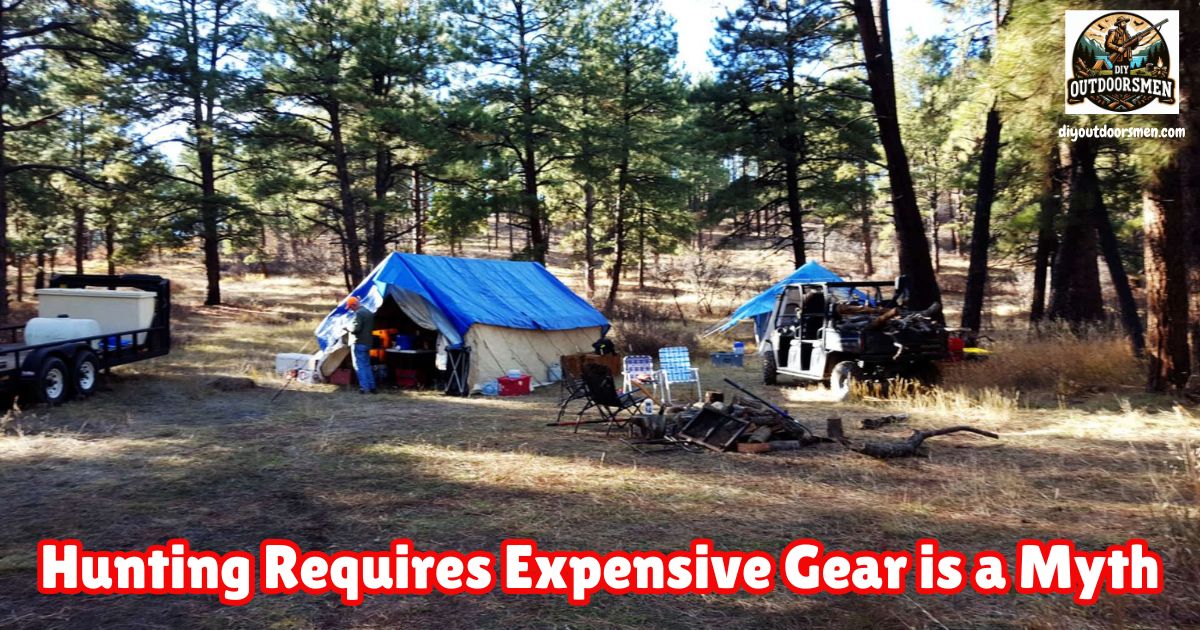
DIY hunting is often surrounded by the idea that I need a closet full of expensive, high-end gear just to get started. Industry ads and flashy catalogs make it look like anything less than premium equipment means certain failure in the field. From personal experience and plenty of conversations with lifelong hunters, I can tell you this is just not the case.
Skills, practice, and preparation matter much more for success than how much your gear costs. I want to walk through how this myth got started, what actually works in the field, and why smart, affordable choices make hunting both accessible and rewarding.
Understanding Why the Expensive Gear Myth Exists
Marketing has shaped many hunters’ understanding of what’s “necessary” to succeed. Catalogs feature hunters kitted out in the latest technical fabrics, camo, and optics that run into thousands of dollars. Social media fuels this cycle, showing off expensive setups and custom gear hauls. It’s easy to feel like everyone else is playing with a bigger budget and top-of-the-line equipment.
What’s left out of this picture is the essential truth that hunting traditions were built with simplicity in mind. For generations, folks relied on hand-me-down rifles and basic clothing, putting food on the table without a high credit card bill. Genuine results still come from woodsmanship, patience, and knowing the land. They never come from simply buying the latest gear.
Affordable Gear Is Accurate and Effective
A common fear is that lower-priced gear means settling for poor performance. That just isn’t true. Entry-level bolt-action rifles from brands like Savage, Ruger, and Mossberg deliver remarkable out-of-the-box accuracy. My first deer rifle cost under $450 and produced clean harvests for years. Synthetic stock, basic scope, and affordable ammo made for a budget-friendly setup that stayed on target season after season.
The same logic goes for bows. Beginner compound bow packages in the $400 to $600 range offer everything I need to get started, and they hit targets just as reliably inside normal hunting distances as flagship models costing several times more. The gap in performance for everyday hunting scenarios is much smaller than most ads suggest.
Clothing, Camo, and Other Gear: Where Price Rarely Equals Success
When it comes to clothing, big brands advertise “game-changing” materials and camo patterns with high-tech features. I’ve worn affordable camo from Walmart, and even simple drab clothing washed in UV-free detergent and blended into the woods just fine.
Choosing gear based on comfort, fit, and layering always brings me more success than the latest camo design. Warm socks and quality boots, often found used or on sale, make longer sits possible. The rest is mostly preference and what you get used to with time.
Many hunters also worry about essential add-ons like packs, knives, bins, and rangefinders. Affordable or secondhand options can work great. I bought a basic daypack ten years ago at a local store, and it still hauls my gear without issue. Used knives, axes, and even glass can be found at gun shows or online at significant savings.
Just because something costs more doesn’t mean it works better in the field. In fact, most game will never know the difference between fifty-dollar and five-hundred-dollar pants. What counts is my ability to move quietly, stay comfortable, and focus on the hunt instead of fussing with gear that promises next-level cool only in ads.
When High-End Gear Makes Sense, and When It Doesn’t
There are situations where premium gear really earns its keep. If I’m planning a multiday backpack hunt in unpredictable mountain conditions or deep snow, lightweight tents, merino wool base layers, and technical rain gear provide extra comfort and even safety. Hunters going on international trips or trekking into remote wilderness might prioritize durability and weight savings from high-end items.
For most day trips, local hunts, and everyday whitetail seasons, budget gear gets the job done. A $300 pack holds venison just as well as a $600 model for typical loads. A $100 cooler keeps my harvest chilled just fine. High-end choices are about specific environments or extra convenience. They’re not automatic upgrades for everyone or every hunt.
Skills, Preparation, and Mindset Are Free, and Matter Most
I’ve met hunters who tag out year after year with the same old rifle and boots, and others who spend thousands on gear but come home empty-handed. The difference is almost always how much work goes in before the season, not what’s spent on new equipment.
- Scent discipline: Playing the wind and understanding animal movement beats any odor-blocking spray or expensive gadget. I learned more from watching game trails and studying animal behavior than I ever have by buying items advertised as “game changers.”
- Shooting skills: Consistent practice with my own setup, the one I take hunting, does more to improve my odds than endlessly swapping scopes or trying the latest release.
- Patience and adaptability: Learning my local land, finding fresh sign, and knowing when to sit still or move has helped me far more than an extra pocket or feature in my jacket.
No piece of gear replaces the need for scouting, attention to habitat, or disciplined shooting practice. All of these skills come with time and effort instead of a price tag—and they make hunting meaningful.
How to Build a Solid Hunting Kit on a Budget
I recommend focusing on spending where it really pays off. A solid, affordable weapon and boots that fit comfortably and are already broken in bring more value than flashy upgrades elsewhere. Many hunters buy used, reliable rifles like the Remington 870 or Mossberg 500, saving money without giving up performance.
Local used gear shops, online forums, and friends often have quality items for a fraction of their new price. Buying a lower-priced bow package or used archery gear gives beginners everything needed to hunt deer, turkey, or small game.
Many starter kits come ready to shoot, so there’s no need to customize every part out of the gate. Entry-level optics have improved dramatically in recent years, providing more bang for the buck and helping identify targets clearly at all legal distances.
Another smart way to save is by hunting close to home on public land and targeting local seasons or resident tags. The real expenses often come from traveling, out-of-state tags, and guided hunts. Focusing on accessible and affordable hunting opportunities helps keep costs manageable for new hunters. Prioritize a few essentials such as reliable footwear, a dependable pack, and a functional layer system. Everything else can be built up little by little as needs arise.
Smaller Game Hunting Proves the Point
Hunting small game like squirrels, rabbits, and waterfowl shows how little I need to get outside and learn good habits. My .22 rifle, a warm jacket, and sturdy boots have provided years of memorable hunts and quality meals.
These types of outings help sharpen skills that translate directly to big game: moving quietly, reading sign, and observing animals up close without spooking them. Recent interest in predator hunting and hogs has also made affordable DIY hunting even more relevant.
Basic shotguns and rifles, often costing less than $500 new, cleanly and ethically harvest game for those willing to put in the fieldwork. All these hunts boil down to willingness to learn, regular practice, and the excitement that comes from being outdoors. It isn’t about the price on my gear tag.
Time, Not Money, Is the Real Investment
I’ve learned that the most valuable thing I put into hunting is my time. Time spent hiking, scouting, and studying wildlife always leads to bigger rewards than buying the latest gadget or camo. The more time I spend in the woods, the sharper my instincts and the more natural my decisions become—even if my gear is plain.
If I’m on a budget, focusing on steady improvement and good habits pays off long term. Expensive gear can be nice to have, but it’s rarely what decides the outcome of a hunt. Patience, hard work, and curiosity remain the best tools I have, and they’re available to anyone, no matter what’s in their pack or wallet.
Frequently Asked Questions About Gear and DIY Hunting
Can I hunt safely and legally with budget gear?
Absolutely. As long as my firearm or bow is of a legal type and caliber, and I’m following safety guidelines, there’s no need for premium items to hunt ethically and effectively.
What gear should I actually prioritize saving money for?
Spend more on trusted footwear, well-fitting base layers, and a reliable weapon. Save on brand names and accessories until I notice a genuine need in my own hunting adventures.
Will I miss out on anything if I don’t upgrade to expensive gear right away?
Not at all. In fact, starting simple helps me tune in to the essentials and learn what upgrades really matter through personal experience rather than marketing. Most of my best hunting memories came from times when I was learning and adapting with whatever gear I already had.
Wrapping up, remember that the story of successful hunting is more about skill, persistence, and love for the adventure than about top-dollar equipment. Ask questions, learn from every trip, and enjoy the ride—your wallet and your hunting stories will both thank you later.
Most Recent Articles:
- DIY Hunting Requires Expensive High-end Gear Myth Debunked
- Reviewing Compact Rangefinders For Precision In DIY Hunting
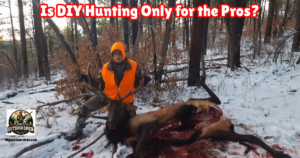
- Common Misconception: DIY Hunting Is Only For Experienced Pros
- How To Choose The Right Handheld GPS Device For Solo Hunting
- Smartphone-integrated GPS Mapping For Hunting And Hiking
- Modular Backpack Tree Stands For Hunting
As always, stay safe, enjoy the journey, and please try to leave it cleaner than you found it. If you have any comments, questions, ideas, or suggestions, please leave them in the comment section below, and I’ll get back to you ASAP. You can follow us on YouTube: Man Art Creations for videos of our DIY Adventures.
P.S. Thanks so much for checking out our blog; we really appreciate it. Just so you know, we may receive a commission if you click on some of the links that appear on our site. This helps us keep our content free and up-to-date for everyone. We appreciate your support!