Contents
- 1 What Makes Black Bear Pass Stand Out
- 2 Getting Ready: Essential Logistics and Planning
- 3 The Right Vehicle and Gear
- 4 The Most Notorious Obstacles on the Trail
- 5 Common Questions About Overlanding Black Bear Pass
- 6 Weather and Season Considerations
- 7 Key Tips for a Safer Overlanding Experience on Black Bear Pass
- 8 What Overlanders Should Remember About Black Bear Pass
Black Bear Pass in Colorado is one of those rare trails that most overlanders dream about but also respect deeply. At just over 10 miles, this expert-level route connects Red Mountain Pass to Telluride. Stories about its tricky switchbacks, dramatic vertical drops, and eye-catching scenery make it both an adrenaline challenge and a scenic trip.
- Scout First: If it’s your first time, consider riding with an experienced group or hiring a guide from local companies like Switzerland of America. Watching someone else manage the toughest parts can really build confidence.
- Bring a Spotter: On “The Steps” and switchbacks, someone outside the vehicle watching tires and rock placement makes things much easier.
- Respect One-Way Traffic: Once you start the descent, there’s no turning back. Waiting your turn, being patient, and giving the right of way to slower drivers all help everything go more smoothly.
- Prepare for Surprises: Even with great conditions, a breakdown here can take hours to resolve. I always carry enough water, snacks, a first aid kit, and rain gear, even in summer.
- Clearance and Articulation: Big rocks and sharp ledges require ground clearance and good wheel movement. Full-size pickups often struggle on the tightest turns, so a Wrangler or Toyota 4Runner is a popular choice.
- Good Brakes and Engine Braking: The steep drop into Telluride can burn up brakes fast. Always use low gear and engine braking as your main line of defense.
- Emergency Brake: More than once, I’ve seen rigs teeter at odd angles or need a quick stop in tight corners. A strong, working parking brake is crucial.
- Recovery Gear: Things like a winch, recovery straps, gloves, a shovel, and tire repair kits aren’t optional. Cell service is spotty or non-existent, so I always bring extra supplies and tell someone my plan and ETA.
What Makes Black Bear Pass Stand Out
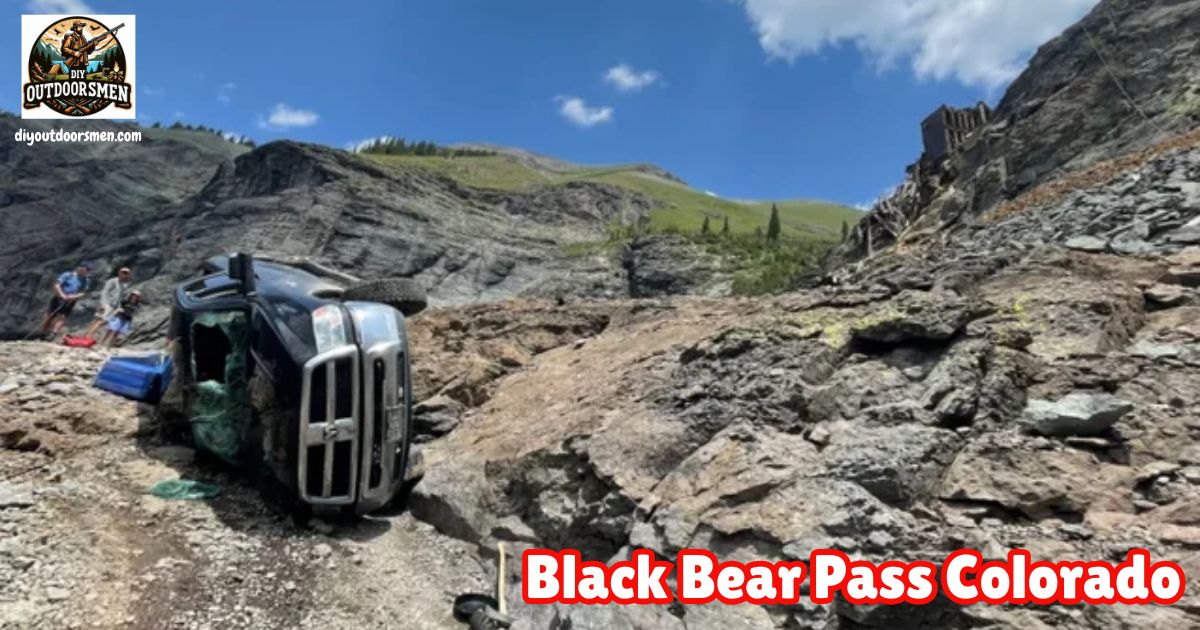
Not many trails pack in as much excitement and scenery as Black Bear Pass does in such a short distance. This trail features breathtaking cliffs, tight switchbacks, and a technical section famously called “The Steps,” where one mistake can land a vehicle in real trouble.
The road barely stays attached to the mountain in spots, with steep drops that make even seasoned drivers uneasy. The official start is at Red Mountain Pass on Highway 550, one of Colorado’s highest mountain roads. From here, the adventure climbs to 12,840 feet at the summit before dropping sharply toward Telluride.
The views up top almost make the stress below worth it, giving a bird’s-eye look at deep valleys and snowy peaks across the San Juan Mountains. Big highlights like Bridal Veil Falls, the tallest free-fall waterfall in Colorado, add even more to the experience.
Getting Ready: Essential Logistics and Planning
The Black Bear Pass trail isn’t something to just show up and try. Careful preparation makes the difference, especially since the road is open seasonally and can turn dangerous if the weather shifts. Here’s what I always pay attention to before making the trip:
- Trail Direction: This route is strictly one way, starting from U.S. 550 near the summit, ending down in Telluride. Turning around after a point is simply not realistic.
- Season and Timing: The pass usually opens in late June or early July, closing again by October. Snow and ice can linger well into summer, so checking current conditions with San Miguel County Road & Bridge is really important before heading out.
- Travel Time: It takes about 6 to 7 hours to get from the summit to Telluride. Add extra time for stops, photos, and trail traffic. The road can back up where only one vehicle fits.
Mapping out every part of the route, knowing weather forecasts, and giving yourself a buffer for daylight are all smart moves. Setting aside time to appreciate the scenery while not feeling rushed adds to both the safety and fun of the trip.
The Right Vehicle and Gear
You need more than the average SUV to safely make it down Black Bear Pass. I stick to high clearance, short wheelbase 4WD vehicles with low range gearing for full control, especially on the tricky switchbacks. Automatic transmissions can work, but it’s important to use low gear and avoid relying only on brakes for the whole descent.
- Clearance and Articulation: Big rocks and sharp ledges require ground clearance and good wheel movement. Full-size pickups often struggle on the tightest turns, so a Wrangler or Toyota 4Runner is a popular choice.
- Good Brakes and Engine Braking: The steep drop into Telluride can burn up brakes fast. Always use low gear and engine braking as your main line of defense.
- Emergency Brake: More than once, I’ve seen rigs teeter at odd angles or need a quick stop in tight corners. A strong, working parking brake is crucial.
- Spotter: Having a buddy on the ground helps a lot in tricky sections, especially at “The Steps.”
- Recovery Gear: Things like a winch, recovery straps, gloves, a shovel, and tire repair kits aren’t optional. Cell service is spotty or non-existent, so I always bring extra supplies and tell someone my plan and ETA.
Rental cars and most unmodified SUVs have no place here. While ATVs and UTVs are allowed on the trail, they can’t drive into Telluride, requiring extra logistics if you’re trailering your machine.
The Most Notorious Obstacles on the Trail
Black Bear Pass isn’t just about the scenery; it’s famous for several spots where experience truly counts:
- The Steps: Around 5.6 miles from the start, a chain of off-camber rocky drop-offs puts your driving skills right on the edge. Sometimes there’s less than a foot between the tire and the cliff.
- Addios Corner: The tightest section of road chills almost every first timer. It’s a narrow, sharp curve with nothing but air below. A spotter on foot helps keep tires in the right place, but it’s hard to avoid a racing heartbeat here.
- The Switchbacks Above Telluride: This mile of sharp turns brings you down toward Bridal Veil Falls. Full-size vehicles require multi-point turns and precise wheel placement. Even for experienced drivers, these turns demand total focus.
- Exposure: Mistakes really stand out here, so it’s wise to keep distractions to a minimum and move slowly.
Making it through these hurdles and then seeing Telluride and Bridal Veil Falls below delivers a great sense of accomplishment. Even so, the climb back up Imogene or Ophir Pass feels like relief after this adventure.
Common Questions About Overlanding Black Bear Pass
I get these questions pretty often from friends thinking about tackling this legendary road:
How technical does Black Bear Pass really get?
There are plenty of moderate stretches, but “The Steps” and the switchbacks leading down to Telluride are truly tricky. While I’ve seen people of all skill levels try it, I don’t recommend this trail unless you are very comfortable with precise driving and steep descents.
Is there any way to practice before trying Black Bear?
Yes, several nearby trails, like Imogene Pass or Engineer Pass, offer a taste of what to expect, but with far fewer consequences. I spent time on those roads before ever giving Black Bear a shot myself.
Is it possible to drive Black Bear both ways?
No, the lower part of the pass is too narrow and steep for two-way traffic. Downhill travel into Telluride is the only allowed direction. Uphill travel is not accepted or possible since there are no places to turn around above Bridal Veil Falls.
Weather and Season Considerations
Conditions on Black Bear Pass can change fast. Afternoon thunderstorms roll in quickly in these mountains, dumping rain or hail that turns rocks slick. I always try to start as early as possible and finish before the usual storms in the early afternoon.
- Snow/Ice: Even in early July, snow and ice may linger, especially in shaded areas or at the summit. Wait until local officials confirm it’s open and safe before planning your run. Snow makes the route much more dangerous, especially on the long drop toward Telluride.
- Rain and Mud: After rain, the steps and switchbacks become slippery. Traction drops fast, so things get extra challenging even for experienced drivers.
- Thunderstorms: Lightning is a real threat at altitude. Being on the summit as a storm rolls in is, at best, uncomfortable and, at worst, risky. I always check a detailed mountain weather forecast right before heading out.
Key Tips for a Safer Overlanding Experience on Black Bear Pass
- Scout First: If it’s your first time, consider riding with an experienced group or hiring a guide from local companies like Switzerland of America. Watching someone else manage the toughest parts can really build confidence.
- Bring a Spotter: On “The Steps” and switchbacks, someone outside the vehicle watching tires and rock placement makes things much easier.
- Respect One-Way Traffic: Once you start the descent, there’s no turning back. Waiting your turn, being patient, and giving the right of way to slower drivers all help everything go more smoothly.
- Prepare for Surprises: Even with great conditions, a breakdown here can take hours to resolve. I always carry enough water, snacks, a first aid kit, and rain gear, even in summer.
Other tips include airing down tires for a smoother ride, bringing maps or a GPS device loaded with offline maps, and planning for backcountry toilets since there are no services out here. Always leave no trace and pack out what you bring in. Knowing basic mechanical repair skills is a strong advantage on this trail, where help can be far away.
What Overlanders Should Remember About Black Bear Pass
Black Bear Pass brings together risk, reward, and unforgettable natural beauty in one short trail. The sense of history, the challenge of its famous obstacles, and the sweeping San Juan scenery all combine to make this a bucket list trip for drivers confident on tough mountain passes.
Careful planning, the right vehicle, and respect for its dangers keep things safe and fun. After my own runs on this trail, I can say nothing matches the feeling of rolling into Telluride with those rugged peaks in the rearview mirror.
That mix of relief, pride, and awe stays with me every time I look at the photos from the adventure. For overlanders looking to push their skills and set out on one of Colorado’s boldest adventures, Black Bear Pass is a challenge worth every bit of effort.
Most Recent Articles:
- Overlanding The Infamous Black Bear Pass In Colorado
- How To Pack A Lightweight Backpack For DIY Backpack Hunting Trips
- Navigating The Hunt Application Process In The US

- Kodiak Canvas Cabin Lodge Tent
- Safety Tips For Hiking In Bear Country
- Camping And Hiking In The South San Juan Wilderness Of Colorado
As always, stay safe, enjoy the journey, and please try to leave it cleaner than you found it. If you have any comments, questions, ideas, or suggestions, please leave them in the comment section below, and I’ll get back to you ASAP. You can follow us on YouTube: Man Art Creations for videos of our DIY Adventures.
P.S. Thanks so much for checking out our blog; we really appreciate it. Just so you know, we may receive a commission if you click on some of the links that appear on our site. This helps us keep our content free and up-to-date for everyone. We appreciate your support!