Contents
- 1 Understanding Elk Behavior in the Late-Season
- 2 Key Strategies for Late Season Elk Hunting
- 3 How to Locate Elk – Where They Hide This Time of Year
- 4 Essential Gear and Planning for Late Season Elk
- 5 Common Late-Season Mistakes and How to Avoid Them
- 6 Advanced Late-Season Tips and Tricks for More Experienced Hunters
- 7 Frequently Asked Questions on Late-Season Elk Hunting
- 8 Why Late-Season Elk Hunting Is Worth the Effort
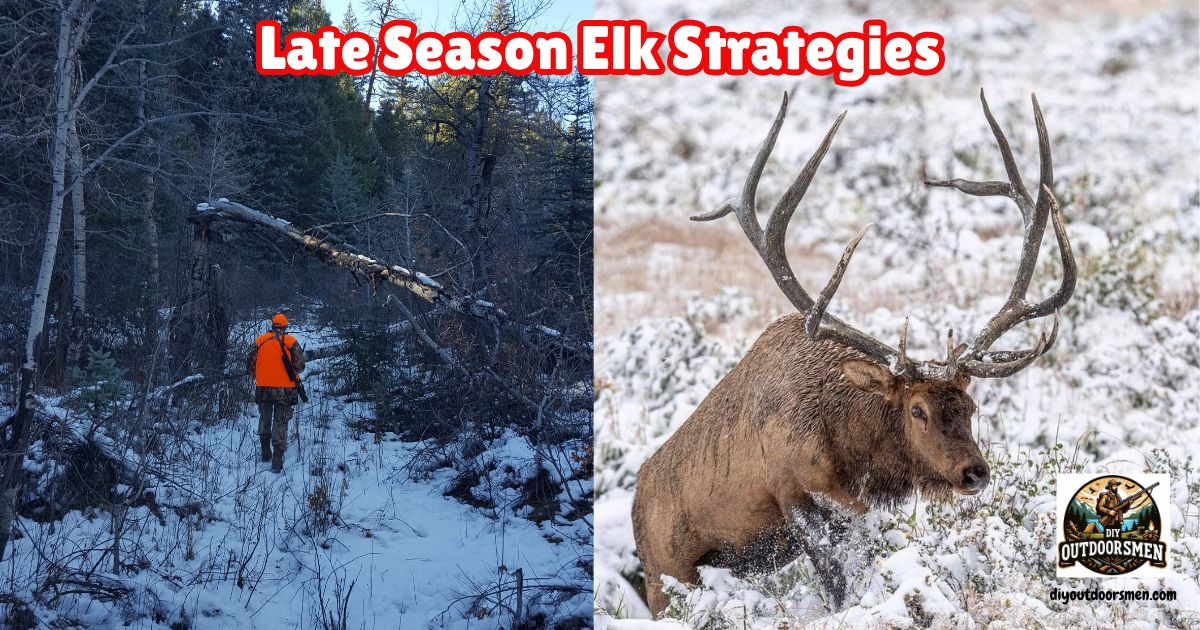
Late-season elk hunting brings in a whole new set of challenges, and if you ask me, some of the most rewarding experiences of the season. As the weather cools and hunting pressure drops, elk become less vocal, tougher to pattern, and even more determined to find safety and food.
QUICK LOOK: Key Late-Season Elk Hunting Strategies
- Find Untouched Sanctuaries: Search for rugged, remote areas that most hunters won’t touch. Steep canyons, thick timber, and deep bowls several miles from the nearest road are gold mines, especially for mature bulls.
- Focus on Key Food Sources: Late fall elk need up to 20 pounds of forage a day. South-facing meadows, agriculture fields, winter wheat, or patches of leftover green can draw herds even in freezing weather. I always glass these areas at first and last light.
- Track in Fresh Snow: Snow gives you a running diary of elk movement. Look for fresh tracks crossing logging roads or ridgelines. I follow tracks slowly, watching wind direction, and pause often to glass ahead. Often, you’ll spot elk feeding or bedded within view.
- Master Glassing Techniques: Working from a high point with tripod-mounted binoculars saves time and energy. Elk can blend in, so I scan slowly, breaking the terrain into grids, and look for small movements or an antler tip. A spotting scope helps confirm what you’re seeing, especially in low-light conditions.
- StillHunt the Timber: When elk aren’t showing in the open, I slip quietly through timber patches, glassing every few yards. Listening for the sound of hooves on snow or breaking branches helps locate tight-bedded animals. The key here is patience and a willingness to move slowly, almost like you’re stalking a ghost.
- Use Subtle Calling: In the late season, loud bugling usually scares elk off. If needed, a soft cow call can stop a moving animal for a shot or calm a nervous herd. Otherwise, I let my boots do the talking and mostly rely on tracking and glassing.
- Adapt to the Weather: After a fresh snowfall, focus on tracking. On bright, dry days, key in on glassing and observing feeding spots. Cloudy or overcast weather adds extra cover for stalking elk in timber.
So, if you’re planning to head out after bulls or cows in late October, November, or even into December, understanding what makes elk tick this time of year can really tip the odds in your favor. Here, I’ll share proven strategies, gear choices, and personal tips for hunting late-season elk across a variety of conditions.
Understanding Elk Behavior in the Late-Season
Elk spend the early fall focused on mating, but by the late season, their priorities switch up. Food and safety become much more important than finding a mate. Bulls, exhausted from the rut, will try to recover and avoid hunters. Cows and calves form tighter herds and look for areas with reliable food and some cover.
Cold temperatures and snow push elk down from the highest elevations to mid or low altitude winter range. They prefer south-facing slopes and windblown ridges where grass is still available. In spots with agricultural land, they’ll move to fields with standing alfalfa, wheat, or leftover crops as natural forage runs out.
In my experience, elk become more predictable in their habits, mainly moving at dawn and dusk, bedded or hidden during the day. Late in the season, bulls especially tend to isolate in steep, gnarly terrain that few hunters will brave, making locating them a bit like a treasure hunt. You really have to keep an eye out for subtle clues and trust your glassing skills.
Key Strategies for Late Season Elk Hunting
A successful hunt comes down to understanding where elk are likely to hide, what they want, and how the environment works for or against you. Here are the approaches I rely on when the snow is piling up and the pressure is on.
- Find Untouched Sanctuaries: Search for rugged, remote areas that most hunters won’t touch. Steep canyons, thick timber, and deep bowls several miles from the nearest road are gold mines, especially for mature bulls.
- Focus on Key Food Sources: Late fall elk need up to 20 pounds of forage a day. South-facing meadows, agriculture fields, winter wheat, or patches of leftover green can draw herds even in freezing weather. I always glass these areas at first and last light.
- Track in Fresh Snow: Snow gives you a running diary of elk movement. Look for fresh tracks crossing logging roads or ridgelines. I follow tracks slowly, watching wind direction, and pause often to glass ahead. Often, you’ll spot elk feeding or bedded within view.
- Master Glassing Techniques: Working from a high point with tripod-mounted binoculars saves time and energy. Elk can blend in, so I scan slowly, breaking the terrain into grids, and look for small movements or an antler tip. A spotting scope helps confirm what you’re seeing, especially in low-light conditions.
- StillHunt the Timber: When elk aren’t showing in the open, I slip quietly through timber patches, glassing every few yards. Listening for the sound of hooves on snow or breaking branches helps locate tight-bedded animals. The key here is patience and a willingness to move slowly, almost like you’re stalking a ghost.
- Use Subtle Calling: In the late season, loud bugling usually scares elk off. If needed, a soft cow call can stop a moving animal for a shot or calm a nervous herd. Otherwise, I let my boots do the talking and mostly rely on tracking and glassing.
- Adapt to the Weather: After a fresh snowfall, focus on tracking. On bright, dry days, key in on glassing and observing feeding spots. Cloudy or overcast weather adds extra cover for stalking elk in timber.
How to Locate Elk – Where They Hide This Time of Year
Knowing where to look is half the battle. If you’re not seeing fresh sign, it’s time to move to a new area. Here are the spots I start with during late-season hunts:
- Agricultural Fields: In areas near private land, elk flock to alfalfa, wheat, or corn fields, especially right after heavy snow covers natural forage. Sometimes herds use these spots at night, so early morning glassing is vital.
- South-facing, Benches and Ridges: These slopes melt off faster, exposing grass and shrubs that elk crave. I often spot bulls sunning themselves or feeding in the afternoons here. These spots are easy to overlook but can quickly turn into a hotbed of activity in the right conditions.
- Hidden Bowls and Cliff Bases: Elk love rugged geography. I focus on secluded canyons, cliff edges, or pockets of brush far from motorized access. Sometimes, these secluded nooks also block the wind, making them prime bedding areas on cold days.
- Wintering Valleys: In larger herds, look for broad basins or valleys with running water. Usually, these hold the densest concentrations of cows and younger animals, and in particularly cold snaps, you might see surprisingly large herds in a single spot.
- Fresh Elk Sign: Tracks with wide, blocky shapes often signal bulls. Large piles of droppings or freshly worked-up bare ground point to active bedding and feeding zones. Pay attention to where you find the freshest sign—this can help steer you in the right direction fast.
Essential Gear and Planning for Late Season Elk
Late-season hunts can get really cold, wet, and unpredictable. Smart gear choices, based on my own cold and snow-filled trips, keep you comfortable and safe while maximizing your chances for spotting elk:
- Tripod: Glassing for hours is rough on arms. Use a solid tripod for binoculars or a spotting scope to keep your optics steady and your eyes relaxed.
- Quality Optics: Clear binoculars (10×42 or similar) make spotting elk much easier. A spotting scope lets you check distant animals for antlers or herd size without hiking a mile closer first.
- Layered Clothing: Baselayers that wick sweat, high-loft insulation, shell jackets, and wind pants are key. Puffy jackets work wonders during glassing sessions or while waiting on stand. I also pack an extra hat and mittens in case conditions get harsh.
- Insulated, Waterproof Boots: Snow, mud, and cold put your boots to the test. My go-to is a pair of insulated waterproof hunting boots with gaiters to keep snow out. Wellfit boots and thick wool socks are vital to stay dry and blister-free.
- Mapping Tools: Use GPS, offline mapping apps, or printed maps. Digital apps like onX, Basemap, or HuntWise help you scout and track boundaries, public access, and private land. It’s a game-changer to know at a glance whether you’re on legal ground or close to a fence line.
- Game Bags and Knife: Late-season temps can still push above freezing during the day. I always carry breathable game bags for quick meat cooling, and a sharp, sturdy knife is crucial for breaking down and packing out your harvest.
- Emergency Kit: I bring a basic first aid kit, extra food, a headlamp, and a fire starter since late-season hikes often run long in fading daylight. Also, consider a small tarp and emergency bivvy in case you’re caught out overnight. It’s better to have it and not need it than the other way around.
Personal fitness is huge. Late-season elk might be near a road, but more often I find myself pushing up snowy slopes or boulder-strewn hillsides for miles. Staying in shape makes the hunt safer and way more enjoyable. Work on your endurance and strength in the off-season, as being able to cover ground safely is half the battle during these hunts.
Common Late-Season Mistakes and How to Avoid Them
Even experienced hunters run into trouble during late-season hunts. Here are some slipups I’ve seen (and made myself) along with tips for avoiding them:
- Staying in One Area Too Long: Elk move in response to pressure and weather. If you haven’t seen new tracks or fresh feeding sign after a day and a half, cover new ground and don’t waste precious time on empty hills.
- Ignoring Wind Direction: Late-season elk are on high alert. Always play the wind; getting careless even once can bust an entire basin of elk. It’s a basic move that will cost you if you forget it.
- Arriving Too Late in the Day: Elk often feed early at dawn or late at sunset. I try to be glassing well before first light and ready to hike after the sun dips. Getting a jump on other hunters is essential in the late season.
- Underdressing for the Cold: Hypothermia is real. Layers are your friend, and always bring more than you think you need. A portable hand warmer or two can make a world of difference.
- Forgetting About Meat Care: Elk hides are thick and insulate even in subfreezing temps. I skin and hang quarters in game bags right away to cool the meat and prevent spoilage; skipping this step can ruin a hard-earned harvest.
Advanced Late-Season Tips and Tricks for More Experienced Hunters
If you’ve got the basics down and want to stretch your success rate even further, here’s what’s worked for me in tough late-season conditions:
Grid Glassing: Pick a hillside or drainage, set up your tripod, and break it into small grids. Move your binoculars a little each time, scanning for subtle movement. Elk bedded under trees or against snowy banks often look like brown rocks. Patience pays off; sometimes it takes an hour or more to make out what’s hiding in plain sight.
Double Back on Tracks: If you lose a trail, double back to the last spot of fresh sign and circle outward. Bulls sometimes circle back and watch their own backtrack, so moving quietly keeps you from spooking them. Slow down, glass often, and let the sign dictate your pace.
Use Weather to Your Advantage: A sudden storm or fog bank can cover your approach as elk feed in the open. I’ve walked right up on groups that would otherwise be impossible to stalk. Cold snaps can also push elk out of heavy cover, so don’t skip a hunt just because the weather is rough.
Strategic Rest Days: Elk switch up their patterns to avoid pressure. If you see a herd get bumped from their feeding spot, give them a full day and check back the next evening. More often than not, they’ll return to feed once things seem quiet. It’s all about playing the long game and having the patience to let things settle down.
Frequently Asked Questions on Late-Season Elk Hunting
Here are questions hunters often ask me when they’re preparing for that last push of the season.
Question: Is late-season elk hunting harder than the rut?
Answer: The challenge is different. Elk are less vocal, so you rely more on glassing, scouting, and tracking sign. The reward is that bulls are less likely to be chasing cows and more focused on survival, which makes them stick to routine patterns.
Question: What’s your best advice for new late-season hunters?
Answer: Be patient and stay flexible. Watch for new tracks, adjust to the weather, and don’t be afraid to hike into spots nobody else wants to go. The hardest country can turn out to be the most productive. Also, learn from every outing; experience is the best teacher in late-season elk hunting.
Question: How do you keep your feet warm in deep snow?
Answer: Insulated boots, thick wool socks, and gaiters help a lot. I change socks if my feet get sweaty, and I always carry a spare set in my pack. It helps to dry your boots by the fire in the evenings, and adding a foot warmer can provide extra comfort during those bitterly cold mornings.
Why Late-Season Elk Hunting Is Worth the Effort
The late-season transforms the landscape. Snow glistens on mountain peaks, valleys are quiet except for the crunch of fresh tracks, and elk become ghosts moving with purpose. It’s a test of determination, patience, and respect for the animal and the land.
I’ve learned that every late-season hunt, even when I come home empty-handed, builds skills that last a lifetime. Finding one set of fresh tracks in a sea of white or watching a herd emerge in the last minutes of light is the kind of thrill that keeps me coming back year after year.
If you’re up for putting in the effort, late-season elk hunting can be an adventure you’ll tell stories about for years. You might find challenges you didn’t expect, but the rewards—whether that’s filling your tag or just breathing crisp air in the quiet woods—are always worth it.
Most Recent Articles:
- Vortex Optics Essentials: Hunting Scope Guide For The Serious Outdoorsman
- Garmin GPS Devices: Navigational Must-Haves For DIY Hunting Expeditions
- Best Rooftop Tents For Overlanding
- Overlanding The Infamous Black Bear Pass In Colorado
- How To Pack A Lightweight Backpack For DIY Backpack Hunting Trips
- Navigating The Hunt Application Process In The US
As always, stay safe, enjoy the journey, and please try to leave it cleaner than you found it. If you have any comments, questions, ideas, or suggestions, please leave them in the comment section below, and I’ll get back to you ASAP. You can follow us on YouTube: Man Art Creations for videos of our DIY Adventures.
P.S. Thanks so much for checking out our blog; we really appreciate it. Just so you know, we may receive a commission if you click on some of the links that appear on our site. This helps us keep our content free and up-to-date for everyone. We appreciate your support! Late-seasonLate-season