Contents
- 1 Why DIY Hunting Works for Beginners
- 2 Tools and Resources that Make DIY Hunting Accessible
- 3 Debunking Common Myths About DIY Hunting
- 4 Step By Step: Getting Into DIY Hunting
- 5 Beginner-friendly Approaches to DIY Hunting
- 6 DIY Does Not Mean Going It Alone
- 7 Frequently Asked Questions
- 8 Affordability and Access in DIY Hunting
- 9 Fresh Eyes and How Beginners Can Succeed at DIY Hunting
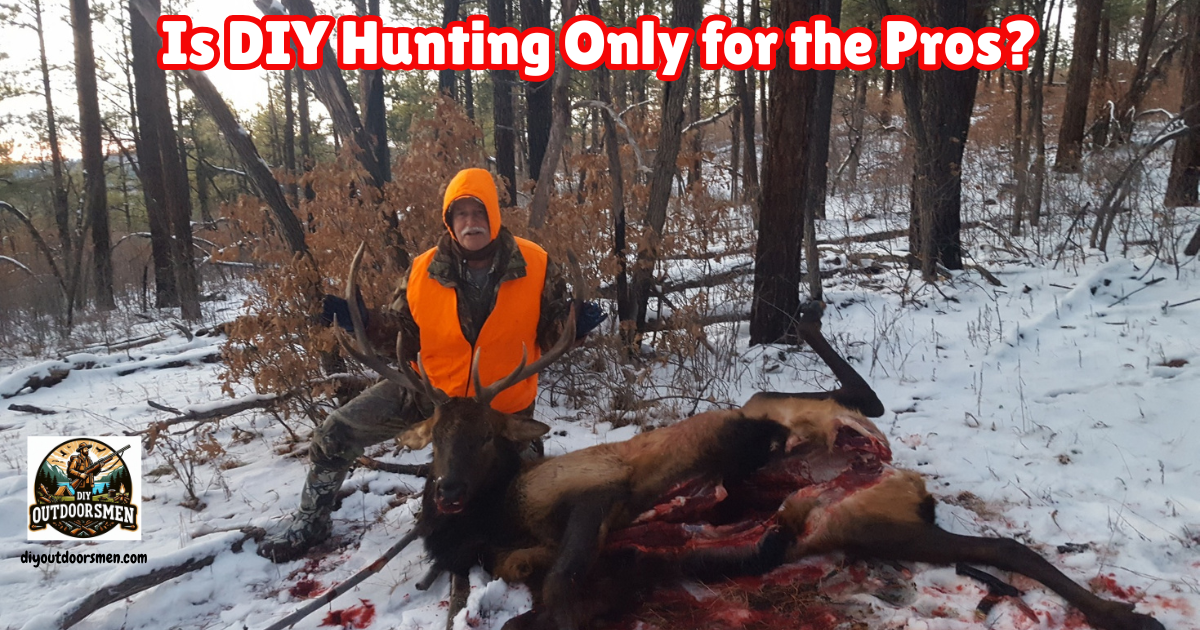
DIY hunting often gets treated like it’s a club for seasoned veterans. The idea that you have to be an expert before stepping into the woods puts a lot of newcomers off, but the reality is far more inviting. Most beginners, including myself, find that DIY hunting offers chances for growth and satisfaction. It’s a lot more approachable than it first seems. I want to clear up this misunderstanding and show how beginners can thrive with a DIY approach to hunting.
QUICK LOOK: DIY Hunting Tips that Won’t Break the Bank
- Take a Hunter Safety Course: Most states expect this anyway. It covers the basics like firearm handling and outdoor survival.
- Choose an Entry Level Game Animal: Small game hunting or predator hunts are friendly starting points. The seasons are longer, there’s less competition, and bag limits are higher. I started hunting squirrels and rabbits.
- Gather Essential Gear Only: Start simple. I had boots, a weather-appropriate jacket, a budget rifle, and a backpack. Borrow or buy used to save money.
- Scout Public Land Online or In Person: Digital maps let you do most of the scouting at home. Walk in during the offseason to check for sign, water sources, or feeding areas.
- Plan Short Day Hunts First: One or two outings near home gave me enough confidence to try longer trips later. Local hunting means less stress about logistics.
- Connect with Local Hunters or Clubs: Joining a local conservation group put me in touch with experienced people ready to answer questions or invite me along.
Why DIY Hunting Works for Beginners
Getting into DIY hunting doesn’t require years of experience. I found that learning by doing gave me confidence fast. I had to figure out how to read tracks, use maps, and make judgments about the land, but these are skills you pick up as you go. Without a guide or an expert looking over your shoulder, you’re free to ask questions, make mistakes, and learn at your own pace.
It’s important to recognize that every hunter started as a beginner. No one is born knowing how to scout a hillside or set up for whitetail deer. My own introduction to hunting was filled with trial and error, and that’s where the best lessons often come from.
Tools and Resources that Make DIY Hunting Accessible
The internet and modern tech have made learning about hunting way easier than it used to be. I started with YouTube tutorials and wildlife agency websites, which helped break down concepts like habitat selection and animal patterns. Today’s gear, from GPS apps to beginner-friendly rifles and crossbows, is more budget-friendly than ever. I didn’t need thousands of dollars to get started; basic tools got me outdoors and learning.
- GPS and Mapping Apps: OnX Hunt, HuntStand, and Google Earth help you scout terrain and find public land.
- Local Resources: State fish and wildlife departments often provide free advice, maps, and sometimes beginner workshops.
- Online Communities: Forums and hunting groups welcome new members who ask honest questions.
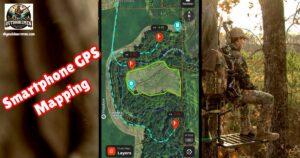
When I first began, I used a compass and a paper map. Now, with smartphone mapping, locating game trails and marking good spots happens quickly. This tech helps new hunters feel less overwhelmed and more in control. Many podcasts, blogs, and videos dig into techniques and stories that inspire you to get outside.
Debunking Common Myths About DIY Hunting
Myths about DIY hunting make it feel out of reach for beginners, but from personal experience, these turn out to be overblown once you get involved.
- Myth: It’s too dangerous for newcomers. With good preparation, a charged cell phone, and simple safety gear like a whistle or locator beacon, solo or paired trips are as safe as many outdoor activities.
- Myth: You don’t see animals on public land. Success on public lands comes down to effort. Willingness to hike farther than others often puts you where the game is, which I learned through longer, quieter sits away from common trails.
- Myth: You need premium equipment to succeed. My first deer came when I used a basic bolt-action rifle and hand-me-down gear. Most modern entry-level gear is more than enough for ethical, successful hunts.
Hiring a guide is an option, but it’s never a requirement. Building skills on your own schedule isn’t just possible, it’s really gratifying.
Step By Step: Getting Into DIY Hunting
When I decided to start hunting on my own, I broke the process into smaller, manageable steps. Here are the steps that helped me, and could help you too:
- Take a Hunter Safety Course: Most states expect this anyway. It covers the basics like firearm handling and outdoor survival.
- Choose an Entry Level Game Animal: Small game hunting or predator hunts are friendly starting points. The seasons are longer, there’s less competition, and bag limits are higher. I started hunting squirrels and rabbits.
- Gather Essential Gear Only: Start simple. I had boots, a weather-appropriate jacket, a budget rifle, and a backpack. Borrow or buy used to save money.
- Scout Public Land Online or In Person: Digital maps let you do most of the scouting at home. Walk in during the offseason to check for sign, water sources, or feeding areas.
- Plan Short Day Hunts First: One or two outings near home gave me enough confidence to try longer trips later. Local hunting means less stress about logistics.
- Connect with Local Hunters or Clubs: Joining a local conservation group put me in touch with experienced people ready to answer questions or invite me along.
I found that building small wins like spotting game, finding sign, or simply getting comfortable with my gear got me feeling like I belonged outdoors quickly. Don’t be afraid to start slow; it’s part of the adventure.
Beginner-friendly Approaches to DIY Hunting
I didn’t go off solo after elk my first year. Small game and predator hunting were more manageable for a beginner. Squirrels, rabbits, and coyotes offer practical lessons. They teach stealth, moving quietly, and the importance of patience and observation. The gear needs are smaller, and the success rates are higher, which really builds confidence.
- Longer seasons give more chances to get outside and practice.
- Lower cost since the required licenses and gear are affordable for most budgets.
- Repeat opportunities so you’re not waiting all year for one big game tag.
For a total beginner, chasing small game like squirrels or rabbits can fill your freezer while laying the groundwork for future big game adventures. Each outing adds new lessons and helps you get used to reading sign, stalking, and making ethical shots.
DIY Does Not Mean Going It Alone
The “do-it-yourself” part only means not hiring a professional guide. I often hunted with friends or family, reached out to mentors, and took advice from experienced locals. There’s a real community among public land hunters. Sharing tips at the range or swapping advice in online groups sped up my learning a lot.
- I paired up for scouting trips, especially somewhere new.
- I asked questions at local gun shops and range events.
- I joined conservation events or cleanups, meeting helpful people and getting tips for free.
Hunting on your own terms doesn’t mean you’re isolated. So many resources open up when you put yourself around the right people—and you really get a boost from being part of that friendly crowd.
Frequently Asked Questions
Newcomers to DIY hunting often wonder about these:
How do I start DIY hunting with no experience?
Take a hunter safety course, pick beginner-friendly game, gather basic gear, and use technology for scouting. Connect with the local hunting community for extra support.
Is DIY hunting safe for me as a beginner?
Safety is all about preparation. Pack the right gear, stay aware, and let someone know where you’ll be headed before you go.
How much should I expect to spend on my first DIY hunt?
Consider license fees, basic equipment, and travel costs. Borrowing or buying used helps you start for just a few hundred dollars, depending on the area and your game.
What’s the best way to learn about hunting spots?
Research online, check in with wildlife officials, scout on foot, and use mapping tech to find public lands with good access.
Affordability and Access in DIY Hunting
Guided hunts can cost thousands, which was way out of my reach. DIY hunting lowers the financial barrier. Buying just the essentials, a hunting license, basic gear, and some gas was enough to get started. Camping instead of booking a lodge, splitting costs with a friend, or finding spots close to home, let me hunt often without breaking the bank.
This approach turned hunting into a regular hobby, not just a once-in-a-lifetime treat. For a lot of people, it’s the most accessible and sustainable way to get outside. Plus, it makes the victories feel even sweeter.
Fresh Eyes and How Beginners Can Succeed at DIY Hunting
Being new has real advantages. Beginners don’t have bad habits to unlearn, so trying new tactics and adapting to what happens in the field feels normal. I paid attention to details and didn’t ignore “less promising” spots. Success often comes from being willing to try where others skip.
Being curious made every outing a valuable lesson. My approach was simple and open-minded, and I noticed that led to more memorable trips, even when I didn’t fill a tag.
Getting into DIY hunting as a beginner is more about attitude and willingness to learn than about years of experience. With all the resources today, anyone who’s interested can become a successful, safe, and confident DIY hunter. Every step taught me something new and deepened my appreciation for wild places and the skills needed to enjoy them.
Most Recent Articles:
- Common Misconception: DIY Hunting Is Only For Experienced Pros
- How To Choose The Right Handheld GPS Device For Solo Hunting
- Smartphone-integrated GPS Mapping For Hunting And Hiking
- Modular Backpack Tree Stands For Hunting
- Communication In Remote Hunting Areas With No Cell Service
- Eberlestock Backpacks: Customizing Your DIY Hunting Loadout
As always, stay safe, enjoy the journey, and please try to leave it cleaner than you found it. If you have any comments, questions, ideas, or suggestions, please leave them in the comment section below, and I’ll get back to you ASAP. You can follow us on YouTube: Man Art Creations for videos of our DIY Adventures.
P.S. Thanks so much for checking out our blog; we really appreciate it. Just so you know, we may receive a commission if you click on some of the links that appear on our site. This helps us keep our content free and up-to-date for everyone. We appreciate your support!