Contents
- 1 Suburban Bowhunting Basics: What Sets It Apart?
- 2 Preparing to Bowhunt in the Suburbs
- 3 Staying Safe and Being a Good Neighbor
- 4 Honing Your Bowhunting Skills for Tight Quarters
- 5 Understanding Suburban Deer Patterns
- 6 Recovering Game and Handling Awkward Moments
- 7 Tips for Getting and Keeping Suburban Hunting Spots
- 8 FAQ: Common Suburban Bowhunting Questions
- 9 Adapting Your Bowhunting Strategy to Small Properties
- 10 Gear Recommendations for Suburban Bowhunters
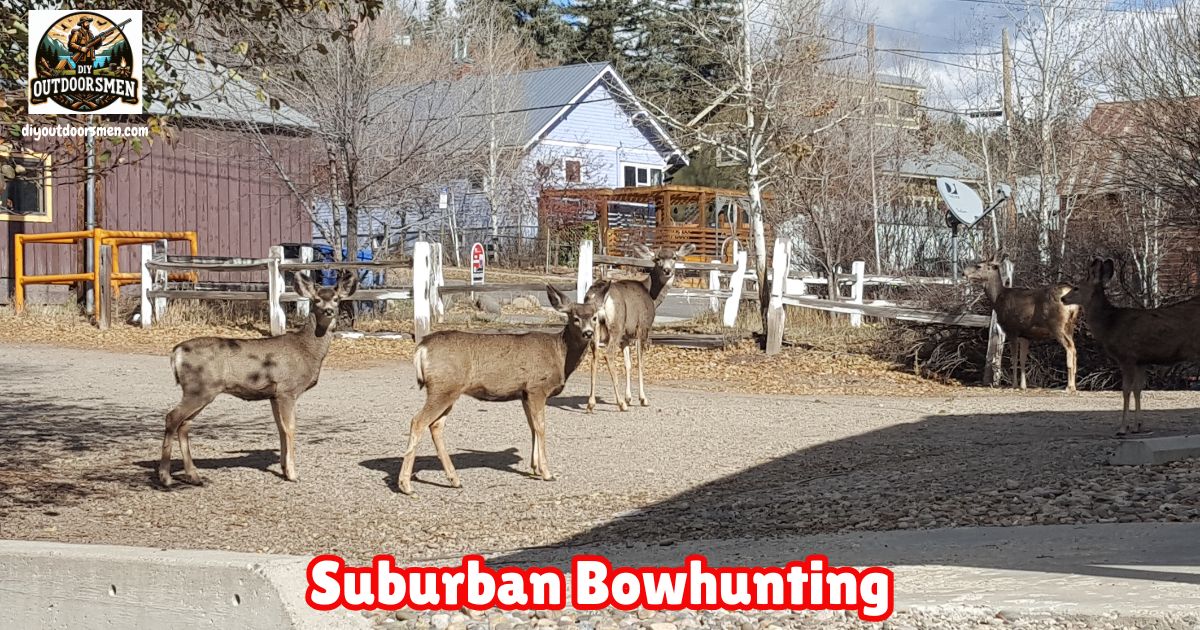
Bowhunting in suburban areas is nothing like hunting deep in the woods. I find it brings a totally different set of challenges. Tightly packed properties, invisible boundaries, curious neighbors, and local laws all come into play.
QUICK LOOK: Finding Suburban Bowhunting Opportunities
- Networking With Neighbors: I introduce myself in person, offer my phone number, and explain my experience. Some people are even grateful for someone who helps prevent deer from eating their gardens.
- Being Extra Discreet: I keep my hunting activity lowkey and clean up after myself. No one wants to see leftover game parts or trash near their home.
- Reputation Matters: Word spreads fast, so if I’m respectful and careful, other property owners usually become more open to letting me hunt their land in the future.
- Keeping a Thank You List: After a successful hunting season, I like to check in with property owners and show appreciation, even if I wasn’t successful on their land. A small gift card or handwritten note goes a long way in building future trust.
The deer are there, but being successful means thinking ahead and being considerate of both the animals and the people who live nearby. Here are the things I always keep in mind before heading out for a suburban hunt and how you can set yourself up for a safe, ethical, and rewarding experience.
Suburban Bowhunting Basics: What Sets It Apart?
Suburban bowhunting throws plenty of surprises compared to more rural spots. There’s the obvious concern about hitting a house or someone’s pet, and the less obvious but equally important goal of keeping your neighbors happy.
I don’t just wander into a patch of brush and hope for the best. Instead, I need to know exactly where I’m allowed to hunt and what the local rules are. Big factors include the size of the lot, other property owners around, and how tolerant the community is towards hunters.
Suburban deer seem unbothered by cars and barking dogs, but they notice strange movement or scent in their territory. Because public perception really matters here, I have to be thoughtful about how I act. Reputation travels quickly through neighborhoods, so building trust is just as necessary as tracking deer movement.
Preparing to Bowhunt in the Suburbs
Scouting the area and lining up everything legally is how I begin every suburban hunt. I don’t just drive around until I spot a likely yard. Instead, I do prep work to make sure everything is above board, and everyone feels comfortable with my presence in their space.
- Check Local Laws: Every municipality is different. Some towns might let you use archery gear within city limits, while others have strict bans or require specific setbacks from houses and roads. I make it a priority to look up city codes, then call the local police department if anything still seems unclear.
- Get Written Permission: Private properties rule the suburbs. A handshake isn’t enough—I always get written permission, and I save those documents just in case a neighbor or police officer asks. People are usually reassured by professionalism, so a well-written note makes a difference.
I also map out every property line, using apps if necessary, to avoid problems. Nobody likes a stranger showing up in their backyard, even for a good reason. Having a printed or digital map on hand is helpful if you’re asked to show where you plan to be. This gives property owners extra comfort and shows that you care about doing things properly.
Staying Safe and Being a Good Neighbor
Safety comes first, no matter where I hunt, but it’s really important in the suburbs. The risks are different—a stray arrow here could cause way bigger issues than in the backcountry. I prefer elevated tree stands whenever possible. Shooting downward means the ground becomes my backstop, which lowers the risk to everyone around me.
I never climb up without a full-body harness and always let someone know where I’ll be and when. When traveling to and from my stand, I keep my gear cased and don’t wear full camouflage through neighborhoods. This keeps the peace and avoids scaring kids or raising unnecessary attention.
Discretion also counts for game recovery—I carry the deer out in a tarp or cart, and I don’t field dress on someone’s lawn. I usually wait until I’m back at my truck or at home, where clean-up won’t upset anyone. It’s also a top priority to make sure arrows are always accounted for, especially if you’re hunting in places where kids and pets often play. Before leaving any location, I do a careful search to make sure no gear is left behind.
Honing Your Bowhunting Skills for Tight Quarters
Suburban lots are not forgiving. I’ve learned to limit my shot opportunities to really short distances, often 20 yards or less. This avoids tracking wounded deer across fences and keeps shots ethical. Here are a few things I practice:
- Short Range Accuracy: Shooting from close up requires being steady and calm, especially when a small miss could send an arrow where it shouldn’t go. I set up closerange targets at home or at a local range and train for quick, ethical shots.
- Practice Angled Shots: Tree stands add a steep angle to every shot, and I’ve found it helps to aim a little lower than usual to account for the arrow’s path, especially if a deer “drops” at the shot.
- Patience and Movement Control: Movement is much easier to spot in the suburbs, and keeping every action purposeful prevents spooking both deer and neighbors. If you need to shift positions, do it slowly and deliberately.
Being ready for these real situations not only helps my success but also prevents headaches after the shot.
Understanding Suburban Deer Patterns
Deer in the suburbs act differently than their wild cousins. I notice they move according to when people are active. For example, they might come out after morning dog walkers or before the evening rush of joggers. Understanding these habits is really important, so I don’t spend every hunt watching empty woods.
- Trail Cameras: I place these discreetly and check them at odd hours to avoid being noticed by neighbors. Cameras help me get a sense of when the deer are moving and where they enter or exit small pockets of woods.
- Scent Control: Even though suburban deer smell humans all the time, they still react to concentrated scents in their safe areas. I use scent-free detergents and avoid wearing cologne or anything strongly scented. If I smell like a ‘stranger’ in their bedding or feeding areas, they disappear fast.
- Identifying Pressure Points: Over time, many suburban deer learn which yards or patches offer them shelter from people, dogs, and city noise. These “safe zones” are ideal for stand placement. Observing movement over several weeks can help you spot these patterns.
Figuring out deer routine in the suburbs is a process of constant watching and adjusting. Every time I hunt, I learn something new that helps shape my next move.
Recovering Game and Handling Awkward Moments
Game recovery in the suburbs is totally different than when I’m on wide-open land. Sometimes, even a perfect shot might send a deer into a neighbor’s yard. If that happens, I politely knock on their door and ask before stepping onto their property. I explain what happened and keep things calm; a friendly approach goes a long way.
Sometimes, I get lucky and have permission from several neighbors at once. That makes life easier, especially if a deer runs far. If not, I always respect “no” answers and try not to let things get heated. Most people appreciate the honesty and care I show during the whole process.
If you’re hunting near shared community spaces or open land, reach out to the managing authority before the season starts. Letting them know in advance can help smooth the way if a recovery crosses into their area.
Tips for Getting and Keeping Suburban Hunting Spots
Finding good places to bowhunt in the suburbs takes creativity and patience. I often look for little corners of land, city parks that permit hunting, overlooked patches between houses, or even utility corridors. These spots may look too small, but they can hold plenty of deer, especially when bigger areas are pressured or unsafe to hunt.
- Networking With Neighbors: I introduce myself in person, offer my phone number, and explain my experience. Some people are even grateful for someone who helps prevent deer from eating their gardens.
- Being Extra Discreet: I keep my hunting activity lowkey and clean up after myself. No one wants to see leftover game parts or trash near their home.
- Reputation Matters: Word spreads fast, so if I’m respectful and careful, other property owners usually become more open to letting me hunt their land in the future.
- Keeping a Thank You List: After a successful hunting season, I like to check in with property owners and show appreciation, even if I wasn’t successful on their land. A small gift card or handwritten note goes a long way in building future trust.
FAQ: Common Suburban Bowhunting Questions
Some of these are things I get asked all the time, or wondered about myself when I first started bowhunting closer to home:
How do I find spots to hunt in the suburbs?
I use online mapping apps to scout land, check local regulations for public land access, and introduce myself to property owners. Sometimes I even leave friendly notes or business cards explaining what I’m looking for.
What’s the best way to get permission from neighbors?
I’m polite, honest, and offer to share venison if someone’s interested. I also explain exactly where and when I plan to hunt to set everyone’s mind at ease.
How do I handle it when a deer runs into someone’s backyard?
I never assume it’s okay to enter another yard. I explain the situation, ask for permission, and stay calm, even if the neighbor isn’t a hunter. Being transparent usually leads to good outcomes.
Adapting Your Bowhunting Strategy to Small Properties
Small lots change how I hunt. I don’t get as many options for stand placement or travel corridors, so I spend more time observing and less time stomping around. Whenever possible, I:
- Use digital maps and aerial images to identify “funnels,” places where deer naturally move between food, bedding, or shelter.
- Focus on hunting only when conditions are perfect, so I don’t overpressure the area. One badly chosen hunt can make deer disappear from a half-acre patch.
- Pick days when the wind is in my favor and when I know the deer will move. A little patience here makes every sit count.
Observing animal tracks, trails, and browsing signs will help you pick the best ambush spot on a tiny property. Many of my most productive hunts have happened because I waited for the absolute ideal moment rather than chasing every opportunity.
Gear Recommendations for Suburban Bowhunters
Having the right equipment helps keep things smooth and safe. My main recommendations:
- A compact, quiet bow or crossbow that won’t alert neighbors or make a big scene.
- Arrows fitted with small game heads or fixed blades for more predictable results in short-range shots.
- A comfortable, safe climbing harness and lightweight ladder stand for elevated shooting positions.
- Topographic apps and boundary markers for a crystal clear understanding of property lines.
- Quality scent control products and storage containers that keep my gear as close to “invisible” as possible.
Good gear doesn’t just make my hunt easier. It also keeps me and everyone around me safer and more comfortable with my presence nearby.
Suburban bowhunting asks a lot more than just knowing how deer move or hitting a target. It’s about respect, great preparation, and patience in both hunting and dealing with the people who live on the land. Taking time to build trust goes as far as any gear or skill in making every hunt better for everyone involved.
Most Recent Articles:
- Reliable Trail Camera Rigs For Hunters On A Tight Budget
- Suburban Bowhunting Tips

- Guide To Portable LED Headlamps For The Outdoors

- Navigating Private Land Permissions For DIY Hunting Adventures
- DIY Hunting Requires Expensive High-end Gear Myth Debunked
- Reviewing Compact Rangefinders For Precision In DIY Hunting

As always, stay safe, enjoy the journey, and please try to leave it cleaner than you found it. If you have any comments, questions, ideas, or suggestions, please leave them in the comment section below, and I’ll get back to you ASAP. You can follow us on YouTube: Man Art Creations for videos of our DIY Adventures.
P.S. Thanks so much for checking out our blog; we really appreciate it. Just so you know, we may receive a commission if you click on some of the links that appear on our site. This helps us keep our content free and up-to-date for everyone. We appreciate your support!