Contents
- 1 What Hunters Need to Know About Transporting Game Meat
- 2 Documentation, CWD, and Game Identification Rules and Regulations
- 3 Handling and Cooling for Keeping Game Meat in Good Condition
- 4 Packing and Transporting Game Meat: Coolers, Ice, and Dry Ice
- 5 Transporting Game Meat By Road, By Plane, or By Mail
- 6 Avoid Spoilage and Legal Troubles
- 7 Frequently Asked Questions
- 8 Wrapping Up on Transporting Game Meat the Right Way
Transporting game meat the right way keeps it safe to eat and helps avoid legal headaches. For anyone who hunts, whether it’s deer, elk, waterfowl, or upland birds, what happens after the harvest is just as important as what happens in the field.
Let’s break down what’s involved in moving game meat from where you hunt to where you’ll enjoy it. This covers everything from packing to paperwork, and I’ll share a few things I’ve learned from my own experiences hauling meat across state lines and getting it home in one piece.
What Hunters Need to Know About Transporting Game Meat
Moving game meat from the field to your freezer comes with its share of rules and practical steps. Rules can differ between states, and sometimes even between regions within a state. Knowing a few basics will save you trouble and make sure your efforts in the field don’t go to waste.
Why take these details seriously? If meat isn’t handled properly, it can spoil quickly, leading to waste or even foodborne illness. Transporting without the right tags or documents can bring fines or loss of hunting privileges. I always think through my harvest plan ahead of a trip, especially if I might travel back from CWD (Chronic Wasting Disease) management zones, since the rules tighten up in those places.
Documentation, CWD, and Game Identification Rules and Regulations
One of the first things I check is the legal paperwork. No matter the state, you’ll need to keep your hunting licenses and tags with your meat until it reaches its final destination or is fully processed. Many places also require that some evidence of the animal’s sex remains with the meat until then.
With antlered deer, leaving the head or antlers attached to a quarter is usually best. For does or female game, keeping a chunk of the udder or proof of sex attached is the norm. Check your state wildlife agency’s website or printed handbook for specific tagging steps.
CWD has changed the game when it comes to moving cervid meat (deer, elk, moose, and similar animals). States with confirmed cases often prohibit transporting whole carcasses or high-risk parts, including the spinal cord, brain, and spleen.
Typically, I debone meat in the field and only bring clean bones, boneless meat, cleaned skull plates, or capped antlers across zones or into other states. The CWD Alliance website keeps a good list of rules by state, and I always double-check before a hunt.
If you’re delivering someone else’s harvest or having a buddy bring your game home, many states require a Wildlife Resource Document (WRD) or similar form. It outlines who harvested, who is carrying, and what’s included. For migratory birds, state and federal rules typically mean keeping a wing or head attached for identification; this part is super important to avoid trouble with game wardens.
Handling and Cooling for Keeping Game Meat in Good Condition
Safeguarding game meat starts immediately after the shot. I always field dress within minutes if possible, especially in warm weather, since the guts retain heat and can cause rapid spoilage. If it’s a long hike back, getting the skin off (skinning) lets the meat cool faster. In hot weather, this step is a lifesaver for meat quality.
Once the animal is open and skinned, keeping meat clean is next on my list. I use breathable cotton game bags that let out heat, keep flies off, and reduce dirt. These bags have saved my deer from both insects and dust on dry, windy days. If you use plastic bags at all, only use them after the meat is fully cooled.
Plastic traps moisture and heat, which can quickly cause spoilage and sour smells. Meat needs to cool down below 40°F (about 5°C) quickly. When temperatures are warm, I work fast and have sturdy coolers or an ice chest ready in the truck. If you’re on foot, frozen water bottles tossed inside the game bags work well to pull out the remaining heat. Never leave meat in direct sunlight, on a car hood, or in a hot trunk; those are recipes for disaster.
Packing and Transporting Game Meat: Coolers, Ice, and Dry Ice
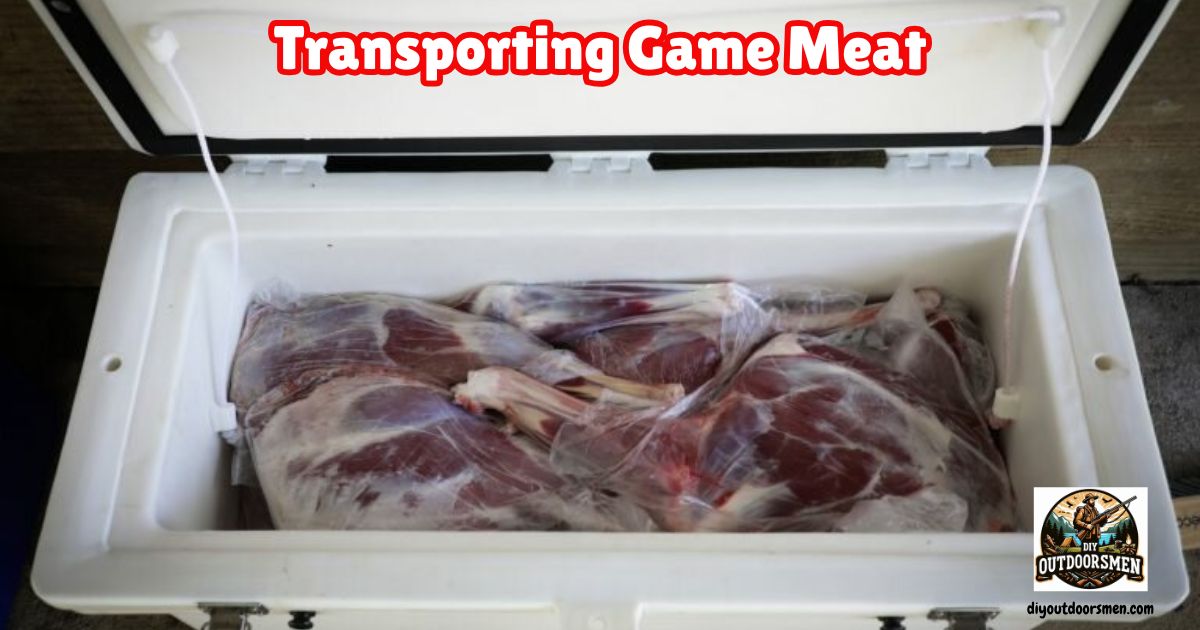
Packing the cooler is part science, part art, and I’ve found a couple of tricks over the years. The best coolers are thick-walled and insulated, especially for long hauls. I pack meat tightly, alternating with frozen water bottles instead of loose ice. Bottles keep things dry, and you can drink the meltwater later.
If you use bagged ice, keep the meat out of melted water, as that speeds up bacterial growth and can give a wet, spongy texture to steaks or roasts. For trips longer than 24 hours or in summer heat, I bring dry ice. It’s much colder than wet ice and can freeze the outer crust of large cuts for solid preservation.
A vented cooler is best, since dry ice gives off carbon dioxide. Keeping dry ice out of the passenger compartment matters for safety, and TSA has a strict limit for flights (up to five pounds in a vented container). I always check airline policies before flying with meat and make sure the cooler is leakproof to avoid any mess at baggage claim.
For airline trips, double-bagging everything and packing tightly cuts down on shifting and protects against leaks. I’ve learned never to assume all airlines treat coolers the same, so checking their website for meat and ice pack rules avoids surprises at the counter. Also, adding some paper towels to absorb excess moisture can be a lifesaver.
Transporting Game Meat By Road, By Plane, or By Mail
If I drive, I like using a pickup with a covered bed or a cargo trailer to keep the cooler cool and shaded. Power adapters can run portable freezers, which work well for weeklong hunts far from home. For overnight hunting trips, I occasionally ship large batches of meat, using packaging made for perishable goods and choosing fast shipping options.
Ask your local butcher if you’re unsure; many processors offer shipping as an extra service. Public transport options, like trains or buses, generally don’t allow raw meat. For international trips, import laws get strict, and I always check with customs before trying to cross borders.
The USDA APHIS and similar agencies have detailed lists of what’s allowed, especially for hunters returning from Canada or Mexico with big game. Hunters should also note that extra fees and paperwork can apply, so planning is vital to avoid delays and spoilage.
Avoid Spoilage and Legal Troubles
The biggest headaches in transporting game meat are overlooked paperwork, risking legal problems, and reckless handling that wastes food. I make it a habit to read the hunting regulations before every trip and pack with an eye on temperature, airflow, and cleanliness.
If the trip crosses state lines, I double-check CWD rules and transport only deboned or properly prepared parts when needed. Keeping tags and documents with each bundle of meat or cooler is an easy step that can save a lot of stress at checkpoints or game stops.
Handling meat safely isn’t about being overly cautious; it’s practical and pays off in the quality and taste of every meal later. I’ve made mistakes in the past and learned from every spoiled roast or lost tenderloin. Now, a little planning means I get to enjoy great game meals with confidence, knowing everything from the field to the freezer was done right.
Frequently Asked Questions
Here are some questions I often hear from new hunters or friends who join me for their first harvest:
What paperwork should I keep with my game meat?
Always keep your hunting license, species tag, and any required documents (like a Wildlife Resource Document) with the meat until you reach your home or processor. For birds, follow rules about keeping a wing or head attached for identification.
How soon do I need to cool down game meat?
Cool the meat as soon as possible. Ideally, within an hour of harvest, especially in warm weather. Below 40°F is best. If you can’t get it to a cooler immediately, shade and airflow can buy you a bit of time, but don’t wait long.
Can I bring wild game meat home on a commercial flight?
Yes, if it’s packed in a solid, leakproof cooler and within airline weight rules. Dry ice is limited to five pounds per container, and the container must vent. Check the airline’s page about hunting trophies or perishable cargo to avoid issues at check-in.
Is it safe to ship meat by mail or courier?
Yes, if you use a sturdy, insulated box with frozen gel packs or dry ice, choose an express delivery service, and notify the recipient in advance so it can be frozen on arrival. Many local game processors can pack and ship meat professionally.
Wrapping Up on Transporting Game Meat the Right Way
Every successful hunt ends with a plan for getting game meat home safely. Following state rules, using the proper bags and coolers, and keeping essential paperwork with each package helps me avoid both legal trouble and spoiled food.
These extra steps have made all the difference in the quality of the meals I share with family and friends. If you’ve never hauled game meat before, take the time to read over the regulations and get your supplies squared away ahead of time. It’ll make the trip smoother and help you get the most from your harvest.
Most Recent Articles:
- Garmin GPS Devices: Navigational Must-Haves For DIY Hunting Expeditions
- Best Rooftop Tents For Overlanding

- Overlanding The Infamous Black Bear Pass In Colorado

- How To Pack A Lightweight Backpack For DIY Backpack Hunting Trips
- Navigating The Hunt Application Process In The US

- Kodiak Canvas Cabin Lodge Tent
As always, stay safe, enjoy the journey, and please try to leave it cleaner than you found it. If you have any comments, questions, ideas, or suggestions, please leave them in the comment section below, and I’ll get back to you ASAP. You can follow us on YouTube: Man Art Creations for videos of our DIY Adventures.
P.S. Thanks so much for checking out our blog; we really appreciate it. Just so you know, we may receive a commission if you click on some of the links that appear on our site. This helps us keep our content free and up-to-date for everyone. We appreciate your support! Ideallyof