Contents
- 1 The Core of Vortex Optics: What Makes These Scopes a Reliable Hunting Partner
- 2 Matching Scope to Hunt: Terrain, Range, and Practical Needs
- 3 Magnification, Reticle, and Focal Plane: Key Features Explained
- 4 Turret Types: Fast Capping vs. Precision Dialing
- 5 Answering Common Vortex Hunting Scope Questions
- 6 Installing and Maintaining Your Hunting Scope
- 7 Warranty and Customer Support: Why Vortex’s VIP Promise Matters
- 8 Quick Reference for Vortex Hunting Scopes By Series
- 9 Extra Tips for Making the Most of Your Vortex Scope
Vortex Optics hunting scopes have built a solid reputation by helping hunters get the accuracy and durability they need outdoors. Choosing a new scope felt intimidating when I first started, especially with all the different models and features.
QUICK LOOK: Vortex Hunting Scopes by Series
- Razor HD Series: Top-tier glass, excellent light transmission; best for open country and long-range shooters.
- Razor HD LHT: Lightweight, full-featured, ideal for those who measure every ounce on their backcountry gear list.
- Viper HD and Viper PST Gen II: Great value scope family with strong glass and rugged construction. PST Gen II adds tactical style features.
- Venom Series: Midrange price with some premium features, best for flexible applications needing elevation travel and rapid zero return.
- Diamondback & Crossfire II: Budget-friendly, reliable, and fogproof. Perfect for new hunters or everyday whitetail setups.
After seasons spent in thick Missouri timber and glassing across Montana valleys, I’ve learned what makes certain Vortex scopes shine for different types of hunting. This guide walks you through the essentials you actually need to know if you want a scope you can count on in the field.
The Core of Vortex Optics: What Makes These Scopes a Reliable Hunting Partner
Vortex Optics has earned a loyal following because their scope lineup finds a practical balance between price, toughness, and optical performance. The brand covers every budget and type of hunt, from the wallet-friendly Crossfire II to the flagship Razor HD series. I’ve tested several over the years in a mix of weather conditions, and I found that Vortex stands out most for its reliable tracking, waterproof construction, and great warranty.
Understanding how Vortex groups its scopes is really helpful. The lineup includes several series:
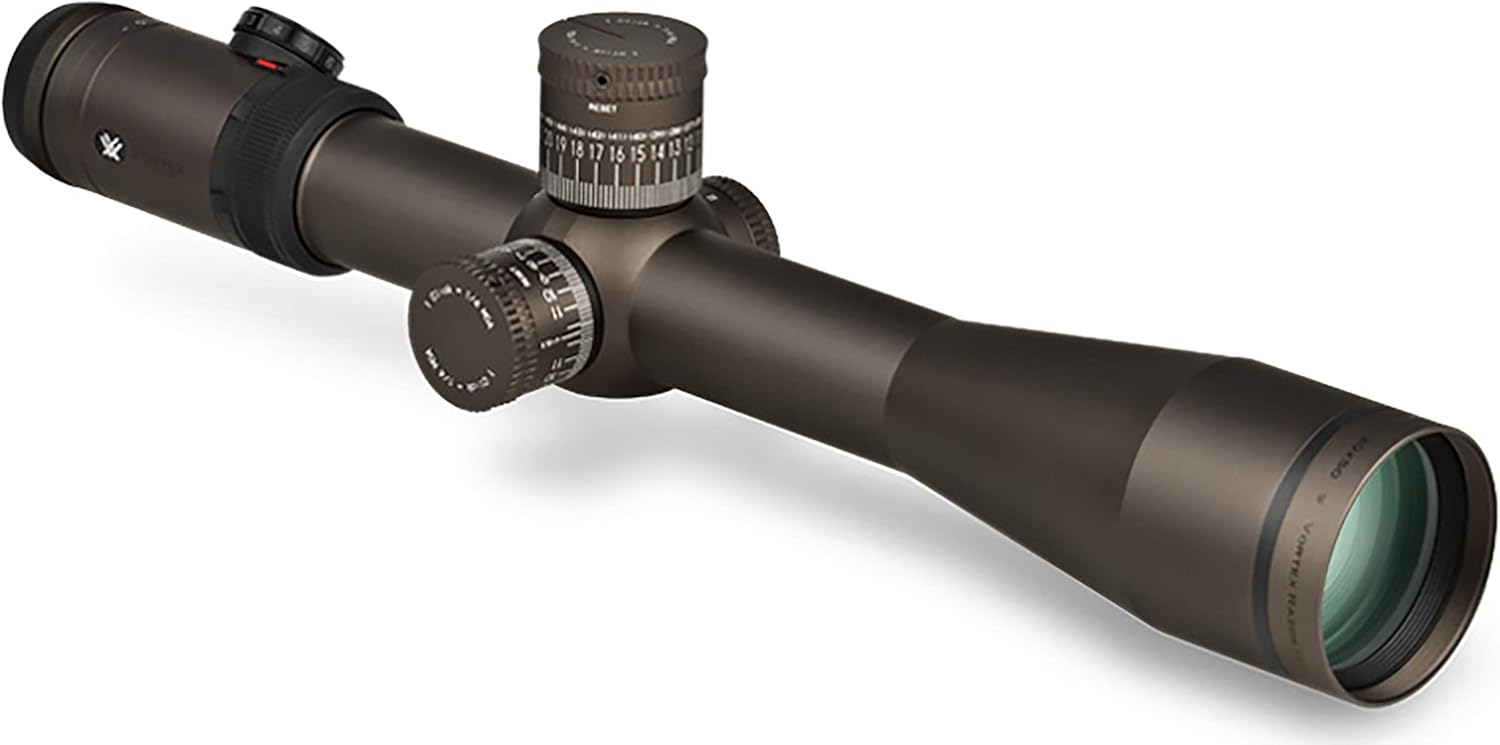
Razor HD Series:
These are the premium models with top-level glass and light transmission, built for western hunting or anyone who needs extra clarity and performance.
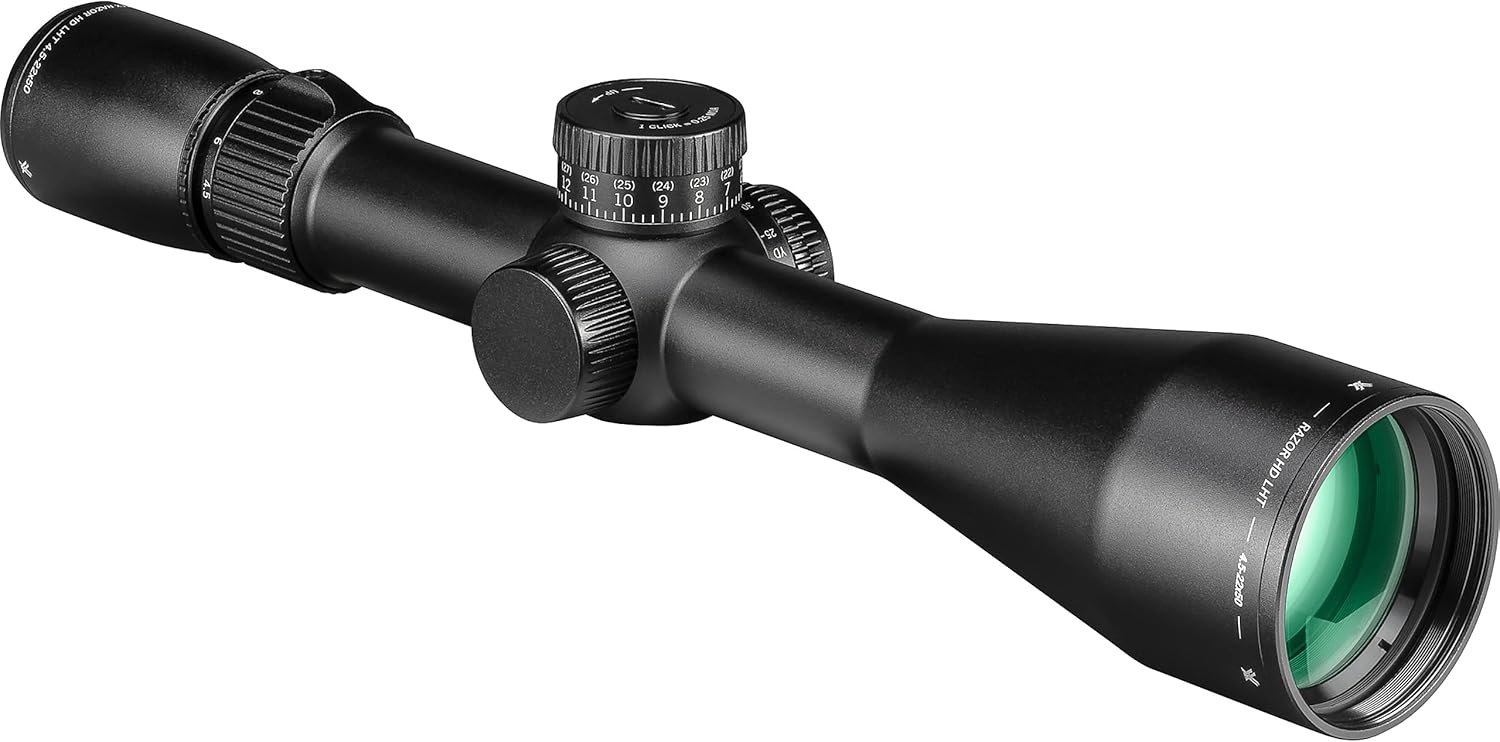
Razor HD LHT:
Meant for hunters who spend hours hiking in remote areas. It’s lightweight, so it won’t drag down your mountain rifle on a backcountry elk trip.
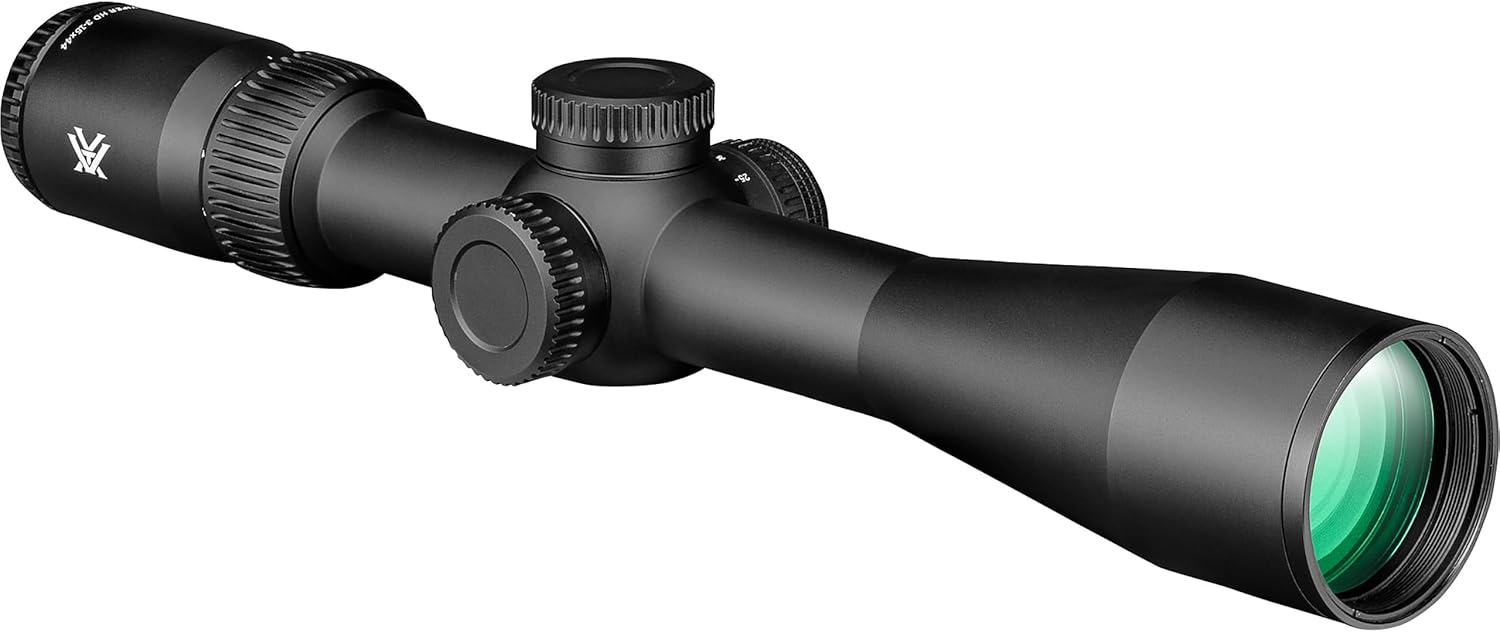
Viper HD and PST Gen II:
These offer a really good mix of value and features—perfect if you want a step up but aren’t going ultra-premium.
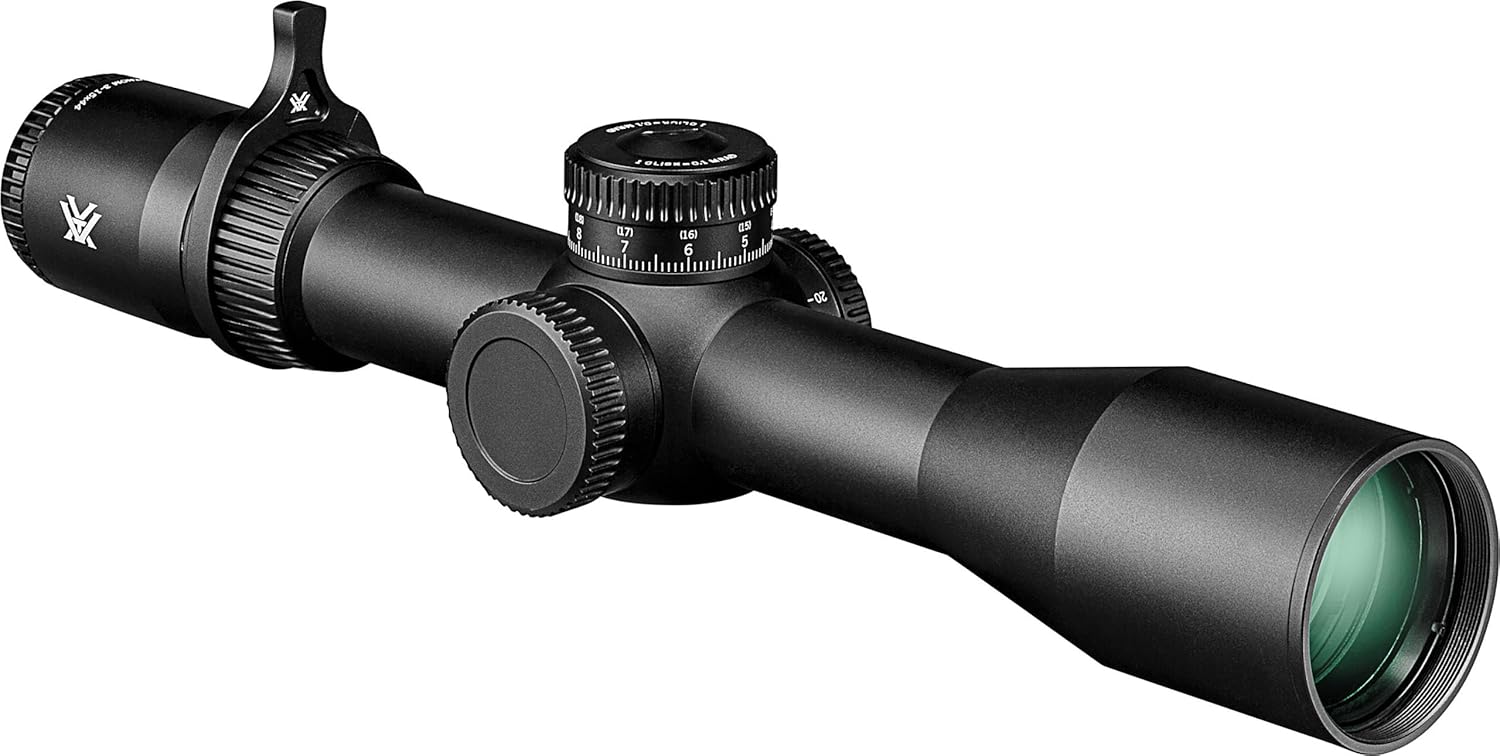
Venom Series:
Good for those looking for advanced features, like the RevStop™ Zero System, and a bit more adjustment range.
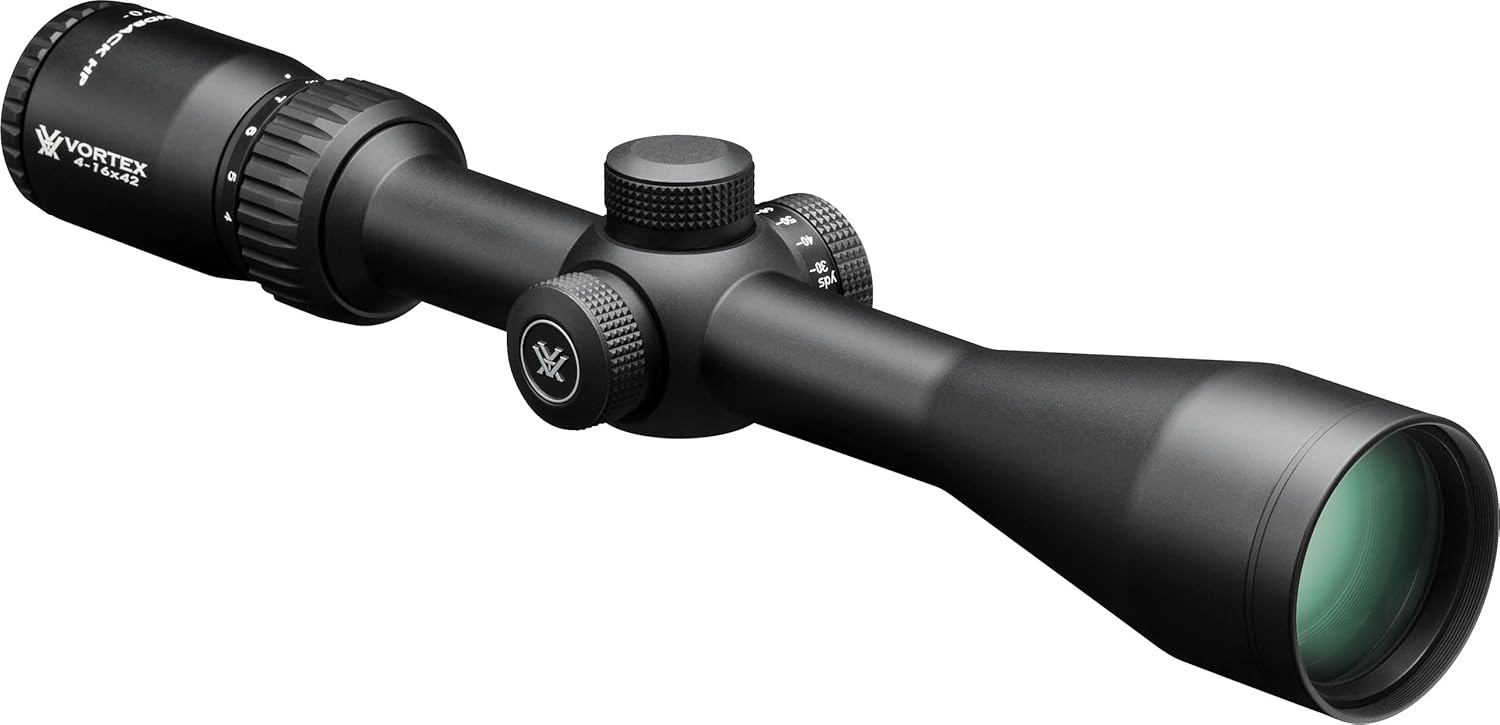
Diamondback and Crossfire II
Reliable for the average whitetail hunter or anyone needing decent performance without a painful price tag.
Scope choice depends a lot on where and how you’re hunting. Different terrain calls for different strengths, and Vortex makes it pretty easy to match a scope to your style and budget.
Matching Scope to Hunt: Terrain, Range, and Practical Needs
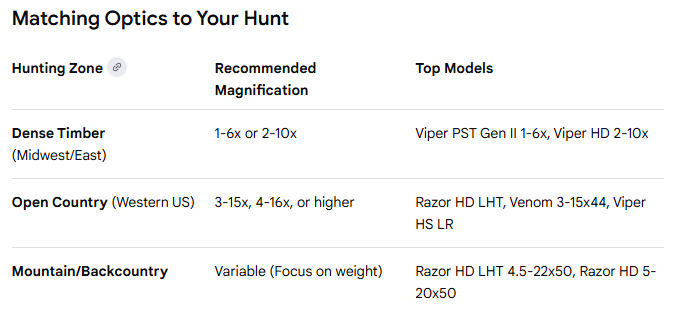
Picking the right Vortex scope starts with where you’ll be hunting. I’ve broken down my own process based on the terrain and shooting typical for different regions:
- Dense Timber/Rolling Hills: I use a Crossfire II 3-9×40 or a Viper HS 2.5-10x. These lower-power scopes give me a wide field of view and quick target acquisition for close shots.
- Mixed Terrain and Versatility: The Viper PST Gen II 1-6×24 is ideal when I’m in country where shots can go from 40 yards to 250 yards quickly.
- Llong-rangerangeFor glassing up antelope or mule deer in open country, the Razor HD Gen III 6-36×56, Viper PST Gen II 5-25×50, and Razor HD LHT have been my top picks. The extra magnification and crisp glass help a ton when shots stretch past 400 yards.
One thing I found out the hard way is that going too heavy or too high powered for timber hunts can slow you down and make it tough to get on target quickly. For fast, close shots, low magnification and lighter weight matter more than extreme long-range features.
Magnification, Reticle, and Focal Plane: Key Features Explained
The technical side of scopes can be confusing at first, but it’s easy to break down into a few main points:
- Magnification: Lower power (like 1-6x or 2-10x) is best for thick cover and shorter shots. I often go for 4-16x or 6-24x in open terrain where I need to see farther.
- Reticle Type: The BDC (Bullet Drop Compensator) reticles save time on holdovers, which is great for deer at changing ranges. Illuminated reticles really do make a difference right at dawn or dusk.
- Focal Plane: First Focal Plane (FFP) reticles grow and shrink as you zoom, keeping your holdovers accurate at any magnification. I prefer FFP for opencountry, while in the woods I’m completely happy with a Second Focal Plane (SFP) on something like a 3-9x.
Paying attention to these core features helped me spend money where it mattered and avoid features I’d never use. Knowing your needs means you get a scope that works for your specific hunts instead of a jack of all trades that falls short.
Turret Types: Fast Capping vs. Precision Dialing
Scope turrets often get overlooked by new buyers, but they change how you hunt. Capped turrets, which you’ll find on scopes like the Viper HD 2-10×42, are my choice for thick woods or if I’m crawling through brush, since they stay put and don’t catch on clothing or branches. Exposed turrets, found on the Viper PST Gen II and Razor HD series, let you dial elevation onthefly and are my go-to for long-range shots in open country.
For most whitetail and turkey hunts in open woods, capped turrets keep things simple and reliable. In windy, wide-open spaces or if I’m making cross-canyon shots, exposed tactical turrets give me confidence that I can adjust for distance accurately.
Answering Common Vortex Hunting Scope Questions
If you’re just picking up your first Vortex, these are the top questions I ended up asking or hearing from buddies:
What’s the best Vortex scope for whitetail hunting?
For most wooded areas, I really like the Diamondback or Crossfire II in a 3-9×40 or 2-7×35. They balance field of view, weight, and price well for shots under 200 yards.
Is First Focal Plane worth it for hunting?
I only use FFP for long-range hunts. For 100-300 yard shots, Second Focal Plane works great and is often easier on the wallet.
Can I use Vortex scopes in rainy or cold weather?
I’ve taken them through freezing rain, snow, and dust. All Vortex scopes are sealed and fogproof, and the warranty covers rough mishaps.
What’s the difference between MOA and MRAD turrets?
MOA (Minute of Angle) is easier if you think in inches and yards, which is what I grew up with. MRAD (milliradian) is popular with long-range shooters using metric routes or doing scope math in decimals. Either one is accurate if you match the reticle and turret to your preference.
Installing and Maintaining Your Hunting Scope
Whether I’m mounting a new scope or rezeroing after a rough hunt, a few steps have always kept my zero strong throughout the season:
- Secure Mounting: I always use a torque wrench set to 15-18 inch-pounds for ring screws. This ensures the scope stays in place shot after shot, even on magnum calibers.
- Zeroing: I start with a bore sight to make sure I’m at least on paper at 25 yards. Then, I finetune at 100 yards until I’m confident my point of impact matches my crosshairs.
- Regular Cleaning: Keeping lenses clear and checking for ring tightness a couple of times each season has saved me from frustrating misses more than once.
Every Vortex scope I’ve used has stood up to rough handling, but a little preventative maintenance protects your investment and accuracy.
Warranty and Customer Support: Why Vortex’s VIP Promise Matters
Every Vortex hunting scope comes with a lifetime, fully transferable VIP Warranty. I’ve never had to use it, but many friends have, and the process was easy. No receipts, no fine print. If your scope gets damaged, they’ll repair or replace it, often within a couple of weeks. For someone spending time on hard hunts in tough conditions, this warranty is a real peace of mind feature.
Quick Reference for Vortex Hunting Scopes By Series
It helps to have the lineup in mind when you’re shopping or comparing options:
- Razor HD Series: Top-tier glass, excellent light transmission; best for open country and long-range shooters.
- Razor HD LHT: Lightweight, full-featured, ideal for those who measure every ounce on their backcountry gear list.
- Viper HD and Viper PST Gen II: Great value scope family with strong glass and rugged construction. PST Gen II adds tactical style features.
- Venom Series: Midrange price with some premium features, best for flexible applications needing elevation travel and rapid zero return.
- Diamondback & Crossfire II: Budget-friendly, reliable, and fogproof. Perfect for new hunters or everyday whitetail setups.
Extra Tips for Making the Most of Your Vortex Scope
I found a few habits make a big difference in field results:
- Practice with your setup: Get to know your scope’s adjustments at the range, not in the field.
- Test at honest hunting ranges: Most shots fall between 50 and 250 yards; focus your practice here.
- Keep an extra lens cloth and a small multitool handy: Dirty glass or a loose ring can ruin any day afield.
The right scope takes your rifle from basic to fully capable, and knowing what Vortex offers makes the picking process much easier. You’ll be able to match your needs to a scope that feels like it was built for your exact hunt, and you’ll get years of service backed by a trustworthy name in hunting optics.
If you want to check out specific models further, hop over to the Vortex Optics website or a trusted local dealer. Test a few for eye relief, brightness, and weight before you pull the trigger on your next scope.
Most Recent Articles:
- Vortex Optics Essentials: Hunting Scope Guide For The Serious Outdoorsman
- Garmin GPS Devices: Navigational Must-Haves For DIY Hunting Expeditions
- Best Rooftop Tents For Overlanding

- Overlanding The Infamous Black Bear Pass In Colorado

- How To Pack A Lightweight Backpack For DIY Backpack Hunting Trips
- Navigating The Hunt Application Process In The US

As always, stay safe, enjoy the journey, and please try to leave it cleaner than you found it. If you have any comments, questions, ideas, or suggestions, please leave them in the comment section below, and I’ll get back to you ASAP. You can follow us on YouTube: Man Art Creations for videos of our DIY Adventures.
P.S. Thanks so much for checking out our blog; we really appreciate it. Just so you know, we may receive a commission if you click on some of the links that appear on our site. This helps us keep our content free and up-to-date for everyone. We appreciate your support!