
Finding the best electric meat grinders as a hunter means picking equipment that keeps up with a busy processing day and stands up to lots of use. Processing wild game, like venison, elk, or wild boar, often involves bigger batches of meat and tougher muscle tissue than what you get from store-bought cuts.
QUICK LOOK: 8 Tips on How to Choose the Best Electric Meat Grinder
- Processing Volume: Only grinding a few pounds at a time? A smaller grinder will do. Bigger operations, like handling several deer or elk per year, require greater capacity and muscle.
- How Often You’ll Use It: If you or your hunting group will use it regularly, going for a commercial-grade model pays off. For occasional use, a budget model is fine, but expect slower work and more cooling breaks.
- Storage and Portability: Many top-end grinders are heavy and bulky. I always check if I have a solid spot in the garage or hunting trailer to keep it protected.
- Warranty and Customer Service: Grinders backed by strong support and solid warranties bring a lot of peace of mind for hunters who rely on their gear.
- Motor Strength: Measured in horsepower (HP) or watts, increased power means faster grinding and less risk of stalling. Grinders in the 0.75 to 1 HP range stand out for hunters, moving through large volumes smoothly.
- Construction Quality: Stainless steel or solid metal gears and housings last way longer than plastic parts. I’ve seen lower-quality grinders snap after a single season, making a tough build a must.
- Accessories: Multiple grinding plates (fine, medium, coarse) and sausage-stuffing attachments come in handy if you like making a range of products. Higher-end models sometimes add storage drawers or knife sharpeners, too.
- Ease of Cleaning: Processing wild game gets messy, and being able to disassemble and wash parts easily is a big deal. Models with auger-pull handles, stainless trays, and dishwasher-safe parts help speed up the process.
That’s why choosing the right electric grinder isn’t just about convenience. It actually shapes how well you can turn your game into everything from burger to sausage. Here’s how I make sense of the top options, what features matter most, and what I believe new and experienced hunters need to know before making a choice.
Heavy Duty Electric Meat Grinders for Hunters
Electric meat grinders designed for hunters stand out for their ability to handle bulk processing. They focus on power, speed, and reliability, which saves time when working with large batches. My experience using these grinders during deer season has shown me how essential it is to have a tool that doesn’t jam, struggle, or overheat halfway through the job.
Here are a few models that consistently earn strong reviews from fellow hunters and outdoor enthusiasts:
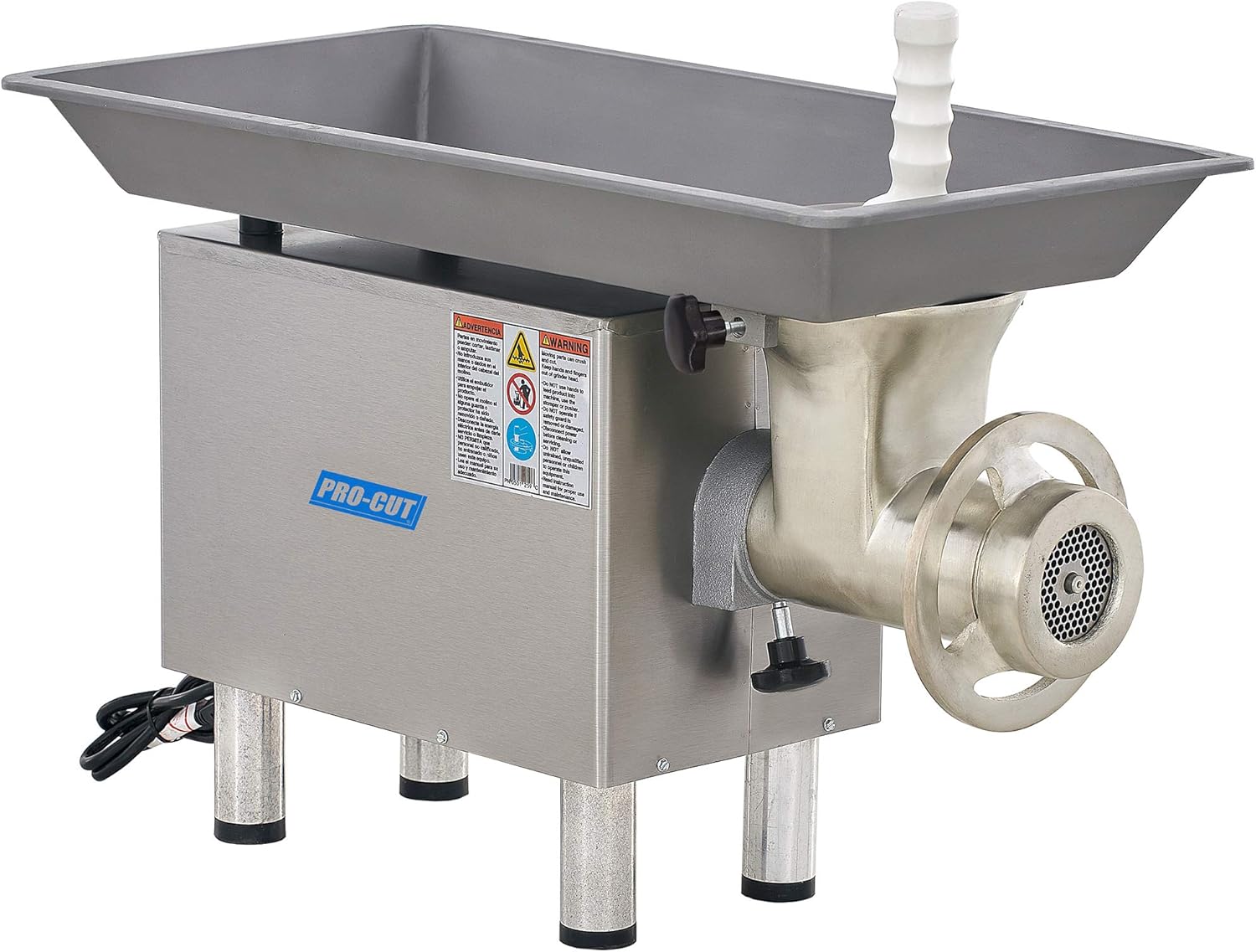
PRO-CUT KG-22-W Meat Grinder:
Known for dependability, this grinder can handle up to 10 pounds of meat per minute. Its tough steel construction, extra-large meat tray, and air-cooled motors are perfect for those who process several deer each season. Built to handle small commercial or home use.
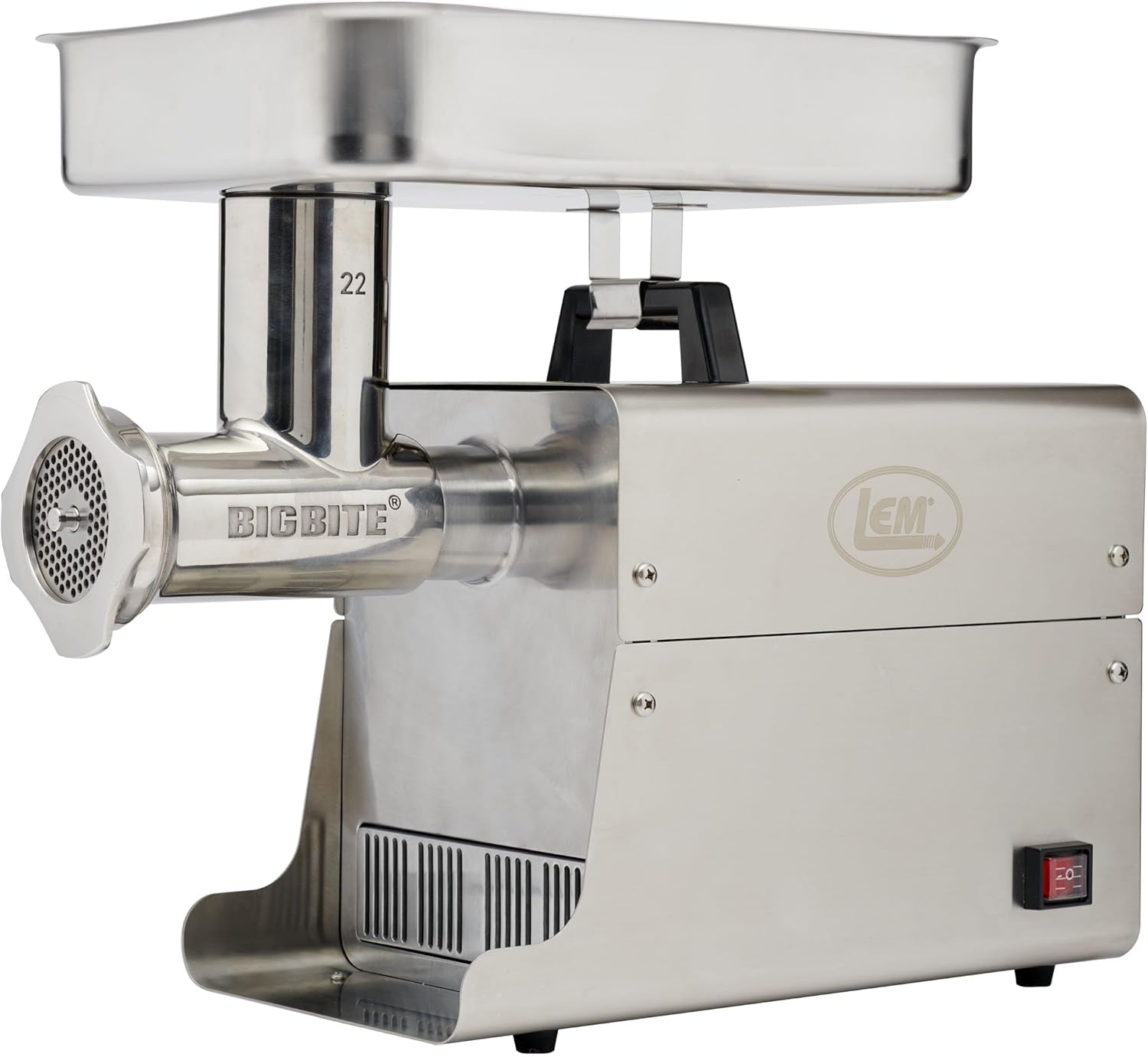
LEM Big Bite Electric Meat Grinder:
I’ve used the #22 version and found it can process an entire deer quickly, never overheating or slowing down in thick sinew. Their “Big Bite” auger pulls in meat more efficiently, seriously reducing the time spent prepping. Multiple plate and tube sizes are included, offering fine, medium, and coarse grinds for more flexibility.
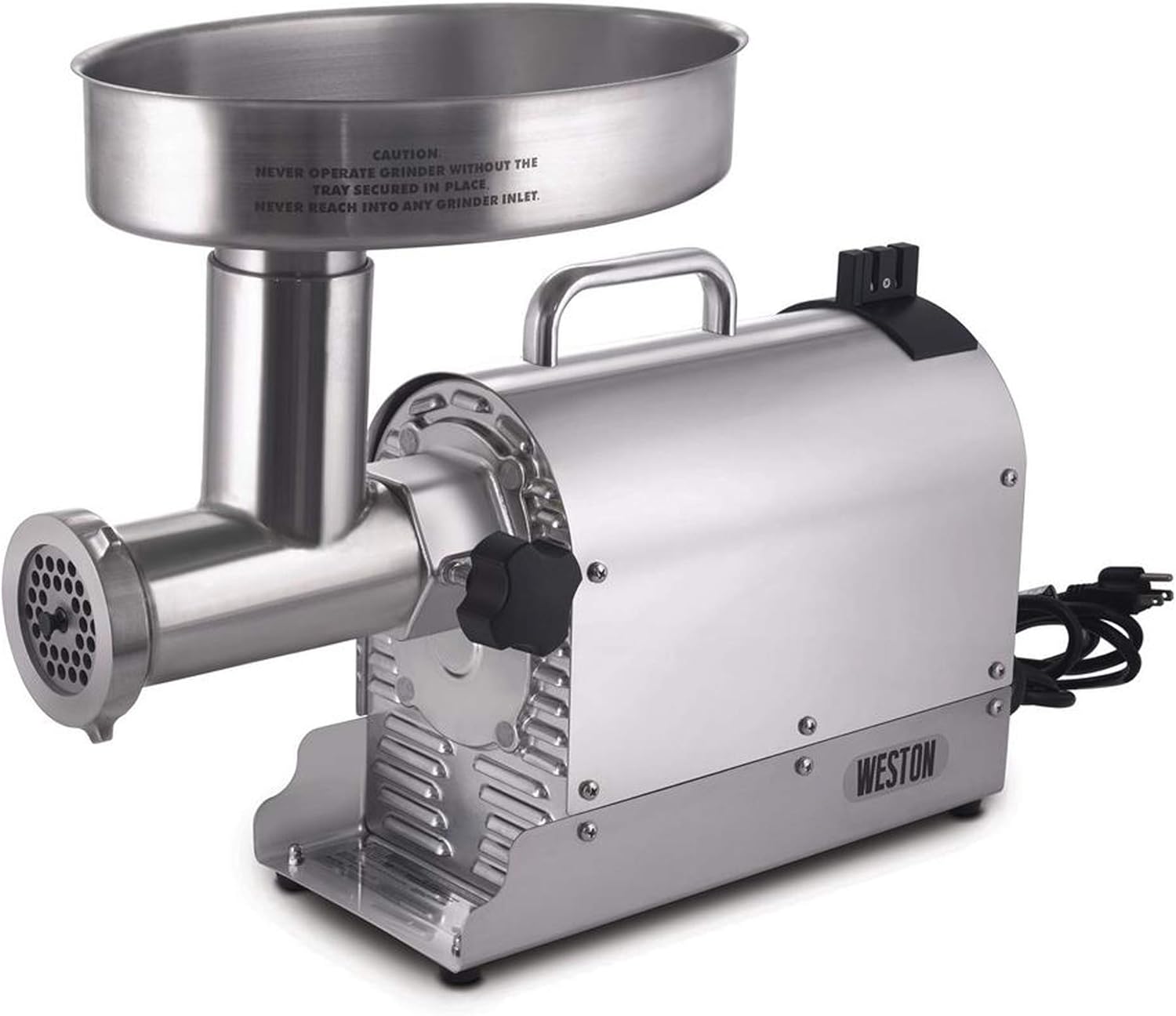
Weston Pro Series Electric Meat Grinder:
Weston grinders are built for high-volume use and are especially popular among hunters who regularly process wild game. Their durable all-metal gear construction and integrated cooling system help everything run efficiently, even during long sessions.
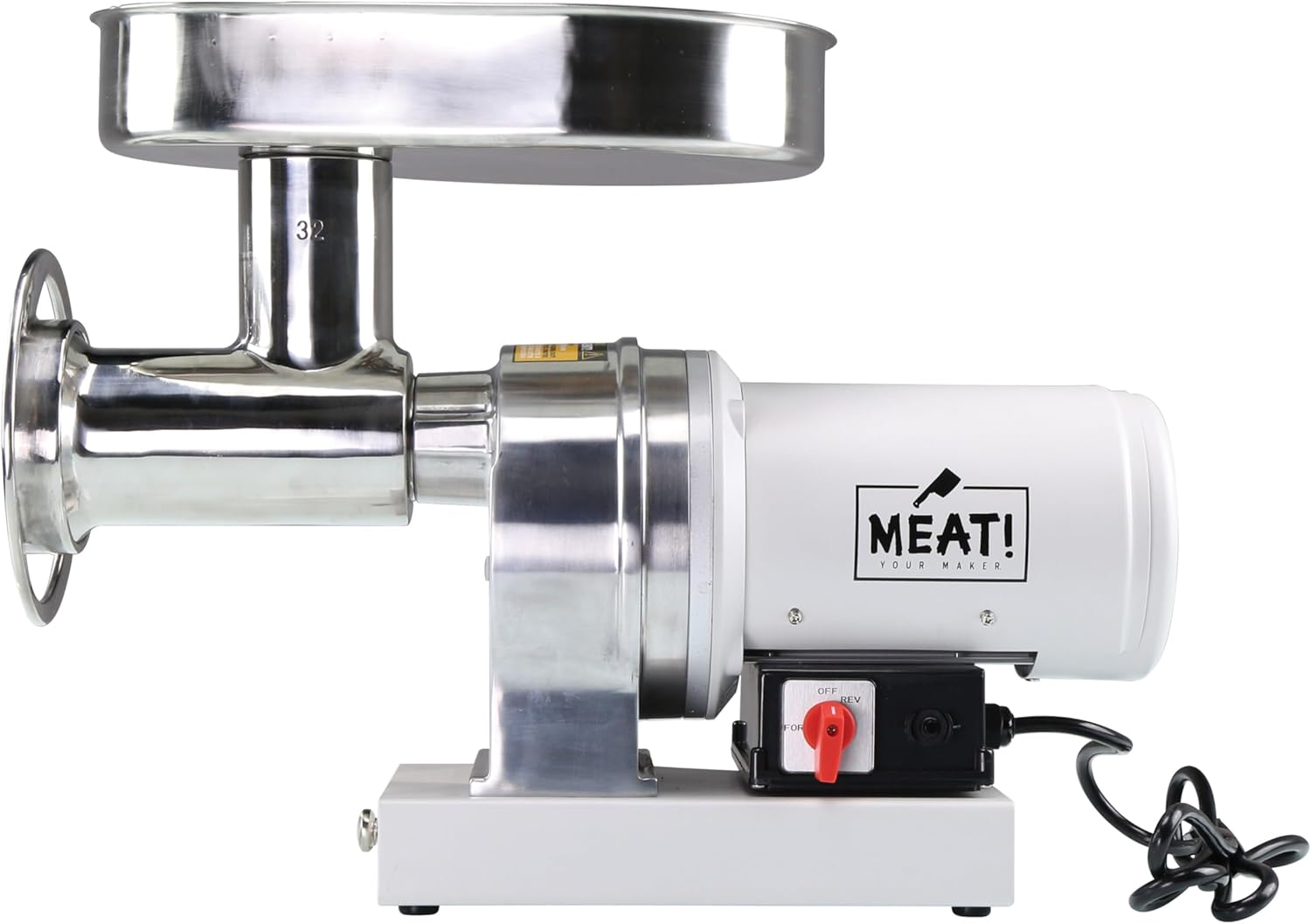
MEAT! Your Maker #22 1.5 HP Grinder:
This one’s 1.5-horsepower motor blasts through tough cuts and sinew with no problem. It’s made for hunters who need their gear to last and work perfectly year after year. The oversized feed chute really comes in handy for larger grinding jobs.
Best Budget-Friendly Electric Grinder for Hunters
If I’m processing just one or two animals each fall, or sharing equipment with hunting buddies, a budget-friendly grinder can still do a solid job. These tend to be lighter and slower, but deliver good value.
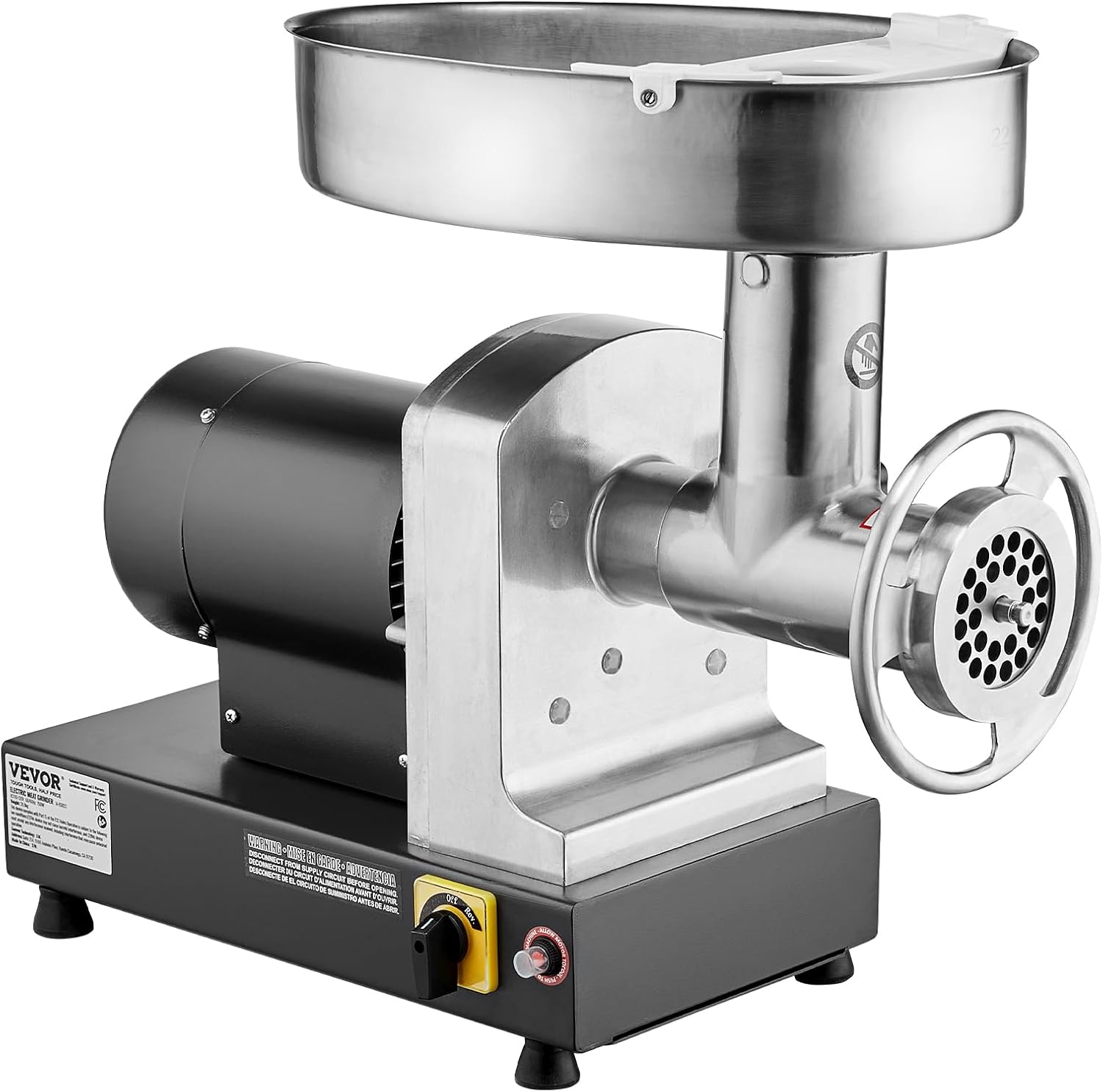
Vevor Electric Meat Grinder:
I’ve recommended this model to friends who only occasionally process wild game. It’s great with venison and pork trimmings, though not as speedy as bigger commercial models. The air-cooled motor, built-in circuit breaker, and included attachments for sausage and kibbeh offer a complete starter setup for lighter use.
Feed tube size and tray capacity tend to be on the smaller side, leading to some downtime between batches. However, these grinders are easier on the wallet and are typically lighter for storage in a hunting camp or smaller garage space.
What Matters Most When Choosing a Meat Grinder for Hunting
I always focus on three things when picking out a meat grinder: power, durability, and cleaning ease. These features can make or break a lengthy processing day, especially if there are several game animals piled up in the cooler.
- Motor Strength: Measured in horsepower (HP) or watts, increased power means faster grinding and less risk of stalling. Grinders in the 0.75 to 1 HP range stand out for hunters, moving through large volumes smoothly.
- Construction Quality: Stainless steel or solid metal gears and housings last way longer than plastic parts. I’ve seen lower-quality grinders snap after a single season, making a tough build a must.
- Accessories: Multiple grinding plates (fine, medium, coarse) and sausage-stuffing attachments come in handy if you like making a range of products. Higher-end models sometimes add storage drawers or knife sharpeners, too.
- Ease of Cleaning: Processing wild game gets messy, and being able to disassemble and wash parts easily is a big deal. Models with auger-pull handles, stainless trays, and dishwasher-safe parts help speed up the process.
Quick Guide: How to Get the Most from Your Grinder
Using a grinder isn’t just about flipping the switch. Based on my hands-on experience, taking a few extra steps smooths out the process and leads to better results.
- Chill Your Meat: When the meat is partially frozen, it passes through the grinder cleaner and reduces smearing. I always run my venison chunks through while they’re still a bit firm.
- Remove Sinew and Silver Skin: While heavy-duty grinders can handle some sinew, getting rid of as much as possible before grinding keeps things smooth and helps the plates last longer.
- Pick The Right Plate Size: For burgers, I choose a medium plate. For sausage, I grind coarse, then fine, for the perfect texture.
- Clean Right After Use: Taking everything apart and washing it right away stops bacteria from setting in and helps keep parts rust-free.
What Hunters Should Think About Before Buying
I always consider how much game I expect to process each season. Here’s how I help friends pick what fits their needs best:
- Processing Volume: Only grinding a few pounds at a time? A smaller grinder will do. Bigger operations, like handling several deer or elk per year, require greater capacity and muscle.
- How Often You’ll Use It: If you or your hunting group will use it regularly, going for a commercial-grade model pays off. For occasional use, a budget model is fine, but expect slower work and more cooling breaks.
- Storage and Portability: Many top-end grinders are heavy and bulky. I always check if I have a solid spot in the garage or hunting trailer to keep it protected.
- Warranty and Customer Service: Grinders backed by strong support and solid warranties bring a lot of peace of mind for hunters who rely on their gear.
Why Motor Size Counts
A grinder’s motor rating has a direct impact on how quickly I can break down a deer and how likely it is to overheat. Anything below 0.5 HP may stall out with tougher cuts, especially wild game. Motors rated 0.75 HP to 1 HP are the sweet spot, offering speed and reliability for nearly any task.
Why Stainless Steel Wins Out
Low-priced plastic or base metal trays and plates tend to crack or rust, sometimes after one season. Stainless steel and strong metal builds give me peace of mind for those long processing marathons.
Helpful Accessories for Meat Processing
I’ve found Foodsafe gloves, meat lug bins, and extra trays really speed things up. Some hunters chill their grinder plates and knives for even better results, a useful trick during warm-weather hunts.
Common Questions About Meat Grinders for Hunters
Here are questions I get all the time, with straight answers drawn from real experience in the field:
Can I grind bone with an electric meat grinder?
Most home and commercial electric grinders can’t safely handle large bones. Soft, small poultry bones might be fine in some heavy-duty models, but I avoid grinding hard bones from deer, elk, or hogs; it can wreck the grinder in short order.
How do I keep my grinder from clogging?
Trim away most silverskin and sinew and keep everything as cold as possible. If it does clog, stop and clear it right away instead of pushing through and risking motor burnout.
Do I need to sharpen my grinder knives and plates?
Yes, blades lose their edge eventually. I inspect them every season and sharpen as required. Some high-end grinders come with built-in sharpeners, making life easier.
What’s the best way to store a grinder after hunting season?
Clean and dry all metal components, then give them a protective rub with food-safe oil. Store everything together in a dry, safe place like a storage bin or dedicated drawer.
Why a Good Grinder Matters for Hunters
Having a reliable electric meat grinder lets me control what goes into every burger, sausage, and batch of jerky. Knowing exactly how clean the meat is—and getting to use the full animal—gives peace of mind and real satisfaction. Plus, grinding in batches saves money over time and makes hunting even more rewarding.
I always advise investing in a grinder that matches your needs. Think about the animals you hunt, how often you’re in the field, and how much meat you expect to handle each season. A solid electric grinder makes the process faster, smoother, and much more enjoyable, giving every hunt a satisfying wrap-up.
Most Recent Articles:
- Off-road Vehicle Recovery Techniques
- Electric Vs. Manual Game Calls and Which Works Better?
- Comparing All-Terrain UTV Winches For Remote Hunting Access
- How To Create Wildlife Bait From Kitchen Scraps

- Reliable Trail Camera Rigs For Hunters On A Tight Budget

- Suburban Bowhunting Tips

As always, stay safe, enjoy the journey, and please try to leave it cleaner than you found it. If you have any comments, questions, ideas, or suggestions, please leave them in the comment section below, and I’ll get back to you ASAP. You can follow us on YouTube: Man Art Creations for videos of our DIY Adventures.
P.S. Thanks so much for checking out our blog; we really appreciate it. Just so you know, we may receive a commission if you click on some of the links that appear on our site. This helps us keep our content free and up-to-date for everyone. We appreciate your support!