
Through personal experience, I’ve checked out ways to use the right kitchen leftovers to create wildlife bait to attract and support wildlife, or even to help catch fish in local spots. Your kitchen scraps carry potential that goes far beyond just tossing them in the compost bin.
The key is knowing how to use these scraps both safely and creatively. This not only helps the environment but also enhances your ability to observe, attract, or gently guide animal visitors. NOTE: Check with your local game and fish department as to the legality of baiting or feeding wildlife in your area.
Basics of Using Kitchen Scraps as Wildlife Bait
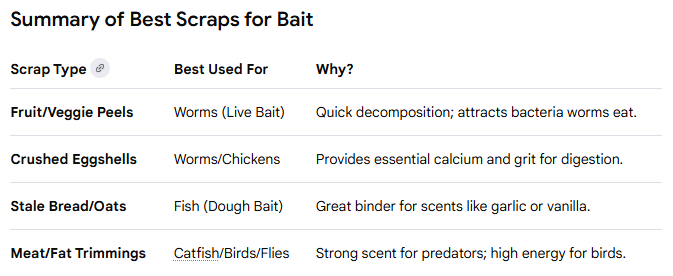
Turning your kitchen leftovers into wildlife bait starts by figuring out which scraps have value and which ones might do more harm than good. Things like fruit and vegetable peels, overripe fruits, stale bread, oats, peanut butter, crushed eggshells, and coffee grounds are go-to options in my wildlife projects.
These ingredients are natural, break down in the environment, and are generally safe for most backyard animals. They can attract birds and small mammals, or even become live bait for fishing adventures. However, some items need careful handling. Meat, dairy, and greasy foods can draw unwanted pests such as rodents or raccoons.
To avoid unwanted visitors, I keep these out of regular wildlife setups, unless using a secure, special-purpose composter. Also, I always place my wildlife bait well away from my home, ideally in a wilder patch of the yard, to avoid luring animals too close to busy places or pet habitats.
Simple Wildlife Bait Recipes from Common Scraps
Over time, I’ve put together some basic recipes and approaches that are reliable for attracting specific animals. The great thing is that these methods use scraps that just about everyone has after prepping meals or cleaning up the fridge.
QUICK LOOK: Wildlife Bait from Kitchen Scraps
- For Rodents and Possums: Mixing peanut butter with rolled oats and a bit of cinnamon makes a sticky mixture that’s great for traps or coaxing shy mammals out of hiding. Adding a bit of margarine or vegetable oil keeps the mix soft and easy to handle.
- For Birds: Dry bread crusts, fruit peels, or stale cereal can be broken up and scattered for birds. Sometimes I’ll string apple cores or grape stems to hang as a makeshift birdfeeder.
- For Worms and Fishing Bait: Vegetable peels, coffee grounds, and crushed eggshells work wonderfully in a worm bin, feeding earthworms that can later be used for fishing.
- Fermented Bait for Wildlife and Fish: Letting fruit or vegetable scraps sit in a sealed jar at room temperature for a few days creates a strong aroma, which acts almost like a magnet for small mammals or insects that birds eat. Bread, fruits, nuts, and candy make excellent bait for deer.
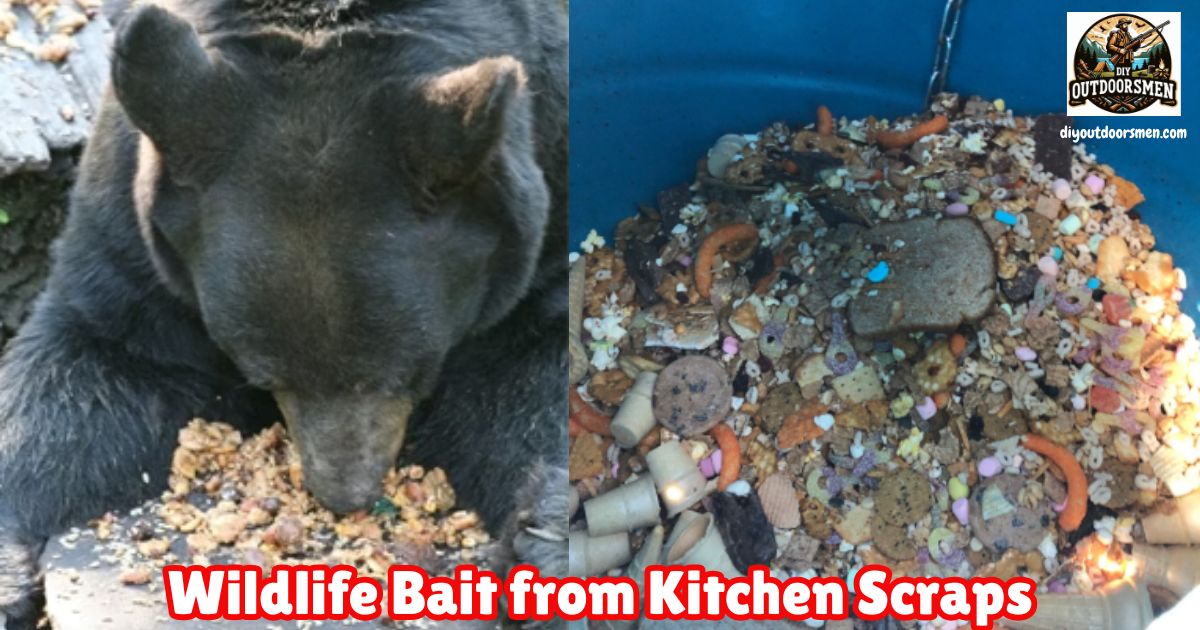
- For Bears: Kitchen waste such as vegetable peels, rotten fruits, leftover bread, meat, candy, and salty snacks make for a concoction that bears just can’t resist.
Setting Up DIY Bait Stations and Live Bait Sources
Making your own live bait with kitchen scraps not only attracts birds and mammals but can also help you “grow” a supply of worms or insect larvae. For a simple vermicomposter, all you need is a plastic bin with drainage and air holes, damp newspaper, and a regular supply of produce scraps. Earthworms and nightcrawlers love this environment, and you can harvest them whenever you like for fishing or garden use.
If you’re looking to raise black soldier fly larvae, a ventilated bin allows you to use a broader mix of scraps, even small amounts of leftover meat or fish, if you aren’t worried about odor. These larvae are a protein-rich option, perfect as bait for fishing or even poultry feed. The main thing to remember is to keep the bin far enough from the house to avoid any strong smells drifting inside.
Quick Steps for Effective Kitchen Scrap Bait
Turning your leftover scraps into wildlife or fishing bait is easy with just a few steps. Here’s a quick rundown of what’s worked for me:
- Separate Usable Scraps: Save peels, eggshells, stale grains, and fruit cores in a clean container, leaving out salty, greasy, or overly spiced foods.
- Prepare and Store Bait: For dry baits, like bread or cereal, let them air dry. For doughy mixes, combine with binders like peanut butter or cornmeal so everything holds together.
- Set Bait in Target Area: Use small bowls, mesh feeders, or ventilated containers for worms; place these away from house entrances and check them daily to keep things fresh.
- Monitor Results: Take note of which animals are interested and tweak your recipes as you go. Keeping a simple log helps to improve bait success over time.
Following these tips helps limit waste, brings in a diverse crowd of wildlife, and sometimes nets me some free, live fishing bait.
Best and Worst Scraps for Wildlife Bait
Certain kitchen leftovers stand out for their ability to attract wildlife. I’ve found that banana peels, apple cores, carrot tops, stale bread, peanut butter, and plain cooked rice are real wildlife winners. Crushed eggshells, in particular, give a big boost to wild birds. The grit aids with digestion, and the calcium is especially valuable for egg-laying in spring.
On the flip side, I steer clear of citrus peels, onions, garlic, and anything high in sugar or chocolate since these can be bad for wildlife. I also avoid greasy foods, processed snacks, and anything showing mold. These scraps not only risk animal health, but they can also attract aggressive or dangerous animals.
Using Scraps Safely
To keep curious pests like rats or raccoons at bay, I always set my bait thirty feet or more from homes and keep it off the ground via raised feeders or hanging baskets. Covering bait or placing it inside perforated containers allows only the intended animals—like songbirds or bugs—to get to it, while keeping larger, unwanted critters out.
Frequently Asked Questions
Many people are curious about using kitchen scraps as bait for wildlife or fishing. Here are answers to some of the frequent questions I get:
Can I use cheese or cooked meat for wildlife bait?
While small bits of cheese or cooked meat can be used in secure traps or special bins, they tend to spoil fast and attract unwanted rodents. To be safe, I keep these out of my regular bait mixes.
How do I keep bait from going moldy?
I dry scraps thoroughly, spread them out so air circulates, and refresh bait often. If anything starts to look or smell off, I clean up right away, making sure animals stay healthy.
Is it okay to use kitchen scraps for fishing in public areas?
Always check in with local fishing laws before heading out with homemade bait. Some parks and reserves have special rules to protect native wildlife.
Real-World Examples of Using Kitchen Scraps Effectively
I kicked things off with a worm bin using an old plastic tote, shredded cardboard, and weekly carrot peels with coffee grounds. Within weeks, my earthworm population soared, giving me fresh, ready-to-use live bait for my fishing outings.
Another strategy I tried was sun-drying orange peels, then tucking them beneath rose bushes. This drew in insects and insect-eating, cavity-nesting birds that helped manage pests in my yard naturally.
- Grow Live Bait: Worm bins turn food scraps directly into both compost and live fishing worms.
- Boost Backyard Wildlife: Stale cereal and fruit rinds attract chipmunks, squirrels, and pollinators like butterflies and bees after sweet residues.
- Encourage Wild Birds: Crushed eggshells or peanut butter packed in pine cones provide an energy burst for chickadees, titmice, and woodpeckers, especially in winter.
Advanced Tips and Extra Inspiration
Finding new ways to make the most of kitchen scraps keeps things interesting. For example, fermenting fruit leftovers in a sealed container creates a powerful liquid that can attract certain fish or scavenger birds.
Mixing expired peanut butter with oats and birdseed, then shaping it into small balls, creates quick suet-style treats for birds struggling through the winter. Testing out different combinations and blend ratios lets me learn what works for which animals, and when.
For more ideas, I sometimes jump into local wildlife forums to see what animals are active nearby. Experimenting with feeder heights or hanging baits in new spots helps me learn from direct experience, which animals show up for which treats.
Getting Started with What You Need for Kitchen Scrap Bait
To jumpstart your own baiting projects, a few basic supplies come in handy. Old baking sheets for drying things in the oven, a basic plastic tub for a worm bin, gloves for handling scraps, airtight containers for fermenting, and mesh baskets all make it easier and cleaner.
Once you have these tools, you can safely experiment with different baiting methods and keep better control over where animals feed. Even a small change in how you toss out food waste can lead to more colorful birds, fewer pests, and a hands-on way to get into outdoor skills.
Turning kitchen scraps into wildlife bait is an eco-friendly, practical hobby that benefits nature and gives anyone a front-row seat to the creatures moving through their neighborhoods.
Most Recent Articles:
- Off-road Vehicle Recovery Techniques

- Electric Vs. Manual Game Calls and Which Works Better?

- Comparing All-Terrain UTV Winches For Remote Hunting Access

- How To Create Wildlife Bait From Kitchen Scraps
- Reliable Trail Camera Rigs For Hunters On A Tight Budget

- Suburban Bowhunting Tips

As always, stay safe, enjoy the journey, and please try to leave it cleaner than you found it. If you have any comments, questions, ideas, or suggestions, please leave them in the comment section below, and I’ll get back to you ASAP. You can follow us on YouTube: Man Art Creations for videos of our DIY Adventures.
P.S. Thanks so much for checking out our blog; we really appreciate it. Just so you know, we may receive a commission if you click on some of the links that appear on our site. This helps us keep our content free and up-to-date for everyone. We appreciate your support!