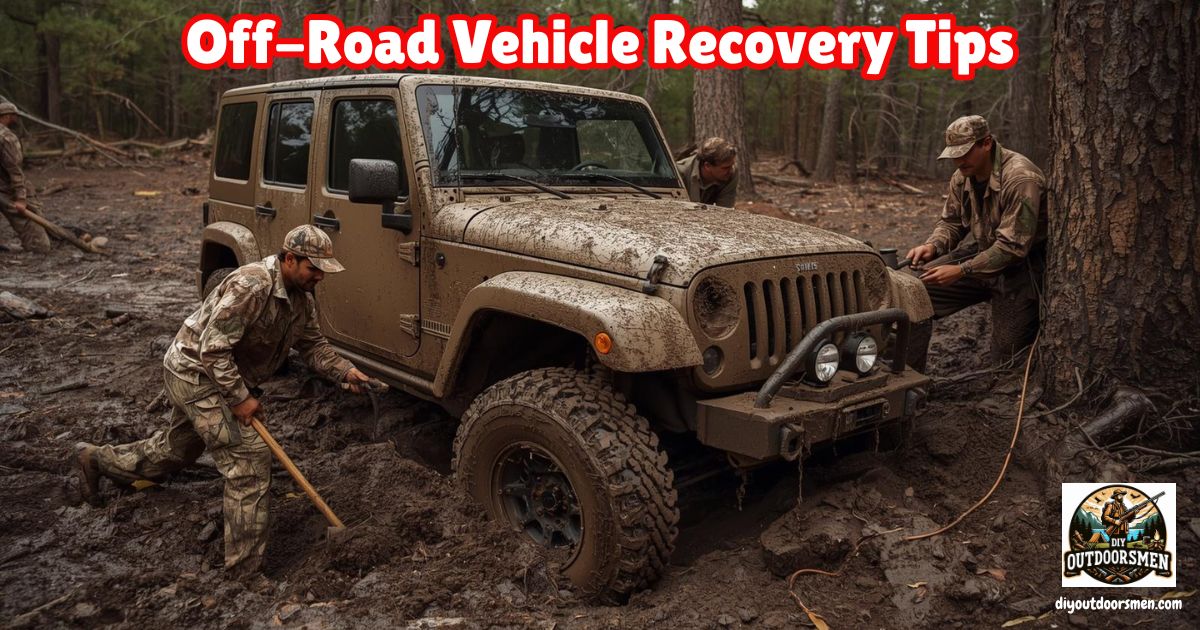
Getting stuck off-road is a reality that plenty of hunters, overlanders, and outdoor riders face, especially around the Texas coast and out in brushy or muddy inland country. Off-Road Vehicle recovery isn’t just a matter of pulling a rig out as fast as possible. The goal is to get yourself moving again without damage, wasted time, or risking injury, even more so if you’re solo or hauling gear and game.
Foundations of Off-Road Recovery
The best recovery is the one I don’t have to do. Avoiding trouble altogether saves time, money, and stress. Still, being realistic, every off-roader eventually gets stuck. How I handle those moments matters a lot. Staying calm keeps me safe and helps prevent small problems from growing into tough or dangerous situations.
Going slow and being methodical makes a difference. Rushing often just digs in my tires or turns gear into dangerous projectiles. Traction and weight distribution are more important than just sheer engine power, and simple strategies like dropping tire pressure can work wonders.
Whenever possible, I avoid jumping straight into heavy winching or yanking; starting with simpler recovery steps saves effort and equipment wear. Above all, when hunting or traveling solo, I carry the mindset that no one else might show up to help. My plan, my gear, and my choices have to reflect that reality. Another key part of a successful recovery is staying aware of both the environment and your own limits.
Recognizing when the terrain is beyond your comfort zone or equipment capability, and being willing to call for help if possible, can prevent a frustrating situation from becoming a serious emergency. I also try to regularly inspect my recovery gear to make sure nothing is damaged, and all connections are solid before heading into rough terrain.
Key Recovery Gear for Off-Road Situations
Having the right recovery gear makes a recovery safer and increases the chances of success, especially when alone or far from help. I group my recovery gear into three main categories: essentials, recommended, and situational add-ons.
- Essentials: Kinetic recovery rope (20–30 ft, 7/8 inch for larger trucks) outperforms basic static straps because the rope’s elasticity delivers energy more effectively and safely. Soft shackles limit risk and weight compared to metal counterparts. A good shovel, either a folding or full-size, gets me out of muddy ruts or sand, and traction boards help provide the extra grip my tires sometimes need.
- Strongly recommended: A reliable winch (at least 9,000–12,000 lbs of capacity) helps in solo or tricky situations, with a tree saver strap for anchoring without damaging the woods. A snatch block doubles pulling power and lets me pull at angles, and a jack with a stable base plate works for lifting out of holes in soft ground.
- Situational gear: I keep a come-along hand winch in my kit in case my main winch malfunctions. Ground anchors come into play when there are no trees or rocks to tie onto, which is common in open coastal flats. A folding saw or compact chainsaw, is also helpful to clear obstacles or create anchor points if I need them.
Other practical items include gloves to protect my hands and goggles or safety glasses to keep dirt and debris out of my eyes. Additionally, I keep a headlamp and extra batteries handy, especially for those late evening recoveries when daylight disappears quickly. A compact air compressor is essential for reinflating tires after letting air out for traction.
Terrain Specific Recovery Tips: Sand, Mud, and Brush
Different landscapes throw different recovery challenges my way. Knowing the terrain is just as important as having the right equipment.
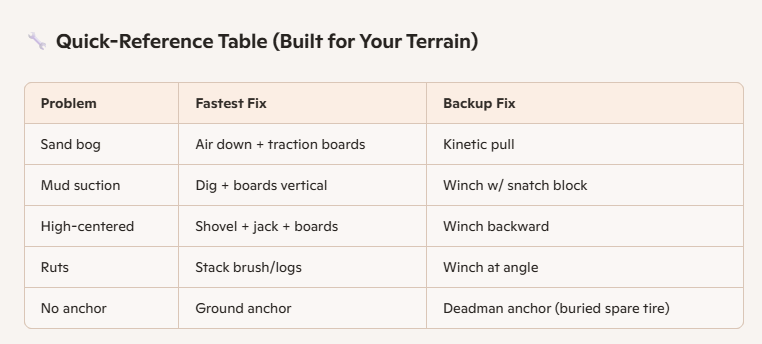
- Sand: In coastal areas and soft sand roads, lowering tire pressure to 12–18 PSI spreads weight out, making it easier to float on the surface. I clear out sand from the front of every tire to free up movement, and traction boards are not just for stuck tires; they create ramps to help me gain momentum. When moving out, I rely on steady forward motion instead of sheer speed, which typically just throws more sand and bogs me down. A gentle touch on the throttle also protects the drivetrain.
- Mud: Muddy stretches, especially the thick black gumbo in creek bottoms, require dropping tire pressures a bit higher (15–20 PSI) for a broad footprint. Before trying to move, I dig out mud ahead and behind my tires to cut down on suction. Gently rocking the rig forward and back sometimes helps break free. Winching with a snatch block reduces strain and gives more control. When boards are around, I’ll often plant one vertically to disrupt the deep mud’s suction grip. If stuck in clay or mud with water, I try to avoid spinning the tires, as this can lead to being even more deeply buried.
- Brush and Ruts: Brush country hides all sorts of trouble. Walking the route on foot reveals hidden stumps or ruts that could trap me. Using a jack or digging tools to stack brush or logs under the tires helps level things out, and a careful throttle keeps the axles from snapping. If I’m lucky enough to have a buddy or even just a phone camera positioned for spotting, it’s much easier to monitor progress and avoid mistakes.
Having extra patience in soft or unstable ground conditions not only keeps my gear in better shape but also increases my odds of a successful and safe recovery. I recommend moving slowly and checking the vehicle’s position after each small move, especially in unfamiliar territory.
Solo Recovery Process: Step-by-Step Method
Recovering a stuck rig alone takes patience and a process that doesn’t make matters worse. Here’s my go-to workflow:
- Stop digging myself in: I pause and take my foot off the accelerator to prevent the wheels from spinning deeper into ruts or sand.
- Assess the Situation: I always step outside, walk around, and identify the trouble spots. This tells me whether to dig, air down, or go straight to traction aids.
- Air Down: Lowering tire pressure to between 12 and 20 PSI (based on terrain and tire type) solves many problems by itself. By spreading the footprint, the tires grip better without sinking as quickly.
- Clear a Path: I shovel out mud, sand, or debris from in front and behind the tires and remove anything high-centered under the vehicle’s frame that stops movement.
- Add Traction: Placing boards, rocks, brush, or other materials at a shallow angle under the drive tires creates a path for the tires to bite into and move forward.
- Controlled Throttle: Using low-range Four Wheel Drive and easy, light pressure keeps my wheels from spinning or digging deeper.
- Winch or use rope if needed: If the above steps don’t work, I set up my winch or recovery rope with rated recovery points, not factory tiedowns, and use a snatch block or tree saver strap for added pulling options. I keep all gear checked and all bystanders (if any) outside the length of straps or cables to stay safe.
- Reinflate tires: Once moving again and back on stable ground, I air my tires back up to safe highway pressure for the drive out.
I also keep my communication devices, like a cell phone or two-way radio, easily accessible during solo recoveries, in case I need to call for help after all my best efforts.
Off-Road Recovery Safety Essentials
Off-road recoveries can turn dangerous quickly if I skip steps or rush. I always stand clear of recovery lines under tension, and make sure no part of my body is near winch cables or ropes that could recoil if something breaks. Only rated recovery points are used for pulling, as factory tiedowns or tow balls can snap and cause serious injury.
I also secure any firearms, hunting knives, or other loose gear, since recovery often involves a lot of movement around the rig. Simple habits like wearing gloves and making sure a friend or contact knows my location make a big difference in how safe and smooth my trip goes.
Taking a few minutes to check over the area around the vehicle before starting recovery can also head off unexpected issues, like rolling into holes or brushing up against branches that could damage lights or windows. Wearing proper shoes and keeping a first aid kit handy are other real lifesavers during tough recoveries.
Off-Road Recovery: Frequently Asked Questions
Here are a few questions I get about off-road recovery and how I handle common problems in the field:
What’s the best first move when you get stuck?
I stop pressing the gas immediately, step out, and take a good look at the situation. Usually, just stepping back and lowering tire pressure solves a lot more than just gunning it.
How do you pick between winching or using kinetic ropes?
If I’m dealing with a stuck-in-mud, a winch is great because of steady pull, especially if the rig is bogged down. Kinetic ropes shine for sandy or loose ground when some movement is possible, and a bit of momentum helps pop the tires free.
Do traction boards really work, or are they just hype?
Traction boards absolutely help in most sand and mud recoveries. Placed right, they give tires a clean grip that helps get out without digging deeper.
Real World Scenarios: Recovery in the Field
Every hunting trip or off-road ride brings its own surprises. Here’s how I address specific recovery challenges common among solo hunters:
- Stuck with a heavy load (like game): Hauling harvested game can overload the rear and hurt traction. I often quarter and pack out game first, then move heavy coolers or gear further forward in the bed to shift weight to the front tires. Traction boards usually go under the rear tires first in these cases. Losing just a little weight off the rear sometimes makes all the difference.
- Tight senderos or narrow brush paths: Limited space means I can’t always pull straight forward or backward. Setting up a winch or kinetic rope at a slight angle using a snatch block or tree to redirect can help me avoid damaging the front bumper or suspension. It’s also smart in tight spots to use a spotter or check tire placement by getting out for a look before moving.
- Marsh and tidal flats: With soft, bottomless mud and few anchor points, recovery sometimes calls for a ground anchor. Building a base of brush, branches, or even broken-down pallets under the tires helps spread weight, and winching is done slowly to manage the intense suction effect. Sometimes, getting unstuck in these situations simply takes more time and layering up materials for flotation under the tires.
Staying informed and realistic with my recovery gear and approach helps me enjoy the backcountry and gives me peace of mind that I’m prepared, no matter how sticky things get off the beaten path.
And, being comfortable with my recovery process and having the proper gear keeps hunting and backcountry trips safer and less stressful. The confidence to get unstuck lets me explore more spots and haul back cooler stories every season.
Most Recent Articles:
- Off-road Vehicle Recovery Techniques
- Electric Vs. Manual Game Calls and Which Works Better?

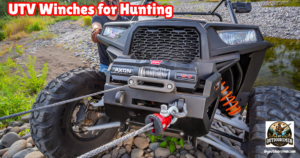
- Comparing All-Terrain UTV Winches For Remote Hunting Access
- How To Create Wildlife Bait From Kitchen Scraps

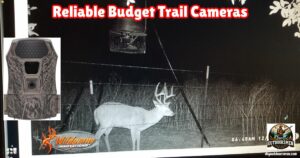
- Reliable Trail Camera Rigs For Hunters On A Tight Budget
- Suburban Bowhunting Tips

As always, stay safe, enjoy the journey, and please try to leave it cleaner than you found it. If you have any comments, questions, ideas, or suggestions, please leave them in the comment section below, and I’ll get back to you ASAP. You can follow us on YouTube: Man Art Creations for videos of our DIY Adventures.
P.S. Thanks so much for checking out our blog; we really appreciate it. Just so you know, we may receive a commission if you click on some of the links that appear on our site. This helps us keep our content free and up-to-date for everyone. We appreciate your support! Off-Road