Contents
- 1 1. Top Rotomolded Coolers for Game Meat
- 2 2. Budget-Friendly and Practical Cooler Choices
- 3 3. Specialty Options: Kill Bags and soft-sided Coolers
- 4 4. What to Look for in a Game Meat Cooler
- 5 5. Cooler Sizes for Different Game
- 6 6. Game Meat Cooler Features That Make a Difference
- 7 Final Thoughts on Coolers for Game Meat
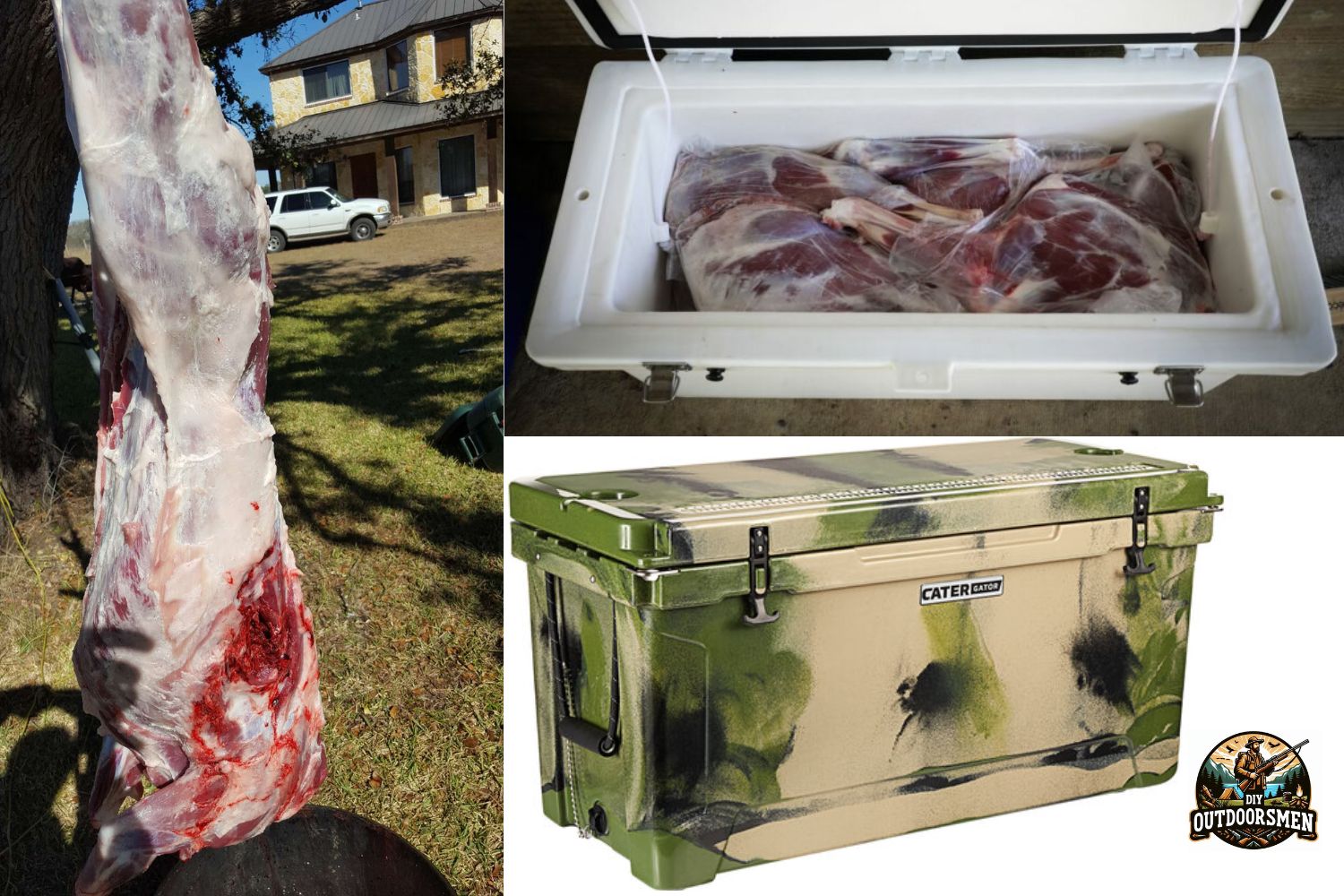
Over the years, I’ve learned that the right cooler can make transporting venison, elk, or any game meat much easier and a lot less stressful. If you’ve ever hauled meat from a successful hunt, you know keeping it cool, clean, and safe is the difference between a great story and a real headache.
QUICK LOOK: Features to Look for in a Game Meat Cooler
- Capacity: Make sure it fits both the amount of meat and a healthy supply of ice. For deer, I use at least a 75-quart cooler. For elk, bring along two coolers, each 100 quarts or bigger.
- Ice Retention: The length of your trip and expected temperatures guide how thick and insulated your cooler needs to be. For longer hunts in warm climates, go rotomolded whenever you can.
- Durability: A sturdy, thick-walled cooler is really important if you hunt in places with rough terrain or the chance of run-ins with wildlife like bears.
- Drain Plug: Easily emptying water helps keep meat dry and safe. I don’t like wrangling a full cooler just to tip it over for drainage; a simple plug is a must.
- Portability: If you’ll haul your cooler by hand over any distance or you plan to fly, it’s easier if it has wheels or comes in a bag shape with shoulder straps.
- Rotomolded Construction: This means next-level durability and insulation. I’ve seen rotomolded coolers last longer than every other piece of gear, even after years of abuse and rough roads.
- Bear Resistance: In remote areas or national parks, sometimes you’re required to use bear-resistant coolers. Look for a sticker or label showing IGBC certification for peace of mind.
- Easy Open Lids and Secure Latches: Strong handles and trustworthy latches make life easier when you’re tired at camp or when transporting a loaded cooler back to your truck. No more struggles with stubborn closures.
- PreCooling Capability: Adding frozen water jugs to your cooler the night before the hunt “charges” it and helps your ice last longer. I always do this and see a big difference in how long things stay cold.
Picking the right cooler depends on how much meat you’re dealing with, how far you’re traveling, and, of course, your budget. Premium rotomolded coolers offer long-lasting ice retention and durability, while simple budget models can work for short trips. There are even lightweight options for air travel that come in especially handy when flying with deboned meat.
Here’s my breakdown of the best coolers for transporting game meat, along with what features to look for and a guide to getting the right fit for your hunt. Whether you’re after deer, elk, or antelope, the right cooler keeps your hard-won meat safe and your mind at ease on the way home.
1. Top Rotomolded Coolers for Game Meat
Rotomolded coolers have become standard for hunters who want dependable, long-term ice retention and toughness. I’ve had the best luck with these when it comes to keeping meat cold, even after days in the backcountry.
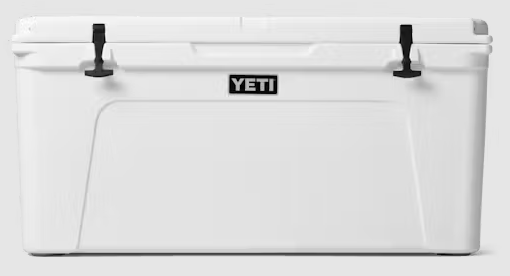
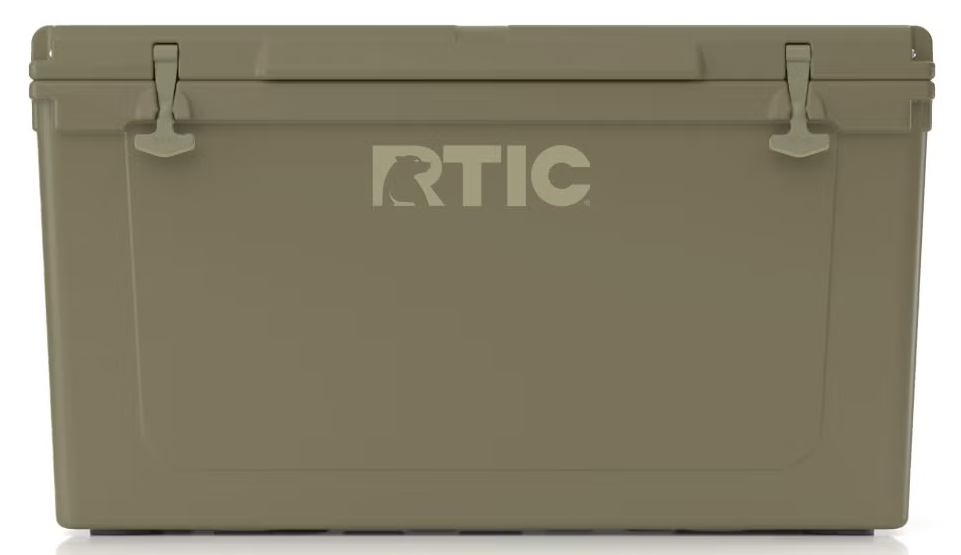
YETI Tundra and RTIC Hard Coolers: These two are often compared side by side. Both are tough enough for rough roads and proven to keep ice for days. I pre-chill them the night before a trip, which really helps lock in the cold. You’ll pay a premium, but they last for years and are totally worth it for multiple seasons of use.
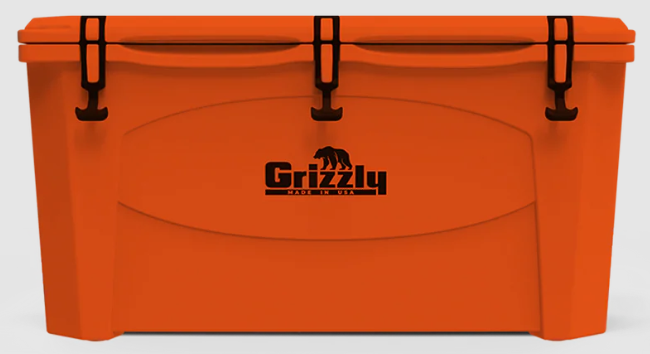
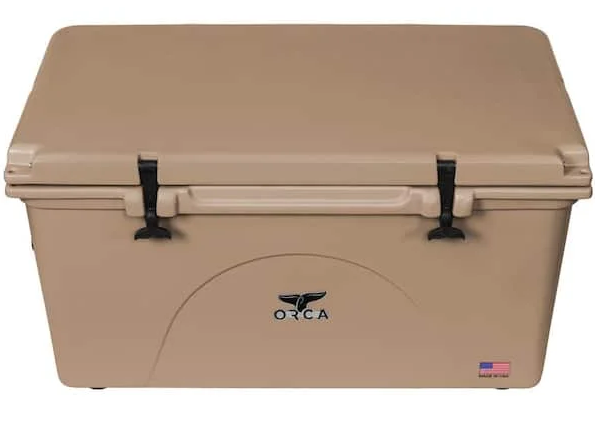
Grizzly and ORCA: Grizzly coolers are well known for being rugged and for keeping meat cold in hot weather. ORCA is another brand I trust for solid performance and reliable ice retention when the going gets tough.
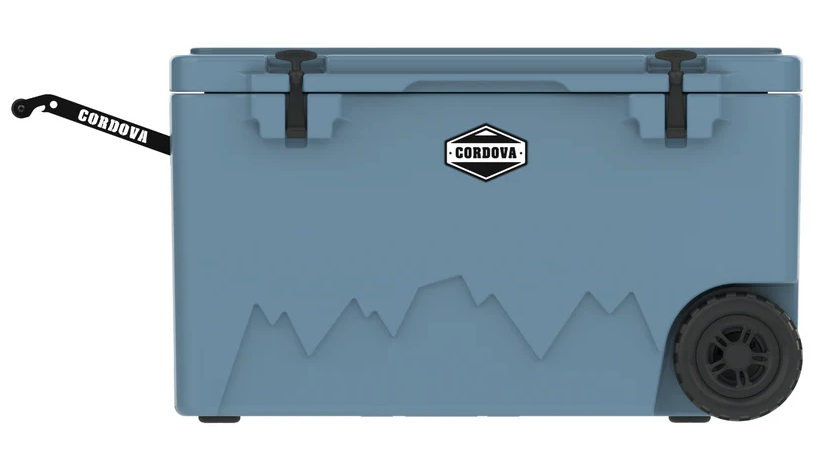
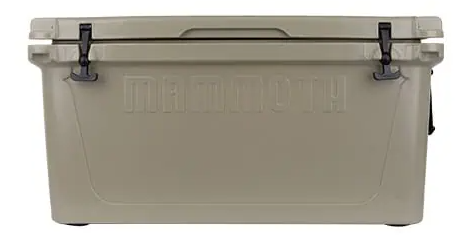
Cordova and Mammoth: Cordova stands out with its bear-resistant certification, which is really important in some states or national parks. Mammoth coolers are extra spacious and do a great job for anyone chasing big game, plus they’re designed for ease of loading and cleaning.
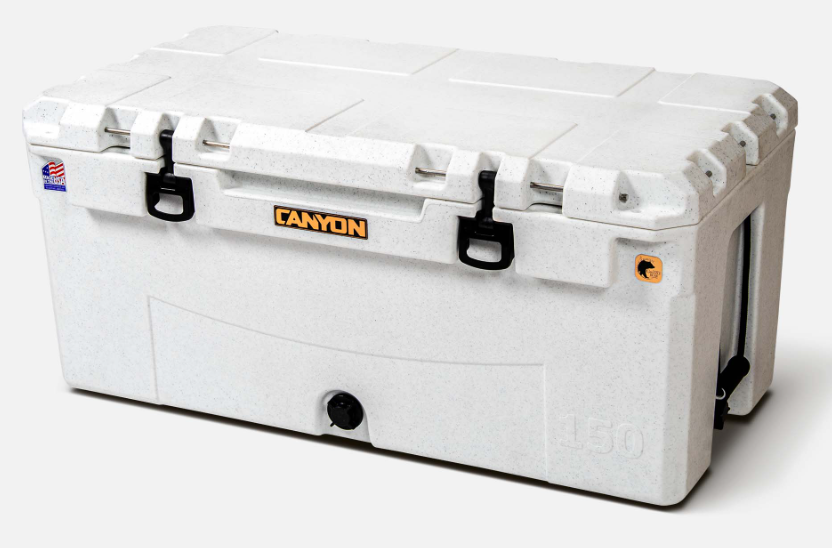
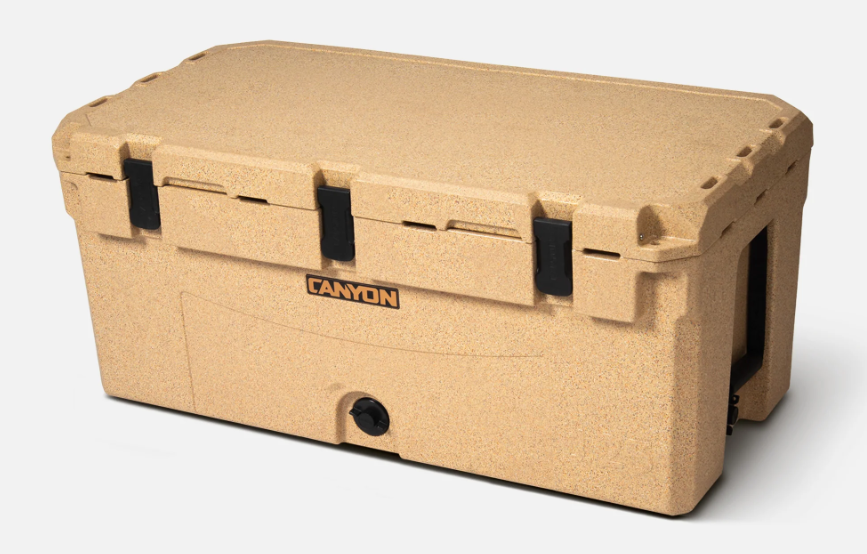
Canyon Prospector/Navigator: These coolers are famous for holding ice for a long time. Whenever I’m heading out for a full week, they’re a reliable pick. Their design is straightforward, and they stand up to lots of bumps along the way.
Why Rotomolded Is Worth It
I find rotomolded models handle rough use in truck beds or bouncing around in ATVs without cracking or leaking. The insulation is so effective that you’ll usually need fewer ice refills, and the heavy construction can stand up to years of hard seasons. For trips where I’m gone for more than two or three days, this is what I trust most. The investment also pays off when you consider the value of the meat you’re protecting.
2. Budget-Friendly and Practical Cooler Choices
Not every hunt calls for the top-shelf option. For shorter trips—for instance, a day in the field or an overnight camp—I’ve leaned on more affordable models and still come home with great results.
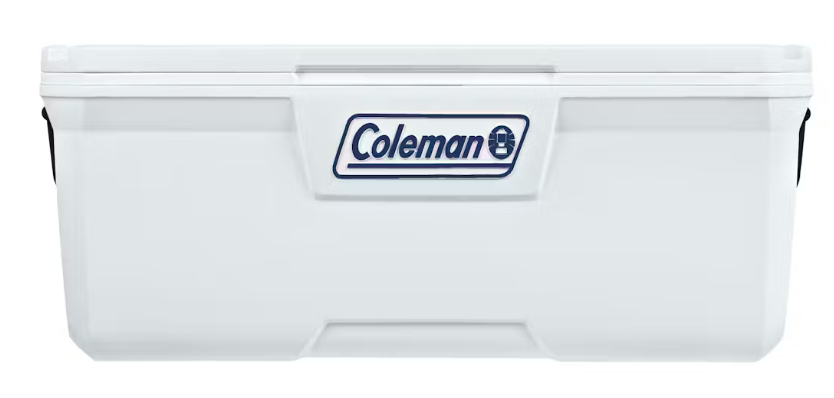
Coleman Xtreme and Coleman 316:
These are lightweight, easy on the wallet, and straightforward to buy at most stores. The ice retention is good enough for a couple of days if you avoid opening the lid too much and keep them in the shade. They’re tried and true with decades of use behind them.
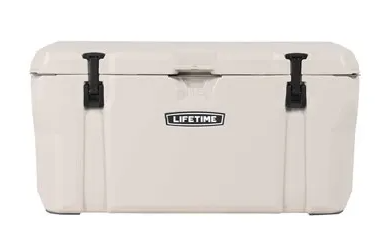
Lifetime Coolers
I’ve been surprised by how long these keep things cold. They’re available at most big stores and carry an IGBC bear-resistant rating, which is hard to find at this price range.
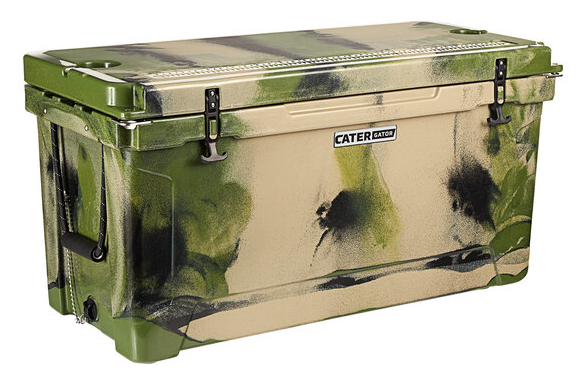
CaterGator Coolers
If you’re willing to order from restaurant supply retailers, these rotomolded coolers come at an attractive price but still offer the performance of more expensive models. They’re robust, and user feedback is solid for meat transport.
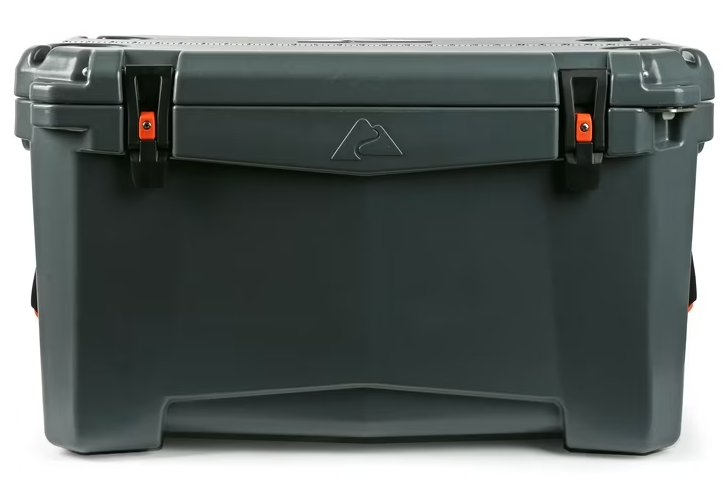
Ozark Trail Coolers
For those on a budget or just needing an extra cooler, Ozark Trail models (from Walmart) handle meat well over a weekend. Their design is basic, but they do a decent job for quick trips.
Benefits of Budget Options
The lighter weight and lower cost make these especially nice if you’re just starting or want an extra cooler around camp. They’re easy to lift and don’t feel like a big commitment. Just remember to store them out of the sun, pack them tight, and avoid too many checks while you’re in the field so you don’t lose cold air too fast.
3. Specialty Options: Kill Bags and soft-sided Coolers
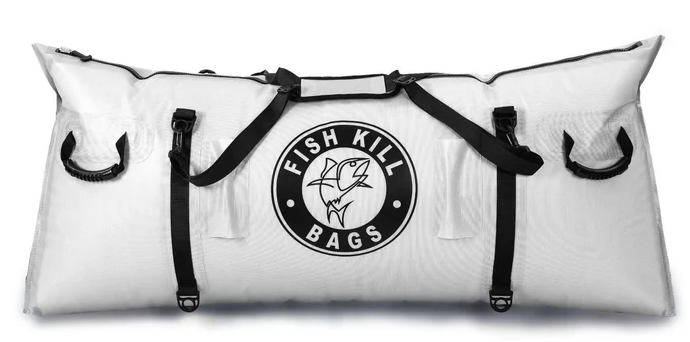
When I fly out for a hunt or need to save space heading home, I lean toward alternatives to hardsided coolers. Fish kill bags or insulated meat bags are excellent when carrying deboned meat, which is especially useful on a plane.
- Fish Kill Bags: Insulated bags like these can roll down small for air travel, then open up to hold quite a bit of meat. When properly iced, they maintain a safe temperature for hours. The top choices have strong zippers and a drain plug to make clean up simple.
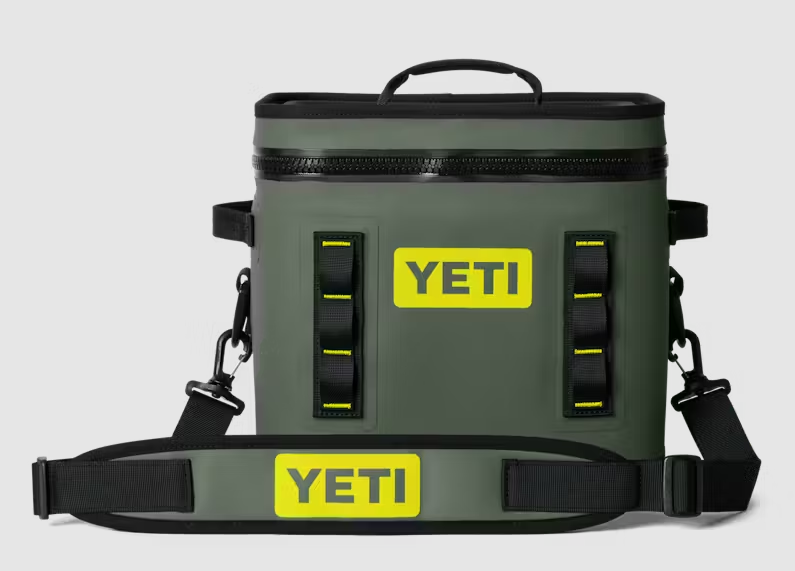
- Softsided Coolers like YETI Hopper: For quick hauls or flying home, I use a soft-sided cooler. The YETI Hopper M30 holds enough for a whole antelope if the meat is boned out. It even qualifies as a carry-on for most airlines, so I also use it for optics or snacks on the way out, then pack it with meat for the flight home.
When to Use These
These options shine when quick transport or limited space is your main concern. They work best for boned out meat, especially if you’re headed somewhere that will have ice available at your destination. If you must pack light and move fast, these are your best bet.
4. What to Look for in a Game Meat Cooler
The cooler you choose should fit the needs of your trip, the game you expect, and your plan for handling the meat. Here’s what I always check before heading out:
- Capacity: Make sure it fits both the amount of meat and a healthy supply of ice. For deer, I use at least a 75-quart cooler. For elk, bring along two coolers, each 100 quarts or bigger.
- Ice Retention: The length of your trip and expected temperatures guide how thick and insulated your cooler needs to be. For longer hunts in warm climates, go rotomolded whenever you can.
- Durability: A sturdy, thick-walled cooler is really important if you hunt in places with rough terrain or the chance of run-ins with wildlife like bears.
- Drain Plug: Easily emptying water helps keep meat dry and safe. I don’t like wrangling a full cooler just to tip it over for drainage; a simple plug is a must.
- Portability: If you’ll haul your cooler by hand over any distance or you plan to fly, it’s easier if it has wheels or comes in a bag shape with shoulder straps.
5. Cooler Sizes for Different Game
I get a lot of folks asking, “How big a cooler do you need for a deer?” or “Can an elk fit in one container?” Here’s a handy guide based on my experience:
- Antelope: About 55 quarts gets the job done for most boned out antelope. These animals are smaller and fit nicely if you remove the bone.
- Deer: I usually go between 75 and 100 quarts for a deer with plenty of ice mixed in. If you like to keep the quarters on the bone, go bigger.
- Elk: Expect to use at least two big coolers, both 100 quarts or more (aim for a combined total between 165 and 200 quarts). Elk are huge, and a single container just isn’t enough for a safe ride home.
It’s always smarter to go a little bigger than you think you’ll need, especially if you hunt with friends or want to carry bone in quarters. Nothing’s worse than running out of space when the hunt goes well.
6. Game Meat Cooler Features That Make a Difference
Certain details can really make handling and protecting your hard-earned game meat much easier. Tough construction and functional drainage stand out, but there are more features worth considering.
- Rotomolded Construction: This means next-level durability and insulation. I’ve seen rotomolded coolers last longer than every other piece of gear, even after years of abuse and rough roads.
- Bear Resistance: In remote areas or national parks, sometimes you’re required to use bear-resistant coolers. Look for a sticker or label showing IGBC certification for peace of mind.
- Easy Open Lids and Secure Latches: Strong handles and trustworthy latches make life easier when you’re tired at camp or when transporting a loaded cooler back to your truck. No more struggles with stubborn closures.
- PreCooling Capability: Adding frozen water jugs to your cooler the night before the hunt “charges” it and helps your ice last longer. I always do this and see a big difference in how long things stay cold.
Final Thoughts on Coolers for Game Meat
Wrapping up, the best cooler for game meat depends on what, where, and how you hunt. I turn to a tough rotomolded cooler for long hunts and warm weather, while budget or kill bag options work for short trips or fly-in adventures. Focus on capacity, ice retention, and durability to make sure your wild harvest gets home safe every time. Plan, and your future hunts will be a whole lot less stressful.
As always, stay safe, enjoy the journey, and please try to leave it cleaner than you found it. If you have any comments, questions, ideas, or suggestions, please leave them in the comment section below, and I’ll get back to you ASAP. You can follow us on YouTube: Man Art Creations for videos of our DIY Adventures.
Most Recent Articles:
- Garmin GPS Devices: Navigational Must-Haves For DIY Hunting Expeditions
- Best Rooftop Tents For Overlanding
- Overlanding The Infamous Black Bear Pass In Colorado
- How To Pack A Lightweight Backpack For DIY Backpack Hunting Trips
- Navigating The Hunt Application Process In The US

- Kodiak Canvas Cabin Lodge Tent
P.S. Thanks so much for checking out our blog; we really appreciate it. Just so you know, we may receive a commission if you click on some of the links that appear on our site. This helps us keep our content free and up-to-date for everyone. We appreciate your support! bear-resistant