Contents
- 1 Why Hunters Prefer Wall Tents
- 2 Types of Wall Tents for Hunting
- 3 Top-Rated Wall Tents for Hunting
- 4 Choosing the Right Wall Tent Features
- 5 What Sets Top Wall Tent Brands Apart
- 6 Real-Life Experience Using Wall Tents for Hunting
- 7 Tips for Setting Up and Maintaining Your Wall Tent
- 8 Frequently Asked Questions
- 9 Practical Advice for Buying a Hunting Wall Tent
I’ve spent plenty of chilly nights tucked away in wall tents, and they’ve become my top pick for comfortable hunting camps. Picking the best wall tent for hunting usually comes down to finding the right blend of strength, size, and weather resistance. If you’re planning a long trip in the mountains or setting up a base camp with a group, it’s worth knowing what makes a great wall tent and which models hunters tend to trust.
QUICK LOOK: Features to Look for in a Wall Tent for Hunting
- Material: Cotton duck canvas, treated for water and mildew resistance, is the norm. Most hunters go for 10 or 12-ounce canvas, getting a nice mix of strength and manageable bulk. For hiking in, polyester or polycotton blends will be lighter to carry.
- Frame: Whether steel or aluminum, top-notch tents come with strong frames. Some brands ship their tents without frames, so check what’s included and don’t get caught short when it’s time to set up.
- Stove Jack: Super useful for cold-weather hunting, a good stove jack takes a heat-resistant pipe and lets you safely use a wood stove for warmth and drying wet clothes.
- Space: Wall tents really shine when you need standing room for cots, tables, and gear. Standard sizes run from 8×10 feet for two people to 16×20 feet for larger groups. Consider your group and the gear you tote along.
- Weather Protection: Steep roofs shed rain and snow, double stitching on seams keeps water out, and sod cloth around the tent’s base blocks cold drafts and damp.
- Portability: Canvas is heavy, so if you’re driving or using an ATV or pack animal, weight isn’t a dealbreaker. But backpackers will do better with a synthetic tent and a lightweight frame.
Why Hunters Prefer Wall Tents
Wall tents have stood the test of time as the hunting basecamp staple. They’re roomy and warm, and can hold up under some of the worst conditions. Canvas wall tents, in particular, are built to last and offer the comfort needed for extended stays in the wild. A solid tent lets you bring cots, stash your gear, and even run a wood stove for heat, making those frosty mornings more manageable and way more pleasant.
The roots of wall tents stretch back through decades, long trusted by trappers and guides season after season. While the overall design hasn’t changed all that much, today’s models use new treatments for better water and mildew resistance, giving current wall tents an edge over their older counterparts.
Types of Wall Tents for Hunting
You’ll typically come across two main types of wall tents when hunting: heavy canvas and lightweight synthetics. Canvas tents are the classic base camp choice because they stand up to snow, wind, and all sorts of rough weather. Synthetic wall tents use polyester or cotton blends and are a lot lighter, making them a good fit if you need to carry your camp on your back.
Backcountry hunters often like modern synthetic tents like the Stone Glacier Skyscraper—these cut down on pack weight but don’t offer quite the same warmth or toughness as canvas. For weeklong trips or longer in one spot, dealing with the heavier canvas is usually worth it. If you need to be mobile, go for the lighter synthetic option without thinking twice.
Top-Rated Wall Tents for Hunting
Having talked to a lot of hunters and used several options myself, I’ve noticed a few brands always come recommended. For extended hunts and larger groups, canvas tents from Kodiak Canvas, White Duck, Montana Canvas, and Davis Tents earn respect for standing up year after year. For lighter tents, you can pack deep into the wild. Stone Glacier and Big Agnes are the ones you’ll see on many backcountry gear lists.
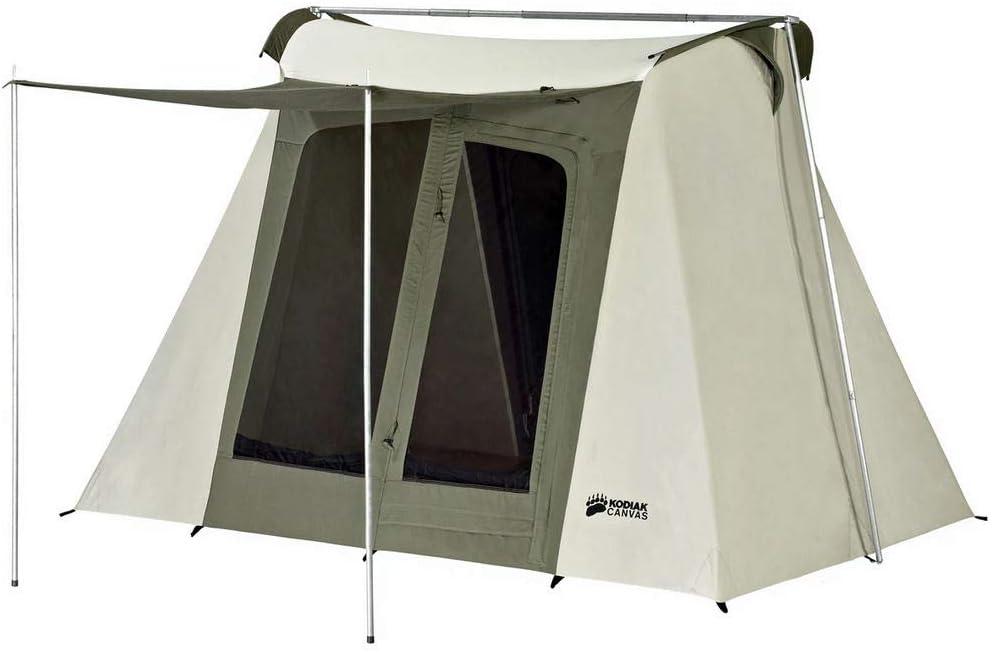
Kodiak Canvas FlexBow Deluxe 6-Person Tent:
This tent stands out for its durable canvas, easy FlexBow frame, and user-friendly accents. It holds strong in rain and snow and gives plenty of space for a group.
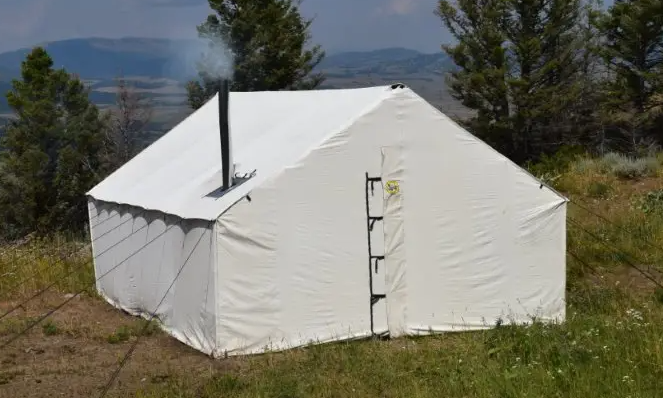
Montana Canvas Traditional 10oz Canvas Wall Tent:
Built with durability in mind, it’s made in the USA out of high-grade canvas treated to resist water, fire, and mildew. People depend on this tent for years of demanding hunts. This is the tent we have been using for nearly 20 years.
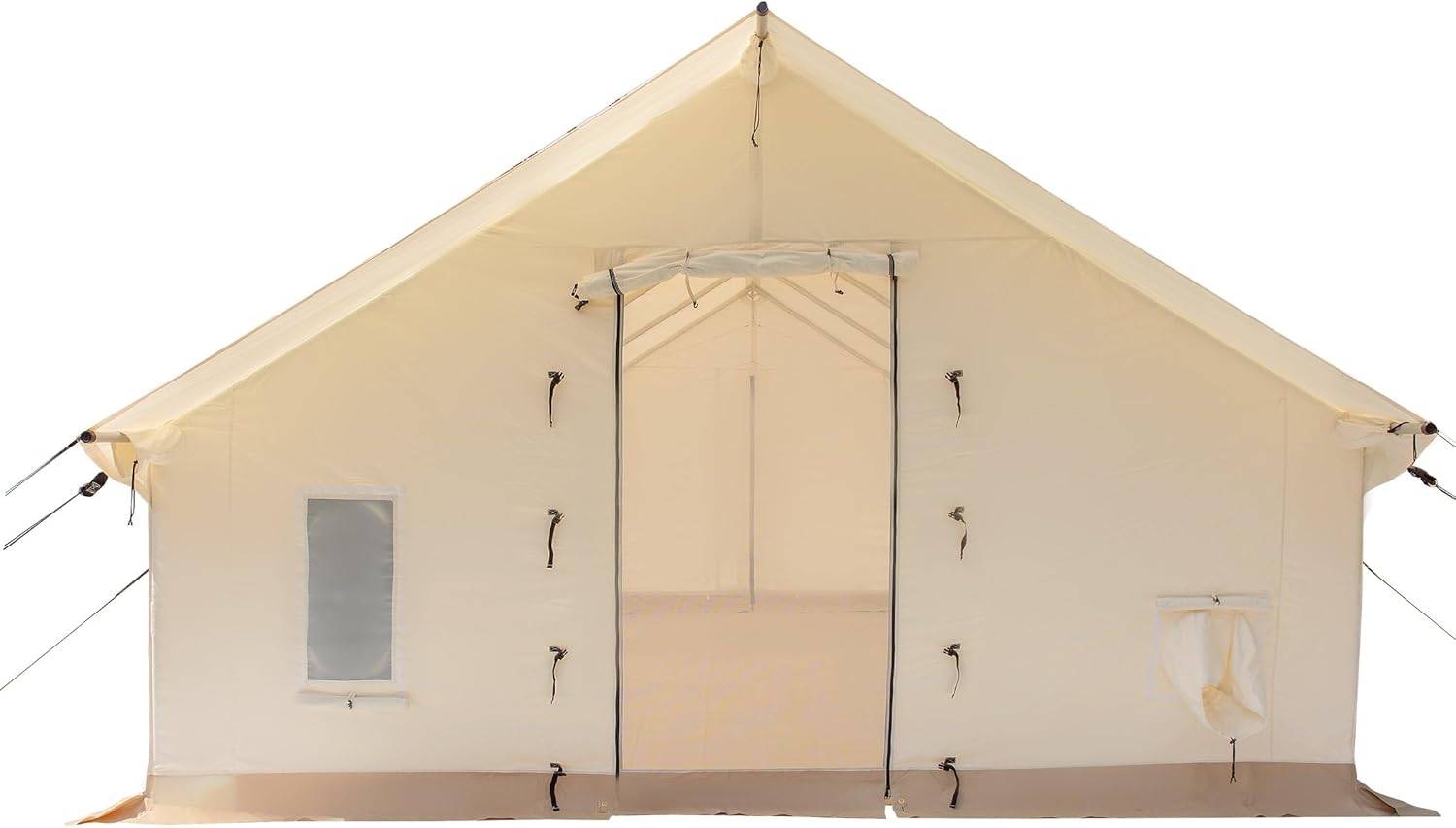
White Duck Outdoors Alpha Pro Wall Tent:
A four-season tent made from a performance blend canvas, featuring a ready-to-install stove jack. The reinforced frame and groundsheet keep things snug, regardless of wet or icy weather.
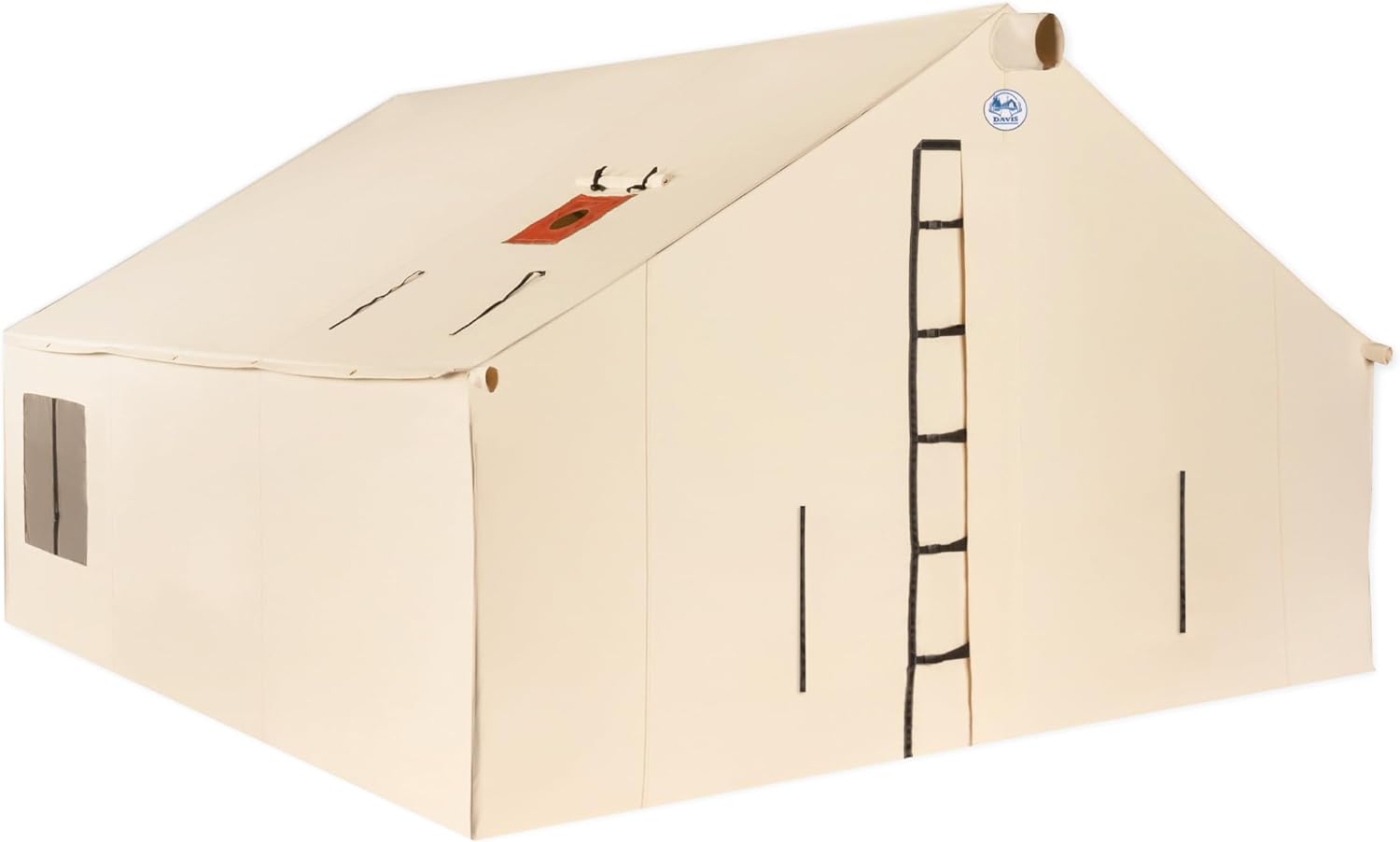
Davis Tent® 14×15 Canvas Tent
Made in the USA with high-quality, fire-treated 100% cotton canvas. Holds 3 persons with cots or 4 persons camping without cots. Tent includes storm flap, eave sleeves, pole set, stove jack, ropes, tensioners, sod cloth, and tent spikes.
Choosing the Right Wall Tent Features
Some details truly make a difference when picking a wall tent for hunting. I always look at material, frame design, stove jack, interior space, and how well it breathes—since all these things matter when you’re camped out for days on end.
- Material: Cotton duck canvas, treated for water and mildew resistance, is the norm. Most hunters go for 10 or 12-ounce canvas, getting a nice mix of strength and manageable bulk. For hiking in, polyester or polycotton blends will be lighter to carry.
- Frame: Whether steel or aluminum, top-notch tents come with strong frames. Some brands ship their tents without frames, so check what’s included and don’t get caught short when it’s time to set up.
- Stove Jack: Super useful for cold-weather hunting, a good stove jack takes a heat-resistant pipe and lets you safely use a wood stove for warmth and drying wet clothes.
- Space: Wall tents really shine when you need standing room for cots, tables, and gear. Standard sizes run from 8×10 feet for two people to 16×20 feet for larger groups. Consider your group and the gear you tote along.
- Weather Protection: Steep roofs shed rain and snow, double stitching on seams keeps water out, and sod cloth around the tent’s base blocks cold drafts and damp.
- Portability: Canvas is heavy, so if you’re driving or using an ATV or pack animal, weight isn’t a dealbreaker. But backpackers will do better with a synthetic tent and a lightweight frame.
What Sets Top Wall Tent Brands Apart
White Duck, Montana Canvas, Davis Tents, and Kodiak Canvas have a strong following for a reason. I’ve spent time in camps with all four, and the big thing they have in common is attention to small details that add up like reinforced corners, heavy-duty webbing at high-stress spots, screened windows, and storm flaps that just work. These are small things that make long-term use viable, even after years in the field.
Not only that, their reputations are built on customer service and real hunters’ stories. Group or solo, there are options for bigger doors, more windows, or custom sizing, which means your crew can get the exact setup that matches your style.
Real-Life Experience Using Wall Tents for Hunting
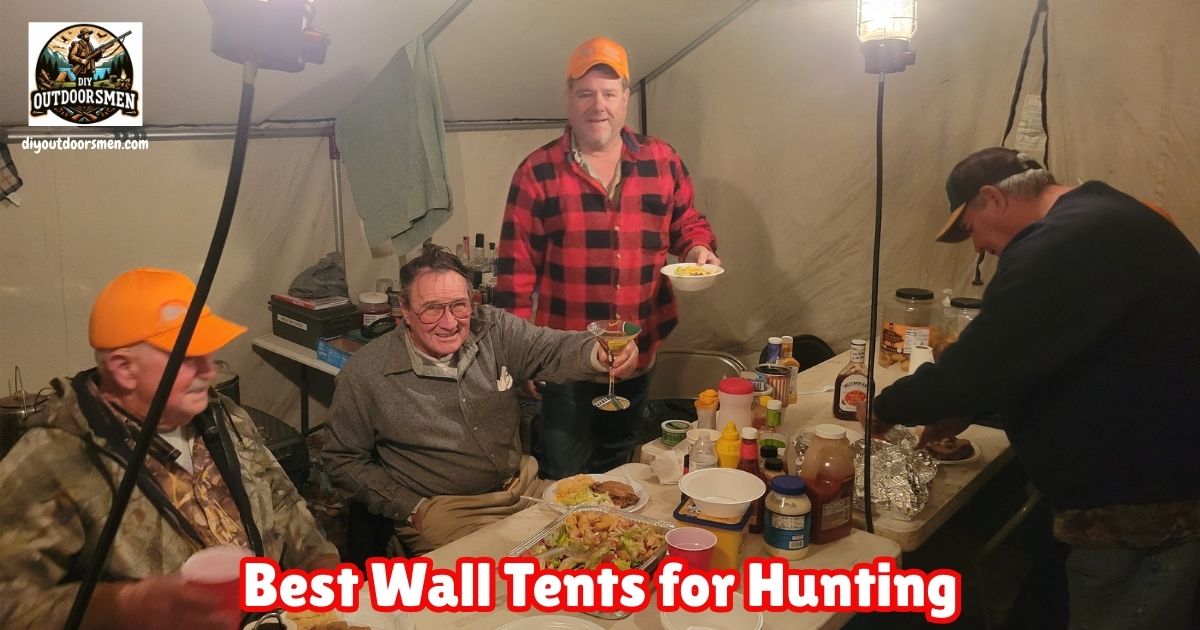
One of my clearest memories is from a first elk camp in a canvas wall tent, a wood stove glowing in the corner. The jump in comfort compared to nylon tents was immediately obvious. Boots dried by morning, and there was space to hang wet coats and get out of the weather.
We chose a Montana Canvas tent, pitching it in snow up to our knees. The rugged frame and angled walls kept us dry and warm even as snow mounded up outside. Having room for cots and a makeshift kitchen gave us a boost in spirits—and made camp life something to look forward to after tough days.
Whenever the weather is unpredictable or the trip runs long, I’ve found that a canvas tent with a solid stove jack keeps things manageable and morale high. When it’s just me or I’m going far off the beaten path, a lightweight synthetic like the Stone Glacier Skyscraper makes packing easier, but there’s a tradeoff since you lose out on some comforts and standing room.
Tips for Setting Up and Maintaining Your Wall Tent
- Pick the right spot: Aim for level, dry ground away from hazards and water runoff. For longer stays, dig a shallow trench on the higher side to steer rain away from camp.
- Keep ventilation going: Even when it’s cold, crack the windows or doors slightly to let humidity out and fresh air in.
- Secure your frame: Tie down and stake every corner—this is especially important when wind is in the forecast. Bring backup guylines and extra stakes if the area is exposed.
- Mildew prevention: Always dry your tent fully after use. If you have to pack it up damp, make sure to unroll it at home and let it dry completely before storage.
- Get your stove jack ready: Match the jack and pipe size, and make sure there’s a heat shield or flap to block rain and stray sparks from getting inside.
- Packing extras: Bring a strong PVC groundsheet, an inside gear loft, and a small broom for dealing with snow or debris. These small items can make life in camp much more comfortable.
Frequently Asked Questions
How do I pick the right wall tent size for hunting?
Plan on at least 20 to 25 square feet per person for sleeping and gear. Add more if you want cots or a wood stove. For two people and a stove, an 8×10 or 10×12 foot tent is typical. Big groups or a full gear load may need a 14×16 or larger tent.
Is a stove jack a must for a hunting wall tent?
If there’s any chance you’ll be out in the cold, a stove jack is crucial. It allows you to heat your tent with a wood stove, drying clothes, and boosting comfort. Some budget tents skip this, so check before you buy.
What do canvas wall tents usually weigh?
Even compact wall tents and their frames are hefty, often starting at 60 to 80 pounds without a stove. Most folks haul them by truck, trailer, ATV, or horse—hiking with one isn’t fun.
Practical Advice for Buying a Hunting Wall Tent
Doing your homework helps you make the best call. Ask yourself how long you’ll need the tent to last and how many hunters will use it. Think about the comfort level you want in camp or if you’d rather keep your setup light and fast.
Reliable canvas wall tents from makers like White Duck, Montana Canvas, or Davis can stand up to heavy use and tough weather for years. Short hunts, solo trips, or backcountry adventures are usually easier with a compact synthetic that packs down small and pops up fast.
Choosing the right wall tent means you’ll look forward to camp life, regardless of rough weather. A well-built tent pays for itself with reliable warmth and peace of mind during those early, chilly mornings before you head out. If you’re serious about hunting, investing in a proven wall tent from a respected brand will turn a basic camp into a comfortable base you can count on year after year.
Most Recent Articles:
- Best Wall Tents For Hunting

- When Should You Start Planning Next Year’s Hunt?

- Best Coolers For Transporting Game Meat

- 7 Late-Season Whitetail Strategies
- Transporting Game Meat Legally And Safely
- 7 Late-Season Elk Hunting Strategies
As always, stay safe, enjoy the journey, and please try to leave it cleaner than you found it. If you have any comments, questions, ideas, or suggestions, please leave them in the comment section below, and I’ll get back to you ASAP. You can follow us on YouTube: Man Art Creations for videos of our DIY Adventures.
P.S. Thanks so much for checking out our blog; we really appreciate it. Just so you know, we may receive a commission if you click on some of the links that appear on our site. This helps us keep our content free and up-to-date for everyone. We appreciate your support!,