
Contents
- 1 Is Wild Hog Meat Edible?
- 2 Safety Precautions When Handling Wild Hog Meat
- 3 Cooking Wild Hog Meat: Temperature and Preparation
- 4 How Wild Hog Tastes Compared to Domestic Pork
- 5 Tips for Preparing and Cooking Wild Hog Meat
- 6 How to Tell If Wild Hog Meat Is Safe to Eat
- 7 Why People Hunt and Eat Wild Hogs
- 8 Popular Cuts and Recipes for Wild Hog Meat
- 9 Common Concerns and Questions About Eating Wild Hogs
- 10 Final Thoughts on Eating Wild Hogs
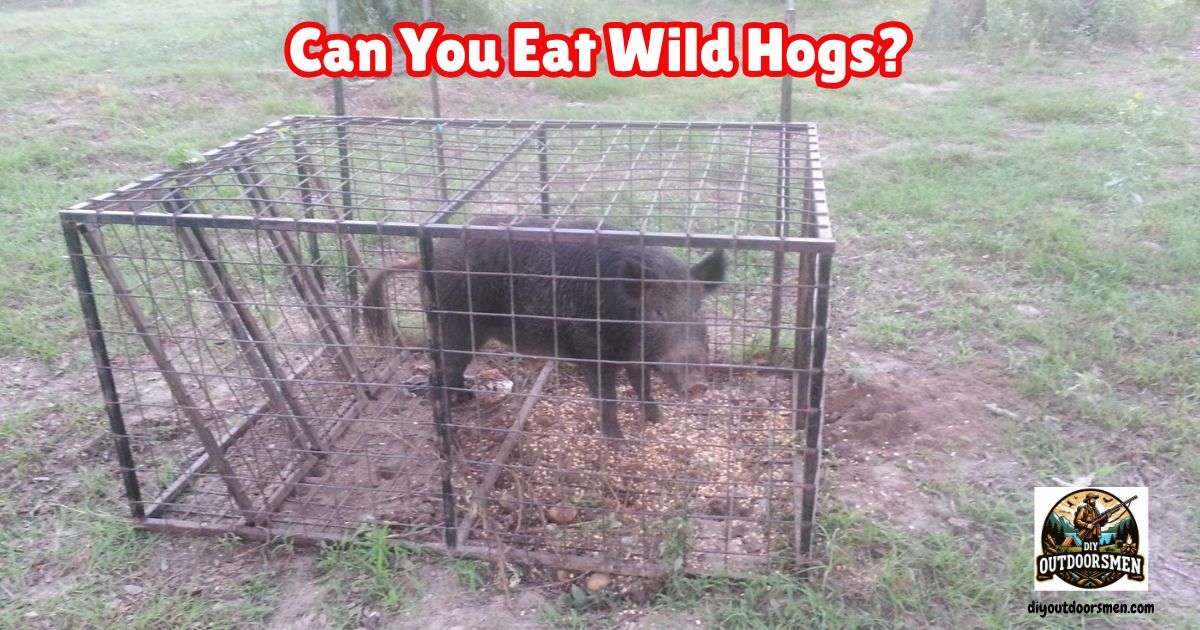
If you have ever spent time outdoors or know someone who hunts, you might have heard about wild hogs. These animals are common across much of the southern United States and in many parts of the world. One of the most common questions people ask is whether wild hogs are safe and good to eat. I’ve looked into this myself, and I’ll walk you through what I’ve learned so you can make informed choices about wild hog meat.
Is Wild Hog Meat Edible?
Yes, wild hogs are edible and have been eaten for generations. Their meat is a source of protein for hunters and outdoor enthusiasts in many regions. Wild hogs, also known as feral hogs or wild boar, live off the land and have a varied diet, which gives their meat a different flavor profile compared to farmed pigs.
Some people are cautious about eating wild hogs because these animals live outside of controlled farm environments. They can be exposed to parasites and diseases, so it’s really important to handle and cook the meat correctly before eating it. Many people find wild hog meat a tasty and practical choice, especially when prepared with care.
Safety Precautions When Handling Wild Hog Meat
When I field dress or butcher a wild hog, I always keep in mind a few safety steps to protect both myself and anyone who might eat the meat. Wild hogs can carry bacteria and parasites that are not much of a concern with commercially farmed pork. Being careful from the field to the kitchen can really reduce health risks.
- Use Protective Gear: I wear gloves and, if possible, eye protection when field dressing a hog. This helps protect me from blood and fluids that may contain pathogens.
- Prevent Cross-Contamination: Using clean, sharp knives and separate surfaces for the hide and meat works best. I make sure to clean all tools and surfaces with disinfectant as soon as I’m done.
- Avoiding Exposure: I’m careful to avoid getting splashes of blood, tissue, or fluids in my eyes, mouth, or on open cuts.
Proper butchering and cleaning are the first steps to safe wild hog meat. After butchering, all equipment used, including reusable gloves, should be cleaned with a strong disinfectant. I usually use a diluted bleach solution, just as you would for cleaning after any other wild game preparation.
Cooking Wild Hog Meat: Temperature and Preparation
Cooking wild hog meat to the right temperature is key to killing off parasites and bacteria. Parasites such as Trichinella and bacteria that cause brucellosis or salmonellosis are more common in wild hogs than in domestic pork.
- Ground Meat: I always cook ground wild hog meat to an internal temperature of at least 160°F (71°C).
- Whole Cuts: Roasts, chops, and other muscle cuts need to reach 145°F (63°C), followed by a three-minute rest before eating.
Unlike with some farmed pork, freezing wild hog does not guarantee that all parasites are destroyed. I never rely only on freezing, pickling, or smoking to make wild hog meat safe. Cooking is the only reliable way to keep everyone safe at the table.
It’s also good to note that wild hog meat can sometimes have a slightly different color and texture than you may expect from store-bought pork. Always use a meat thermometer to double-check that you’ve reached the safety threshold, especially with larger cuts. For stews and slow-smoked meats, maintaining a consistent temperature is key for both safety and maximum flavor.
How Wild Hog Tastes Compared to Domestic Pork
The taste and texture of wild hog is different from what you’d find at the grocery store. Because these animals roam free and eat a wide variety of foods, their meat is typically darker, leaner, and sometimes described as having a nutty or gamey flavor. Their active lifestyle means the meat can also be tougher, especially in older animals.
- Young Hogs: Meat from younger hogs (especially females under 100 pounds) is usually more tender and milder in taste.
- Older Boars: Older boars, especially those over 200 pounds or in rut (breeding season), may have a noticeable musky smell or flavor known as “boar taint.” I’ve found that some people don’t mind this, but most prefer meat from younger or female hogs for eating.
- Fat Content: Wild hog is leaner than domestic pork, so overcooking it can dry it out or make it tough.
Because of these differences, my cooking methods for wild hog are a bit different. I like slow-cooking methods such as stewing, braising, or smoking. These approaches help break down connective tissue and keep the meat moist and flavorful. Quick grilling also works for thin cuts, but if you use high heat, watch closely so you don’t overcook it. Some people also marinate their cuts overnight to improve tenderness and to add flavor depth.
Tips for Preparing and Cooking Wild Hog Meat
I have picked up a few tips over the years that make wild hog meat more enjoyable to eat. The following steps help get the best flavor and texture:
- After butchering, I sometimes soak the meat in an ice water bath, often with a splash of vinegar or lemon juice. This helps draw out blood and reduce gamey flavors. Soaking for 1 to 2 days, changing the water every 12 hours, works well for me.
- I trim away as much fat as possible. Fat on wild hogs can sometimes hold strong odors or flavors.
- When making sausage or ground meat, I often mix in a little domestic pork fat. Wild hog is very lean, so a bit of extra fat helps with both texture and moisture.
- For slow-cooked recipes like barbecue pulled pork, chili, or stews, wild hog meat shines and picks up the flavors of other ingredients beautifully.
Letting your wild hog cuts rest briefly after cooking allows juices to redistribute, improving moisture and tenderness. If you’d like even more flavor, experiment with seasoning rubs, fruit-based marinades, or aromatic herbs—wild hog pairs well with bold spices and ingredients that stand up to richer meats. Remember to adjust cooking times for your particular cut and size, as leaner meat needs careful handling to avoid drying out.
How to Tell If Wild Hog Meat Is Safe to Eat
There are a few things I check to determine if the hog and its meat are safe to harvest and cook:
- Healthy Appearance: The animal should look alert and healthy before harvest. If I notice signs of illness, lesions, swelling, or odd behavior, I avoid using the meat.
- Inspect the Meat: I look at the color and texture of the meat and organs while butchering. Anything with unusual spots, discoloration, or odd smells should not be kept.
- Cook Thoroughly: Proper cooking removes most bacterial or parasite concerns, but using judgment at every step helps.
If you have any doubt about the health of the animal or the safety of the meat, it’s better to be cautious. When in doubt, I throw it out.
Why People Hunt and Eat Wild Hogs
Wild hog populations in places like Texas, Florida, and other states have skyrocketed in recent years. These animals can cause big problems for farmers and natural ecosystems. Hunters help manage hog populations, and harvesting wild hogs for meat is a direct way to put this resource to good use. Many communities even have group hunts or “hog roasts” as local traditions.
Sharing wild hog meals is a way for people to connect, celebrate their outdoor skills, and reduce food waste. I have enjoyed wild hog in everything from chili at hunting camps to roasted pork at family gatherings, and the meals are definitely memorable. Some folks also like the challenge of preparing unique dishes, and using wild hog is a way to test out family recipes or invent new ones with local ingredients.
Popular Cuts and Recipes for Wild Hog Meat
Some parts of wild hog are especially popular for eating. Among my favorites:
- Tenderloin or Backstrap: This is the most tender and mild cut, ideal for grilling or frying.
- Shoulders: Great for pulled pork or slow-cooked dishes like stews and roasts.
- Hams: These work well for smoking or roasting and can be cured for homemade hams.
- Ribs: Not as fatty as domestic pork ribs, but still tasty when slow-cooked with plenty of sauce.
For first-timers, I recommend starting with small amounts and trying different spices, marinades, or sauces to find what tastes best to you. Wild hog stands up well to bold flavors like smoked paprika, garlic, barbecue sauce, and chili peppers.
If you’re adventurous, consider making wild hog jerky, salami, or hearty ragouts that mix the wild flavor with garden herbs and vegetables. Experimentation can turn a simple cut of meat into something memorable and satisfying for a meal with family and friends.
Common Concerns and Questions About Eating Wild Hogs
I’ve gathered answers to some of the most common things you might wonder before eating wild hog:
Can you get sick from eating wild hog?
Eating undercooked or poorly handled wild hog can cause illness due to parasites or bacteria. Cooking the meat thoroughly reduces this risk.
Is wild hog gamey or tough?
The flavor is richer and sometimes more intense than store-bought pork. Meat from younger hogs is usually milder and more tender, while older animals can be tougher and stronger in flavor.
Are all wild hogs safe to eat?
Most are safe if they look healthy and the meat is cooked properly, but hogs that appear sick or act unusually should never be used for food.
How do you store wild hog meat?
I freeze wild hog meat soon after butchering. Vacuum sealing or wrapping portions tightly prevents freezer burn and keeps the meat good for months. Always label and date your packages.
Final Thoughts on Eating Wild Hogs
Wild hog meat can be a rewarding and sustainable source of food, especially if you follow basic safety guidelines for handling and cooking. The taste is different than storebought pork, and prepping it well is key for the best eating experience. If you’re careful and pay attention to each step, wild hog can add variety and flavor to your table.
For many people, it’s a tradition that connects food, family, and the outdoors in a special way. Whether you’re new to wild game or just looking to mix things up at the dinner table, wild hog can be a flavorful, responsible, and memorable choice for your next meal.
Most Recent Articles:
- When Should You Start Planning Next Year’s Hunt?

- Best Coolers For Transporting Game Meat

- 7 Late-Season Whitetail Strategies

- Transporting Game Meat Legally And Safely
- 7 Late-Season Elk Hunting Strategies

- Can You Eat Wild Hogs?

As always, stay safe, enjoy the journey, and please try to leave it cleaner than you found it. If you have any comments, questions, ideas, or suggestions, please leave them in the comment section below, and I’ll get back to you ASAP. You can follow us on YouTube: Man Art Creations for videos of our DIY Adventures.
P.S. Thanks so much for checking out our blog; we really appreciate it. Just so you know, we may receive a commission if you click on some of the links that appear on our site. This helps us keep our content free and up-to-date for everyone. We appreciate your support! hogs