Contents
- 1 Top Sections for Fly Fishing the Conejos River
- 2 Seasons, Hatches, and Fly Choices
- 3 Gear and Setup Suggestions
- 4 Techniques That Work Well on the Conejos River
- 5 Access, Maps, and Local Rules
- 6 Frequently Asked Questions
- 7 Planning Your Trip: Conditions and Resources
- 8 Final Thoughts on Enjoying the Conejos River
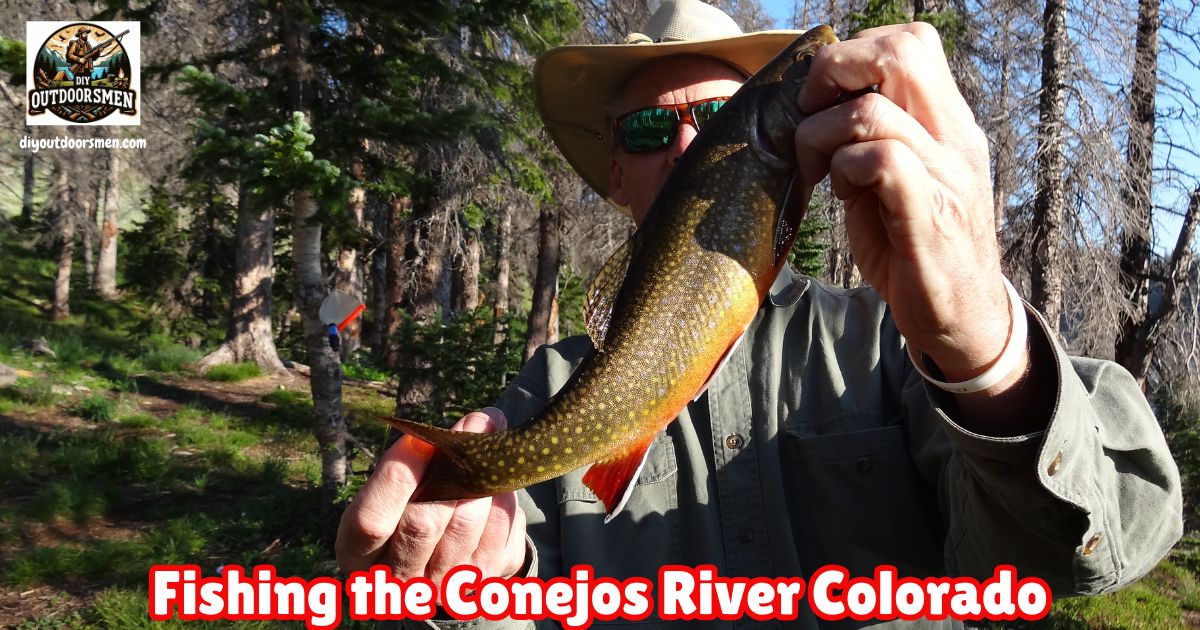
Fly fishing on the Conejos River in southern Colorado has always given me a real sense of adventure. I find the combination of remote mountain scenery, wild trout, and varied river sections makes each trip memorable in its own way.
QUICK LOOK: Access and Local Rules for Fishing the Conejos River
- Directions: I reach the area using Forest Road 380 from Antonito. Signage points you toward both the reservoir and tailwater. Some headwater sections require hiking via US Forest Service trails into the South San Juan Wilderness. These trails often follow the river for long stretches and provide excellent access to secluded pools.
- Land Ownership: Much of the river passes through public land, including the Rio Grande National Forest. Always check local maps to avoid wandering onto private property, especially near the reservoir or lowland ranches. Respect signs and fences, and when in doubt, ask a local or at the fly shop for specifics.
- Regulations: Many stretches are artificial flies and lures only, with special bag limits that often specify two trout of at least 16 inches in length below the dam. I always double-check the Colorado Parks and Wildlife regulations for the most current rules for each river section. They frequently update seasonal closures, special slot limits, and restrictions to keep the resource healthy.
- Fishing License: A valid Colorado fishing license is essential. I prefer buying online from the Colorado Parks and Wildlife website before I go. Licenses are also available locally, but buying in advance smooths the way and keeps your trip moving.
The Platoro Reservoir forms the headwaters of the Conejos River, and the surrounding region offers fishing for rainbows, browns, brooks, and occasionally Rio Grande cutthroat trout. I’m going to walk you through key areas, prime seasons, suggested gear, and practical tips that help make a fly fishing trip here rewarding and enjoyable.
Top Sections for Fly Fishing the Conejos River
The Conejos River isn’t just one uniform stretch; it’s made up of several unique sections, each with its own character and fishing opportunities. I’ve spent time exploring the headwaters, the reservoir, and the tailwater below the dam. Knowing what to expect in each section can help you decide where to spend your time and really adds to your adventure.
- Above Platoro Reservoir (Headwaters): The river’s high altitude forks (both North and Middle) offer swift runs and pools in a wilderness setting. Hikes often lead to eager brookies and sometimes small Rio Grande Cutthroat trout. Solitude is almost guaranteed for those willing to trek in, especially during the shoulder seasons when fewer folks are around. These clear waters let you spot feeding trout along bubbling riffles, making each approach a careful, stealthy affair.
- Platoro Reservoir: This 990-acre mountain reservoir holds rainbow and brown trout. I’ve found that fishing from small boats or float tubes increases access to the best water, but shoreline fly fishing works well in the mornings and evenings. Water levels can move up and down, so it’s important to check before heading out. In late summer, you might stumble upon cruising browns around inlets as they prep for the upcoming spawn.
- Below Platoro Reservoir (Tailwater): The “Meadows” section below the dam is much more accessible, with County Road 250 close by. This stretch is famous for larger fish and steady year-round flows. Some of my favorite days have been spent methodically nymphing these deeper runs while soaking in the stunning open meadows. Approach quietly, and you’ll spot rising trout during mayfly hatches.
- Pinnacles Canyon: For those up for a true challenge, the Pinnacles section requires a tough hike and careful footing, but the payoff can be trophy-sized brown trout hiding in deep, shaded canyons. The steep terrain and boulder gardens make for demanding but rewarding fishing. Take your time, and make a game plan to cover the water without spooking the resident lunkers.
Seasons, Hatches, and Fly Choices
Timing your trip to the Conejos River makes a big difference in the kind of experience and the number of fish that you have. I like to plan my visits based on typical hatches and overall river conditions.
- Best Time to Fish: I find summer (June to August) to be the most reliable, especially when snowmelt recedes and aquatic insect activity peaks. Autumn brings fewer anglers and bigger brown trout starting their spawning run. Spring can be good for streamer fishing during runoff, but conditions are more unpredictable, with variable flows and the opportunity to connect with active fish chasing larger food items.
- Major Hatches: The river supports a healthy population of caddisflies, mayflies (like Bluewinged Olives or BWOs and Pale Morning Duns), stoneflies, and midges. In July, caddis and stonefly hatches can be heavy. By late summer, terrestrial insects such as hoppers and ants provide extra action, especially on windy days when fish key in on food falling from the banks.
- Recommended Fly Patterns:
- Dry flies: Elk Hair Caddis, Parachute Adams, BWOs, PMDs, grasshopper, and ant patterns are solid choices throughout the season, and it pays to have a few different sizes handy.
- Nymphs: Beadhead Hares Ear, Pheasant Tail, Prince Nymph, Pats Rubber Legs, red and pink annelids cover many food sources. I carry a selection to mix things up if the bite slows.
- Streamers: Black Woolly Bugger, olive or brown Sculpzillas, and white Zonkers let you tempt aggressive fish hiding under structure, especially during low light hours.
Gear and Setup Suggestions
Having the right equipment can make every cast and hookset more effective. I’ve learned to bring a range of gear to be ready for changing conditions and switching between different sections. Packing smart means you’ll fish longer and with less frustration, so don’t skimp on quality basics.
- Rod and Reel: A 4-weight to 6-weight rod covers nearly any situation you’ll come across in the Platoro area. Headwater streams work best with a lighter 4-weight, while the reservoir and tailwater justify a stiffer 5 or 6-weight if there’s a chance of bigger fish or windy days.
- Leader and Tippet: For dry fly setups, I use 9 to 12-foot leaders tapering to 5X or 6X. For nymphs or streamers, 7.5-foot leaders and heavier 3X or 4X tippet hold up well in faster water and against larger trout. Don’t be afraid to step up your tippet if you’re hooking into big browns below the dam.
- Waders and Boots: Even in the middle of summer, water temperatures stay cold this high up. I always pack chest waders and solid wading boots with good grip. A wading staff is helpful, especially in the slippery tailwater section. If you’re hiking into rougher terrain, consider lightweight options for the trek.
- Accessories: Bring a net with a rubber basket, polarized sunglasses, and a brimmed hat. Repellent and sunscreen are also important at these high elevations, where the sun is intense. Don’t forget a small first aid kit and a rain jacket—it pays to stay ready for anything.
Techniques That Work Well on the Conejos River
Fish here see their share of flies in popular areas, but being thoughtful and adaptable in your approach pays off. I tailor my tactics to the season, section, and current conditions, and find that a flexible attitude results in more hookups and less frustration.
- Nymphing: In the deeper holes and riffles below the dam, I’ve had consistent luck using tightline (Euro) nymphing setups. Dropping a beadhead nymph and small midge under a strike indicator is a good way to pick up fish in pools. Adjust your weight and depth to match current flows; sometimes, a tiny midge on a long leader is what it takes to fool wary fish.
- Dry Dropper Rigs: During summer, drifting a bushy dry fly with a light nymph underneath works really well along banks in the meadow sections, where trout are looking up for floating food. This rig is perfect when hatches are sporadic or when you spot fish holding in shallow water.
- Streamer Fishing: I tie on streamers, especially during overcast days or higher flows in spring. Extra weight helps get the fly down quickly near structure or undercut banks. Slow strips with a pause can draw strikes from bigger fish that don’t want to move far to ambush prey.
- Presentation: I always aim for a drag-free drift. If I spook a pool, taking a break and trying again in a few minutes often pays off. Make sure to approach holding water with stealth, using brush and rocks for cover, and cast from a distance if you can.
Access, Maps, and Local Rules
Getting to the Conejos River and knowing the access points helps maximize time on the water. While some popular stretches are easy to find, the wild sections make for a real adventure. Bringing a detailed map or downloading offline GPS data is a good way to stay oriented in remote areas. Keep in mind that cell service is spotty.
- Directions: I reach the area using Forest Road 380 from Antonito. Signage points you toward both the reservoir and tailwater. Some headwater sections require hiking via US Forest Service trails into the South San Juan Wilderness. These trails often follow the river for long stretches and provide excellent access to secluded pools.
- Land Ownership: Much of the river passes through public land, including the Rio Grande National Forest. Always check local maps to avoid wandering onto private property, especially near the reservoir or lowland ranches. Respect signs and fences, and when in doubt, ask a local or at the fly shop for specifics.
- Regulations: Many stretches are artificial flies and lures only, with special bag limits that often specify two trout of at least 16 inches in length below the dam. I always double-check the Colorado Parks and Wildlife regulations for the most current rules for each river section. They frequently update seasonal closures, special slot limits, and restrictions to keep the resource healthy.
- Fishing License: A valid Colorado fishing license is essential. I prefer buying online from the Colorado Parks and Wildlife website before I go. Licenses are also available locally, but buying in advance smooths the way and keeps your trip moving.
Frequently Asked Questions
What species of trout will I find in the Conejos River?
Brown, rainbow, and brook trout are commonly caught. In the upper forks, Rio Grande Cutthroat trout can sometimes be found as well. Exploring these sections often feels like stumbling upon hidden gems, with chances to catch native species.
Do I need to hike far to find good fishing spots?
Some of the best fishing, especially above the reservoir, does require hiking into the South San Juan Wilderness. Less remote but productive water is available near the tailwater and reservoir’s southern shore, so there’s something for everyone regardless of your hiking ambitions.
What type of fishing license is needed?
A current Colorado fishing license is required for anglers age 16 and older. Short-term and season permits are available through CPW. You can pick the one that matches your plans best.
Is the river suitable for beginners?
Yes, especially in the more accessible “Meadows” section below the dam, which offers forgiving casting lanes and plenty of fish. Wilderness headwaters are better for those comfortable with off-trail hiking and lighter rod setups. Beginners can get in on the action with basic skills, but local guidance can help you catch on faster.
Are there any special rules for catch and release?
Some sections have reduced bag limits or require artificial flies and lures only. Using single barbless hooks and handling fish gently supports healthier fisheries. I recommend always carrying forceps to remove hooks cleanly and wetting your hands before handling trout for photos.
Planning Your Trip: Conditions and Resources
Planning makes a huge difference, especially in this high altitude and often unpredictable part of Colorado. Weather can change rapidly, and water flows can switch up depending on dam releases or snowmelt. Added preparation puts you in the right place at the right time and keeps surprises to a minimum.
- Check River Flows: Before I head out, I check current streamflow data (cfs) for the Conejos River and reservoir outflows. High flows can make some sections tough to wade, while low levels might make fish a bit warier. Bookmarking the USGS and Bureau of Reclamation sites is helpful for up-to-date numbers.
- Outfitters and Guides: I’ve had helpful reports from local fly shops, especially Conejos River Anglers and the Perfect Fly Store. These shops can offer up-to-the-minute details on hatches, recommended flies, and current conditions. If you’re new to the river, booking a half-day guided trip will give you a head start on local knowledge.
- Camping and Services: If I want to spend a few days in the area, there are designated forest service campgrounds near the reservoir and primitive sites throughout the national forest. The town of Antonito offers basic food, gas, and limited supplies. It’s wise to fill up your tank and stock up before hitting the dirt roads heading deeper into the wilderness.
- Weather Preparation: Temperatures at 10,000 feet can swing quickly, even in summer. I always pack extra layers, rain gear, and plenty of snacks and water to stay comfortable along the river, plus backup batteries for navigation tools. Afternoon thunderstorms can appear with little warning, so plan to be off high ground early in the day if storms are forecast.
Final Thoughts on Enjoying the Conejos River
Fly fishing the Conejos River rewards preparation, patience, and an appreciation for wild places. If you plan your trip based on the season, cover both popular and remote stretches, and use thoughtful techniques, you’ll have a good shot at a memorable day or weekend on the water.
I recommend checking river flows, talking to local outfitters, and reading up on the current regulations before heading out. Letting yourself get into the rhythm of the river, and taking in the quiet beauty of the high country, is what this adventure is really about. The experience of casting to wild trout in high mountain country lingers long after the trip ends, and for me, it keeps calling me back year after year.
Most Recent Articles:
- Navigating Private Land Permissions For DIY Hunting Adventures
- DIY Hunting Requires Expensive High-end Gear Myth Debunked
- Reviewing Compact Rangefinders For Precision In DIY Hunting

- Common Misconception: DIY Hunting Is Only For Experienced Pros
- How To Choose The Right Handheld GPS Device For Solo Hunting
- Smartphone-integrated GPS Mapping For Hunting And Hiking
As always, stay safe, enjoy the journey, and please try to leave it cleaner than you found it. If you have any comments, questions, ideas, or suggestions, please leave them in the comment section below, and I’ll get back to you ASAP. You can follow us on YouTube: Man Art Creations for videos of our DIY Adventures.
P.S. Thanks so much for checking out our blog; we really appreciate it. Just so you know, we may receive a commission if you click on some of the links that appear on our site. This helps us keep our content free and up-to-date for everyone. We appreciate your support!