Contents
- 1 Understanding Late-Season Whitetail Behavior
- 2 Top Strategies for Late-Season Whitetail Hunting
- 3 Timing and Weather: When to Hunt Late-Season Whitetail Deer
- 4 Practical Tips for Consistent Whitetail Success
- 5 Frequently Overlooked Challenges and Solutions
- 6 Advanced Tactics for Tough Conditions
- 7 Common Questions on Late-Season Whitetail
- 8 Real-World Gear and Setup Advice
Late-season whitetail hunting can feel like a completely different pursuit compared to the earlier parts of deer season. By this point, deer behavior switches from rut-based patterns to routines centered around energy conservation, food, and survival.
Over the years, I’ve found that making the right adjustments is essential if you want to spot activity and have chances at mature bucks. In this guide, I’ll break down what’s worked for me and share practical steps for late-season success, even when deer seem skittish and reluctant to move.
Understanding Late-Season Whitetail Behavior
Once the rush of the rut fades and winter really settles in, deer become creatures of efficiency. Bucks and does both stick close to secure bedding areas and make short, focused trips to whatever food source promises the best energy return.
Cold weather, snow cover, shorter daylight hours, and heavy hunting pressure usually make deer less likely to move until the last light. All these factors mix to create more predictable routines, especially as the need for food outweighs caution.
One thing that stands out in late season is how food becomes the main driver. Fields with standing corn or beans, leftover acorns, or green browse suddenly attract deer. Bucks that stayed hidden for weeks can reappear during a heavy snow or deep freeze, offering prime chances for hunters focused on the right spots and conditions.
Top Strategies for Late-Season Whitetail Hunting
Each late season is a little different, but the most consistent results come from sticking with a few clear-cut strategies. These steps focus on where deer want to be and how they travel each day:
- Prioritize Major Food Sources: After the rut, whitetails need to quickly rebuild fat reserves. I spend time tracking down fields with standing corn, leftover soybeans, or thick browse. If there’s still green vegetation in quiet pockets or edges, deer will flock to those over-cleared fields.
- Scout Bedding-to-Food Travel Routes: The best stands are in the corridors that link thick bedding covers to top-notch food. Bedding tends to switch to cozy, south-facing slopes, dense brush, or anywhere that’s naturally sheltered from wind and winter chill.
- Maximize Afternoon Hunts: Mornings are risky since deer are often bedded before sunrise. Afternoons put you at the food source as deer head out to feed, cutting the chance of accidentally spooking them from their safe zone.
- Use Weather to Your Advantage: Paying attention to cold fronts or midwinter snow pays off. Shifts in the weather often result in a noticeable boost in activity, pushing deer to feed earlier. Scouting when snow is fresh helps spot new trails, beds, or feeding spots on the fly.
- Make the Most of the Secondary Rut: Early or mid-December sometimes brings a modest bump in buck activity as bucks look for late-estrus does or fawns. While not as intense as the main rut, it can create surprise daytime movement and opportunities.
- Hunt Quiet “Sanctuaries”: Late-season survivors often hole up in tangled, tucked-away thickets that go unnoticed. Trail cameras and glassing from a distance give me a read on these hidden spots without blowing out wary deer.
- Use Concealed Blinds: With trees bare, I prefer ground or box blinds camouflaged with natural materials. They provide solid wind cover and keep you warm during long winter afternoons.
Timing and Weather: When to Hunt Late-Season Whitetail Deer
Your success often depends on picking the best days and matching hunts to peaks in deer movement. Here’s what I focus on:
- Warm-Ups After Cold Snaps: When harsh cold gives way to a brief warm-up, deer tend to feed earlier and travel farther. These mild afternoons can draw deer out before dusk, creating new windows of opportunity.
- Pre-Storm Action: Deer often sense major storms coming and will head out to feed in the hours before heavy snow or rain. It’s wise to get set early on these days, as deer activity tends to pick up noticeably.
- Mid-Morning Feeding During Thaws: Especially after bitter cold, deer will sometimes get up to feed late morning if a sudden thaw hits. Watching fields or setting cameras mid-morning can reveal fresh activity you’d miss at other times.
Practical Tips for Consistent Whitetail Success
Small details make a big difference as deer get wise to pressure, and these tactics stack the odds in your favor:
- Minimize Scent and Disturbance: Stay away from high-traffic trails and respect the wind at all times to avoid alerting deer. I make a habit of spraying down my gear and clothing, and always sneak in quietly with soft steps.
- Low-Impact Entry and Exit: Deer are touchy in late season, so I plan my routes with wind and topography in mind. Sometimes I arrange for a pickup after dark rather than sneaking out myself, so deer don’t associate my path with danger.
- Scout Using Cameras and Optics: Trail cameras reveal where the most recent activity is, while glassing from afar for a few afternoons shows me which spots are hottest; if a mature buck is showing, I can pinpoint the best ambush location.
- Stay Flexible: Patterns can shift suddenly, so I resist the urge to stick to one stand. If the sign dries up, I move right away or adjust my approach for better odds.
Frequently Overlooked Challenges and Solutions
Late-season whitetail hunting brings a unique set of obstacles, but anticipating them and acting quickly can keep you in the game:
- Fading Food Sources: What’s productive in early December might be empty by late winter. I regularly broaden my focus to new areas, including overlooked browse, greenbrier, or hidden acorn drops.
- Deeper Bedding Relocation: Pressure will push deer into thicker cover. When a spot goes cold, I look for sign downwind of brushy swamps or recent clear-cuts. New trails, droppings, or fresh rubs usually tell me a new hotspot is near.
- Staying Comfortable: Dressing in layers, wearing waterproof boots, and bringing hand warmers or a thermos of hot coffee helps me wait out the coldest hunts. If you’re cozy, it’s easier to stay still and undetected.
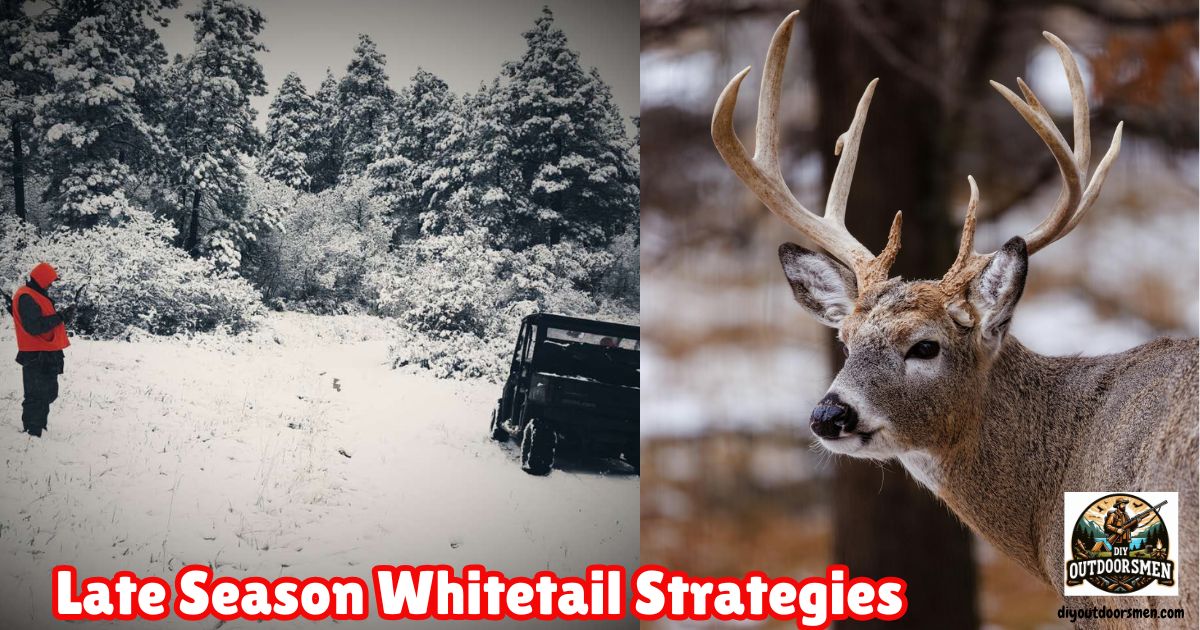
- Snowy or Icy Entry: Deep snow calls for snowshoes or following existing ATV paths to avoid making too much noise. I reuse travel paths to prevent deer from patterning my movement.
Advanced Tactics for Tough Conditions
If whitetail deer go completely nocturnal or the action stops, a few next-level tactics can swing the odds back your way:
Set Up on Food-to-Bed Funnels: Posting just off a feeding spot, preferably along a travel lane that deer often use, increases your odds of daylight sightings. Small drainages and brushy creek beds are ideal for surprising moving deer.
Try Gentle Calling: Loud calls rarely work in late winter. Instead, I use soft grunts or bleats to pull in cautious deer, sometimes just to make a buck reveal his position in thick brush.
Watch for Secondary Rut Signs: Even after most does are bred, a late-cycle doe or a maturing fawn can spark new movement. Fresh scrapes, rubs, or heavy tracks can mean a mature buck is prowling nearby again.
Common Questions on Late-Season Whitetail
What type of food plot works best during late season?
Standing corn and soybeans remain hard to beat, especially when snow is deep. Brassicas like turnips and radishes also work if still green and palatable. The best movement tends to happen along plot edges just before sunset.
Should I bother hunting mornings late in the season?
I recommend saving energy for afternoon hunts. Mornings raise the risk of bumping deer out of bedding areas, and the best movement usually comes in the final hours of daylight.
How do I find unpressured deer when hunting pressure is high?
A mix of trail camera data, glassing from a distance, and boots-on-the-ground scouting works best. Thick, neglected brush patches, wooded fingers, or hidden wetlands can hold deer that others pass by. Watching before moving in helps keep your presence low.
Real-World Gear and Setup Advice
Having reliable, user-friendly equipment is crucial in late season. Here’s what works for me:
- Ground Blinds: Perfect when natural cover is thin, especially if you take time to blend them in and choose calm access trails.
- Layered Clothing: Staying warm extends your sitting time. Pack an extra set of dry gloves and socks as backups for longer hunts.
- Quality Optics: Good binoculars and spotting scopes let you watch fields and trails from safety without bumping deer.
- Trail Cameras: Setting several up gives you real-time info on which stands are best, helping you avoid wasted sits and pressure points.
Paying attention to these gear details, using updated information, and keeping patient are the habits that have brought me consistent success, even during the roughest stretches of winter. With some effort, late-season hunting can become one of the most rewarding parts of the year—the challenges are real, but so are the unique opportunities it brings.
Most Recent Articles:
- Garmin GPS Devices: Navigational Must-Haves For DIY Hunting Expeditions
- Best Rooftop Tents For Overlanding

- Overlanding The Infamous Black Bear Pass In Colorado

- How To Pack A Lightweight Backpack For DIY Backpack Hunting Trips
- Navigating The Hunt Application Process In The US

- Kodiak Canvas Cabin Lodge Tent
As always, stay safe, enjoy the journey, and please try to leave it cleaner than you found it. If you have any comments, questions, ideas, or suggestions, please leave them in the comment section below, and I’ll get back to you ASAP. You can follow us on YouTube: Man Art Creations for videos of our DIY Adventures.
P.S. Thanks so much for checking out our blog; we really appreciate it. Just so you know, we may receive a commission if you click on some of the links that appear on our site. This helps us keep our content free and up-to-date for everyone. We appreciate your support! over-cleared