
Contents
- 1 Why Bear Safety Matters On The Trail
- 2 Hiking Safety Basics For Bear Country
- 3 Smart Camping And Food Storage In Bear Country
- 4 What To Do If You See A Bear
- 5 Common Challenges In Bear Country (And How I Handle Them)
- 6 Extra Tips For Reducing Bear Risk
- 7 Frequently Asked Questions
- 8 Bringing It All Together
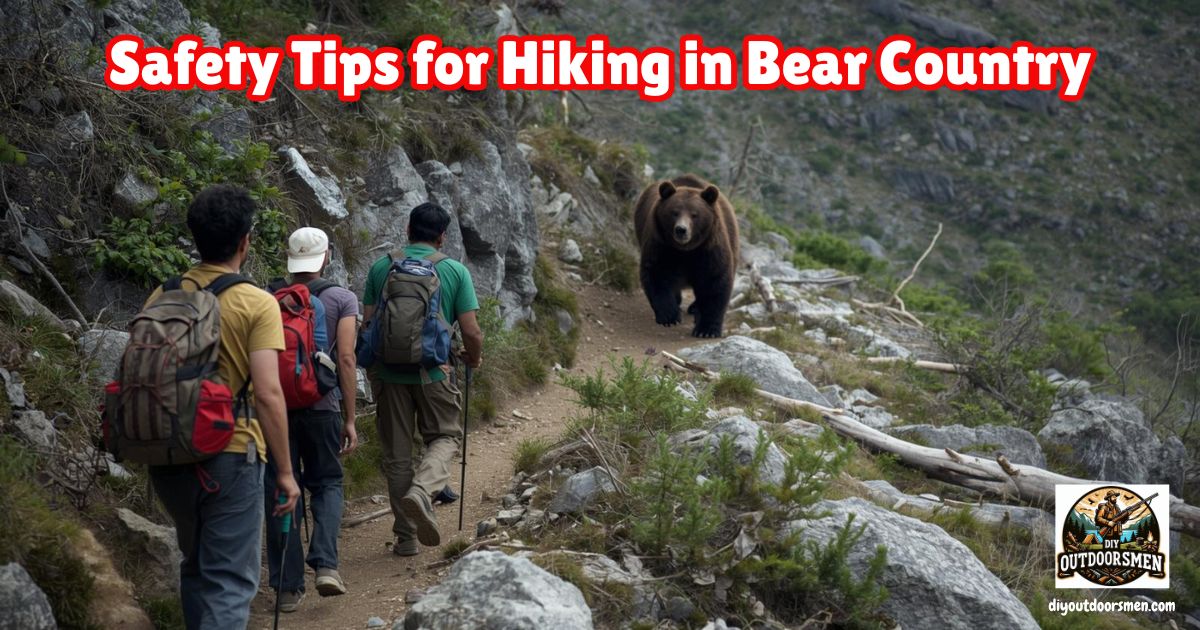
Hiking in areas where bears live can be memorable, but it also calls for a little extra planning. I find it really important to prepare for both the fun and the unexpected moments. Knowing how to keep myself and those with me safe helps everyone relax and enjoy the trail even more.
QUICK LOOK: What to do if You See a Bear While Hiking.
- Do Not Run: Running can look like prey behavior to a bear. I stay still and keep calm, which helps me decide on my next move.
- Back Away Slowly: If the bear is far away or doesn’t seem to be interested, I slowly back away sideways, which lets me keep an eye on it without turning my back.
- Stand My Ground: If a bear huffs or charges but stops short, it’s usually a bluff. I speak in a calm voice and remain where I am.
- Use Bear Spray: If a bear approaches within about 30 feet and doesn’t retreat, I use my bear spray as directed.
- Respond To Attacks Smartly: With grizzly bears, I lie flat on my stomach and cover my neck, playing dead until the bear leaves. For black bears, I fight back using rocks, sticks, or even my fists, aiming for the face and muzzle.
In this article, I’m sharing the steps I always keep in mind when hiking in bear country, with tips for both new and experienced hikers. Having a smart plan before heading into bear country goes a long way in making these wild spaces enjoyable and less stressful, no matter how much hiking you’ve done before.
Why Bear Safety Matters On The Trail
Bear encounters may be rare, but they do happen. Black bears and grizzly bears live in many areas across North America, and understanding how to act around them makes a big difference. I learned from talking to park rangers and reading official sources like the National Park Service that most negative encounters happen when people surprise a bear or leave food out.
A little attention to safety helps prevent most problems on the trail and keeps both people and wildlife protected. Respecting bears’ space is also key to making sure future hikers get to enjoy these areas just as much as we do now.
Hiking Safety Basics For Bear Country
A few simple habits improve safety on the trail. I always start with making sure I have the right gear and an alert mindset. Bears usually avoid people, so much of bear safety is making sure they know you’re coming and don’t have a reason to get interested in your group. It’s about being proactive rather than reactive. Here are the essentials:
- Carry Bear Spray: I never hike in bear country without EPA-approved bear spray. I keep it on a belt holster or chest strap so I don’t have to dig for it in my pack. Making sure it’s not expired and that I know how to use it gives me peace of mind. It’s a simple tool that can make a real difference if the unexpected happens.
- Make Noise: I talk with my hiking partners, clap, or sing aloud, especially when moving through dense brush or loud creek crossings. I’ve found that steady human noise is better than relying on so-called bear bells, which often aren’t loud enough on their own. I never shy away from making my presence known—it’s a small price to pay for safety.
- Hike in, Groups: Bears react differently to a single hiker than to several people. I try to walk in groups of at least three whenever possible, and I keep kids and pets close by. Groups are less likely to have surprise run-ins with wildlife.
- Stay Alert: I don’t wear headphones or earbuds. I regularly scan the trail for signs like paw prints, scat, or scratching on trees. Paying attention to smells and sounds helps me spot bears before we cross paths. Staying sharp on the trail means less chance of surprises.
- Avoid Hiking During Bear Active Hours: Early morning, dusk, and nighttime are when bears are most active. I plan my hikes to be back well before dark. If possible, I also check trail reports before heading out in the morning.
Bringing the right attitude and awareness, along with your gear, ar helps build habits that greatly reduce the risk of even seeing a bear up close. The easiest hikes can turn challenging if you don’t pay attention to these basics.
Smart Camping And Food Storage In Bear Country
Where and how I set up camp can help prevent bears from wandering in. These steps keep campsites safe for everyone who uses them after me, too. Careful food storage is often the single most important factor for not attracting bears to your site.
- Use Bear Resistant Storage: When I camp overnight, I keep all food, trash, and scented items (like toothpaste, deodorant, and sunscreen) in bear-resistant containers provided by the park. If none are provided, I bring a portable bear canister or hang my food according to the “10 feet up, 4 feet out” rule: 10 feet above the ground and 4 feet from the tree trunk.
- Build A Bear Triangle: I set up my tent, kitchen, and food storage at least 100 yards (about 300 feet) apart, forming a triangle. This keeps each place separate. If a bear gets interested in cooking smells or my food bag, my sleeping area is far away.
- Keep Tents Free of, Smells: Even gum or hand sanitizer can attract bears. I never bring snacks, food wrappers, or toiletries into the tent. Clothes I wore to cook also get stored with the food overnight. Changing clothes after dinner is a simple habit that helps cut down on stray smells.
- Clean Up Right Away: I wash dishes and store my stove immediately after eating. I strain greywater 200 feet from camp and pack out all trash since leftover scents can linger and draw in wildlife days after I’ve left. Tidiness now makes a safer place for the next visitor, too.
Remember, a neat campsite is the first line of defense in keeping bears away. Every small action adds up to a safer, more relaxing experience outdoors.
What To Do If You See A Bear
Being prepared for a bear encounter takes away much of the fear because I already know what to do. Each type of bear may act differently, but some basics always apply.
- Do Not Run: Running can look like prey behavior to a bear. I stay still and keep calm, which helps me decide on my next move.
- Back Away Slowly: If the bear is far away or doesn’t seem to be interested, I slowly back away sideways, which lets me keep an eye on it without turning my back.
- Stand My Ground: If a bear huffs or charges but stops short, it’s usually a bluff. I speak in a calm voice and remain where I am.
- Use Bear Spray: If a bear approaches within about 30 feet and doesn’t retreat, I use my bear spray as directed.
- Respond To Attacks Smartly: With grizzly bears, I lie flat on my stomach and cover my neck, playing dead until the bear leaves. For black bears, I fight back using rocks, sticks, or even my fists, aiming for the face and muzzle.
The National Park Service website has videos that helped me feel much more confident about how to use bear spray and respond correctly to different bears (National Park Service: Bear Encounters). Watching these ahead of time helps reduce panic and lets you make better decisions if you’re ever in that situation.
Common Challenges In Bear Country (And How I Handle Them)
There are a few challenges I run into when hiking in places with bears. Each one has a simple fix that’s easy to make a habit of. Addressing these early keeps the risks much lower.
- Forgetting Bear Spray: I keep my spray with my hiking boots or water bottle to remind me to take it every time.
- Trying To Sneak Past Bears: It can be tempting to move through quietly, but making noise keeps everyone safe, even if it feels a little silly in the moment.
- Leaving Food Out For “Just A Minute”: I put food away as soon as I’m done eating instead of waiting until bedtime.
- Not Checking For Local Updates: Sometimes campsites or trails are closed due to bear activity. I check with ranger stations or park websites the morning of my hike for any alerts. This takes just a minute but can save a lot of hassle.
Personal Experience With A Bear Sighting
On a trip to Glacier National Park, my group spotted a grizzly about 200 yards away. We all stopped, spoke calmly, and backed away as we had practiced. The bear didn’t pay us any attention, and I realized the training about group size, making noise, and moving away slowly works. That moment made me careful about keeping my gear ready and always planning for the next hike. Since then, I’ve made it a habit to talk through these steps before each trip.
Extra Tips For Reducing Bear Risk
With a few added habits, I feel even more confident on the trail. Some of these can be easily overlooked, but go a long way in keeping hikes safe and worry-free.
- Stick to Open Trails: Bears prefer dense cover, so I pick routes with long sightlines through meadows or along ridgelines when possible. This helps me spot wildlife well in advance.
- Wear Unscented Products: I switch to unscented sunscreen, insect repellent, and deodorant for hiking trips to avoid attracting attention. Avoiding strong smells makes me less interesting to curious bears.
- Use Bright Clothing: Wearing colorful gear makes it easier for groups to see each other and might also discourage wildlife from approaching out of curiosity. It’s an easy way to add safety and fun to my hiking outfit.
- Practice Clean Habits Even On Short Hikes: Leaving wrappers behind or having a quick snack on the trail can still bring trouble. I treat every hike, even short ones, with the same rules as overnight trips. It’s the small things done that matter consistently most.
- Respect Trail Warnings And Advisories: If a trail sign warns of recent bear activity, I don’t ignore it. Taking a different route or delaying a hike isn’t a failure—it’s making a smart call that keeps everyone safe.
Frequently Asked Questions
Here are some questions I’ve heard often from others getting ready for hikes where bears might be around:
What’s the best kind of bear spray to bring?
I always choose EPA-approved bear spray with a minimum range of 25 feet. I check the expiration date every season, and I talk with rangers about spray brands that are allowed in each park. Practicing how to use the canister with the safety on gives extra confidence, too.
Is there a way to avoid hiking where bears live altogether?
Most national parks and wild areas in North America are bear habitat. By learning the right safety steps, I can usually visit almost any place safely without missing out. Educating myself and not letting fear keep me indoors lets me experience some of nature’s best places safely.
What if I hike alone?
I let someone know my route and expected return time, carry spray, and make more noise. While hiking with others is safer, solo hiking with extra precautions works for many experienced hikers. I avoid hiking during early or late hours and try to stick to well-used trails where other people are likely to be around.
Bringing It All Together
For me, bear safety is part of the adventure, not something to fear. Preparing my gear, practicing smart habits, and being aware help make each hike in bear country a relaxing and memorable experience. These routines don’t take much effort, but they make a world of difference.
Every time I take responsibility for my own safety and the safety of wildlife, I’m helping preserve wild places for everyone who visits after me. The peace of mind this brings lets me enjoy nature even more—making memories I’ll treasure while keeping the wild truly wild for the next person.
Most Recent Articles:
- Safety Tips For Hiking In Bear Country
- Camping And Hiking In The South San Juan Wilderness Of Colorado
- DIY Devils River Kayak Trip

- Camping And Hiking In The Texas Big Bend Ranch State Park
- Fly Fishing The Conejos River In Colorado

- The Camp Chef Expedition And Tahoe Camp Stoves

As always, stay safe, enjoy the journey, and please try to leave it cleaner than you found it. If you have any comments, questions, ideas, or suggestions, please leave them in the comment section below, and I’ll get back to you ASAP. You can follow us on YouTube: Man Art Creations for videos of our DIY Adventures.
P.S. Thanks so much for checking out our blog; we really appreciate it. Just so you know, we may receive a commission if you click on some of the links that appear on our site. This helps us keep our content free and up-to-date for everyone. We appreciate your support!