
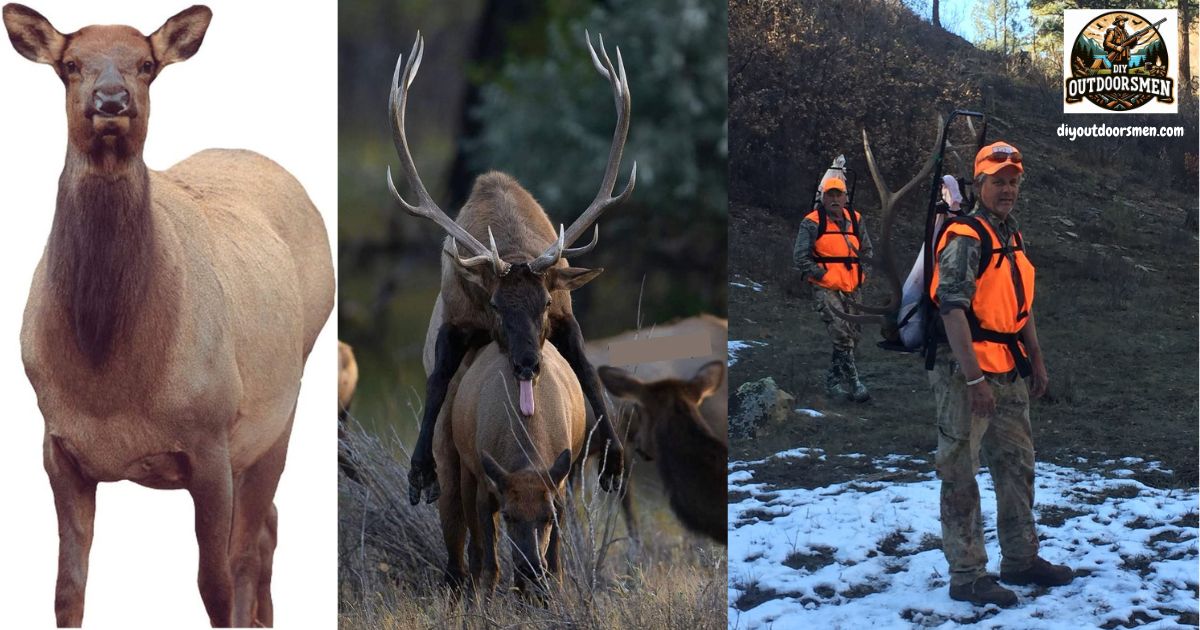
Calling and decoys play really important roles in elk hunting. Both tools work together to convince elk that another member of their herd is nearby, making careful use of elk instincts to pull them into your location.
QUICK LOOK: Tips for Using Calls and Decoys in Elk Hunting
- Visual Confirmation: A decoy works by catching the elk’s eye and convincing it to come closer or drop its guard. I’ve watched bulls that were about to turn away suddenly lock on to a cow decoy and come in fast, giving me a better chance at a clean shot.
- Strategic Placement: Where you put the decoy matters. I place mine off to the side or a bit behind where I’m sitting. This lets the elk focus on the decoy instead of me and usually leads them to walk past at a reasonable distance. Using terrain and cover helps make the whole setup believable.
- Cover and Movement: On days with little natural cover, I’ll even use a lightweight decoy as mobile cover, shifting it subtly to mimic a feeding elk. Sometimes, just a partial decoy suggesting a cow behind some brush can trigger a curious bull to step in for a closer look.
- Overcalling: I’ve learned that too much calling can spell trouble, especially in heavily hunted areas. Elk catch on to repeated, unnatural calling. I pause between sounds, trying to sound natural and blend in with real elk chatter.
- Wrong Decoy Placement: Putting the decoy too far out in the open, right in line with the shooter, or upwind can spook elk. I always consider wind and available cover, picking spots where a real elk would naturally be.
- Poor Wind Management: Elk trust their noses more than anything. Even a perfect call and decoy arrangement won’t make up for wind issues. I double-check wind currents all the time and plan my approach to keep the wind in my favor.
Through my experiences hunting in the Rockies and learning from fellow hunters, I’ve found that understanding how and when to use calls and how to set decoys can make a huge difference, especially when dealing with smart, cautious elk.
The Basics of Why Calls and Decoys Matter in Elk Hunting
Elk rely heavily on their excellent senses and social communication. Their hearing and eyesight help them stay alert for threats, while their vocalizations keep the herd connected. As a hunter, tapping into these instincts with the right calls and lifelike decoys gives you a better shot at success.
Elk hunting is as much about understanding animal behavior as it is about gear or marksmanship. I’ve seen firsthand that in some areas with a lot of hunting pressure, elk quickly learn to distrust anything odd.
They might ignore a lone bugle or a faint mew, and they often freeze at the edges of thick timber, searching the area for other elk before they move in. This is where pairing convincing calling with a realistic decoy really helps.
How Elk Calling Works
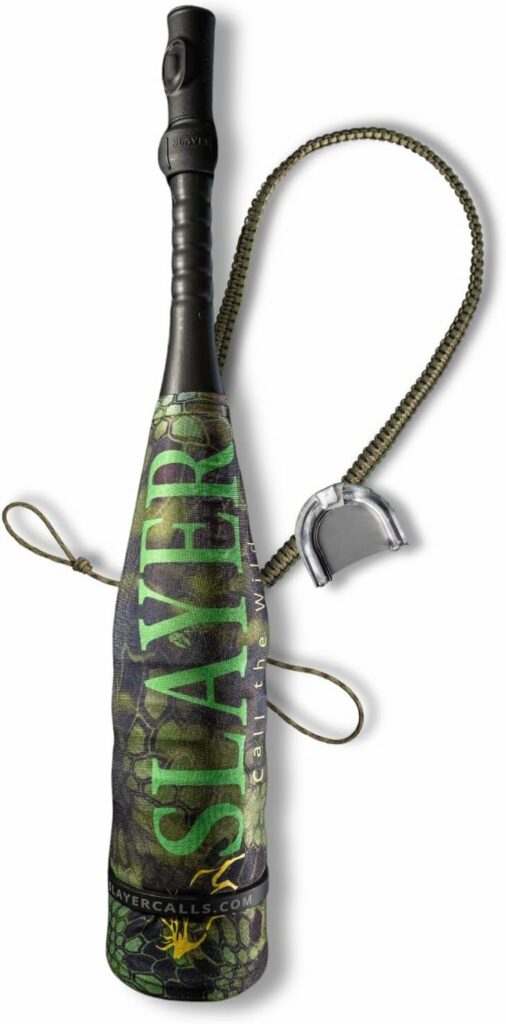
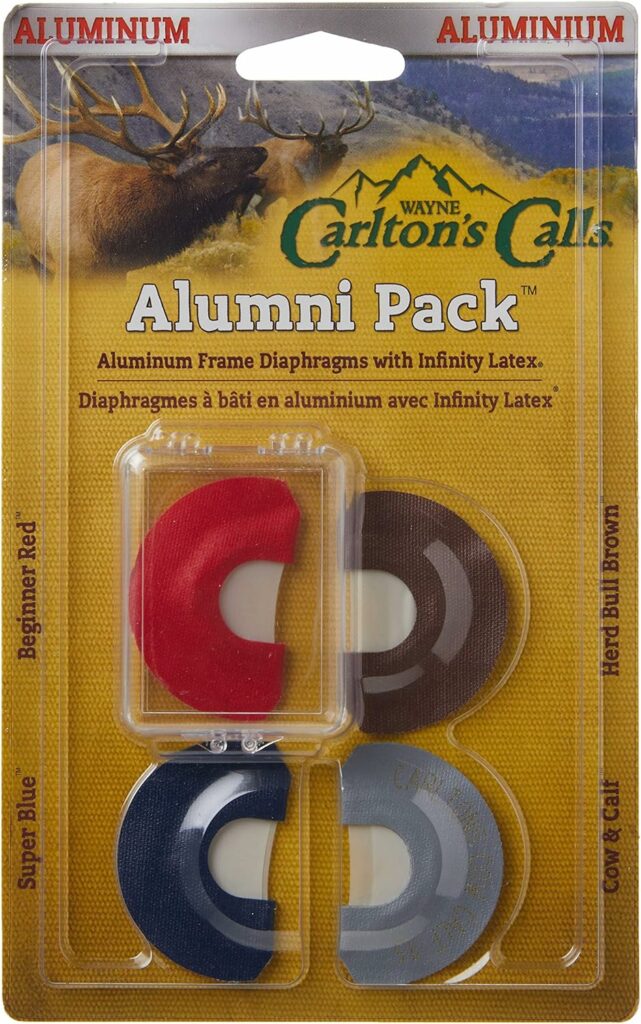
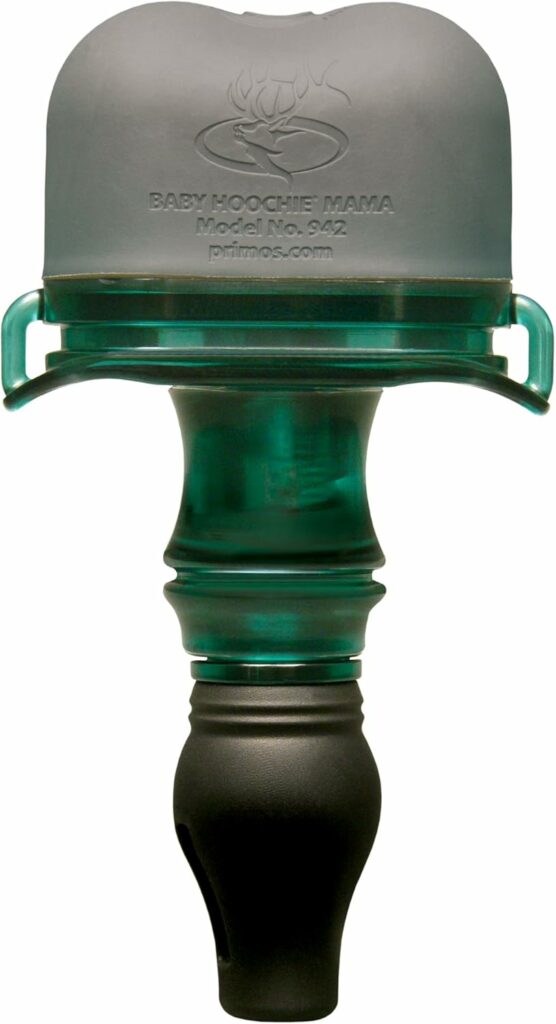
Elk calls come in many forms and are used to mimic different elk sounds, from the sharp bugle of a bull to the soft mew of a cow. Each call targets a different side of elk behavior. I carry a few different calls with me: a reed-style diaphragm for cow calls and a bugle tube for bigger, louder bull calls.
- Cow and Calf Calls: These are soft, sometimes high-pitched mews and chirps. I use these throughout the season, especially when bulls are searching for cows, but the rut hasn’t peaked. Bulls may come in quietly, looking for companionship, or cows may respond if they sense a calf is lost.
- Bugles: A bull’s bugle can mean different things, from saying “I’m here” to throwing down a challenge. When I bugle, I try to match the mood: a soft, drawn-out bugle for locating other elk, or a rougher, emotional bugle when I want to stir up a challenge.
Tuning calls to the situation is important. Overcalling or too much emotion in a bugle can sometimes scare elk away, especially those that have been pressured. I watch for reactions; sometimes a bull will bugle back but not budge, or a cow might circle downwind rather than approach. Reading these signs tells me when to keep calling or when to go quiet and let the elk come in.
Reading Elk Responses and Adjusting Calls
Getting responses isn’t just about the type of sound, but how and when you make it. If I’m hiking into an area before dawn, I start with a few soft cow calls. If nothing answers, I might toss out a location bugle to cover more ground. Once I get a response, I slow down, move quietly, and watch carefully.
It’s easy to get caught up in making too much noise. My experience tells me quiet patience often works better. Some elk are vocal and may charge right in, but most are cautious. Making just enough sound to hold their curiosity keeps them interested.
I always watch wind direction, too; no calling or decoy setup will fix it if an elk smells me first. Wind management is a super important part of my prep and execution, and I always have a wind checker handy.
The Role of Decoys in Elk Hunting
While calling draws elk closer, decoys help close the deal when an animal gets suspicious or tries to verify what it’s hearing. Decoys create the visual proof that some elk need before they commit to moving in. Elk often stop at the edge of clearings and scan for the elk they thought they heard. That’s when a decoy makes a big difference.
- Visual Confirmation: A decoy works by catching the elk’s eye and convincing it to come closer or drop its guard. I’ve watched bulls that were about to turn away suddenly lock on to a cow decoy and come in fast, giving me a better chance at a clean shot.
- Strategic Placement: Where you put the decoy matters. I place mine off to the side or a bit behind where I’m sitting. This lets the elk focus on the decoy instead of me and usually leads them to walk past at a reasonable distance. Using terrain and cover helps make the whole setup believable.
- Cover and Movement: On days with little natural cover, I’ll even use a lightweight decoy as mobile cover, shifting it subtly to mimic a feeding elk. Sometimes, just a partial decoy suggesting a cow behind some brush can trigger a curious bull to step in for a closer look.
Using Calls and Decoys Together
Hunting with a buddy opens up even more tactics. I like to have one person act as the caller while the other moves ahead as the shooter. The caller can use a decoy and move around, pulling attention from the shooter’s spot. This setup keeps the approaching elk focused on the sounds and the decoy, giving the shooter a great broadside shot as the animal tries to circle downwind or check out the scene.
Coordinating movements between the caller and shooter can be tricky, but pays off. A good call and decoy combo distracts the elk, giving both team members a real shot at success. Communication through small hand signals and a shared plan keeps things flowing smoothly.
Common Pitfalls and Tips for Success
- Overcalling: I’ve learned that too much calling can spell trouble, especially in heavily hunted areas. Elk catch on to repeated, unnatural calling. I pause between sounds, trying to sound natural and blend in with real elk chatter.
- Wrong Decoy Placement: Putting the decoy too far out in the open, right in line with the shooter, or upwind can spook elk. I always consider wind and available cover, picking spots where a real elk would naturally be.
- Poor Wind Management: Elk trust their noses more than anything. Even a perfect call and decoy arrangement won’t make up for wind issues. I double-check wind currents all the time and plan my approach to keep the wind in my favor.
What Makes an Effective Elk Decoy?
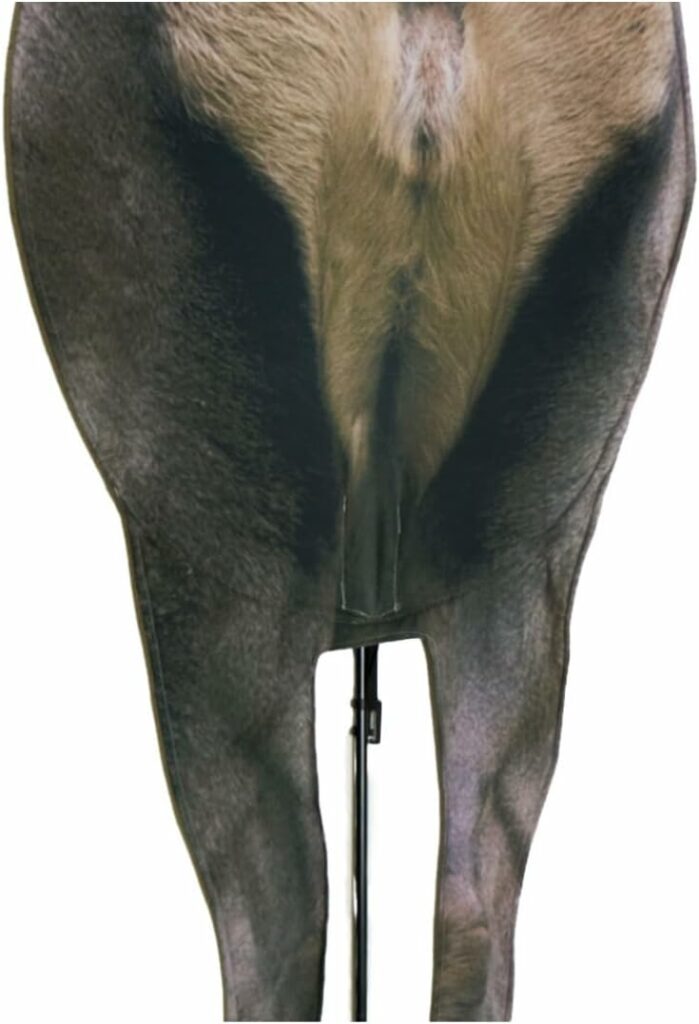
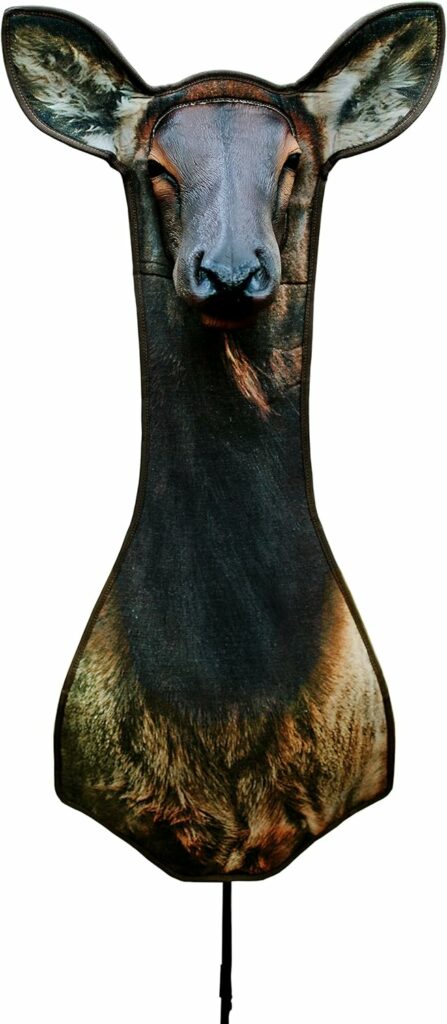
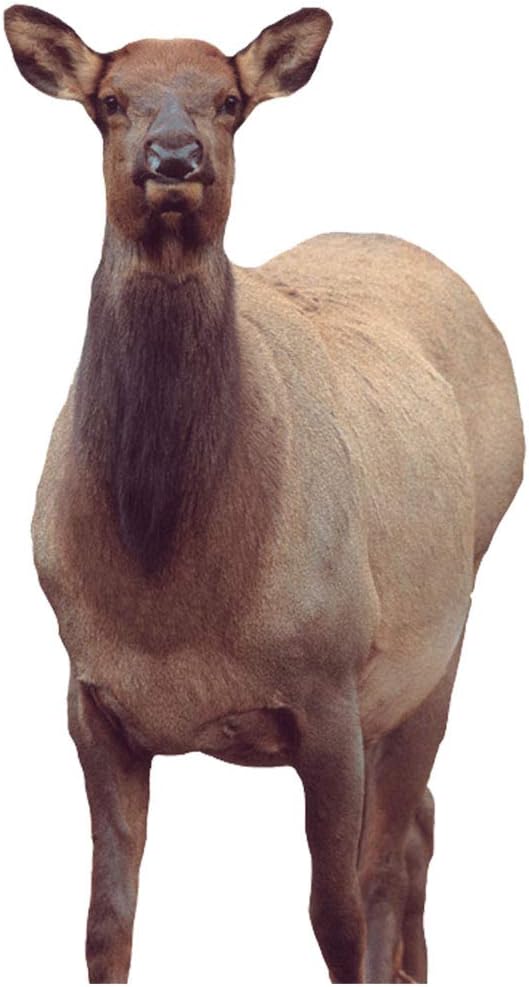
Realism matters, but your decoy doesn’t need to break the bank. I’ve had luck with 2D cow decoys, silhouette types, and simple homemade options. Movement can help, too; even natural head bobbing from the wind sells it. The main thing is to avoid shine, weird flapping, or anything that might give away your position to sharp elk eyes and ears.
Advanced Techniques and Personal Experiences
The more I hunt elk, the more I like experimenting with setups. Sometimes I use both cow and calf calls with a cow decoy. Late in the rut, I’ll mix in an aggressive bugle and set out a satellite bull decoy to stir jealousy in bigger bulls. Scent wafers or attractant sprays can give a boost, but these only help when used with smart wind sense and calling.
In the real world, elk respond differently depending on season, hunting pressure, and weather. During archery season, bulls may answer challenge bugles and run in quickly. In late rifle season, a quieter touch works better; softer calls, subtle decoy use, and loads of patience beat aggressive tactics.
- Archery: Calls and decoys help bring elk within bow range. Timing the shot as the elk zeros in on the decoy can make all the difference.
- Rifle: Decoys and calling work for coaxing elk out of thick timber, where you might only have a moment to shoot.
- Late Season: Making it look like a lost cow or a small, quiet herd can lure in wary bulls, even when they’re jumpy.
Frequently Asked Questions
What’s the best way to start with elk calling?
Start with simple diaphragm or open reed calls. Practice cow and calf mews before moving on to bugles. Listen to elk recordings and mirror their pitch and style for more real-sounding calls.
Do decoys work with every elk?
Decoys help most with elk that are cautious and want to see proof before coming in. Some bulls and cows may still hang up, especially in pressured areas or after being hunted hard.
How far should I put the decoy from my position?
Place it 20 to 40 yards away, angled so that incoming elk don’t look directly past the decoy to where you are. Adjust based on terrain and shooting lanes.
What I’ve Learned Using Calls and Decoys
Combining elk calls and decoys adds so much excitement to the hunt. I trust these tools to keep things interesting and increase my chances every season. Elk hunting is packed with surprises, and staying open to tweaking my calling, keeping decoy setups fresh, and always managing the wind keeps me in the game. Focusing on elk behavior, smart planning, and adaptability has led to my best hunts, and I wouldn’t head out without both calls and decoys at the ready.
Most Recent Articles:
- Off-road Vehicle Recovery Techniques
- Electric Vs. Manual Game Calls and Which Works Better?
- Comparing All-Terrain UTV Winches For Remote Hunting Access
- How To Create Wildlife Bait From Kitchen Scraps

- Reliable Trail Camera Rigs For Hunters On A Tight Budget
- Suburban Bowhunting Tips
As always, stay safe, enjoy the journey, and please try to leave it cleaner than you found it. If you have any comments, questions, ideas, or suggestions, please leave them in the comment section below, and I’ll get back to you ASAP. You can follow us on YouTube: Man Art Creations for videos of our DIY Adventures.
P.S. Thanks so much for checking out our blog; we really appreciate it. Just so you know, we may receive a commission if you click on some of the links that appear on our site. This helps us keep our content free and up-to-date for everyone. We appreciate your support!