Contents
- 1 Why the South San Juan Wilderness Stands Out for Hikers and Campers
- 2 Getting Ready for a Backpacking or Camping Trip
- 3 Great Hiking Trails in the South San Juan Wilderness
- 4 Camping in and Around the Wilderness Area
- 5 Key Wilderness Rules and Regulations
- 6 What to Bring and Tips for the Best Trip
- 7 Frequently Asked Questions About Camping and Hiking in the South San Juan Wilderness
- 8 Making the Most of Your South San Juan Wilderness Adventure
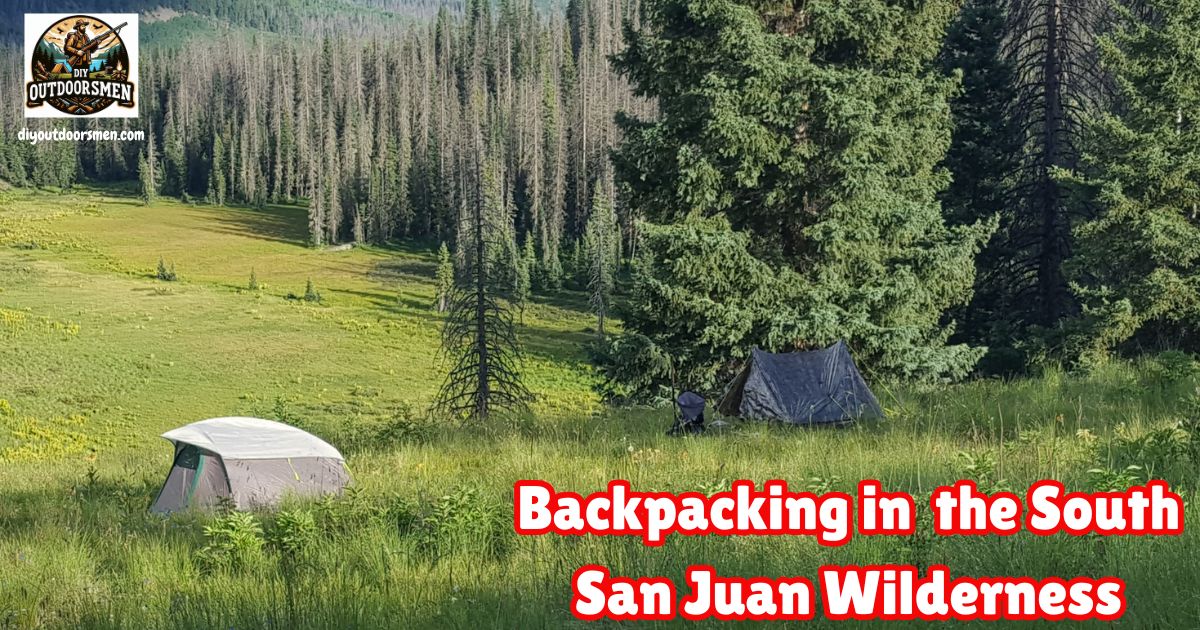
The South San Juan Wilderness in southern Colorado stands out as one of my favorite places for outdoor adventure. Its rugged volcanic peaks, remote valleys, and hidden lakes give an experience that’s rare on busier trails elsewhere.
Hiking and camping here means stepping into one of Colorado’s wildest corners, with 158,790 acres of protected wilderness to explore. If you’re in the mood for a true backcountry adventure, the South San Juan Wilderness offers some of the best hiking and camping in the region.
Why the South San Juan Wilderness Stands Out for Hikers and Campers
The first thing I pick up on in the South San Juan is the sense of true isolation. Unlike some more popular Colorado ranges, I rarely see big crowds here, even during peak summer weekends. The Continental Divide runs through the heart of the wilderness, splitting high volcanic summits and deep, pine-filled valleys.
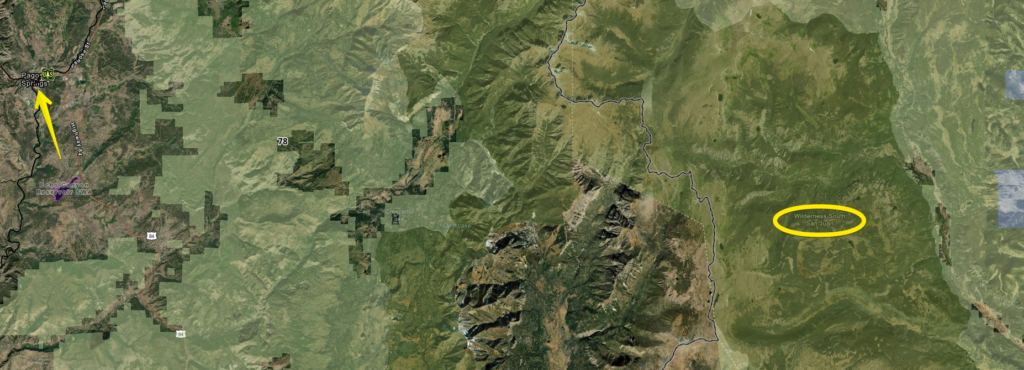
This area is the headwaters for rivers like the Conejos and San Juan, meaning water is usually nearby on longer trips. Wildlife is everywhere. I often spot elk, mule deer, marmots, and the occasional black bear. Locals mention the area as one of the last places where gray wolves might still roam in Colorado.
Wildflowers explode in July and August, making this prime season for hiking and camping. Always plan for sudden afternoon storms, which can roll over the peaks almost daily in midsummer.
Getting Ready for a Backpacking or Camping Trip
Planning is key here because of how remote some sections can be. There’s little to no cell service, so I download digital maps ahead of time or bring paper topographic maps along with a compass.
- When to Go: Visit between midJune and early September. Most snow is gone by then, streams are running, and wildflower meadows are at their best.
- What to Expect: Elevations range from 8,000 to over 13,000 feet, so allow yourself some time to get used to the altitude. Many hikes involve steep climbs, rocky trails, and significant elevation changes.
- Navigating: Trails can be faint or unmarked, especially after big snow years or in burn areas. The Continental Divide Trail (CDT) is the easiest to follow, but side trails like Quartz Lake or Conejos Peak are trickier to spot.
Be ready with extra food and enough clean water storage, since some routes are longer and water sources can be unpredictable in late summer. It helps to pack layers and rain gear, as the weather can switch up rapidly at higher elevations.
Great Hiking Trails in the South San Juan Wilderness
With over 180 miles of trails, the South San Juan has plenty to offer for both day hikers and those up for multi-day treks. Here are a few standouts:
- Continental Divide Trail (CDT) Section 33: For a classic experience, try this section from Blue Lake to Elwood Pass (about 42 miles). It’s got a nice mix of high ridgelines, spruce forests, and alpine lakes.
- Quartz Lake Trail: Roughly 9 miles round-trip with nearly 2,800 feet of gain, this trail is demanding but rewarding. The lakes at the top are perfect for a quiet lunch or overnight campout.
- Duck Lake Trail: For a slightly shorter outing, Duck Lake Trail is 6.9 miles of meadows and ends at a group of lakes. Both fishing and photography are popular here.
- Conejos Peak Trail: Looking to summit something? Conejos Peak rises to 13,172 feet and is reachable by a steep, invigorating trail. Don’t forget a windbreaker since it’s windy up there!
- Conejos River Trail to Middle Fork: This easier 4.4-mile trail is perfect for families or a relaxed first night on a backpacking loop. The river makes a great spot for water refills or a foot soak.
For those seeking more wilderness solitude, consider mapping out your own loop by combining trails and tracking down less-traveled routes—just be sure your skills and supplies are up to the task.
Camping in and Around the Wilderness Area
When camping in the South San Juan, I usually choose between developed campgrounds in the nearby San Juan National Forest or go for dispersed camping if I want more seclusion.
Developed Campgrounds
If I’m looking for amenities such as bathrooms or picnic tables, the surrounding forest offers several solid options. These campgrounds are popular in summer and can fill up, but reservation options are available at Recreation.gov. Some of my favorites include:
- Aspen Glade Campground
- Conejos Campground
- East Fork Campground
- Trujillo Meadows Campground
- West Fork Campground
Weather events or fire season can sometimes close these areas, so check the Forest Service website for updates before making plans.
Dispersed Camping
For a more remote experience, I usually go for dispersed camping, camping away from developed sites, generally within 300 feet of an accessible forest road. I try to use already impersonal clearings or previously impacted spots to avoid new environmental damage. The main rules:
- Camp up to 14 nights in one spot before moving at least 3 miles away.
- Set up camp at least 100 feet from any stream or lake; at some popular lakes like Red Lake or Blue Lake, the distance is 200 feet.
- Check fire restrictions before making a campfire. Sometimes, even backpacking stoves are banned in very dry periods.
No services are provided at dispersed sites, so always pack out all trash and use a portable toilet or dig a proper cathole for human waste. Remember to keep this at least 200 feet from water sources to keep the wilderness pristine.
Key Wilderness Rules and Regulations
The South San Juan Wilderness enforces strict rules to keep things wild. Here’s what I always follow:
- No motorized or mechanized travel. That includes bikes, drones, and wheeled carts.
- Group size capped at 15 people to reduce impact.
- Fires and tents need to be at least 100 feet from lakes and streams, or 200 feet from some lakes.
- Pets must be leashed or under voice control. I always keep my dog close to prevent wildlife harassment and out of respect for other campers.
- Bear safety matters. Use a bear canister, hang food, or lock it in a hard vehicle if car camping.
- Pack out all trash and bury human waste properly, using a trowel for the job.
Before each trip, check the official San Juan National Forest website for closures, fire bans, or new rules. Rangers based in Pagosa Springs or Antonito are helpful for asking questions in person.
What to Bring and Tips for the Best Trip
- Navigation Tools: Trails can fade or disappear, so always pack a GPS app and paper maps.
- Bear Safety: Bear canisters or approved bags are a must. Proper hanging technique: at least 10 feet up and 4 feet out from branches.
- Weather Prep: Bring layers and have rain gear for fast-changing mountain conditions.
- Water: Filter every drop. Water generally abounds, but late summer means some high streams can run dry.
- Leave No Trace: Always clean up and leave your spot better than you found it.
If you’re newer to backpacking, stick with marked trails like the CDT for extra safety. More experienced trekkers can piece together longer multiday loops or explore fainter paths deeper into the wild.
Frequently Asked Questions About Camping and Hiking in the South San Juan Wilderness
Can I make a campfire in the backcountry?
Sometimes. It depends on the current fire rules, so check with the Forest Service before heading out. Even when fires are allowed, only use established fire rings if there are, keep them small, and never leave them unattended.
Are permits required for backpacking?
No permits are needed for overnight trips in most of the South San Juan Wilderness, but always respect group size and length-of-stay rules. At some busy trailheads or sensitive areas, check for special regulations.
How do I keep food safe from bears?
Stash all food and scented items in a bear canister or an approved bear bag. Hanging food works if you do it right, but a sturdy canister is by far the safest bet.
Are dogs allowed?
Yes, as long as they stay under control. I leash my dog if wildlife is near, camps are busy, or at night. Remember to pick up after your pet so everyone can enjoy a clean wilderness.
Making the Most of Your South San Juan Wilderness Adventure
Spending time hiking and camping in the South San Juan Wilderness brings me real appreciation for Colorado’s high country. Since this area stays relatively quiet, it’s the place to be for wild beauty and challenging trails in peace.
Taking a bit more time to plan, following the rules, and camping light all help keep this place special for future visitors, too. Every trip, I stumble upon something new—a secret meadow, an eye-catching sunset, or a peaceful forest clearing. If you’re ready for an authentic backcountry adventure, pack your gear and check out the remarkable South San Juan Wilderness.
Most Recent Articles:
- DIY Hunting Requires Expensive High-end Gear Myth Debunked
- Reviewing Compact Rangefinders For Precision In DIY Hunting

- Common Misconception: DIY Hunting Is Only For Experienced Pros
- How To Choose The Right Handheld GPS Device For Solo Hunting
- Smartphone-integrated GPS Mapping For Hunting And Hiking
- Modular Backpack Tree Stands For Hunting
As always, stay safe, enjoy the journey, and please try to leave it cleaner than you found it. If you have any comments, questions, ideas, or suggestions, please leave them in the comment section below, and I’ll get back to you ASAP. You can follow us on YouTube: Man Art Creations for videos of our DIY Adventures.
P.S. Thanks so much for checking out our blog; we really appreciate it. Just so you know, we may receive a commission if you click on some of the links that appear on our site. This helps us keep our content free and up-to-date for everyone. We appreciate your support!