Contents
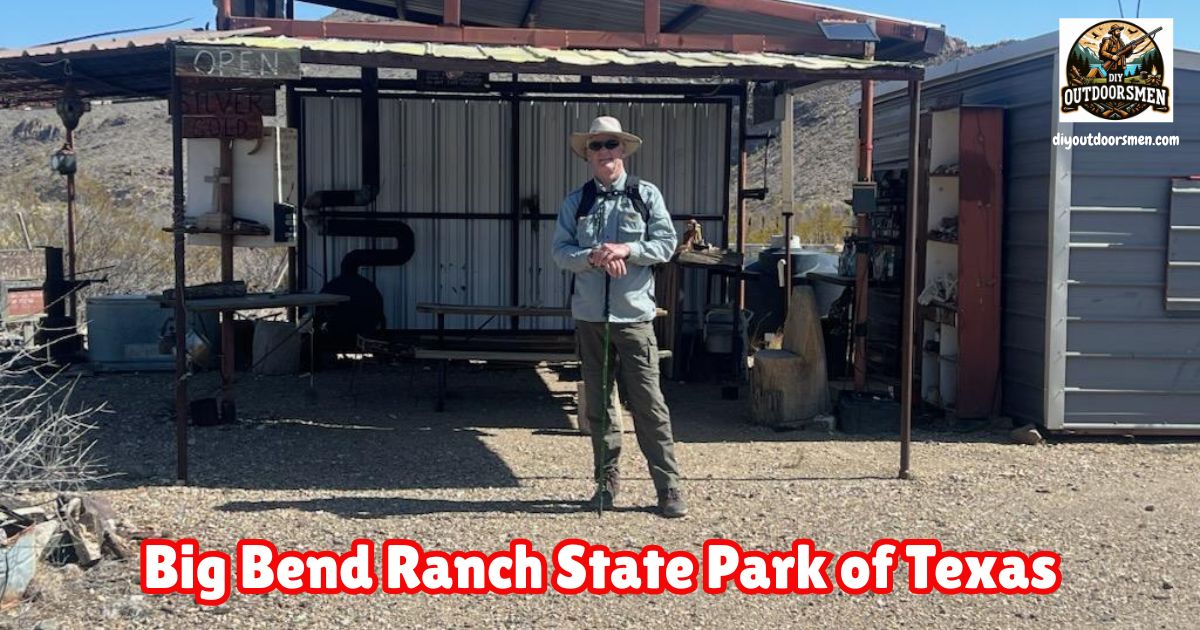
Camping and hiking in Big Bend Ranch State Park is an adventure unlike anywhere else in Texas. Most people come here for the solitude, rugged desert scenery, and wild remoteness that you just can’t find in more popular parks.
QUICK LOOK: Recommended Hikes in Big Bend Ranch State Park
- The Solitario: This massive volcanic caldera is one of the park’s showpieces. Trails here are remote, often rocky, but the views from the rim are out of this world. I’d only recommend it for hikers confident in their navigation and self-reliance.
- Fresno Canyon: This rugged desert canyon takes you past old ranch ruins and dry arroyos. Camping here is a real treat if you love stargazing and peaceful nights.
- Rancherias Loop: A favorite of backpackers, this loop is a multi-day adventure through the wildest parts of the park. Water is only available at natural springs, so planning is a must.
- Closed Canyon: When I’m looking for something easier, this narrow slot canyon off FM 170 fits the bill. It’s short, but the towering walls make me feel like I’m on another planet.
- La Mota Mountain: Scaling this high desert peak rewards you with vast desert views. The route is steep and rocky, but standing at the top is a reward in itself.
I always get an honest sense of freedom under this sky, but I also know how important it is to be prepared for whatever the desert brings my way. Here, I’ll share what makes this spot so unique, the camping options available, top hiking trails, the challenges you’ll face, and a bunch of tips I’ve picked up over time for planning a safe and unforgettable trip.
An Introduction to Big Bend Ranch State Park
Big Bend Ranch State Park sprawls along the Rio Grande in far West Texas. As the largest state park in Texas, it offers over 311,000 acres of canyons, desert foothills, volcanic mountains, and endless Chihuahuan Desert plains. I’m always struck by how open and empty it feels.
It’s a place where I can walk for hours and not spot another soul. If you truly want to get off the grid and disconnect, this is the park for you. There are more than 200 miles of multi-use trails, which means you can walk, bike, or even horseback ride, depending on your vibe and skills.
Many trails here are remote, rugged, and built for folks who love a challenge. The park is also a legitimate International Dark Sky Park, so stargazing at night is next-level cool. I never forget to look up at the Milky Way from camp—an experience that keeps me coming back again and again.
Camping Options: How and Where to Stay
When planning a trip, my starting point is always reserving a campsite. Camping here is primarily primitive, so you need to haul in your own water, food, and supplies. The park doesn’t supply fuel or potable water in most places, so prepping beforehand is nonnegotiable.
Primitive Drive Up Campsites
Most drive-up campsites are only reachable with a high clearance Four Wheel Drive. These spots usually include a picnic table and a fire ring, but offer little shade and no amenities like showers or electricity. What they lack in extras, they make up for in solitude. I’ve spent nights here with just the desert wind for company—talk about pure adventure.
Backcountry Hike In Campsites
For those craving even more quiet, the hike to backcountry campsites delivers. You’ll have to carry everything, but these places let you set up your base far away from civilization. Waking up as the sun climbs over a volcanic mesa, with morning birds as your soundtrack, is a memory that sticks with me.
Where to Check In
Everyone camping or hiking at Big Bend Ranch State Park should check in. There are two main options: the Barton Warnock Visitor Center near Lajitas and the Fort Leaton State Historic Site outside Presidio. If I’m planning on arriving late, I call ahead to smooth the way.
Making a Reservation
Campsites can be reserved up to five months in advance through the Texas Parks & Wildlife system. During spring and fall, when everyone wants to be out here, booking ahead is key.
Top Hiking Experiences: My Picks for the Best Trails
The park’s landscape can switch up dramatically over just a few miles—from rocky slot canyons to sweeping grasslands. When mapping out my hike, I pick trails that fit the time and energy I’ve got that day. Here are some of my standouts:
- The Solitario: This massive volcanic caldera is one of the park’s showpieces. Trails here are remote, often rocky, but the views from the rim are out of this world. I’d only recommend it for hikers confident in their navigation and self-reliance.
- Fresno Canyon: This rugged desert canyon takes you past old ranch ruins and dry arroyos. Camping here is a real treat if you love stargazing and peaceful nights.
- Rancherias Loop: A favorite of backpackers, this loop is a multi-day adventure through the wildest parts of the park. Water is only available at natural springs, so planning is a must.
- Closed Canyon: When I’m looking for something easier, this narrow slot canyon off FM 170 fits the bill. It’s short, but the towering walls make me feel like I’m on another planet.
- La Mota Mountain: Scaling this high desert peak rewards you with vast desert views. The route is steep and rocky, but standing at the top is a reward in itself.
Biggest Hazards and Challenges You’ll Face
Big Bend Ranch is far more remote and rugged than most state parks. That remoteness is a big part of its charm, but it means you have to stay sharp about safety. These are a few of the hurdles I’ve run into:
Heat and Sun Exposure
Shade is rare here, and summer temperatures can be punishing. I carry at least a gallon of water per person per day—more if I’m tackling tougher hikes or hotter weather. Light long sleeves and a solid sun hat are nonnegotiable for me.
Distance and Remoteness
There’s almost no cell service. I always tell at least one friend or family member my route and arrange a check-in time. If anything happens, it could be hours before help arrives.
Roads and Trail Access
The interior park roads are made for high clearance, Four Wheel Drive vehicles. After rain, roads can go from rough to impassable. I’ve had to pull a U-turn more than once because a dry creek was suddenly a muddy mess.
Wildlife and Desert Hazards
This is rattlesnake and scorpion country, and the plants have their fair share of thorns. I move carefully, always lace up my boots, and shake out my shoes and tent each morning. Flash floods in low-lying canyons are real, even if it’s clear overhead.
Many trails are barely marked. I always carry a GPS, backup batteries, the official paper park map, and a solid compass. Before heading into the backcountry, I practice with these tools close to camp or near my vehicle.
Tips for a Successful Trip to Big Bend Ranch
- Check indouble-check at the Visitor Center: I always drop by for the latest weather, road reports, and the best advice from staff. They know the park and can spot anything I might be missing.
- Bring All Your Water: The park interior has no potable water. I plan and pack accordingly, and stash extra water if possible.
- Use High Clearance 4×4 Vehicles: I always double-check my rig before leaving civilization and avoid driving at night. Wildlife and washed-out roads are much easier to spot during the day.
- Expect Cold Desert Nights: Even in spring or fall, it can get downright chilly after dark. I pack a warm sleeping bag and extra layers just in case.
- Carry Paper Maps: Tech isn’t foolproof; the official Texas Parks & Wildlife map is always in my pack, just in case batteries run down.
- Be Kind to the Land: Always pack out trash and keep fire use to established rings. The desert takes ages to recover, so it’s on us to tread lightly.
Planning Resources
I always turn to these for trip planning:
- Texas Parks & Wildlife – Big Bend Ranch State Park for park maps, official rules, and current updates.
- TPWD Camping Reservation System to check available sites and reserve your spot.
- AllTrails – Big Bend Ranch State Park for trail maps, recent reviews, and hike ideas from fellow adventurers.
For up-to-the-minute road and weather info, the Barton Warnock Visitor Center (432-424-3327) and Fort Leaton State Historic Site (432-229-3613) have friendly staff ready to help you out.
Frequently Asked Questions
These are some common questions I get from friends curious about heading out to Big Bend Ranch State Park for the first time:
Is there potable water available in the backcountry?
Nope, you need to bring every drop yourself or stash water ahead of time. Never count on natural springs or tanks unless the park staff gives you the green light.
Do I need a Four Wheel Drive to visit?
Not for the main park roads and a few drive-up campsites, but most of the best trails and remote sites call for a high clearance Four Wheel Drive.
How bad are the bugs and animals?
Spring brings gnats and flies, but I find that the right clothes and a mosquito head net make life much easier. Always keep an eye out for snakes and scorpions, especially at dusk and dawn.
Can I bring my dog camping and hiking?
Dogs are allowed on leash, but can overheat quickly out here. I always pack extra water for my pup and watch them closely to keep them safe.
Most Recent Articles:
- Suburban Bowhunting Tips
- Guide To Portable LED Headlamps For The Outdoors
- Navigating Private Land Permissions For DIY Hunting Adventures
- DIY Hunting Requires Expensive High-end Gear Myth Debunked
- Reviewing Compact Rangefinders For Precision In DIY Hunting

- Common Misconception: DIY Hunting Is Only For Experienced Pros
As always, stay safe, enjoy the journey, and please try to leave it cleaner than you found it. If you have any comments, questions, ideas, or suggestions, please leave them in the comment section below, and I’ll get back to you ASAP. You can follow us on YouTube: Man Art Creations for videos of our DIY Adventures.
P.S. Thanks so much for checking out our blog; we really appreciate it. Just so you know, we may receive a commission if you click on some of the links that appear on our site. This helps us keep our content free and up-to-date for everyone. We appreciate your support!